


Best White Water Rafting in Bali: Ayung River vs Telaga Waja (and Everything in Between)



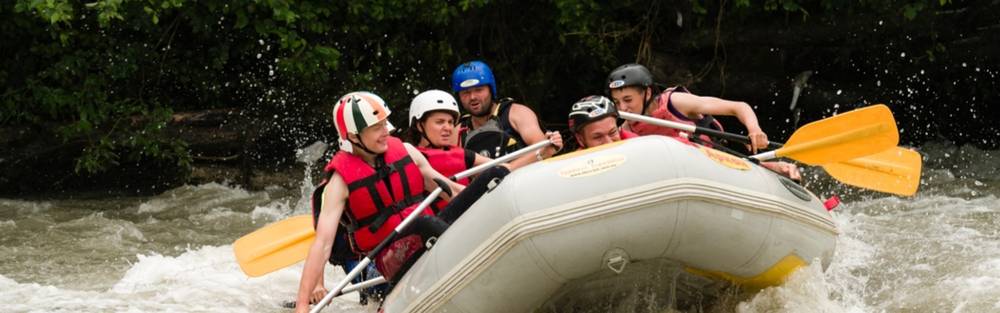
Bali is famous for its temples, rice terraces, and surf breaks, but the island's river canyons deliver one of the most memorable adventures you can have in Southeast Asia. White water rafting in Bali puts you inside deep jungle gorges, beneath draping vines and bamboo bridges, with the roar of Class III and IV rapids echoing off volcanic rock walls. Whether you are a first-time rafter looking for a gentle introduction or an adrenaline chaser after churning whitewater, Bali has a river that matches your appetite.
The two rivers that anchor Bali's rafting scene could hardly be more different. The Ayung, winding through the rice-paddy highlands near Ubud, is the island's longest river and offers a scenic, family-friendly float past stone carvings and tropical gardens. The Telaga Waja in East Bali slices through a remote canyon with Grade III–IV rapids, a 4-metre waterfall drop, and stretches of untouched jungle that see far fewer tourists. Together they give Bali one of the best freshwater adventure lineups in the region.
This guide covers the five best Bali white water rafting experiences available right now, complete with difficulty grades, durations, prices in Australian dollars, and practical tips to help you choose the right river for your group. All tours listed are bookable through Traveloka, so you can lock in your spot before you even board the plane.
Discover Flights With Traveloka
Mon, 26 Oct 2026

Jetstar
Sydney (SYD) to Bali / Denpasar (DPS)
Start from AU$286.29
Tue, 20 Oct 2026

Batik Air Malaysia
Melbourne (MEL) to Bali / Denpasar (DPS)
Start from AU$274.69
Mon, 19 Oct 2026

Virgin Australia
Canberra (CBR) to Bali / Denpasar (DPS)
Start from AU$373.34
Plan your stay near the action before you hit the rapids. Bali's rafting heartland spans Ubud, Gianyar, and Karangasem, and there is no shortage of excellent places to rest and recover after a day on the water.
1. Ayung River Rafting — Bali's Most Iconic River Run
Andrii Anna photographers / Shutterstock.com
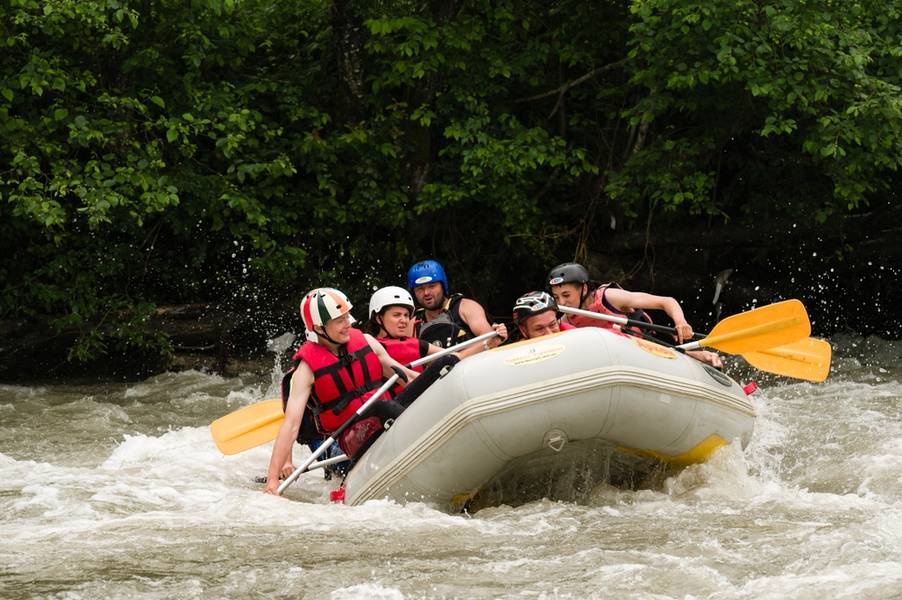
The Ayung is Bali's longest river at 68 kilometres, and the 12-kilometre rafting section that runs through the Kedewatan gorge near Ubud is arguably the most beautiful stretch of moving water on the entire island. Towering bamboo groves lean over the river, stone carvings emerge from moss-covered cliffs, and terraced rice fields appear through gaps in the jungle canopy. The river drops through Class II–III rapids, meaning the ride is exciting without being terrifying, and most operators welcome children aged five and above.
A standard Ayung River session lasts around two hours on the water, with total tour time running from three to four hours once you factor in briefings, equipment fitting, changing, and lunch. Prices start from around AU$24 per person for independent bookings and climb to AU$68 for full-package tours that include buffet lunch, a hot shower, and return transfers from Ubud. The rapid grades can intensify to Class IV during the wet season, roughly November through March, so check river conditions with your operator if you are travelling in those months.
The scenery along the Ayung is genuinely extraordinary. Ancient stone reliefs carved directly into the gorge walls tell Hindu mythological stories, and the vegetation is so thick that sunlight arrives in shafts rather than sheets. Kingfishers dart low across the water, and the sound of the jungle fills every quiet section between rapids. It is the kind of immersive natural experience that stays with you long after the tan fades.
For groups with mixed experience levels or families with younger children, the Ayung is the obvious starting point. Guides are trained to bilingual safety standards, life jackets and helmets are provided, and the flat-water sections give everyone a chance to recover between the bigger drops. Book through Traveloka's activities page to compare packages side by side before committing.
Morning vs Afternoon Departures on the Ayung
Morning departures on the Ayung typically leave the staging area around 9:30 AM and finish by early afternoon, leaving the rest of the day free for Ubud's markets and art galleries. The light is softer in the morning, making the jungle scenery even more atmospheric, and river levels tend to be calmer before midday rains arrive. Afternoon sessions depart around 1:30 PM and finish by 5:30 PM, which suits late risers or those combining rafting with a morning temple visit.
Both time slots include the same equipment and safety briefing, and lunch or snacks are provided on most package bookings. The choice largely comes down to personal schedule rather than any meaningful difference in the river experience. If you want photos with dramatic golden-hour light at the end of your float, the afternoon slot has the edge.
What to Expect at the Put-In Point
Most Ayung tours stage from Jl. Raya Kedewatan in the Tanggayuda area, roughly eight kilometres north of central Ubud. The put-in point involves a short walk down stone steps to the river bank, so lightweight footwear with grip — not thongs — is strongly recommended. Operators provide all safety gear on-site, including helmets, life jackets, paddles, and splash-proof storage for small valuables.
Changing rooms and shower facilities are available at the take-out point, and most operators have a restaurant or canteen on-site where the buffet lunch is served. The overall logistics are smooth and well-rehearsed, with experienced guides who run multiple sessions per day and know every rapid by name.
2. Telaga Waja River — East Bali's Wildest White Water
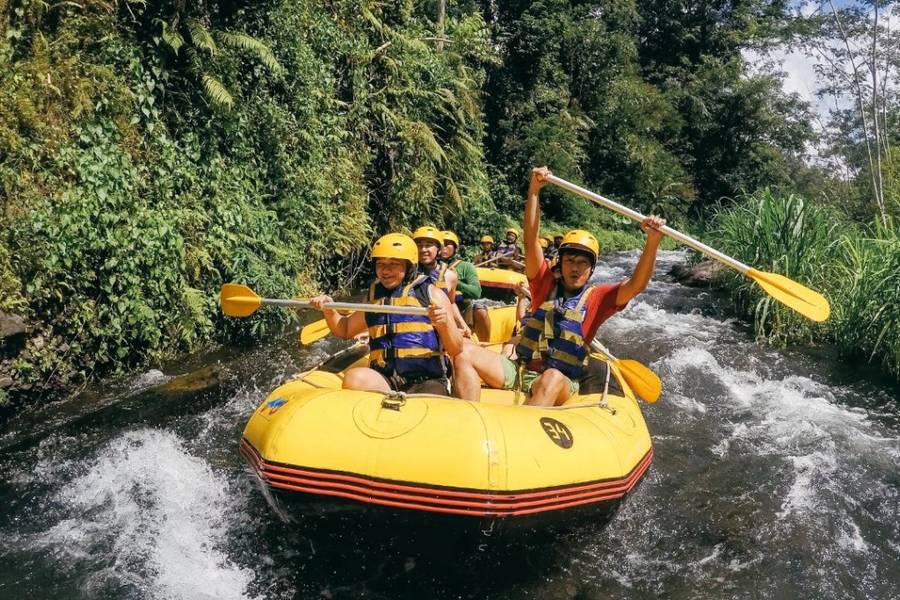
The Telaga Waja is the river that serious rafters talk about. Originating on the slopes of Mount Agung near the Besakih temple complex in Karangasem, it carves through a remote canyon that feels genuinely untouched by tourism. The 16-kilometre route runs Grade III–IV rapids, making it significantly more demanding than the Ayung, and the centrepiece is a four-metre waterfall drop at Bajing Dam that delivers a heart-hammering rush of adrenaline. Sessions run approximately two and a half hours on the water.
Prices for Telaga Waja tours start from around AU$26 per person and rise to AU$35 or more for packages that include lunch and hotel transfers. The drive from central Bali is roughly 90 minutes to two hours each way, so most operators build the journey into a full-day programme. The distance is worth it: the canyon walls are dramatically steep, waterfalls cascade into the river from basalt ledges, and the tropical forest along the banks is some of the densest greenery you will find anywhere in Bali.

Indonesia
Ayung River Rafting by Bali Best Adventure

9.3/10
Kedewatan
AU$20
Despite the higher difficulty rating, the Telaga Waja is considered manageable for physically fit adults who follow their guide's instructions. Operators run thorough safety briefings and assign one experienced guide per raft, with a strict policy of no paddling without a properly fitted life jacket and helmet. The Grade IV sections are intense but short, and the river widens into calm stretches between rapids where you can catch your breath and absorb the scenery.
One practical advantage of the Telaga Waja is the easy river access. Unlike some Bali rafting venues that require a long staircase climb to reach the restaurant after the float, the Telaga Waja take-out point is conveniently close to the facilities, which matters when your legs are tired and you are hungry for a buffet lunch. The combination of raw adventure and logistical ease makes it the pick for groups willing to make the drive east.
The Bajing Dam Waterfall Drop
The Bajing Dam waterfall drop is the defining moment of any Telaga Waja session. The raft approaches a four-metre ledge, the guide gives the final command, and then you are airborne for a split second before the nose of the raft punches into the pool below. The rush is immediate and the laughter that follows is the involuntary kind, the sort that makes every person in the raft look at each other in disbelief. It is a feature unique to this river and the reason many repeat visitors choose Telaga Waja over the calmer alternatives.
Guides position the raft carefully before the drop and give clear instructions on paddle position and body posture to ensure a safe landing. The pool below the drop is deep and clear, and rescue kayakers are stationed downstream on busier sessions. The whole sequence takes less than a minute but generates enough of a story to keep dinner table conversation going for the rest of the holiday.
Combining Telaga Waja with a Besakih Temple Visit
Because the Telaga Waja staging area sits near the Besakih temple complex — Bali's largest and holiest Hindu shrine — many travellers combine the river with a morning temple visit on the same day. Besakih is set dramatically on the southern slopes of Mount Agung at around 1,000 metres elevation, offering sweeping views over rice terraces and the distant coast on clear days. A sunrise visit to the temple followed by an afternoon on the rapids makes for one of the most culturally and physically complete day-trips available anywhere in Bali.
The drive between Besakih and the Telaga Waja put-in point takes roughly 20 to 30 minutes along mountain roads. If you have a private driver or a car rental arranged for the day, the logistics are straightforward. Booking your car rental through Traveloka in advance ensures you have a comfortable, air-conditioned vehicle for the longer journey from southern Bali.
3. Rafting with Lunch — Full-Day Package Options
If you would rather hand the entire day's logistics to an operator and simply show up and enjoy, Bali's full-day rafting packages are excellent value. The best packages bundle river time, a buffet lunch at a riverside restaurant, use of hot shower facilities, and in many cases return hotel transfers from the main tourist corridors in Seminyak, Kuta, Ubud, and Nusa Dua. Prices for these inclusive packages typically sit between AU$44 and AU$90 per person depending on the river and operator tier.
One of the most popular premium packages on the Ayung runs for three to four hours in total and includes a full lunch spread at a canopy restaurant with views over the gorge. The combination of a genuine physical challenge, spectacular scenery, and a sit-down meal in a remarkable location makes these packages feel like excellent value compared to many tourist activities at similar price points. Groups of four or more often unlock discounted rates, so it pays to book together.
Combo packages that pair rafting with other activities — ATV rides through rice paddies, traditional Balinese cooking classes, or jungle trekking — are also widely available and can be booked through the same session. These multi-activity days are particularly popular with groups who want to maximise a single day rather than spending multiple afternoons on separate excursions. Check current combo availability and pricing through Traveloka's activities listings before you travel.
The buffet lunch options at the better riverside restaurants typically include a spread of Balinese and Indonesian dishes — nasi goreng, sate, fresh fruit, and tempe alongside more familiar options for those still acclimatising to local cuisine. Meals are included in the package price, and most operators accommodate common dietary requirements when notified at the time of booking.
Explore the full range of Bali rafting tours and outdoor adventures in one place — the Traveloka activities page has filters for difficulty, duration, and price so you can find the right experience without scrolling through dozens of tabs.
Best Time of Year to Go White Water Rafting in Bali
Shutterstock.com
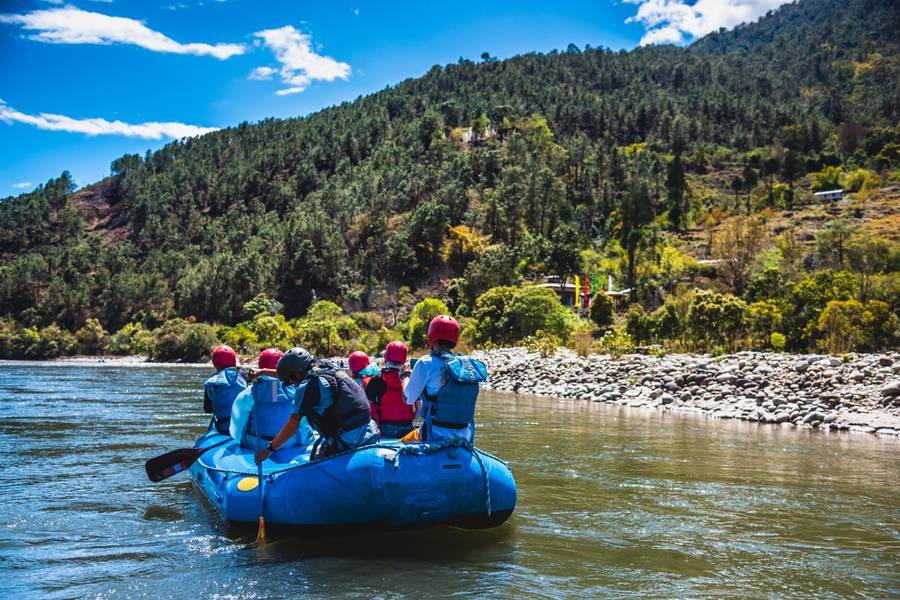
Bali has two distinct seasons — the dry season from April to October and the wet season from November to March — and both affect the rafting experience in different ways. The dry season delivers the most predictable conditions, with clear skies, moderate river levels, and rapids that sit comfortably within the advertised difficulty grades. This is the safest window for families, beginners, and anyone who wants a reliable, manageable experience.
The wet season brings heavier rainfall that swells river levels and can push rapids up a full grade. The Ayung's Class II–III sections can surge to Class IV after sustained rain, and the Telaga Waja's Grade IV stretches can become temporarily Grade V, at which point responsible operators will suspend trips until levels drop. On the positive side, wet-season rafting when conditions are suitable delivers higher water volumes, faster current, and a more dramatic ride for experienced paddlers who are comfortable with technical whitewater.
June, July, and August represent the sweet spot — peak dry season with the most consistent conditions, though also the busiest period on the rivers. Shoulder months like April, May, and September offer a good compromise: reliable conditions with slightly fewer crowds on the water and competitive pricing from operators. If you are travelling in the wet season, book flexibly and confirm river conditions with your operator 24 to 48 hours before your session.
Morning sessions throughout the year tend to experience calmer conditions than afternoon runs, as Bali's tropical weather pattern often delivers afternoon convective storms, particularly in the highlands around Ubud. Early starters also have the pick of the best guides and the quietest sections of river before tour groups from the south arrive mid-morning.
Rainy Season Rafting: What Operators Won't Always Tell You
During the wet season, river trips on both the Ayung and Telaga Waja are not automatically cancelled — operators monitor gauge readings and make decisions on the morning of each session. Most reputable companies maintain a clear cancellation and refund policy for weather-related postponements, so always confirm this in writing before you pay. Booking through a platform with transparent cancellation terms, like Traveloka, gives you a reliable fallback if conditions do not cooperate.
The jungle scenery during and after rain is genuinely spectacular, with mist rising from the canyon floor and waterfalls running at full volume. Some experienced rafters specifically seek out wet-season trips on the Telaga Waja for exactly this reason, though they do so with an experienced guide and a realistic understanding of the elevated difficulty. If the river is too high, no reputable operator will run — and that is the correct call.
Packing List for a Bali Rafting Day
Quick-drying swimwear or board shorts are the go-to choice for Bali rafting, as cotton stays wet and heavy for hours after your session ends. Secure footwear — old trainers or water shoes — is far safer than bare feet or thongs, particularly on the slippery put-in and take-out steps. Most operators provide helmets and life jackets, but always confirm in advance if you have specific sizing requirements for children or larger adults.
A waterproof bag or dry pouch for your phone, cash, and any small valuables is strongly recommended, as the splash zones on both rivers are significant. Sun protection matters too: apply a water-resistant sunscreen before you arrive at the staging area, as there is limited shade in some sections of the Ayung gorge. A change of dry clothes kept in the vehicle or locker at the take-out point makes the post-session lunch infinitely more comfortable.
Practical Tips Before You Paddle
Booking in advance is strongly recommended during Bali's peak season between June and September, when popular time slots on the Ayung and Telaga Waja fill days or even weeks ahead. Walk-in bookings are sometimes available in the shoulder months, but you risk missing your preferred session or being placed with a very large group. Online pre-booking also typically locks in better rates than on-the-day pricing at the staging area.
Most Bali rafting operators set a minimum age of five to seven years for the Ayung and a minimum age of around twelve years for the more demanding Telaga Waja. Weight and height restrictions are also common — guides will confirm these at the time of booking. Pregnant travellers, those with back or neck injuries, and individuals with heart conditions are generally advised not to participate, and reputable operators will include this information clearly in the activity description.
Travel insurance that covers adventure activities is worth taking seriously before you book any rafting tour in Bali. Standard travel policies often exclude whitewater activities above a certain grade, so check your policy document carefully and upgrade coverage if necessary before departure. If you have not yet arranged cover, Traveloka's travel insurance options are accessible directly through the app alongside your other booking components.
Getting to and from the rafting staging areas is straightforward from most parts of Bali, though the Telaga Waja journey from Seminyak or Kuta takes the better part of two hours each way. Many travellers book an airport transfer that drops them at their hotel the night before, then arrange a private driver or car rental for the rafting day. Having your own vehicle gives you total flexibility on timing and removes the stress of coordinating shared shuttle pickups from multiple hotel locations.
Safety Standards on Bali's Rivers
Responsible rafting operators in Bali adhere to internationally recognised safety protocols, including mandatory life jacket and helmet use for all participants, pre-departure safety briefings, guide-to-raft ratios of one qualified guide per vessel, and the deployment of rescue kayakers on more demanding sections. Most quality operators carry trip insurance coverage of up to USD 50,000 per person, and their guides hold internationally recognised swift-water rescue qualifications.
When evaluating operators, ask directly about their safety record, guide certifications, equipment inspection frequency, and weather cancellation policy. A reputable company will answer these questions readily and confidently. Any operator who deflects or rushes past safety questions during the booking process is worth looking at more carefully before you commit.
Combining Rafting with Other Ubud Experiences
Ubud positions itself as Bali's creative and spiritual centre, and a rafting morning pairs naturally with an afternoon spent exploring its art markets, traditional healer villages, or the Sacred Monkey Forest Sanctuary. The rice terrace walks around Tegalalang are just 15 minutes from the Ayung staging area and make a spectacular pre-breakfast excursion before you hit the rapids. Balinese cooking classes, silversmithing workshops, and traditional dance performances round out the cultural side of an Ubud base.
The surrounding Gianyar regency also holds some of Bali's finest small restaurants, where local families have been serving babi guling — spit-roasted suckling pig — from the same recipe for generations. Finishing a rafting day with a traditional Balinese feast in a warung tucked into the rice fields is the kind of layered experience that makes Bali so persistently compelling for repeat visitors. Having comfortable hotels nearby means you can make the most of every morning without long commutes eating into your adventure time.
Plan Your Trip with Southeast Asia's #1 Travel App
Bali white water rafting deserves more than a last-minute booking. Getting your flights sorted early, locking in accommodation close to your preferred river, and pre-booking your rafting sessions through a trusted platform removes the friction from what should be a genuinely exhilarating holiday. Traveloka brings all of that together in a single place, making it easier to plan a cohesive trip rather than stitching together a dozen separate bookings across different websites.
As Southeast Asia's leading travel platform with over 100 million users, Traveloka covers every component of a Bali adventure — from your flight into Ngurah Rai International Airport through to your hotel room, your rafting tour, your eSIM data plan for keeping maps and guides accessible offline, and travel insurance that covers adventure activities. The app is designed for the way Australians actually travel: browsing on the sofa, comparing options quickly, and booking with confidence knowing that customer support is available if anything changes.
One standout feature for adventure travellers is the ability to stack bookings for the same destination across multiple categories — hotels, activities, and car rentals — and manage them all from a single itinerary screen. There are no separate reference numbers to chase across email threads, no separate cancellation policies to remember per vendor. Everything lives in one app, and Traveloka promotions regularly offer bundled discounts when you combine flights and accommodation or accommodation and activities in a single booking session.
Download the Traveloka app before your next Bali trip and use the activity search to compare current rafting tour prices, departure times, and inclusion details across both the Ayung and Telaga Waja rivers. With real-time availability, verified reviews from travellers who have paddled both rivers, and the ability to secure your booking in under two minutes, it is the most efficient way to make sure you do not miss out on Bali's best white water adventure.

Tags:
bali

Recommended Articles
6 of the best Bali swings where you can get that Insta shot

Bali vs Lombok: Where to Go in 2024?
Once-in-a-Lifetime Adventure: Places to Swim with Dolphins in Bali
A Feast for the Eyes and Taste Buds: Bali’s Underwater Restaurants
All You Need to Know About Atlas Beach Club
Hidden Gem in Bali: Things To Do in Menjangan Island


