Best Time to Visit Japan: Seasonal Travel Tips & Weather Guide


Japan is a land of breathtaking beauty, rich culture, and vibrant traditions. With its stunning landscapes, historic temples, and mouthwatering cuisine, it's no wonder that travelers from all over the world flock to this enchanting country. But when is the best time to visit Japan? The answer largely depends on what you want to experience. Each season offers its own unique charm, festivals, and weather patterns, making it essential to choose the right time for your visit. In this guide, we'll explore the different seasons in Japan, highlight key events and festivals, and provide useful tips to help you make the most of your trip.
Spring (March to May)

Spring is often considered the best time to visit Japan, especially for those who want to witness the iconic cherry blossoms. From late March to early April, parks and streets are adorned with beautiful pink blooms, creating a picturesque atmosphere. Major cities like Tokyo, Kyoto, and Osaka host hanami (flower viewing) parties, where locals and tourists gather to enjoy the scenery under the cherry trees.
The weather during spring is generally mild, with temperatures ranging from 50°F to 70°F (10°C to 21°C). It’s a great time for outdoor activities and sightseeing. Just be sure to pack a light jacket for cooler evenings. Spring also features various festivals, including the famous Takayama Spring Festival and the Hirosaki Cherry Blossom Festival, both showcasing traditional Japanese culture and festivities.
Summer (June to August)
Summer in Japan can be hot and humid, with temperatures often soaring above 85°F (30°C). However, this season is also filled with vibrant festivals and events that make it an exciting time to visit. The Gion Matsuri in Kyoto is one of the most famous summer festivals, featuring colorful floats and traditional performances throughout July.
Despite the heat, summer is a fantastic opportunity to explore Japan's beautiful countryside and enjoy outdoor activities like hiking in the Japanese Alps or visiting the beaches of Okinawa. If you’re a fan of fireworks, don't miss the spectacular hanabi (fireworks) displays that light up the night sky across the country. Just remember to stay hydrated and wear sunscreen while exploring!
Autumn (September to November)
As summer fades, autumn brings a stunning transformation to Japan’s landscapes. The foliage turns vibrant shades of red, orange, and yellow, making it an ideal time for nature lovers and photographers. The best time to see the autumn leaves often falls between mid-October and early November. Popular spots include Nikko, Arashiyama in Kyoto, and the gardens of Tokyo.
The weather in autumn is pleasantly cool, with temperatures ranging from 50°F to 70°F (10°C to 21°C). This is also the season for many traditional festivals, such as the Jidai Matsuri in Kyoto and the Takayama Autumn Festival, where you can immerse yourself in Japan’s rich cultural heritage. Autumn is a great time to indulge in seasonal delicacies like chestnuts and persimmons, making your culinary experience even more memorable.
Winter (December to February)
Winter in Japan is a magical time, especially for those who enjoy snow sports. Popular ski resorts like Niseko and Hakuba attract winter sports enthusiasts from around the globe. The weather can be cold, with temperatures often dropping below freezing, particularly in northern regions like Hokkaido. However, the crisp air and serene landscapes make for a unique experience.
Winter also brings several famous festivals, such as the Sapporo Snow Festival, where incredible ice sculptures are displayed, and the Otaru Snow Light Path Festival, which features beautiful lanterns illuminating the snowy streets. If you're looking for a cozy retreat, consider soaking in an onsen (hot spring) while surrounded by snow-covered mountains. Just remember to pack warm clothing and be prepared for chilly temperatures!
Choosing the Ideal Month
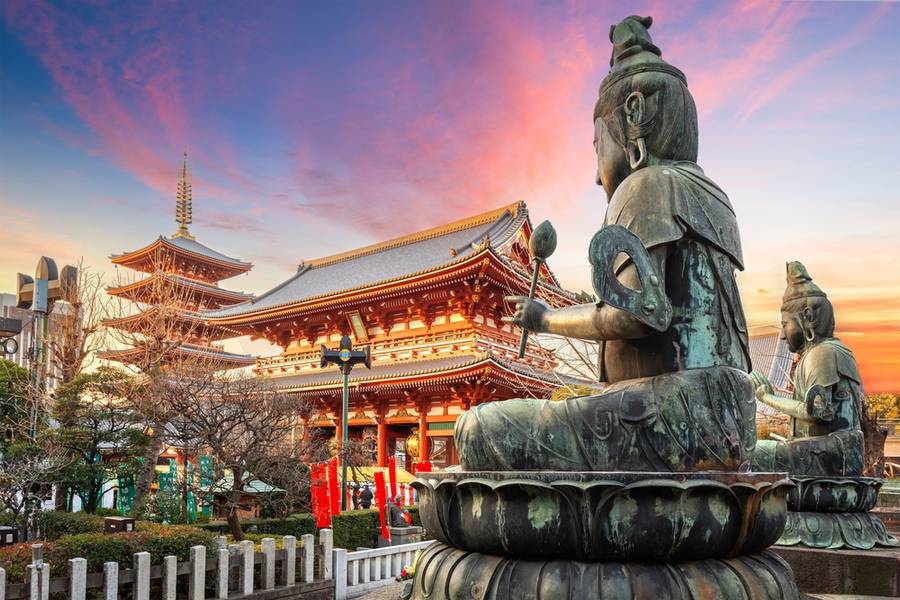
When planning your trip to Japan, consider what you want to experience. If cherry blossoms and mild weather are on your bucket list, aim for late March to early April. For summer festivals and fireworks, visit between June and August. Autumn foliage enthusiasts should plan for mid-October to early November, while winter sports lovers can enjoy the slopes from December to February.
Regardless of when you choose to visit, Japan offers a wealth of experiences that cater to every type of traveler. To make the most of your trip, be sure to book cheap flights and book hotels in advance, as popular destinations can fill up quickly during peak seasons. Don't forget to explore local attractions and activities, and you can easily find attraction tickets to make your journey even more enjoyable.
In conclusion, the best time to visit Japan ultimately depends on your preferences and interests. Each season offers something unique, from cherry blossoms in spring to vibrant autumn leaves and exhilarating winter sports. Whatever time you choose, Japan is sure to leave you with unforgettable memories.
At Traveloka, we are dedicated to making your travel experience seamless and enjoyable. As Southeast Asia's leading travel platform, we empower you to explore, book, and enjoy a wide range of travel products, including flights, hotels, and exciting activities. With partnerships with over 250 airlines and access to millions of accommodations worldwide, we are here to be your best travel companion. Start planning your adventure to Japan today!
In This Article
Recommended Articles

Ring in the New Year in Style: 7 Best Luxury NYE Getaways

Where to Honeymoon in 2026: 6 Best Luxury Destinations for Couples

7 best theme parks in Australia with epic rides

2026 Toyota AFL Grand Final: The Complete Melbourne Guide for Visitors

TCS Sydney Marathon 2026: The Complete Guide for Runners

Malaysia Digital Arrival Card, All Important Things You Need to Know!