Indonesian Culture & Etiquette: Traveler's Guide


Indonesia is a patchwork of islands, languages, and traditions that makes travel here endlessly rewarding. Understanding Indonesian culture before you go helps you connect more deeply with locals, avoid awkward moments, and enjoy richer experiences whether you are traveling solo, with family, or in a group.
This guide covers practical etiquette, everyday customs, and simple do's and don'ts to keep in mind. Think of it as your friendly primer on Indonesia traditions and polite behavior so you can focus on exploring temples, beaches, markets, and food with confidence. If you are still planning your trip, a quick search for Cheap flights can help you lock in your travel dates.
Greetings and Personal Space
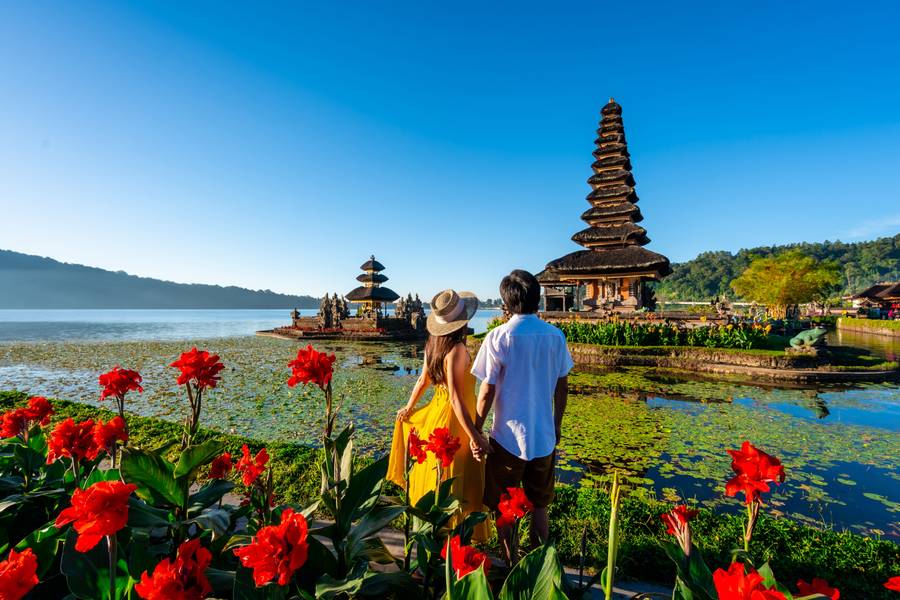
Handshakes are common in city settings, but a more traditional greeting is a slight nod or a polite smile. When in rural areas or visiting older people, you may see the gesture of placing the palms together at chest level while bowing slightly. If someone offers their hand, follow their lead. Groomed modesty is appreciated, so avoid overly physical gestures in public.
Respect for Elders and Hierarchy
Respecting elders and social hierarchy is important in many communities. Address older people with polite language and avoid interrupting. In family settings, decisions may be led by the eldest member. When sitting in a traditional home or a meeting, wait for the host to indicate seating choices. Showing deference goes a long way toward warm interactions.
Religion and Sacred Spaces
Indonesia is predominantly Muslim, but it is home to many religions including Hinduism, Buddhism, and Christianity. Places of worship are central to daily life. Dress modestly and remove shoes when entering mosques, temples, and some private homes. Avoid visiting during prayer times unless you are invited. In Bali, where Hindu customs are strong, you may also be expected to wear a sash and sarong at temple ceremonies.
Dress Code and Modesty
There is no single dress code for all of Indonesia, but modest clothing is a safe choice in public areas outside tourist beaches. For women, covering shoulders and knees is advisable in conservative regions. Men should avoid going shirtless in towns. At resorts and beaches it is fine to wear swimwear, but bring a cover-up when you leave the beach area.
Dining Etiquette
Indonesian food is communal and meant to be shared. If invited to eat in a local home, wait for the host to indicate where to sit and when to start. Using your right hand for eating and passing food is customary in many places. If you use utensils, it is fine, but keep in mind that direct hand-to-food contact may be common in more traditional settings. Complimenting the meal and accepting offers of seconds are appreciated signs of gratitude.
Language and Communication
Bahasa Indonesia is the national language and a few polite words go a long way. Learn simple phrases like terima kasih for thank you, selamat pagi for good morning, and maaf for sorry or excuse me. Keep your tone friendly and soft. Loud or aggressive speech can be seen as rude. Nonverbal cues matter as well. Smiling and a relaxed posture will help you connect.
Gift Giving and Hospitality
Indonesians are known for generous hospitality. If you are invited to someone’s home, bringing a small gift such as cake, fruit, or a souvenir from your hometown is appreciated. Gifts are often given and received with both hands. If you are offered something, accept it graciously even if you only take a small amount. It is polite to refuse once or twice before accepting, as this modest ritual is common in many situations.
Public Behavior and Social Norms
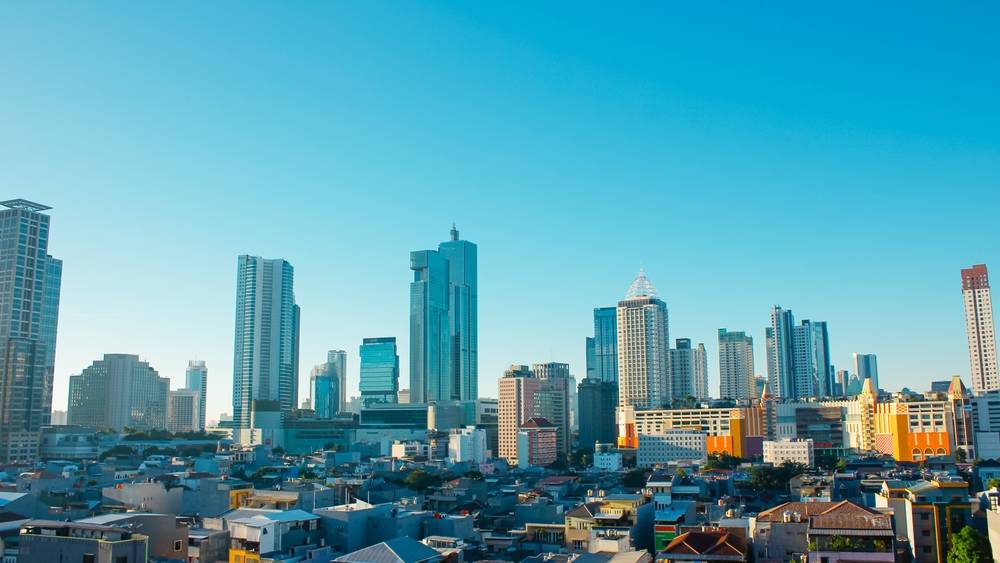
Public displays of affection are best kept discreet, especially in conservative areas. Swearing or public arguments can cause loss of face for everyone involved, so aim to stay calm and composed. Littering is frowned upon and local communities appreciate visitors who show environmental respect. When photographing people, ask permission first, especially for portraits of local elders, religious practitioners, or during sacred ceremonies.
Traditional Arts, Festivals, and Ceremonies
Indonesia traditions shine in music, dance, and seasonal festivals. From Batik textile workshops to wayang puppet shows and temple ceremonies in Bali, cultural performances are everywhere. Attend a local festival if you can, but follow dress codes and the instructions of event organizers. Be ready to be an observer rather than a participant unless invited, and remember that many rituals have deep spiritual meaning.
Money, Bargaining, and Market Manners
Street markets are fun places to practice friendly bargaining. Start with a smile, offer a reasonable counter price, and enjoy the dance of negotiation. Keep coins handy for small purchases and tipping is not always expected but appreciated for excellent service. In regulated environments like official taxi counters or hotels, accept posted prices and use a meter where available.
Practical Tips for Travelers
Staying flexible and curious will improve your experience in Indonesia. Carry a small notebook or your phone with a translation app to bridge language gaps. Download maps and local ride-hailing apps for easier navigation. For accommodations and planning, it is helpful to compare options and secure stays in advance. You can easily book hotels across cities and islands to match your travel style and budget. For local experiences, consider booking guided tours or cultural activities and reserve your attraction tickets ahead of time to avoid sold-out situations during busy seasons.
Final Thoughts on Embracing Indonesian Culture
Traveling in Indonesia rewards those who come with respect, curiosity, and a willingness to learn. Small gestures of politeness and a little preparation can open doors to meaningful encounters, homestays, and unforgettable cultural moments. Whether you are exploring Bali temples, Sumatra jungles, or Java markets, appreciating local etiquette adds depth to your journey.
Traveloka: Your Companion for Cultural Adventures
Planning a trip that lets you experience Indonesian culture is easier when you have the right tools. Traveloka helps you find flights, comfortable stays, and curated activities so you can focus on the people and places you want to meet. Use the platform to compare options for travel, accommodations, and local experiences all in one place. With practical booking options and a broad selection of services across the region, Traveloka can be the reliable partner that helps you make cultural discoveries with confidence.
Table of Content


Recommended Articles

Complete Guide to the F1 Hungarian Grand Prix

Getting Around Gold Coast: Tram, Bus, Train, and SkyBus Guide

Imlek 2026: Best Places to Celebrate Chinese New Year in Southeast Asia

2-Week Central Japan Itinerary: Tokyo, Kyoto, Osaka and Beyond

10 Exciting Things to Do in Guangzhou with Kids

Cebu Tourist Spots Itinerary: A Complete Guide to the Queen City and Beyond