Ultimate Japan Travel Guide for US Visitors: Transportation, Safety & Culture Tips


Japan is one of those countries that hooks you from the moment you step off the plane. Whether you’re chasing neon-lit nights in Tokyo, peaceful temples in Kyoto, or the food scene in Osaka, this guide covers practical Japan travel tips that make your trip smooth, safe, and culturally respectful. It’s written for solo travelers, families, and groups who want simple, reliable advice without the fluff.
Below you’ll find straightforward sections on getting around, staying safe, understanding local customs, and planning an itinerary that fits your style. Consider this your go-to Japan guide for practical decisions and smart travel choices.
Planning Your Japan Itinerary
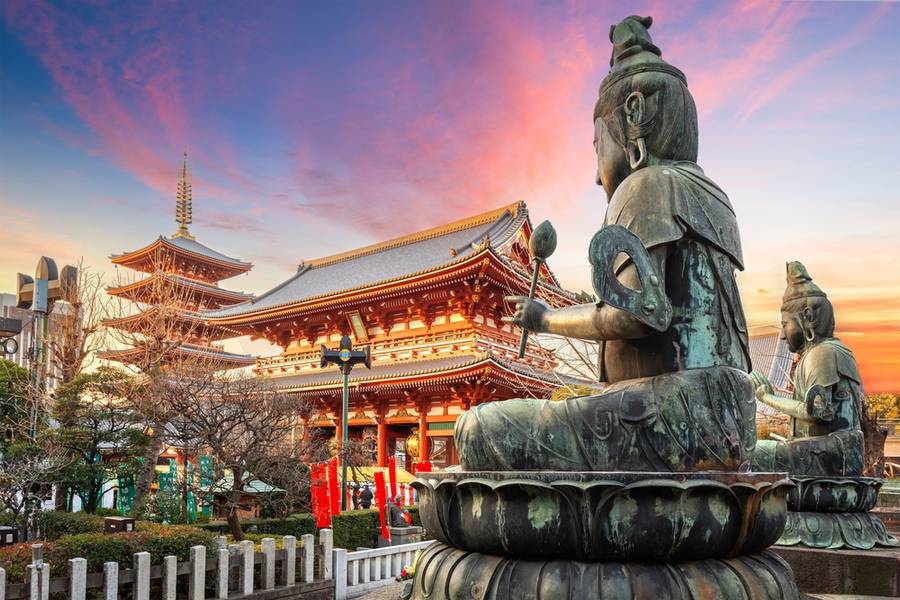
Start with how much time you have. For a first-timer, a 7-10 day Japan itinerary that includes Tokyo, Kyoto, and one other region like Osaka or Hakone gives a great balance of city life, culture, and nature. If you have less time, focus on one region to reduce transit stress. Think about travel pace: families or slower travelers might prefer fewer city changes and longer stays in each place.
Picking Flights and Airports
Major US gateways fly into Tokyo’s Narita and Haneda, Osaka’s Kansai, and sometimes Nagoya. Haneda is closest to central Tokyo and usually faster for arriving in the city. If budget is a priority, look for deals on Cheap flights, and be flexible with dates. Keep layovers reasonable, and remember that long airport waits are easier to handle with a simple cache of snacks and a portable charger.
Trains, Local Transit, and the Shinkansen
Japan’s public transport is famously punctual. Trains and subways are the primary way locals move around. For long distances, the Shinkansen (bullet train) is fast and reliable. Consider regional rail passes if you’ll be covering long distances, but compare costs first; sometimes individual tickets with reserved seats are more affordable for shorter trips. In cities, get an IC card (Suica or Pasmo) for convenience. It works on trains, buses, and often in convenience stores.
Airport Transfers and Car Rentals
Airport trains and buses are efficient for most travelers. If you’re in a group or have lots of luggage, booking a private transfer or a rental car can be worth it, especially in rural areas. Keep in mind that driving in Japan requires an international driving permit for most US drivers, and navigation is easier with GPS that supports English.
Money and Paying Like a Local
Japan is still a cash-forward society in many places. Carry yen for smaller shops, markets, and rural spots. Major cities accept cards widely, and convenience stores let you withdraw cash from partnered ATMs. Notify your bank before travel to avoid declined charges. Tipping is not customary and can even cause confusion, so skip the tip and instead express thanks verbally or with a small gift if appropriate.
Where to Stay and Booking Tips
Accommodation options range from business hotels and traditional ryokan to apartments and hostels. Families may prefer larger hotel rooms or apartments for extra space, while solo travelers often enjoy capsule hotels for the novelty and convenience. For a stress-free search and easy comparisons, consider using a travel booking platform to book hotels that fit your budget and location needs.
Connectivity and Staying Online
Rent a pocket Wi-Fi or buy a local SIM card at the airport. Both options work well, but pocket Wi-Fi is ideal for groups who want a shared connection. Having reliable maps and translation apps will help you navigate stations, menus, and street names. Download offline maps and a translation app before you go, just in case.
Food, Dietary Needs, and Ordering Basics
Japan’s food scene is diverse, from street-side ramen to refined kaiseki dinners. If you have dietary restrictions, learn a few simple Japanese phrases or carry a translated dietary card to show chefs. Convenience stores offer surprisingly good and affordable meal options for families and solo travelers on the go. Try local specialties region by region for a memorable culinary itinerary.
Culture and Etiquette Essentials
Respect is central in Japanese culture. Simple habits like removing shoes where required, speaking quietly on public transit, and waiting in orderly lines go a long way. When visiting temples or shrines, be mindful of rituals—bowing, cleansing hands, and dressing modestly. Politeness matters more than perfection, so when in doubt, follow local behavior and smile.
Safety Tips and Health
Japan is one of the safest countries in the world, but stay cautious with usual travel safety habits: keep valuables secure, watch your belongings in crowded places, and plan for emergency contacts. Pharmacies are well-stocked, but bringing a small first aid kit and any prescription medicines is smart. If you need medical care, English-speaking services are more common in big cities than rural areas.
Seasonal Considerations and Packing
Seasons in Japan are distinct. Cherry blossom season in spring is gorgeous but busy. Summer can be hot and humid, while autumn brings colorful foliage. Winters are cold in the north with great skiing, but milder in southern cities. Pack layers and comfortable walking shoes. If you plan to visit onsens (hot springs), be aware of bathing etiquette—tattoos may be restricted in some places, so check policies in advance.
Activities and Pre-Booking Tickets

Popular attractions can sell out, especially in peak seasons. Booking ahead for things like theme parks, guided tours, or cultural experiences saves time and reduces stress. For convenience, you can secure entry with online attraction tickets that bundle transportation and tours for smoother planning. This is helpful for families and groups who prefer set schedules.
Accessibility and Traveling with Kids
Japan is quite accessible in cities, with elevators in major stations and clean public facilities. When traveling with children, look for family rooms in museums and baby-changing stations in department stores. Train etiquette means keeping noise low, but stations usually have helpful staff and clear signage to make transfers easier.
Final Checklist Before You Go
Confirm passport validity and visa rules, make copies of important documents, and have a rough daily plan rather than a minute-by-minute schedule. Allow time for spontaneous discoveries—the best travel memories often come from unexpected moments.
Why Traveloka Makes Your Japan Trip Easier
Traveloka helps take the logistics off your plate so you can focus on enjoying Japan. The platform brings together flight and hotel options, local activities, and ground transport in one place, making it easy to compare choices and lock in bookings. Whether you want to hunt for cheap fares, quickly book hotels that fit your family’s needs, or reserve attraction tickets in advance, Traveloka’s broad network and user-friendly tools can simplify trip planning and save time—especially handy when you’re mapping out a focused Japan itinerary.
In This Article


Top Picks for Activities from Travelers

Tour Hokkaido: Noboribetsu, Lake Toya and Otaru Full-Day Tour - 1 Day
Hokkaido Half-Day Private Charter Car Tour: Biei & Furano Full Course, Asahiyama Zoo, and Hill Tour

Tokyo Private Day Tour: Mt. Fuji, Hakone, Kamakura & Downtown Tokyo | Japan
Mount Fuji and Hakone Tour
Recommended Articles

Visa Requirements for Japan

Japan 7 Days Itinerary: Tokyo & Kyoto Highlights

Japan 10 days itinerary: Tokyo, Kyoto, Osaka & Nara

Japan 14 Days Itinerary: Full Cultural & Food Journey

Tokyo 3 Days Itinerary: Shrines, Sushi & Nightlife

Tokyo 5 Days Itinerary: Day Trips & Hidden Neighborhoods