


How to Travel Malaysia on a Budget Without Cutting Corners


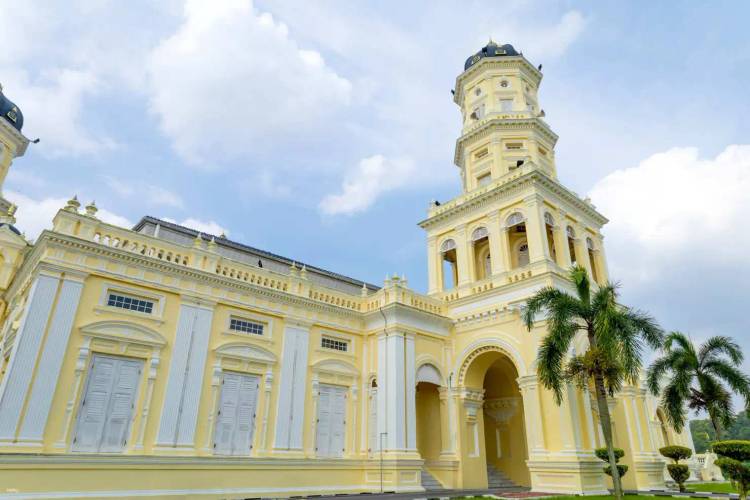
Malaysia on a budget doesn't mean skipping the good parts of the trip, since cheap public transport, affordable street food, and reasonably priced attractions make it one of the easier Southeast Asian destinations to stretch a travel fund. Kuala Lumpur can be covered comfortably on a modest daily budget once accommodation, food, and transport are planned around a few consistent habits. Malaysia's low-cost carriers keep flights into Kuala Lumpur competitive outside school holiday periods, making the flight itself one of the easiest costs to control.
Discover Flights With Traveloka
Thu, 22 Oct 2026

AirAsia Berhad (Malaysia)
Bali / Denpasar (DPS) to Kuala Lumpur (KUL)
Start from USD 90.31
Mon, 5 Oct 2026

AirAsia Indonesia
Jakarta (CGK) to Kuala Lumpur (KUL)
Start from USD 45.17
Sat, 24 Oct 2026

Aero Dili
Dili (DIL) to Kuala Lumpur (KUL)
Start from USD 201.90
1. Book Flights During Shoulder Season
Malaysia's peak travel months fall around major holidays like Chinese New Year, Hari Raya, and the year-end school break, when both flights and hotel rooms climb noticeably in price. Flying in during March-April or September-October instead avoids these spikes while still landing in generally dry, warm weather across Kuala Lumpur and Penang. Midweek departures also tend to run cheaper than weekend flights on most low-cost routes into the country. Setting a fare alert a few weeks ahead of a planned trip catches promotional pricing before seats in the cheapest fare bucket sell out.
2. Choose a Budget-Friendly Neighbourhood to Stay In
Where a trip is based matters as much as the nightly rate, since a cheaper room far from the action can cost more in transport than a slightly pricier one within walking distance of transit.
Chinatown and Petaling Street
This area sits within walking distance of the LRT and Pasar Seni MRT stations, putting budget guesthouses close to some of the cheapest street food in the city, typically undercutting Bukit Bintang rates while staying minutes from major sights on foot.
Bukit Bintang's Budget Tier
Bukit Bintang has a reputation for upscale hotels, but it also holds budget-tier stays tucked among the malls and monorail access, good for travellers wanting nightlife and shopping close by without premium rates.
Brickfields
Home to KL Sentral, Brickfields suits travellers prioritising transport convenience, connecting directly to the airport express rail, LRT, and monorail lines and cutting down on taxi spend on arrival and departure days.
3. Get Around on Public Transport Instead of Taxis
Kuala Lumpur's LRT, MRT, and monorail network covers most tourist areas at fares that rarely climb above a few ringgit per trip, dramatically cheaper than relying on taxis or ride-hailing apps for every journey. A rechargeable transit card works across all three rail lines plus most city buses, removing the need to queue for single-journey tickets. Reserving ride-hailing apps for late-night trips or luggage-heavy transfers, while defaulting to rail by day, keeps transport to a small fraction of most travellers' daily spend.
4. Eat Where Locals Eat
Food is one of the easiest places to save in Malaysia without sacrificing quality, since some of the best meals cost a fraction of restaurant prices.
Hawker Centres and Food Courts
A plate of nasi lemak or a bowl of noodle soup at a hawker centre typically costs a few ringgit, with portions generous enough to skip a separate snack. Areas like Jalan Alor and food courts inside older shopping centres offer the widest variety at the lowest prices.
Mamak Stalls
Open around the clock, mamak stalls serve roti canai, fried noodles, and pulled tea for prices that undercut any sit-down restaurant, a reliable option whether it's breakfast or a 2am craving.
5. Pick Attractions That Deliver Value for the Price
Not every paid attraction in Kuala Lumpur is worth the ticket, but a handful consistently earn their place on a budget itinerary through a strong ratio of experience to cost.
Petronas Twin Towers
The observation deck ticket costs more than most attractions on this list, but it remains one of the most-booked experiences in the city for the view alone, and booking online ahead of time avoids both a price bump and a sold-out day.
Zoo Negara
Malaysia's national zoo prices tickets well below regional counterparts, with the Giant Panda Conservation Centre included in standard entry, making it an affordable half-day outing that still covers a major drawcard.
KL Bird Park
Billed as one of the largest free-flight walk-in aviaries anywhere, KL Bird Park charges a fraction of what similar wildlife parks cost elsewhere, and a one-way transfer bundled into some tickets removes the need for a separate taxi.
Skyline Luge
A short trip out to Sungai Buloh brings a different kind of budget thrill: a gravity-powered luge track priced per ride bundle, so a couple of rounds make for an affordable afternoon outside the city centre.
6. Fill the Itinerary with Free and Low-Cost Sights
Some of Kuala Lumpur's most photographed spots cost nothing to visit.
Merdeka Square
This colonial-era square, ringed by heritage buildings including the Sultan Abdul Samad Building, costs nothing to walk through and anchors most self-guided heritage routes through the old city centre.
Thean Hou Temple
One of Southeast Asia's largest Chinese temples sits free to enter on a hilltop overlooking the city, with six tiers of architecture and a garden that makes for an easy, unhurried stop.
KLCC Park and Central Market
The park beneath the Petronas Towers offers a free vantage point for photos without an observation deck ticket, while Central Market's covered stalls make for a low-pressure browse through local crafts.
7. Take a Day Trip Without a Big Add-On Cost
Cameron Highlands makes a rewarding day trip from Kuala Lumpur, trading the city's heat for cooler highland air, tea plantations, and strawberry farms, and a shared day-tour ticket keeps the cost well below a private driver. Travellers wanting flexibility over the route can look at a car rental instead, splitting the cost across a group to bring the per-person price close to the shared-tour rate.
Plan Your Trip with Southeast Asia's #1 Travel App
Traveloka is Southeast Asia's leading travel platform, trusted by over 100 million users, including budget-conscious travellers piecing together a Malaysia itinerary. The Traveloka app brings flights, hotels, and activities into a single place to compare, so a full Kuala Lumpur trip can be priced out and booked without juggling separate sites. Traveloka promotions run often enough to be worth checking before locking in dates, and arranging an airport transfer ahead of arrival avoids an inflated taxi fare straight off the plane.
In This Article
Explore the Best of Malaysia
Kuala Lumpur
Johor Bahru
Kota Kinabalu

Penang
Recommended Articles

7 Romantic Dining Restaurants in Penang for Couples
10 Best Family-Friendly Activities in Penang, Malaysia
LEGOLAND Malaysia Guide: Tickets, Rides, and What to Know
Top Places to Visit in Malaysia in 2026
LEGOLAND Malaysia: A Complete Guide for 2026
7 Best Hotels with a View in Melaka, Malaysia


