Thai Culture & Etiquette Guide: What Travelers Should Know


Traveling to Thailand is like stepping into a vibrant tapestry of culture, traditions, and warm hospitality. Known for its stunning landscapes and delicious cuisine, this Southeast Asian gem is also rich in history and customs that shape the daily lives of its people. Understanding Thai culture is essential for any traveler looking to immerse themselves fully in this beautiful country. From the bustling streets of Bangkok to the serene beaches of Phuket, knowing the ins and outs of Thailand etiquette can enhance your experience and help you connect with locals on a deeper level. If you’re planning a trip to Thailand, there are several cultural nuances and social etiquettes to keep in mind. This guide will help you navigate the fascinating world of Thai traditions while ensuring you show respect and appreciation for the local way of life. Let’s dive into the heart of Thai culture and etiquette, so you can travel with confidence and ease.
The Importance of Respect in Thai Culture

Respect is the cornerstone of Thai culture and is deeply ingrained in everyday interactions. The Thai people have a saying, "Nam Jai," which translates to "water from the heart," symbolizing generosity and kindness. When you engage with locals, a simple smile and a polite greeting can go a long way. It's common to greet someone with a "wai," a gesture that involves pressing your palms together in a prayer-like position while bowing slightly. This act shows respect and is a beautiful reflection of the country’s culture. Another aspect of respect is understanding the significance of the royal family in Thailand. The Thai people hold their monarchy in high regard, and any disrespect towards the royal family is taken very seriously. It is best to avoid any negative comments or jokes about the monarchy, as this can offend locals and may even lead to legal repercussions.
Dress Code and Modesty
When visiting Thailand, particularly temples and sacred sites, dressing modestly is crucial. This means covering your shoulders and knees, and avoiding revealing clothing. For women, it's advisable to wear long skirts or trousers and tops with sleeves. Men should also opt for long pants and shirts with sleeves. This demonstrates respect for the local customs and shows that you appreciate the significance of these sacred spaces. If you’re planning to visit temples, be prepared to remove your shoes before entering. This is a common practice in many Asian cultures, and it reflects the importance of cleanliness in these spiritual settings. If you’re unsure about what to wear, err on the side of caution and choose conservative attire.
Dining Etiquette in Thailand
Thai cuisine is renowned for its bold flavors and diverse dishes, making it a highlight of any trip. If you’re invited to someone's home for a meal, it's customary to bring a small gift, such as fruit or dessert, as a gesture of gratitude. When dining out, you’ll typically share dishes with your companions, so don’t be shy about trying a bit of everything. Using utensils in Thailand can be a bit different from what you might be used to. While forks are commonly used to push food onto a spoon, the spoon is the primary utensil for eating. It’s considered impolite to bring food directly to your mouth with a fork. If you’re unsure about the dining etiquette, observing locals can provide valuable insights.
Communication and Language
While many Thais speak English, especially in tourist areas, learning a few basic Thai phrases can greatly enhance your interactions. Simple greetings like "Sawasdee" (hello) and "Khop khun" (thank you) can break the ice and show respect for the local culture. Thais appreciate any effort you make to speak their language, no matter how small. If you encounter a language barrier, don’t hesitate to use gestures or translation apps. The friendly nature of the Thai people often means they will go out of their way to help you, even if it requires some creativity in communication.
Transportation Etiquette
Getting around Thailand can be an adventure in itself, with various modes of transportation available, from tuk-tuks to taxis. When using public transport, it's important to be mindful of local customs. For instance, when taking a taxi, always ensure the driver uses the meter. If they refuse, it’s best to find another taxi. When riding in a tuk-tuk, negotiate the fare before starting your journey. This is a common practice and helps avoid misunderstandings later on. If you’re traveling in a group, consider booking a car rental through platforms like Traveloka to make your trip more convenient and enjoyable.
Understanding Thai Festivals and Traditions
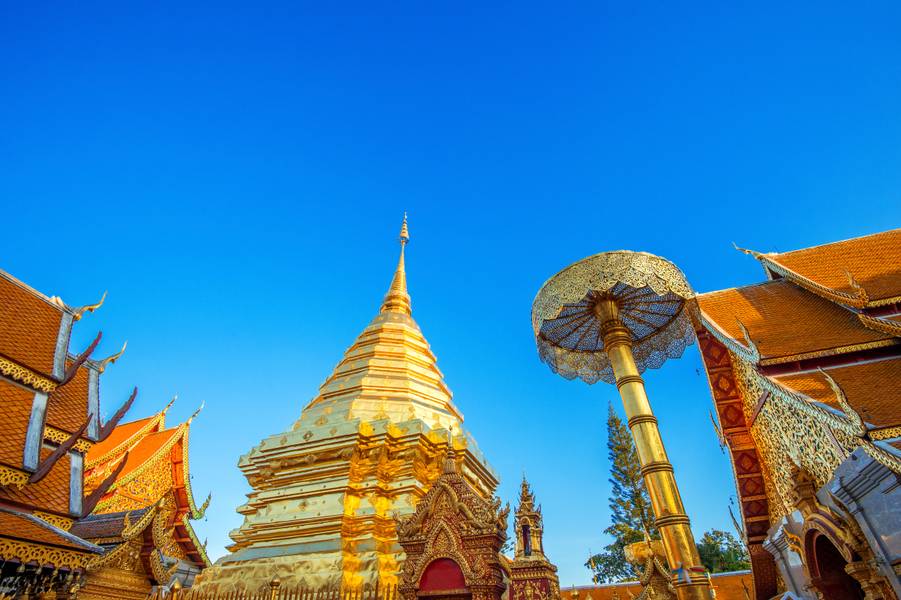
Thailand is home to numerous festivals that reflect its rich cultural heritage. One of the most famous is Songkran, the Thai New Year celebrated in April, known for its water fights and religious ceremonies. This festival is a time for family reunions and paying respect to elders, making it a beautiful opportunity to experience Thai culture firsthand. Another significant celebration is Loy Krathong, where people release floating lanterns into rivers, symbolizing the letting go of negativity and welcoming good fortune. Participating in these festivals can provide you with a deeper understanding of Thai traditions and a chance to connect with locals in a festive atmosphere.
Final Thoughts on Thai Culture
As you prepare for your adventure in Thailand, embracing the local culture and customs will undoubtedly enrich your experience. By being respectful and open-minded, you'll create memorable connections and gain a deeper appreciation for the beauty of Thai culture. Traveloka is your trusted travel companion for exploring Thailand and beyond. With a wide range of options to book cheap flights, book hotels, and discover exciting attraction tickets, you're well-equipped to embark on your journey. So pack your bags, and get ready to experience the warmth and charm of Thailand’s rich culture and traditions.
In This Article
Recommended Articles

Malaysia Digital Arrival Card, All Important Things You Need to Know!

Free Things to Do in New Zealand in 2026: Auckland and Queenstown's Best No-Cost Experiences

10 Beautiful Mosques in Singapore Worth Visiting All Year Round

Balmoral Beach Sydney: The Complete Guide to the North Shore's Best Family Beach

7 Theme Parks in Singapore: The Ultimate Guide to Universal Studios, Sentosa, and Beyond

Free Things to Do in Rome in 2026: 10 Unmissable Experiences That Cost Nothing