


7-Day Manila Itinerary: Your Complete Guide to the Philippines Capital



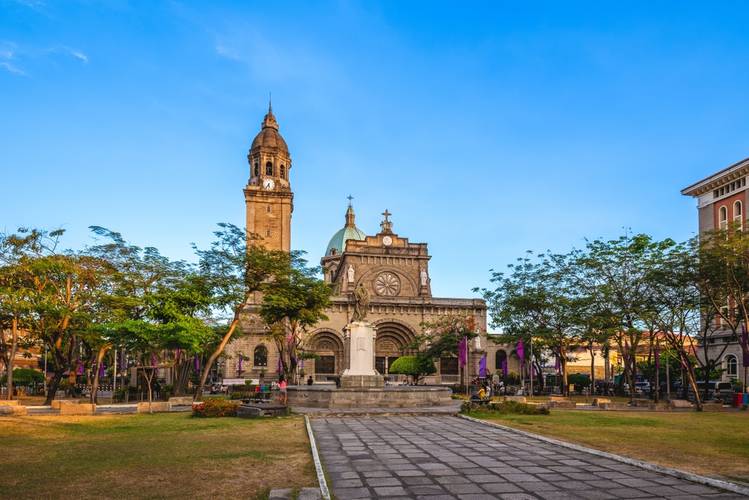
Manila is a city of extraordinary contrasts — Spanish colonial walls standing beside gleaming skyscrapers, centuries-old churches a short ride from rooftop bars, and street food stalls with flavours every bit as refined as the city's celebrated fine-dining scene. A week here is enough to scratch the surface of this endlessly layered capital, and with the right plan, you'll leave with a genuine understanding of what makes Manila one of Southeast Asia's most dynamic destinations. This itinerary takes you through the best of Manila's history, culture, cuisine, and natural surroundings, day by day.
Before you start planning the details of each day, sorting your accommodation early takes one big decision off your plate. Manila has hotels at every price point, from polished five-star properties along Manila Bay to well-located mid-range options in Malate and Ermita. Browse a curated range of hotels to suit your travel style and budget.
1. Fort Santiago and the Walled City of Intramuros
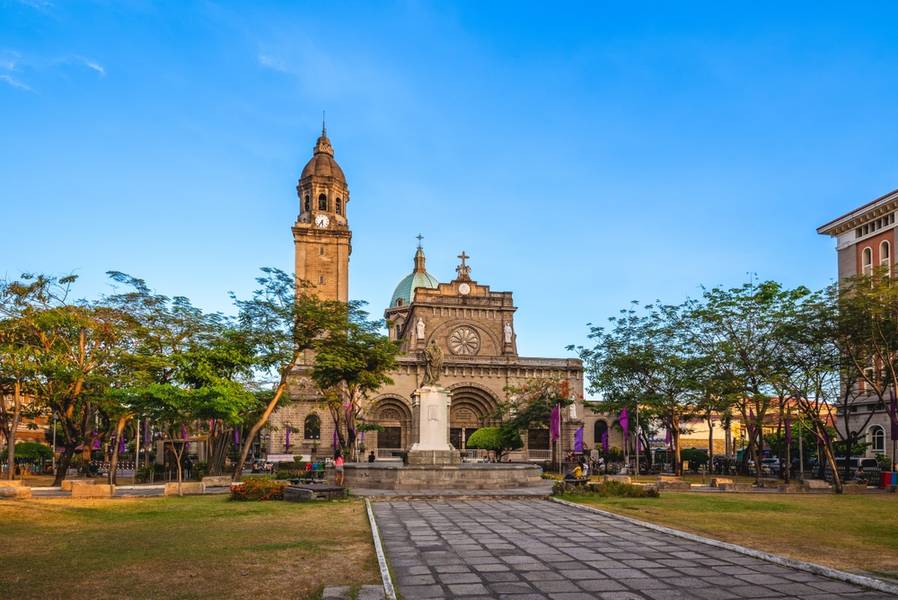
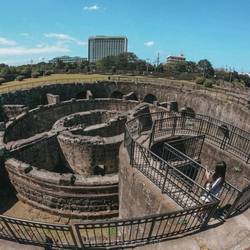
No visit to Manila is complete without a full day inside Intramuros, the 16th-century walled city built by Spanish colonisers on the southern bank of the Pasig River. The thick stone walls encircle a neighbourhood that feels suspended in time, with cobblestone lanes, baroque churches, and shaded plazas that look very much as they did four centuries ago. The sheer scale of the fortifications — some walls stretch nearly a kilometre — gives you an immediate sense of just how seriously the Spanish took their grip on the archipelago. Arriving in the morning lets you explore comfortably before the afternoon heat settles in.
Fort Santiago
Fort Santiago, at the northwestern corner of Intramuros, is the most visited single site within the walled city and a deeply significant landmark in Philippine history. The fort was originally constructed in 1571 and served as the military headquarters of the Spanish colonial government, later used as a prison and execution site during subsequent occupations. The entrance fee is 75 Philippine pesos, and the grounds are open from 8am on weekdays and 6am on weekends, closing at 8pm. Inside, you'll find the Rizal Shrine, a museum dedicated to national hero Jose Rizal who was imprisoned here before his execution in 1896 — his footsteps are literally embedded in the floor tiles leading to the site of his final hours.
San Agustin Church and Casa Manila
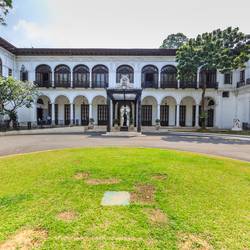
San Agustin Church, completed in 1607, is the oldest stone church in the Philippines and a UNESCO World Heritage Site, its baroque facade remarkably intact despite the destruction that levelled much of Manila during the Second World War. The interior is just as striking — high vaulted ceilings, trompe-l'oeil paintings, and massive antique chandeliers create an atmosphere of solemn grandeur. Directly across the street, the Casa Manila Museum offers a faithful recreation of a 19th-century upper-class Filipino home, complete with original period furniture, carved wooden screens, and a breezy inner courtyard. Together, these two sites take two to three hours and give a thorough sense of life in colonial-era Manila.
Manila Bay Sunset Walk
Finish your first day with a walk along the Manila Bay seawall as the sun drops toward the South China Sea. The famous sunset here turns the sky a deep palette of amber and rose, the light catching the water in a way that has made this stretch of waterfront one of the most iconic views in the Philippines. The promenade has been substantially upgraded in recent years and is now a pleasant, wide pedestrian path lined with vendors selling fresh coconuts and local snacks. Arrive around 5pm to claim a good spot and watch the light show unfold.
2. National Museums and the World's Oldest Chinatown
Manila's second day takes you through two of the city's most culturally rich precincts: the National Museum complex on Rizal Park, and Binondo, the Chinatown district that has been a hub of Chinese-Filipino life since the late 16th century. These two neighbourhoods are only a short ride apart, making it easy to pack both into a single day without feeling rushed.
The National Museum Complex
The National Museum of the Philippines occupies a trio of grand neoclassical buildings around Rizal Park and is entirely free to enter — one of Manila's best kept travel secrets. The National Museum of Fine Arts houses the most celebrated single artwork in the Philippines, Juan Luna's Spoliarium, a vast and visceral canvas depicting fallen gladiators that won the gold medal at the 1884 Madrid Fine Arts Exhibition. The National Museum of Anthropology tells the story of the Philippine people across thousands of years of settlement, trade, and cultural exchange, with artefacts ranging from Stone Age tools to ornately crafted gold jewellery recovered from pre-colonial burial sites. All three buildings are open Tuesday to Sunday from 10am to 5pm, and an easy three to four hours covers the highlights across the complex.
Binondo Chinatown
Binondo is widely regarded as the oldest Chinatown in the world, established in 1594 just across the Pasig River from Intramuros. The neighbourhood is a feast for the senses — incense drifting from narrow temple doorways, the sound of vendors calling out in Hokkien and Tagalog, storefronts piled high with dried goods, jade figurines, and traditional pastries. The food here is exceptional and extraordinarily affordable, with classic dishes like pancit (stir-fried noodles), siopao (steamed buns), and kikiam (spiced fish rolls) available from both hole-in-the-wall shops and long-established restaurants. A guided street food walking tour is the most efficient way to navigate the warren of lanes while learning the cultural history behind each dish.
3. Manila Ocean Park and Rizal Park
Day three pairs two of Manila's most popular family-friendly attractions, both located in the Ermita district right on Manila Bay. The combination works particularly well because they're a short walk from each other, meaning you can move between them without needing transport.
Manila Ocean Park
Manila Ocean Park is one of the largest marine theme parks in Southeast Asia, home to more than 14,000 sea creatures representing 277 species native to Southeast Asian waters. The centrepiece is a walk-through acrylic underwater tunnel where reef sharks, rays, and schools of brilliantly coloured fish glide overhead — a genuinely awe-inspiring experience that works just as well for adults as it does for younger visitors. The park also features a penguin exhibit, a jellyfish sanctuary, and a sea lion performance show, with combination tickets covering multiple attractions starting from around 690 Philippine pesos. Operating hours run daily from 10am to 6pm, with last admission at 5:15pm.
Rizal Park
Rizal Park, also known as Luneta Park, is Manila's largest urban green space and the symbolic heart of the Philippine nation, spanning roughly 58 hectares of manicured lawns, fountains, and tree-lined promenades along Manila Bay. At the park's centre stands the Rizal Monument, a bronze statue of national hero Jose Rizal marking the spot where he was executed by Spanish colonial authorities in 1896 — an eternal flame burns at the base and the site is permanently guarded by soldiers in formal uniform. The park is free to enter and open around the clock, though the best time to visit is the late afternoon when families gather and vendors wheel out halo-halo (a shaved-ice dessert layered with sweetened fruits, jellies, and purple yam ice cream) carts. Walking the full length of the park takes about 45 minutes at a leisurely pace.
Manila has an impressive range of experiences on offer beyond the standard tourist trail. Booking activities in advance secures your spot at the city's most popular tours and attractions.
4. Street Food, Local Markets, and Filipino Flavours
Set aside day four entirely for eating — this is Manila's greatest pleasure and its most accessible form of cultural immersion. Filipino cuisine draws on Spanish, Chinese, Malay, and American influences, filtered through centuries of local tradition, and the results are unlike anything else in the region.
Divisoria Market
Divisoria Market in the Tondo district is Manila's largest and most energetic wet-and-dry market, a sprawling network of stalls, lanes, and adjoining malls where locals have been shopping for everything from fresh produce to factory-surplus textiles for generations. Arrive early in the morning when the stalls are fully stocked and the foot traffic is manageable, and make your way to Ilaya Street where the street food concentration is highest. Classic morning options include taho (silken tofu served warm with arnibal syrup and sago pearls), banana-cue (deep-fried caramelised banana on a skewer), and freshly made pandesal (soft bread rolls) with various fillings. The market is an experience in itself regardless of whether you buy anything — the scale, colour, and intensity of it all is a genuine window into how the city feeds itself.
Filipino Street Food Classics
Beyond the market, Manila's street food culture is best explored by following the crowds to the most well-worn food stops in any given neighbourhood. Balut, a fertilised duck egg eaten warm from the shell, is the definitive Philippine street food experience and widely available from evening vendors across the city — it's an acquired taste, but trying it once is a rite of passage. Sisig, a sizzling dish of chopped pork cheeks and liver seasoned with calamansi and chilli, originated in Pampanga but has become a Manila staple, served on a scorching cast iron plate and best eaten with steamed rice. For something sweet, halo-halo stalls appear throughout the city and are at their most refreshing in Manila's afternoon heat, typically priced between 60 and 120 Philippine pesos depending on the venue.
Chinatown Food Tour
If you want a more structured culinary experience, an evening guided food tour through Binondo is one of the best ways to spend a night in Manila. These tours typically visit six to eight food stops covering everything from hand-rolled tikoy (sticky rice cake) to braised duck and freshly pressed sugarcane juice, all with local guides explaining the Chinese-Filipino history behind each dish. The tours run for approximately three hours and move through lanes that are nearly impossible to navigate without a local — the knowledge of where to go and what to order makes a significant difference to the experience.
5. Day Trip to Tagaytay and Taal Volcano
Day five calls for an early start and a drive out of the city to Tagaytay, a hillside town approximately 60 kilometres south of Manila that sits on the rim of one of the world's most photographed volcanic calderas. The journey takes around 90 minutes to two hours depending on traffic, and the payoff is one of the most dramatic natural landscapes in Southeast Asia.
Taal Volcano and Taal Lake
Taal Volcano sits on an island within Taal Lake, which itself sits within a larger ancient volcanic crater — a geological nesting doll that creates an astonishing visual when you stand on the Tagaytay ridge and look out across the lake. The view from the ridge is the main draw for most visitors: the lake below is an extraordinary shade of grey-green, the volcanic island at its centre perfectly cone-shaped and trailing wisps of sulphurous steam. Traditional wooden outrigger boats depart from the lakeshore town of Talisay for a crossing to Volcano Island, where hiking trails lead up to the crater rim — access to certain areas is subject to the current alert level set by the Philippine Institute of Volcanology and Seismology, so check the latest status before booking a boat. The boat ride itself takes around 20 minutes each way and costs approximately 300 to 500 Philippine pesos per person.
Tagaytay Town
The town of Tagaytay has developed a thriving dining scene that takes full advantage of its cooler highland climate — at roughly 700 metres above sea level, temperatures here run five to eight degrees cooler than Manila, making alfresco dining genuinely comfortable. The ridge road is lined with restaurants and cafes offering views across the lake, many specialising in the Batangas regional dish bulalo, a rich beef marrow soup slow-cooked until the broth is deeply gelatinous and golden. Fresh pili nuts and Tagaytay-grown kesong puti (white buffalo milk cheese) make for excellent snacks to bring back to Manila. Plan to return to the city before dark to avoid the worst of the evening traffic.
6. Modern Manila — Makati, BGC, and the Arts
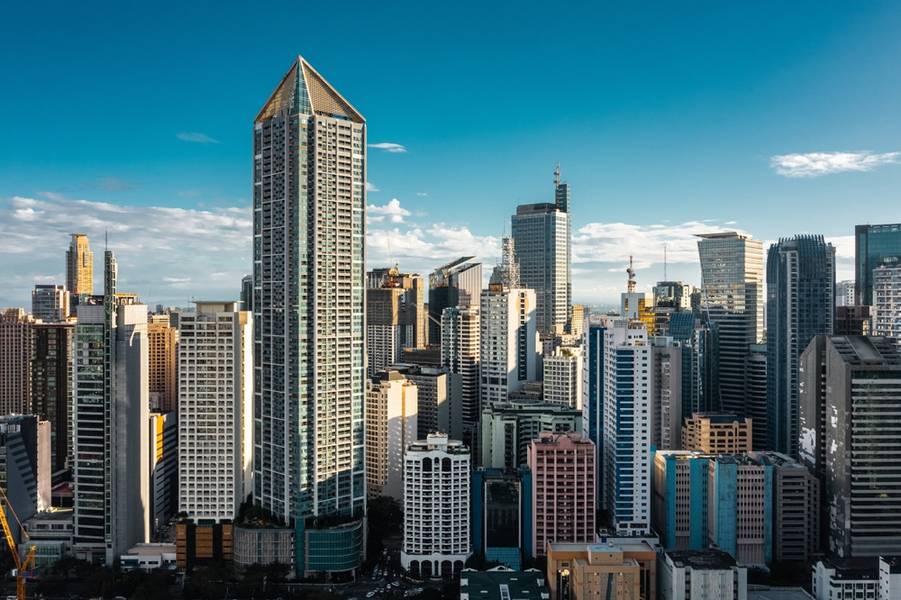
Day six shifts the focus to Manila's contemporary face: the gleaming financial districts of Makati and Bonifacio Global City, where world-class architecture, excellent dining, and a thriving visual arts scene come together in a setting that feels markedly different from the older parts of the city.
Makati Central Business District
Makati is Manila's financial and commercial heart, a grid of wide boulevards and glass towers anchored by Ayala Avenue and the lush green oasis of Ayala Triangle Gardens. The gardens sit at the intersection of three major roads and provide a genuinely peaceful respite from the city's pace — on weekend evenings, the trees are lit up with a synchronised light display that draws crowds of locals. The Makati art scene is particularly rich, with the Ayala Museum housing a significant collection of Filipino art and gold artefacts, alongside regularly rotating contemporary exhibitions. The Makati Art Walk initiative has, in recent years, embedded public artworks and digital installations throughout the CBD's pedestrian underpasses and transit hubs, turning an ordinary commute through the district into a gallery experience.
Bonifacio Global City
Bonifacio Global City, known locally as BGC, is the most pedestrian-friendly precinct in Metro Manila and one of the most visually striking, with wide tree-lined pavements, large-scale public murals, and an ever-changing roster of outdoor art installations. The neighbourhood developed on the former grounds of Fort Bonifacio and has grown into the city's most coveted dining and lifestyle address, with a concentration of restaurants earning recognition in the 2026 Michelin Guide Philippines — the country's first — including a Michelin-starred contemporary Filipino tasting menu from Gallery by Chele and multiple Bib Gourmand recipients in the surrounding blocks. The High Street outdoor retail strip and the nearby Bonifacio High Street Amphitheatre host regular markets, live music events, and cultural performances throughout the year.
Cultural Centre of the Philippines
The Cultural Centre of the Philippines, a brutalist masterpiece on Roxas Boulevard completed in 1969, is the country's principal performing arts venue and home to the Philippine Philharmonic Orchestra, the Ballet Philippines, and the Philippine Opera Company. The building is worth visiting for the architecture alone — the elevated concrete structure rises dramatically from reclaimed land along Manila Bay, with an interior featuring sweeping staircases and expansive foyer spaces hung with significant works from Philippine modern art. Check the CCP's schedule before your visit, as an evening performance here — whether a ballet, a theatrical production, or an orchestral concert — is one of the most memorable ways to spend a night in Manila.
7. Shopping, Relaxation, and Farewell to Manila
Reserve the final day for a gentler pace — shopping for gifts and keepsakes, unhurried meals at the restaurants you didn't get to earlier in the week, and a last look at the parts of the city that stayed with you most.
Greenbelt and Glorietta
Greenbelt in Makati is one of the most distinctive shopping precincts in Asia — an outdoor-indoor hybrid complex where retail pavilions are connected by elevated walkways over lush tropical gardens, with a Catholic chapel at its centre. The mix of tenants ranges from international luxury brands to Filipino designer boutiques, and the food and beverage options span everything from quick merienda (afternoon snacks) at casual cafes to multi-course dinners at some of the city's most acclaimed restaurants. Adjacent to Greenbelt, Glorietta is a more conventional but equally well-stocked mall, useful for picking up the practical souvenir essentials — locally made handicrafts, woven banig mats, native chocolate from Davao, and bottled patis (fish sauce) to bring home. Allow a full morning here and return to your hotel for a midday break before heading to the airport.
What to Buy in Manila
Filipino craft and food products make the most meaningful souvenirs from a Manila trip, with several items available nowhere else in quite the same form. Handwoven textiles including piña fabric (made from pineapple leaf fibres) and jusi silk can be found at specialist shops in Makati and Intramuros, as can handcrafted silver and shell jewellery. For food, the best choices are tablea (pure cacao tablets for making traditional hot chocolate), vinegars from Ilocos, and premium dried mangoes from Cebu — widely available in airport duty-free, but often significantly cheaper in the city's supermarkets and delis. Barong Tagalog, the formal embroidered shirt that is the Philippines' national garment, can be bought off the rack at department stores or made to measure within a day at several tailors in Makati.
Getting to Manila from Australia has become more accessible than ever, with multiple routes connecting major Australian cities to Ninoy Aquino International Airport. Search for flights to Manila and compare fares to find the best option for your travel dates.
Discover Flights With Traveloka
Sat, 10 Oct 2026

HK Express
Hong Kong (HKG) to Manila (MNL)
Start from USD 92.19
Wed, 28 Oct 2026

Philippine Airlines
General Santos (GES) to Manila (MNL)
Start from USD 44.82
Wed, 7 Oct 2026

AirAsia Philippines
Macau (MFM) to Manila (MNL)
Start from USD 64.06
Plan Your Trip with Southeast Asia's #1 Travel App
Traveloka is Southeast Asia's leading travel platform, trusted by over 100 million users across the region to book flights, hotels, and experiences with confidence. For a trip to Manila, the Traveloka app puts everything you need in one place — from comparing flights across multiple airlines to browsing hundreds of hotels in Manila, Makati, and BGC at every price point.
Beyond the basics, Traveloka makes it easy to book activities and tours directly from the app, so your Intramuros walking tour, Chinatown food experience, and Tagaytay day trip are all confirmed before you land. Travelling around the city is straightforward with airport transfer options that get you from Ninoy Aquino International Airport to your hotel without the stress of negotiating fares on arrival, while car rental is available for day trips to Tagaytay and beyond. Traveloka also offers travel insurance and eSIM plans for the Philippines, meaning you can sort your data connectivity and coverage in the same session as your hotel booking.
A specific USP that sets Traveloka apart for Australian travellers heading to Manila is the ability to track Traveloka promotions in real time — the app surfaces deals and flash sales across flights, hotels, and activities as they go live, which can make a meaningful difference to the overall cost of a week-long trip. Download the Traveloka app before you book your Manila itinerary and you'll have the full power of the platform in your pocket from the moment you start planning to the moment you return home.
Tags:
manila
philippines
Recommended Articles
7 Fun Outdoor Activities in Metro Manila for Your Itinerary Vacation
A 3-Day-2-Night Adventure at Manila!
Discover the Top Attractions: Best Places to Visit in Manila

Thrills and Adventures: Exploring the Exciting Theme Parks of Manila
5 Best Budget Stays Near Manila Airport: Hostels and Condotels Within 2.5 km of NAIA
Best Itinerary for Bonifacio Global City: Highlights and Helpful Tips


