


Manila by Day and Night: The Ultimate 2026 Activities Guide


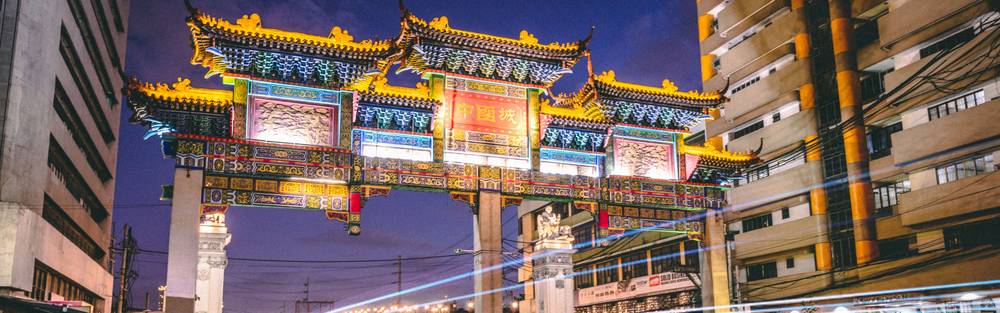
Manila is a city that never switches off. From centuries-old stone fortresses and world-class museums in the morning to glittering rooftop bars and bustling night markets after dark, the Philippine capital rewards curious travellers at every hour. Whether you are spending a single long weekend or stretching your stay across a week, this guide walks you through the best day and night activities Manila has to offer in 2026 — all verified open and worth your time.
Book your flights to Ninoy Aquino International Airport well in advance, especially during the dry season between November and May when demand peaks. Once you land, arrange your airport transfer ahead of time to avoid the chaos of the arrivals hall and get straight to exploring.
Discover Flights With Traveloka
Sat, 3 Oct 2026

Cebu Pacific
Tokyo (NRT) to Manila (MNL)
Start from 26,591円
Thu, 1 Oct 2026

Jetstar Japan
Osaka (KIX) to Manila (MNL)
Start from 17,340円
Thu, 15 Oct 2026

Philippine Airlines
Tokyo (HND) to Manila (MNL)
Start from 33,585円
Day Activities in Manila
Manila's daytime offerings are anchored by its extraordinary concentration of history, culture, and art — most of it free or very affordable to visit. The colonial walled city of Intramuros should anchor your first morning, with the modern art and culinary districts filling the afternoon.
Historic Intramuros
1. Fort Santiago
Built in the sixteenth century at the mouth of the Pasig River, Fort Santiago is the most iconic landmark inside the walled city of Intramuros. The fort served as the headquarters of Spanish colonial power and, centuries later, as the site of national hero José Rizal's final imprisonment before his 1896 execution. Visitors can walk the Rizal Shrine within the fort, where bronze footprints trace his last steps to the execution grounds at Rizal Park. The ruins of the main gate — framed by massive stone walls and a dry moat — remain one of the most photographed scenes in all of Metro Manila. Fort Santiago is open daily, with early morning entry available on weekends from 6 AM.
2. San Agustin Church
A short walk from Fort Santiago stands San Agustin Church, completed in 1607 and recognised as a UNESCO World Heritage Site. It is the oldest stone church in the Philippines, its thick Baroque facade having survived earthquakes, fires, and wartime bombing that levelled most of the surrounding district. The interior is breathtaking: trompe-l'oeil frescoes on the nave ceiling, carved wooden choir stalls, and floor tombs of Spanish governors-general. The adjoining museum houses an outstanding collection of religious art, vestments, and colonial-era artefacts. Entry to the church itself is free; the museum charges a modest admission fee.
3. Rizal Park
Stretching along the southern edge of Intramuros, Rizal Park — also known as Luneta — is the civic heart of the Philippine nation. The park's centrepiece is the Rizal Monument, a permanent armed guard of honour standing watch over the bronze figure of the national hero. Beyond the monument, the grounds contain Chinese and Japanese garden pavilions, a lagoon, orchidarium, and open-air concert stage. Sunday mornings bring out joggers, families, and vendors selling balut and fresh coconut water. The park is free to enter and accessible any day of the week.
4. National Museum of Fine Arts
Housed in what was once the old Legislative Building directly facing Rizal Park, the National Museum of Fine Arts is the premier gallery for Philippine visual culture. The museum's undisputed centrepiece is Juan Luna's monumental 1884 canvas Spoliarium, which occupies an entire wall of the grand rotunda and consistently draws visitors to a standstill. Galleries across multiple floors trace Philippine painting and sculpture from the Spanish colonial period through contemporary practice. Admission is free, and the building itself — with its neoclassical columns and restored mosaic floors — is worth the visit on its own.
Art and Culture Beyond the Walls
5. Binondo Chinatown Food Crawl
Binondo, established in 1594, is widely regarded as the world's oldest Chinatown, predating every other such district in Southeast Asia. It sits just across the Jones Bridge from Intramuros, making it a natural afternoon stop after a heritage morning. The neighbourhood's real draw is its food: pancit noodles stir-fried in giant woks, freshly baked hopia bean-paste pastries, lechon de leche served by the slab, and steaming bowls of goto rice porridge at lunch counters that have been in the same family for generations. Walking Ongpin Street and cutting through the narrow side alleys is the best way to discover the neighbourhood at your own pace, though guided food-tour experiences are also bookable through activities platforms for those who want a curated introduction.
6. BGC Arts District
Bonifacio Global City, or BGC, in Taguig has evolved into one of Metro Manila's most vibrant open-air arts destinations, its streets and alleyways hosting dozens of large-scale murals commissioned from Filipino and international artists. A self-guided mural walk through the area takes around two hours and is completely free. The BGC Arts Center stages theatrical and musical productions throughout the year, and independent galleries and design studios occupy the ground floors of many commercial buildings.
Staying close to the action makes a real difference in Manila's sprawling geography. Check into well-located hotels in advance, particularly if you plan to move between Intramuros, Makati, and BGC on the same day.
Night Activities in Manila
Sunsets and Waterfront
7. Manila Bay Sunset at Baywalk
The sunset over Manila Bay along Roxas Boulevard is one of the most celebrated free experiences in the Philippines. The Baywalk promenade fills each evening with locals and visitors positioned for the moment the sun drops below the horizon and turns the bay a deep copper-orange. Street food vendors set up along the seawall selling isaw, grilled corn, and cold drinks, creating an informal evening market atmosphere. The nearby Dolomite Beach stretch offers a sandy foreground for photographs. Arrive by 5:30 PM on most days to claim a good spot before the crowd thickens.
Nightlife Districts
8. Poblacion Bar Scene, Makati
Poblacion in Makati is Manila's most characterful nightlife district — a dense grid of craft cocktail bars, listening bars, casual izakayas, and open-fronted dive bars that developed organically from a residential neighbourhood over the past decade. Unlike more commercial entertainment zones, Poblacion is almost entirely walkable, with dozens of venues packed into a few square blocks. The absence of entry fees and the competitive cocktail pricing make bar-hopping here among the most accessible nightlife experiences in Southeast Asia. Notable streets include Malingap and Kalayaan. The area comes alive from around 9 PM and stays active well past midnight.
9. BGC Nightlife
BGC offers a more polished after-dark experience, anchored by upscale cocktail bars, live-music venues, and large-format nightclubs around the Forbes Town end of the district. The neighbourhood's bars tend to open earlier and draw a well-dressed crowd for after-work drinks from 6 PM onwards. Rooftop venues here rank among the best in the city, with some offering sweeping views extending to Manila Bay on clear nights. Unlike Poblacion, most BGC venues have dress codes; smart-casual is generally the minimum expected after 9 PM.
10. Manila Night Markets
For a more grounded after-dark experience, Manila's night markets offer some of the best street food and retail browsing in the city. Divisoria, one of the oldest commercial districts in Manila, transforms at night into a labyrinth of stalls selling garments, accessories, household goods, and cheap local snacks. Pop-up markets in BGC draw a younger crowd with independent designer products, vintage finds, and an array of street food. Both markets are accessible by ride-hailing apps or through a car rental if you prefer more flexibility to move between districts in the evening.
Getting Around Manila
Manila is a large, traffic-heavy metropolis. Ride-hailing apps are the most practical option for moving between Intramuros, Makati, and BGC. The elevated MRT-3 line runs along EDSA and links key interchange stations but does not serve Intramuros directly. For a day based entirely in Intramuros and Binondo, walking is viable — the two districts are linked by a short bridge crossing.
Plan Your Manila Trip with Traveloka
Traveloka is Southeast Asia's leading travel platform, trusted by over 100 million users across the region. For your Manila trip, the app brings together flights, hotels, activities, car rental, eSIM, and travel insurance in one place, so you can plan everything from your airport transfer to your rooftop bar reservation without switching between tools. Download the app before your trip to access Traveloka promotions and exclusive discounts on Manila's top experiences.
Tags:
manila
wisata manila
Recommended Articles
Travel Tips to Manila: What to Know Before You Go

Things to Do at The Dessert Museum Manila: The Full Guide

Why Manila Is the World's Ultimate Christmas City
Best Itinerary for Bonifacio Global City: Highlights and Helpful Tips
Getting Around Manila, Philippines

10 Best Theme Parks in Manila for an Unforgettable Day Out


