


10 Famous Streets in Hong Kong Every Traveller Should Walk



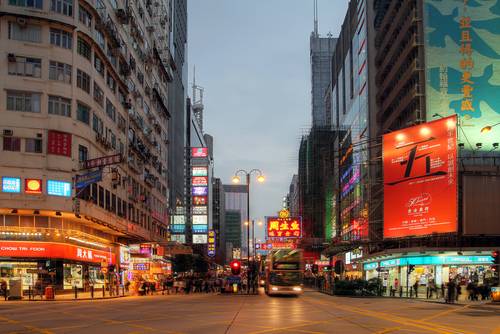
Hong Kong is a city that lives on its streets. Where else can you ride a century-old tram along a colonial boulevard, browse antique scrolls in a century-old market lane, and then step into a rooftop bar twenty minutes later? The streets of Hong Kong are its lifeblood — each one carrying a distinct personality shaped by centuries of trade, migration, and reinvention. Whether you are visiting for a long weekend or a full week, knowing which streets to walk is the difference between skimming the surface and genuinely understanding this city.
This guide covers ten of the most famous streets in Hong Kong, from the neon-blazing thoroughfares of Kowloon to the quiet historic steps of the Mid-Levels. Each one rewards slow exploration, and together they map out a city that is perpetually in conversation with its own past. Book your flights to Hong Kong and get ready to hit the pavement.
Discover Flights With Traveloka
Thu, 1 Oct 2026

Greater Bay Airlines
Osaka (KIX) to Hong Kong (HKG)
Start from 20,115円
Fri, 2 Oct 2026

HK Express
Tokyo (HND) to Hong Kong (HKG)
Start from 22,889円
Thu, 1 Oct 2026
Greater Bay Airlines
Tokyo (NRT) to Hong Kong (HKG)
Start from 19,214円
1. Nathan Road: The Golden Mile of Kowloon
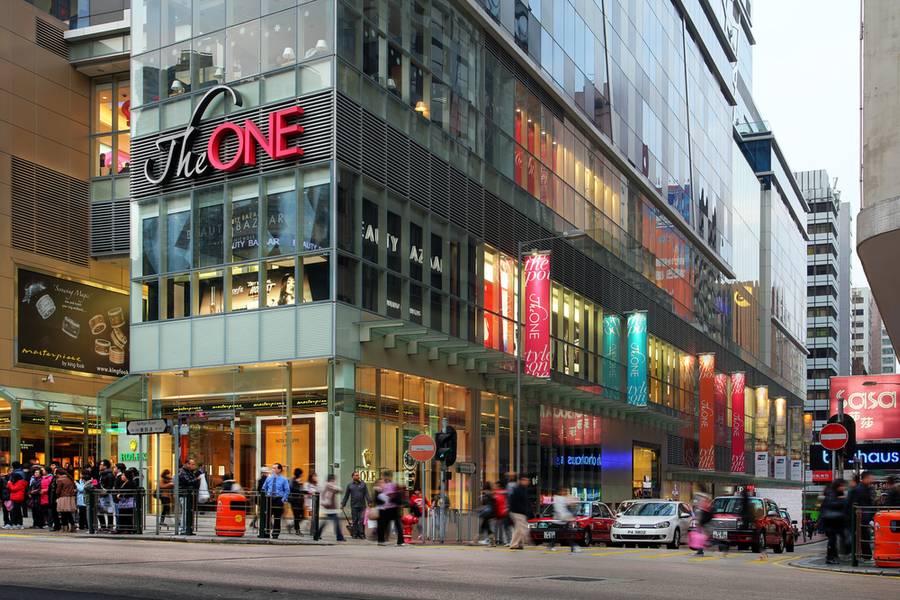
Nathan Road is Hong Kong's most celebrated arterial street, stretching from the waterfront of Victoria Harbour deep into the heart of Kowloon. It earned its nickname "The Golden Mile" thanks to the density of shops, hotels, and commercial activity packed along its length. The street pulses at all hours — morning dim sum crowds give way to afternoon shoppers, who in turn hand the pavements over to evening diners and night-market browsers. Walking the full length from the southern tip near the harbour all the way north gives you an uninterrupted cross-section of Kowloon life.
K11 Art Mall, located along the road, blends contemporary retail with curated art installations in a way that feels genuinely integrated rather than decorative. Kowloon Park sits just off the main strip and offers one of the most unexpected pleasures in the city: a flamingo pond and open-air spaces where martial arts practitioners gather in the early morning. The dining options on Nathan Road span everything from dim sum specialists serving traditional Cantonese dumplings to South Asian restaurants offering fragrant curries, a nod to the diverse communities that have called this corridor home for generations.
2. Temple Street: Night Market and Old Hong Kong Soul
Temple Street comes alive after dark. As the sun sets over Yau Ma Tei, the vendors set up their stalls along the road — clothes, gadgets, jade trinkets, and street food filling the warm evening air with colour and noise. The Temple Street Night Market is one of the most atmospheric experiences in Hong Kong, combining the energy of a traditional market with impromptu Cantonese opera performances that break out in the northern section of the street near the Tin Hau Temple. It is the kind of place where a thirty-minute visit easily turns into two hours.
The Tin Hau Temple itself, dedicated to the goddess of the sea, anchors the northern end of the street and provides a moment of incense-scented calm amid the market bustle. Fortune tellers set up card tables along the pavement, offering readings in Cantonese, Mandarin, and sometimes English. The food stalls serve some of the most satisfying claypot rice in the city, along with steamed seafood and flaky egg tarts that disappear fast. Temple Street is living proof that the most memorable nights in Hong Kong do not require a booking.
3. Hollywood Road: Antiques, Art, and the Man Mo Temple
Hollywood Road is the oldest road in Hong Kong and one of the best places to understand how the city has layered its history without erasing it. Running through the Sheung Wan and Central districts, the street is lined with antique dealers, art galleries, and specialist shops selling everything from Tang Dynasty ceramics to contemporary ink paintings. Cat Street Market, a short walk off Hollywood Road, is a treasure trove of vintage curios and collectibles that rewards patient browsing.
The Man Mo Temple, one of the most important Taoist shrines in Hong Kong, sits directly on Hollywood Road and has been drawing worshippers since the 1840s. The interior fills with the spiral smoke of hanging incense coils, and the altar is dedicated to the gods of literature and war — an unusual pairing that reflects the temple's deep roots in the trading communities that once dominated this hillside. Contemporary galleries such as Opera Gallery and Cat Street Gallery have set up alongside the antique shops in recent decades, creating an arts corridor that feels genuinely organic rather than engineered. A traditional Chinese tea ceremony at one of the nearby teahouses is the ideal way to slow down and absorb the atmosphere of the street.
Explore Hong Kong's rich cultural activities and tours to complement your Hollywood Road visit.
4. Des Voeux Road: The Financial Pulse of Hong Kong
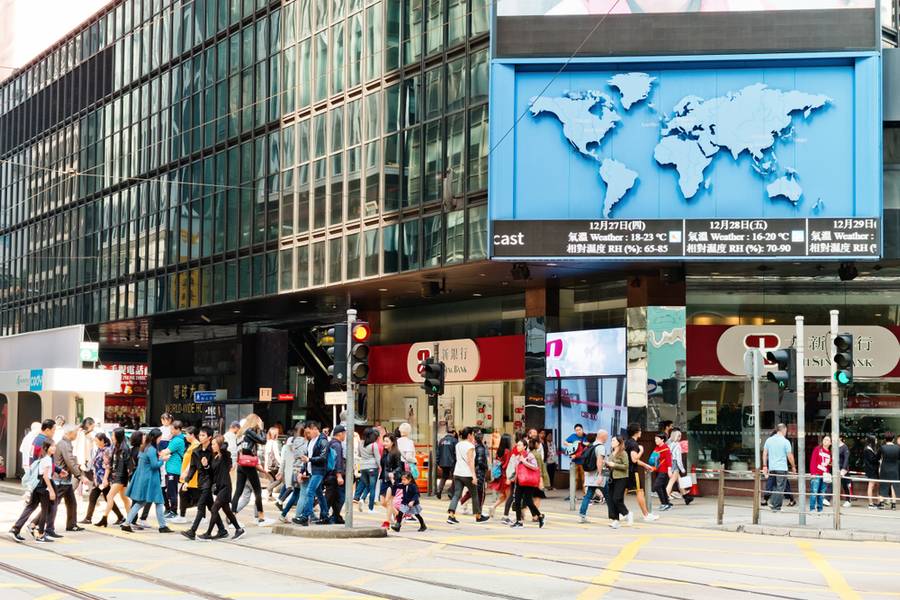
Des Voeux Road cuts through the Central district and serves as the commercial spine of Hong Kong Island. This is where the city's financial identity is most visible — gleaming towers housing international banks, flagship retail centres, and the imposing IFC Mall all line the route. The street is a study in how efficiently Hong Kong integrates money and movement: at street level, office workers move at pace alongside tourists and delivery workers, while above, glass towers reflect the harbour light.
One of the great simple pleasures on Des Voeux Road is boarding one of the Hong Kong Tramways cars — affectionately known as Ding Dings — which have been running along this corridor since 1904. The upper deck of a tram offers a slow, unhurried view of the street as it passes through Central, making it one of the most genuinely scenic ways to understand the geography of Hong Kong Island. The IFC Mall at the western end of the road offers luxury shopping and dining with harbour views, providing a counterpoint to the historical tram ride that bookends a visit here.
5. Sai Yeung Choi Street: Electronics and Street Performances in Mong Kok
Sai Yeung Choi Street sits in the middle of Mong Kok, one of the most densely populated urban areas anywhere in the world, and it thrums with a particular kind of commercial energy. The street is the go-to destination for electronics in Hong Kong — stalls and shops carry smartphones, cameras, tablets, accessories, and components at competitive prices that draw both local buyers and visiting shoppers. The market atmosphere is informal and fast-moving, with vendors enthusiastic about showcasing their latest stock.
What sets Sai Yeung Choi Street apart from a straightforward electronics market is the spontaneous performance culture that has developed in its pedestrianised sections. Street musicians, dancers, and performers set up at intervals throughout the day and evening, drawing crowds that spill across the wide pavement. The combination of commerce and culture gives the street an unpredictable, festive quality that makes it worth visiting even if you have no intention of buying anything. It is one of those streets in Hong Kong where simply standing still for ten minutes gives you an education in how the city spends its leisure time.
Planning your stay in Hong Kong? Browse a wide range of hotels across every district to find the right base for your street explorations.
6. Lan Kwai Fong: Hong Kong's Premier Nightlife District
Lan Kwai Fong is a compact cluster of streets in Central that functions as the heartbeat of Hong Kong's evening social scene. What began as a quiet hillside lane has evolved over decades into a destination packed with bars, clubs, and restaurants catering to an international crowd of residents, finance professionals, and travellers. The streets are steep and narrow, which gives the area an intimate energy — the crowd from one bar spills into the space between venues, and the whole district feels like a single extended party on busy nights.
The venue range on and around Lan Kwai Fong is broad: rooftop terraces with skyline views, DJ-led clubs that run until dawn, cocktail bars with carefully curated menus, and international restaurants covering cuisines from across Asia and Europe. Several well-known venues — including Ce La Vi, Dragon-i, Envoy, and Ori-Gin — have established themselves as fixtures of the Lan Kwai Fong scene, each with a distinct character. The best approach to this district is to arrive early in the evening, eat at one of the restaurants in or near the cluster, and then follow the crowd as the night develops. Lan Kwai Fong rewards spontaneity more than any other street on this list.
7. Ladder Street: Historic Steps Through the Mid-Levels
Ladder Street is unlike any other entry on this list. Rather than a commercial thoroughfare, it is a series of broad stone steps — one of the few surviving examples of the staircase streets that once connected the harbour with the hillside communities above. Built in the mid-nineteenth century to allow sedan chair carriers to navigate the steep terrain, the steps have outlasted the transport method they were built to serve and now function as a calm, photogenic passage through a part of the city that sees far fewer visitors than the streets below.
The upper section of Ladder Street connects with Upper Lascar Row, the antiques lane also known as Cat Street, and the lower end reaches Hollywood Road and the Man Mo Temple — the oldest Taoist temple still in active use in Hong Kong. Walking the steps is a restorative experience, particularly in the morning when the light catches the worn stone and the surrounding buildings are quiet. The staircase itself, the aged shopfronts on either side, and the occasional shrine tucked into doorways make Ladder Street one of the most visually rewarding short walks in the city. It is a reminder that some of the best things in Hong Kong require no entry fee, no reservation, and no particular plan.
8. Queen's Road Central: Where Colonial History Meets Contemporary Commerce
Queen's Road Central holds the distinction of being one of the oldest and most historically significant streets in Hong Kong, laid out in the earliest years of the colonial settlement in the 1840s. Today, it functions as a major commercial artery running through the Central and Western districts, hosting a combination of modern boutiques, heritage buildings, and cultural institutions that reflect the full arc of Hong Kong's development over nearly two centuries.
PMQ — the former Police Married Quarters — is one of the standout destinations on Queen's Road Central. Converted from its original purpose into a creative hub, the complex now houses independent designers, artisan workshops, concept stores, and dining spaces across its two heritage blocks. It is an excellent place to find locally designed homeware, fashion, and art that you will not encounter in the city's mainstream malls. The street itself rewards the kind of slow walk where you look upward at the buildings rather than into the shop windows: colonial facades, carved stone details, and the occasional preserved pre-war shophouse front sit alongside contemporary glass retail fronts in a layering of architectural periods that defines Central's character.
9. Stanley Street: Cantonese Cafes and the Art of the Slow Breakfast
Stanley Street in Central is synonymous with cha chaan teng culture — the distinctly Hong Kong style of casual café that serves a hybrid menu of Cantonese and Western dishes at fast pace and low cost. These traditional Hong Kong-style cafes have been operating on and around Stanley Street for decades, and they represent one of the most authentic food experiences the city offers. The morning rush at a cha chaan teng — condensed milk tea, buttered toast, macaroni soup, and eggs — is an institution that locals protect fiercely and visitors quickly fall in love with.
Beyond the cafes, Stanley Street is notable for its traditional Chinese signage print shops, which still operate using methods and typefaces that date back generations. Cantonese roast specialists on and near the street serve siu ngap (roast goose) and char siu (barbecued pork) that rank among the best in Central. The Landmark Mandarin Oriental is located in this part of Central, offering a luxury base for those who want to wake up and walk directly into this concentrated pocket of culinary heritage. Stanley Street is a short stretch of road, but it delivers one of the highest concentrations of authentic Hong Kong flavour of any street on this list.
Arrange your airport transfer in advance so you can land in Hong Kong and head straight to Stanley Street for your first proper cha chaan teng breakfast without delay. You can also book a car rental to move between Hong Kong's districts at your own pace, particularly useful when exploring areas like Wan Chai, Mong Kok, and Central across a single day.
10. Hennessy Road: The Dynamic Backbone of Wan Chai
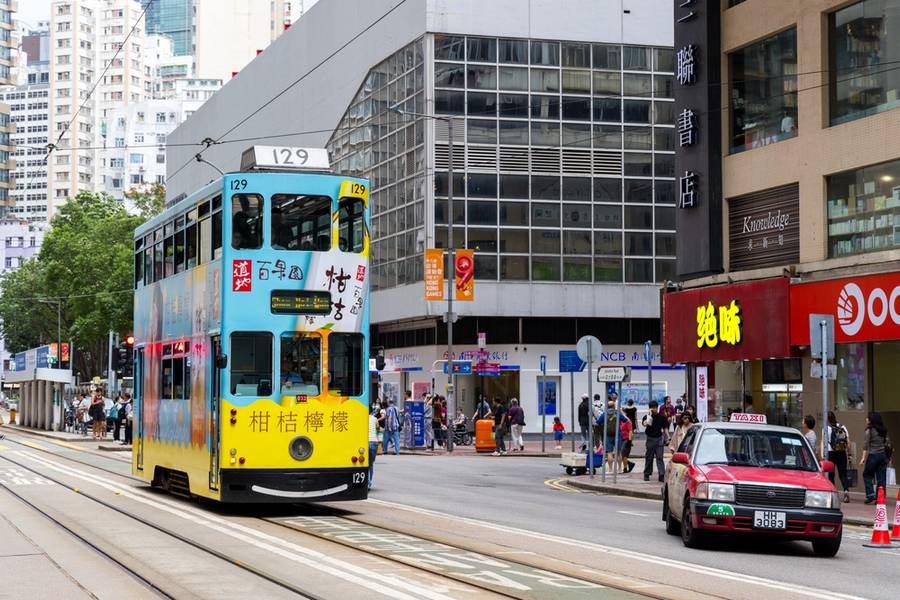
Hennessy Road runs through Wan Chai, a district that has spent decades reinventing itself while retaining an underlying grit and energy that makes it one of the most genuinely interesting parts of Hong Kong Island to explore. The road carries the full spectrum of what Wan Chai offers: corporate office towers, independent wet markets, shopping malls, neighbourhood restaurants, and a bar scene that draws a mixed crowd of residents, expats, and visitors who have discovered that Wan Chai rewards multiple visits.
Wan Chai Market, accessible from Hennessy Road, is one of the liveliest traditional wet markets in the city. Early mornings here are a sensory education — stalls selling fresh fish, live shellfish, seasonal vegetables, and prepared foods attract a loyal local clientele who have been shopping here for years. The surrounding streets carry traditional dim sum houses alongside newer cafes, and the evening brings out the pubs and bars that line the back lanes. The Renaissance Hong Kong Harbour View Hotel, positioned near this corridor, offers rooms with views across Victoria Harbour that provide a fitting panoramic conclusion to a day spent walking the streets at ground level. Hennessy Road is the right place to end a tour of Hong Kong's famous streets: busy, layered, and completely itself.
Book Your Hong Kong Trip with Traveloka
Traveloka is Southeast Asia's leading travel platform, trusted by over 100 million users across the region to plan and book seamless trips. For Singapore travellers heading to Hong Kong, the app brings together every element of your journey — flights into Hong Kong International Airport, hotels in Kowloon and Hong Kong Island, admission tickets to attractions like Ocean Park and Hong Kong Disneyland, and practical extras including eSIM data cards and travel insurance. Everything is bookable in one place, so you spend less time coordinating logistics and more time walking the streets covered in this guide.
For a trip built around Hong Kong's street culture, Traveloka's activity listings are particularly useful. You can browse and pre-book hop-on hop-off bus passes, harbour sightseeing tours, cultural experiences, and attraction tickets with confirmed availability — no turning up to find a queue and a sold-out sign. Check the latest Traveloka promotions for current deals on Hong Kong flights and hotel packages that make the most of your travel budget.
Download the Traveloka app before you travel, and you will have your itinerary, bookings, and travel documents accessible in one place from the moment you land at Hong Kong International Airport to the moment you board your return flight home.
Tags:
hongkong
Explore the Best of Hong Kong
Hong Kong
Yau Tsim Mong
Islands
Kowloon
Recommended Articles
Things To Do at Victoria Harbour Hong Kong & All You Need To Know
What To Wear in Hong Kong for Every Occasion
10 Free Things to Do in Hong Kong in 2026 (Trails, Temples, Light Shows, and Markets)
How to Reserve Your Visit Date to Hong Kong Disneyland
7 Top Things to Shop in Hong Kong
Recommendations Hotels For First-Timers in Hong Kong


