


Seoul Nightlife Guide 2026: Best Districts, Bars & Things to Do at Night


Seoul never truly sleeps. From the neon-lit alleys of Hongdae to the rooftop terraces of Gangnam, the South Korean capital offers one of the most exhilarating after-dark scenes in all of Asia. Whether you are chasing thumping dance floors, tucking into late-night street food, singing your heart out in a private karaoke room, or watching fountains arc over the Han River in rainbow colours, Seoul has a night out to match every mood and budget. This guide covers the city's best nightlife districts, what to expect at each, and how to make the most of your evenings — all updated for 2026.
Book your flights well in advance, especially for weekend travel when Seoul sees high tourist demand. Once you land, a reliable airport transfer will get you to your accommodation without the hassle of navigating an unfamiliar transit system at the end of a long journey.
Discover Flights With Traveloka
Thu, 1 Oct 2026

Jeju Air
Tokyo (NRT) to Seoul (ICN)
Start from 13,673円
Wed, 30 Sep 2026

Trinity Airways (Formerly T’way Air)
Osaka (KIX) to Seoul (ICN)
Start from 8,397円
Thu, 15 Oct 2026

Air Seoul
Fukuoka (FUK) to Seoul (ICN)
Start from 15,046円
1. Hongdae — Seoul's Youthful Party Capital
Hongdae, named after the Hongik University nearby, is the beating heart of Seoul's grassroots nightlife. The streets around Wausan-ro fill with energy from around 9 PM and reach peak intensity between midnight and 3 AM on Fridays and Saturdays. Indie bands play live sets in basement venues, street performers draw crowds on open plazas, and an ever-shifting lineup of bars and clubs keeps the neighbourhood feeling fresh every visit.
Entry fees at most Hongdae clubs sit in the 10,000–20,000 KRW range and typically include one complimentary drink, making this the most budget-friendly of Seoul's major nightlife zones. The district is also home to wall-to-wall norebang (private karaoke rooms) ranging from plush multi-room complexes to coin-operated solo booths open 24 hours. Modern cafes and international restaurants keep the area lively even for those who prefer a quieter evening.
2. Itaewon — The Global Village After Dark
Itaewon has long been Seoul's most internationally diverse neighbourhood, and its nightlife reflects that cosmopolitan character with a rich mix of cocktail bars, underground clubs, craft beer pubs, and restaurants open well into the early hours. The area caters to a global crowd and offers everything from budget-friendly venues to upscale lounges with curated cocktail menus. Streets run uphill from Itaewon Station in all directions, with new pockets of nightlife discovered around almost every turn.
One of the neighbourhood's standout venues is Soap Seoul, a renowned underground dance club that has firmly reestablished its reputation in 2026 as one of the city's finest spots for electronic music. For something more mellow, All That Jazz — a long-running live jazz bar near the station — hosts nightly performer lineups and welcomes both solo travellers and groups. Hannam-dong, a short walk from the main strip, has emerged as a more polished counterpart with wine bars and contemporary cocktail lounges popular among creative professionals.
3. Gangnam — Luxury Clubs and Rooftop Bars
Gangnam — the affluent district south of the Han River — is home to Seoul's most glamorous and high-energy club scene. Mega-clubs in this area draw thousands of guests on weekend nights, with world-class sound systems, resident DJs spinning house and hip-hop, and dress codes that skew smart-casual to formal. Expect entry fees significantly higher than Hongdae, often 30,000–50,000 KRW, which typically includes a welcome drink.
Beyond the clubs, Gangnam's sub-districts of Sinsa-dong, Cheongdam-dong, and Apgujeong offer a more refined after-dark experience. Rooftop bars overlook the twinkling Seoul skyline, wine bars serve premium Korean and imported labels, and low-lit cocktail lounges attract a fashion-forward crowd. Many venues here do not display prices at the door, so checking menus in advance or booking a table is advisable to manage your budget.
To stay close to the action, book your accommodation through hotels in central Seoul — options span every budget, from design hostels in Hongdae to five-star towers in Gangnam.
4. Euljiro — The Retro Underground
Euljiro, once a workaday district of print shops and hardware suppliers, has transformed into one of Seoul's most talked-about nightlife neighbourhoods. Known informally as Hipjiro, the area earned its nickname by attracting artists, musicians, and young professionals drawn to its retro industrial aesthetics and unpretentious drinking culture. Vintage-style bars occupy the ground floors of weathered buildings, and strings of lights turn narrow back alleys into atmospheric drinking corridors.
Nogari Alley near Euljiro 3-ga Station is the social nucleus of the neighbourhood: a cluster of outdoor tables where locals gather over affordable beer, dried fish snacks (nogari), and loud conversation until midnight or beyond. The vibe is entirely informal — just pull up a plastic stool, order a round, and join the communal atmosphere. Craft beer bars and natural wine spots have also multiplied throughout the wider area, offering a quieter alternative when the alley gets crowded.
5. N Seoul Tower and Namsan — Nighttime Views Above the City
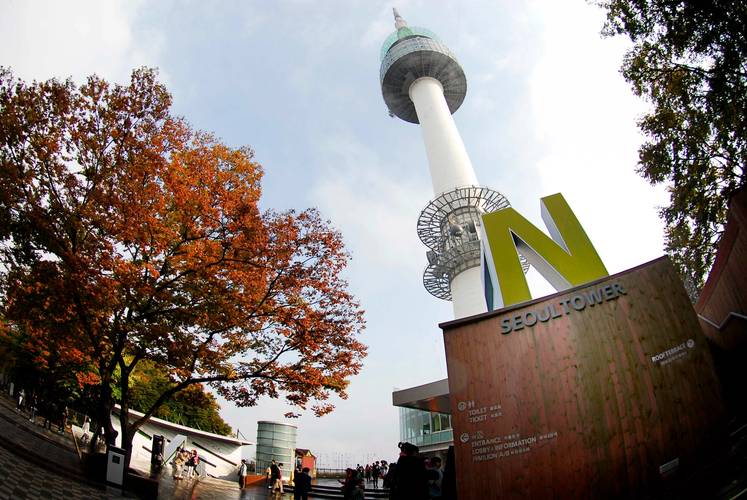
No night in Seoul is complete without seeing the city from above, and N Seoul Tower on Namsan Mountain delivers one of the most spectacular urban panoramas in Asia. The observatory is open until 11 PM, and the observation deck offers a 360-degree view of Seoul's grid of illuminated streets stretching toward every horizon. Couples attach padlocks to the fence rails surrounding the tower — a tradition that has made the summit one of the city's most romantic spots after dark.
The cable car up Namsan operates into the evening, but walking the forested path up is popular with visitors who want a more leisurely ascent. The tower's base area includes cafes, restaurants, and a gift shop, making it a comfortable stop before or after your evening out. Book your N Seoul Tower tickets in advance through the activities section to avoid queuing on busy nights.
6. Han River Parks — Open-Air Nightlife Along the Water
Seoul's Han River parks are free to enter and offer a uniquely relaxed form of nightlife that sets the city apart. Hangang Park's various sections — including the popular Yeouido and Banpo stretches — fill with locals and visitors who spread out picnic mats, fire up portable barbecues, and order delivery food directly to the riverside through mobile apps. The atmosphere is unhurried and convivial, and the parks are busy until well past midnight on warm evenings.
The Banpo Bridge Rainbow Fountain runs nightly during the spring and summer season, sending arcs of water illuminated in shifting colours across the river surface. An evening Han River cruise is another popular way to take in the skyline, with sunset and starlight cruise options departing from multiple piers. The riverside Bamdokkaebi Night Markets run on Friday and Saturday evenings at Yeouido and the Dongdaemun Design Plaza, offering food trucks, handmade craft stalls, and open-air performances.
7. Dongdaemun — Night Shopping and Street Food Culture
Dongdaemun is Seoul's undisputed capital of late-night retail, with fashion malls operating until 4 and 5 AM and drawing shoppers, vendors, and designers from across the country. The Dongdaemun Design Plaza — the striking curved building designed by architect Zaha Hadid — transforms into a vibrant open-air gathering point after dark, hosting markets, outdoor exhibitions, and events that draw large crowds on weekends.
Street food is central to the Dongdaemun experience. Stalls along the main roads sell tteokbokki (spicy rice cakes), sundae (Korean blood sausage), deep-fried snacks, and cups of warm broth — the ideal late-night fuel after hours of browsing. The neighbourhood is also a short walk from Cheonggyecheon Stream, whose lit bridges and flowing water make for a pleasant late-night stroll away from the market crowds.
8. Getting Around Seoul at Night
Seoul's public transport is efficient and safe. The metro runs until approximately midnight on weekdays and slightly later on weekends, covering all major nightlife districts. After the last train, a comprehensive network of night buses takes over, operating on key routes until the first morning service resumes. For those visiting multiple districts in a single evening, consider a car rental for daytime exploration so you can cover more ground before the evening begins.
The T-money card, available at convenience stores and metro station kiosks, works across the subway, buses, and many taxis — topping it up regularly saves time when moving between districts. Most nightlife venues are cashless or prefer card payment, but having a small amount of local currency on hand is useful for street food stalls and smaller bars.
Plan Your Seoul Night Out with Traveloka
Traveloka is Southeast Asia's leading travel platform, trusted by over 100 million users across the region. Everything you need for a seamless Seoul trip is available through the app: flights to Incheon International Airport, a wide selection of hotels ranging from budget guesthouses in Hongdae to luxury towers in Gangnam, and activities including N Seoul Tower tickets, Han River cruises, night tours, and more. Check Traveloka promotions before booking — the app regularly features flash deals and early-bird discounts that can significantly reduce the cost of your Seoul adventure. Download the app and let Seoul's legendary nightlife take care of the rest.
Explore the Best of Seoul
Seoul
Myeongdong
Gangnam
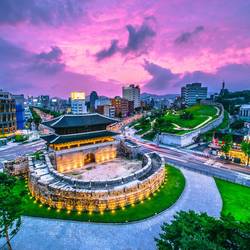
Dongdaemun
Recommended Articles
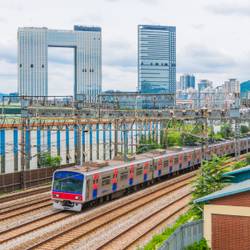
Getting Around Seoul: A Complete Transport Guide
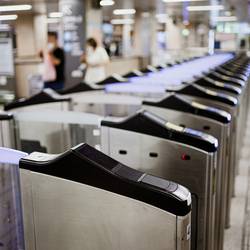
Seoul Metro Subway Guide: Lines, Fares, and How to Ride
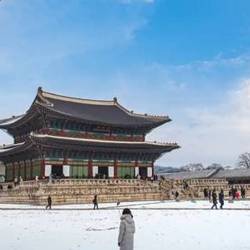
Traditional Activities in Seoul: 10 Authentic Korean Cultural Experiences
Seoul in Autumn: Your Complete Guide to the City's Most Spectacular Season
Seoul's 5 Best Neighbourhoods: Find Your Perfect Base in the Korean Capital
Singapore Night Festival 2026: Dates, Theme, and What to See


