


Peranakan Cuisine in Singapore: Must-Try Dishes and the Best Nyonya Restaurants


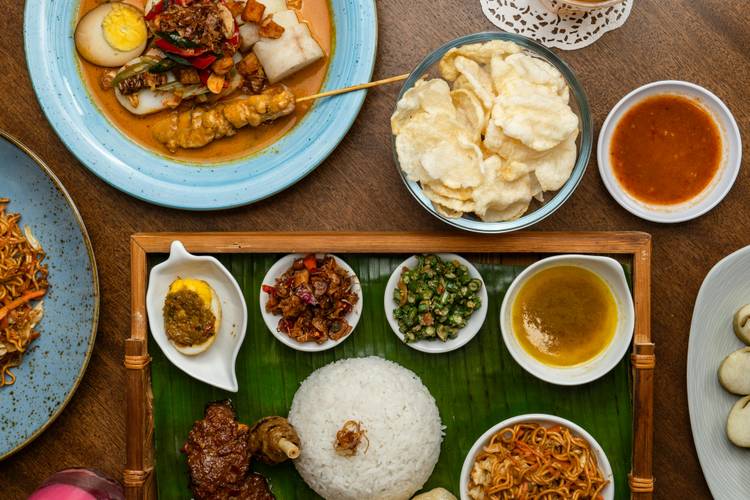
Peranakan cuisine in Singapore is one of Southeast Asia's most layered and historically rich food traditions, born from centuries of cultural exchange between Chinese settlers and the Malay communities they lived alongside. Known interchangeably as Nyonya food, it combines Chinese cooking techniques with Malay aromatics, producing dishes of extraordinary depth and complexity. Whether you are a first-time visitor or a returning traveller looking to eat more intentionally, Singapore's Peranakan dining scene rewards curiosity at every turn. Plan your culinary journey easily with Traveloka, Southeast Asia's #1 all-in-one travel app.
Ready to taste your way through Singapore? Book your flights now and make the most of Traveloka promotions for great savings on airfares and hotels.
Discover Flights With Traveloka
Sun, 4 Oct 2026

Scoot
Tokyo (HND) to Singapore (SIN)
Start from 27,332円
Sun, 4 Oct 2026

ZIPAIR
Tokyo (NRT) to Singapore (SIN)
Start from 19,460円
Fri, 2 Oct 2026

Peach Airline
Osaka (KIX) to Singapore (SIN)
Start from 21,195円
What Is Peranakan Culture?
The Peranakan people, sometimes called Straits Chinese or Baba-Nyonya, are descendants of Chinese immigrants who arrived on the Malay Peninsula from the 15th century onward. Over generations, they intermarried with local Malay communities, creating a hybrid culture that blended language, dress, architecture, and above all, food. Male Peranakans are known as Babas; females are called Nyonyas, a term that has become synonymous with the cuisine itself. Singapore, along with Penang and Malacca, was one of the great heartlands of this culture, and that heritage remains deeply alive in its neighbourhoods and kitchens today.
The Peranakan Museum on Armenian Street at 39 Armenian Street is the definitive starting point for understanding this culture. Open daily from 10:00am to 7:00pm (until 9:00pm on Fridays), its nine newly refreshed galleries trace the history, material culture, and traditions of Peranakan communities across Southeast Asia. After your visit, the surrounding streets around Armenian Street and nearby Katong and Joo Chiat form the historic residential heartland of Singapore's Peranakan population, lined with ornate shophouses in pastel shades of turquoise, salmon, and yellow.
What Makes Peranakan Cooking Distinctive
At the heart of Peranakan cooking is the rempah, a hand-pounded spice paste that forms the flavour base of curries, braises, and soups. A traditional rempah is made from lemongrass, galangal, fresh turmeric, dried chillies, candlenut, and belachan (fermented shrimp paste), ground together until smooth. The paste is then fried in oil for anywhere between 30 and 60 minutes until it becomes deeply fragrant and the oil begins to separate, a technique that builds a flavour intensity no shortcut can replicate. This painstaking process is part of what makes authentic Nyonya cooking such a labour of love.
The cuisine also relies heavily on coconut milk, tamarind, and palm sugar to balance its bold spice profiles with sweetness and acidity. Pork, chicken, and seafood all feature prominently, prepared in ways that reflect the dual Chinese and Malay heritage of the people who created these recipes. A genuine Nyonya meal is an exercise in balance: rich but aromatic, spicy but tamed by coconut, savoury but offset by a hint of sweetness. Booking activities like a hands-on Peranakan cooking class is one of the most memorable ways to understand this culinary tradition from the inside.
5 Must-Try Peranakan Dishes in Singapore
Ayam Buah Keluak
Ayam buah keluak is widely regarded as the signature dish of Peranakan cuisine, and no visit to a Nyonya restaurant is complete without ordering it. The dish features chicken braised in a tamarind and spice gravy alongside buah keluak, the black nuts of the Pangium edule tree, which are fermented before use and carry a deeply earthy, smoky, and umami-rich flavour unlike anything else in Southeast Asian cooking. Preparing buah keluak correctly requires days of soaking and cleaning, which is why this dish is reserved for serious Peranakan kitchens. The intensity of the nut paste, scooped from the shell and stirred back into the gravy, elevates this chicken braise into something genuinely unforgettable.
Babi Pongteh
Babi pongteh is a slow-braised pork belly and mushroom dish cooked in fermented soybean paste, palm sugar, and garlic, resulting in a sauce that is simultaneously savoury, lightly sweet, and deeply aromatic. The pork becomes fork-tender after a long simmer, absorbing the complex taucheo (fermented soybean) base in a way that is comforting and distinctly Peranakan. Unlike many spice-heavy Nyonya dishes, babi pongteh is relatively mild, making it an excellent entry point for those new to the cuisine. It is traditionally served at Peranakan festivals and family gatherings, adding a layer of cultural meaning to every bowl.
Kueh Pie Tee
Kueh pie tee are crisp, golden pastry shells filled with a stir-fried mixture of jicama, carrot, and prawn or crab, then topped with sambal chilli and a squeeze of lime. The contrast between the shattering pastry shell and the soft, savoury filling is what makes this dish so immediately appealing, and it is among the most elegant of Peranakan snacks. Each shell is typically eaten in a single bite, making it a favourite as a starter or as part of a larger spread at a traditional tok panjang feast. The light, delicate character of kueh pie tee belies the skill involved in making the shells perfectly thin and uniform.
Ngoh Hiang
Ngoh hiang is a five-spice-seasoned roll of minced pork and prawn wrapped tightly in dried beancurd skin, then deep-fried until golden and crisp. The five-spice blend gives the filling a warm, slightly sweet fragrance that is immediately recognisable and quintessentially Peranakan in character. Sliced into rounds and served with a sweet chilli dipping sauce, it pairs beautifully with rice or as a standalone snack. Many long-standing Peranakan restaurants are as much known for their ngoh hiang as for any other dish on the menu.
Nyonya Kueh
Nyonya kueh refers to the broad family of traditional Peranakan sweets and snacks, crafted with as much care as any savoury dish. Standouts include kueh lapis, a meticulous steamed layer cake in alternating colours; ondeh ondeh, chewy rice balls filled with molten palm sugar and rolled in fresh coconut; and pulut hitam, a creamy black glutinous rice pudding sweetened with coconut milk. These confections are made with natural ingredients including pandan leaf, butterfly pea flower, and coconut, giving them both vivid colour and genuine flavour. Seeking out a dedicated kueh stall or patisserie in the Katong or Joo Chiat area is as much a sensory experience as it is a culinary one.
5 Best Peranakan Restaurants in Singapore
Candlenut
Candlenut at Dempsey Hill holds the distinction of being the world's first Michelin-starred Peranakan restaurant, and it remains one of Singapore's most celebrated dining destinations. Chef Malcolm Lee grew up eating home-cooked Nyonya food and now applies that heritage through a refined, contemporary lens, offering dishes that honour traditional recipes while elevating technique and presentation. The restaurant is located at Block 17A Dempsey Road within a lush, low-rise enclave surrounded by trees, creating an atmosphere that is relaxed yet special. Lunch is served daily from 12:00pm to 2:30pm, and dinner runs from 6:00pm to 9:30pm on weekdays, extending to 10:30pm on weekends.
Violet Oon Singapore
Violet Oon is among Singapore's most respected custodians of Peranakan culinary tradition, with three distinct restaurant locations across the city. The ION Orchard outlet at Level 4 of ION Orchard operates daily from 12:00pm to 10:00pm and is ideal for a central, accessible Nyonya meal after shopping. The National Kitchen by Violet Oon on the second floor of the National Gallery Singapore blends heritage cuisine with a spectacular setting in a former colonial courthouse. In March 2026 the ION Orchard location refreshed its menu, reintroducing beloved classics alongside new offerings, making it an excellent choice for both returning guests and first-time visitors.
The Blue Ginger
The Blue Ginger on Tanjong Pagar Road has been a cornerstone of Singapore's Peranakan dining scene since 1995, housed in a beautifully preserved shophouse on one of the city's most characterful streets. The menu stays close to traditional recipes, with highlights including a robust beef rendang, excellent ngoh hiang, and a well-seasoned ayam buah keluak that draws regulars back year after year. The restaurant is listed on the MICHELIN Guide, a reflection of its consistent quality and enduring relevance in a competitive dining landscape. Opening hours are Monday to Sunday, 12:00pm to 2:30pm and 6:30pm to 10:30pm.
Chilli Padi Nonya Restaurant
Chilli Padi Nonya Restaurant at 11 Joo Chiat Place sits at the heart of Singapore's Peranakan neighbourhood, making it one of the most atmospherically fitting places in the city to eat Nyonya food. Recognised with a Michelin Plate, the restaurant is known especially for its house-made sambal belacan and its cabbage rolls, two dishes that demonstrate the kitchen's technical precision with Peranakan flavours. In 2026 the restaurant completed a full refurbishment, emerging with a noticeably fresher appearance while keeping its menu and recipes completely unchanged. Operating hours are Monday to Sunday, 11:30am to 2:30pm and 5:30pm to 10:00pm.
True Blue Cuisine
True Blue Cuisine at 49 Armenian Street holds a Michelin Bib Gourmand and occupies a setting that feels genuinely transported from the Peranakan past, with the interior filled with antique furniture, porcelain, and collectibles that evoke a traditional Peranakan home. The kitchen focuses on deeply traditional recipes, and the ayam buah keluak and ngoh hiang here are consistently cited among the city's best versions of both dishes. Sitting alongside the Peranakan Museum, this restaurant makes for a natural pairing with a cultural visit to the area. The restaurant opens Monday to Saturday from 11:30am to 2:30pm and 5:30pm to 9:30pm, and is closed on Sundays and public holidays.
Singapore's Peranakan food scene is so rich that a single meal barely scratches the surface. Explore cooking workshops and guided cultural experiences to deepen your understanding of this heritage cuisine.
Where to Stay Near Singapore's Peranakan Neighbourhoods
Singapore's Peranakan heartland stretches from the shophouse streets of Tanjong Pagar through the historic lanes of Joo Chiat and Katong, and the city's excellent public transport network means most central hotels put you within easy reach of all the key restaurants and cultural sites. Choosing accommodation that keeps you close to the dining belt makes it easy to follow an evening meal with a stroll through the neighbourhood's heritage streets. Book your Singapore hotel with the Best Price Guarantee available on hotels on Traveloka, with over 2 million properties available worldwide. Use airport transfer services to arrive at your hotel smoothly from Changi Airport, or choose a car rental for flexible exploration of Katong and Joo Chiat at your own pace.
Plan Your Singapore Peranakan Experience with Traveloka
Traveloka is Southeast Asia's #1 all-in-one travel app, ranked #1 in cumulative downloads 2014-2025 among travel booking apps. With Best Price Guarantee and 24/7 live agent support, you can plan your entire Singapore trip in one place. Access 2M+ hotels, 300+ airlines, and 90K+ activities in one app, covering Indonesia, Malaysia, Singapore, Thailand, Vietnam, the Philippines, and more. Book your flights to Singapore through Traveloka and discover the full depth of Peranakan cuisine waiting for you. Download the Traveloka app on Google Play and the App Store.
In This Article

Recommended Articles
Top Tanjong Pagar Food Guide: Where to Eat in 2026
Top Singapore Food Festivals You Shouldn't Miss
Singapore Street Food: The Ultimate Hawker Centre Guide to Eating Like a Local
Little India Singapore: Where to Eat — The Complete Food Guide
Michelin Hawkers Singapore: The Complete Guide to the City's Award-Winning Stalls
Best Food Areas in Singapore: A Neighbourhood Guide for Food Travellers


