


Bali Power Plug Guide: Voltage, Adapters, and What to Pack


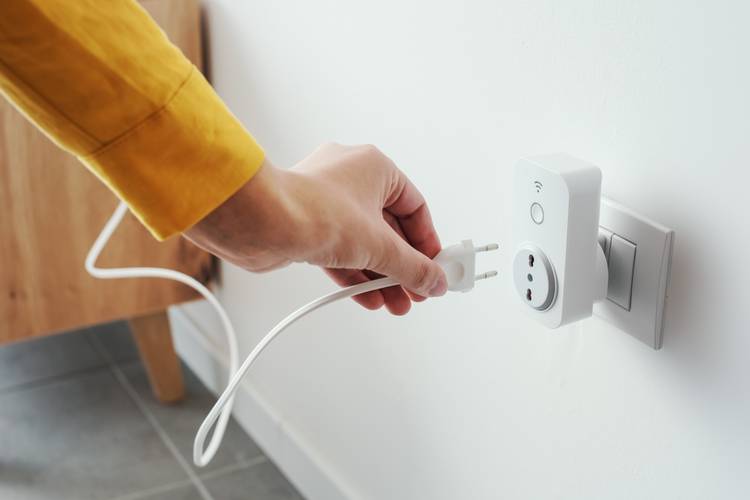
Bali runs on 220V at 50Hz through Type C and Type F sockets, a combination that trips up plenty of first-time visitors packing chargers built for a different standard. Sorting out the right adapter before departure takes five minutes and avoids a dead phone on arrival day.
Landing with the right adapter already in your bag starts with locking in flights to Denpasar.
Discover Flights With Traveloka
Tue, 29 Sep 2026

Scoot
Osaka (KIX) to Bali / Denpasar (DPS)
Start from 28,432円
Mon, 19 Oct 2026
Scoot
Tokyo (NRT) to Bali / Denpasar (DPS)
Start from 31,319円
Mon, 28 Sep 2026
Scoot
Tokyo (HND) to Bali / Denpasar (DPS)
Start from 35,986円
Which Plug Types Are Used in Bali
Type C
This two-round-prong plug is the standard across most of Indonesia and much of continental Europe, commonly used for phone chargers, laptop adapters, and small electronics. Most modern devices already ship with a Type C-compatible plug built in.
Type F
Nearly identical to Type C in shape, Type F adds two earthing clips on the sides for grounded appliances like hair dryers and travel irons. Sockets across Bali typically accept both C and F plugs interchangeably, so travellers rarely need to distinguish between the two in practice, and a standard European Type C adapter almost always fits without issue.
Do You Need a Power Adapter for Bali?
Travelling from Asia
Most of Asia already uses compatible plug types, though Thailand, Vietnam, and Myanmar have enough variation that checking your specific device beforehand still pays off.
Travelling from Europe
Continental Europe shares Bali's Type C standard, so most travellers from France, Germany, or Spain can skip an adapter entirely. The UK and Ireland use Type G instead, meaning travellers from those countries do need one.
Travelling from North America or Australia
North American Type A and B plugs don't fit Bali's sockets at all, making an adapter essential. Australia's Type I plug is also incompatible, so packing a universal adapter before departure saves a scramble on arrival.
A hotel with modern in-room outlets makes the adapter question far less stressful once you've checked in.
How Bali Compares to Other Indonesian Islands
Same Standard Across Indonesia
Type C and Type F sockets running on 220V aren't unique to Bali, they're the national standard across the entire Indonesian archipelago, so an adapter bought or packed for Bali works equally well if your trip continues on to Java, Lombok, or elsewhere in the country.
Power Reliability in Rural Areas
Central tourist areas like Kuta, Seminyak, and Ubud run stable, modern electrical infrastructure, though more remote villages and rural accommodation occasionally experience brief outages during heavy storms. Packing a small backup power bank covers this rare scenario without much extra thought.
What to Do If You Forgot an Adapter
Buying One Locally
Electronics stores, convenience shops, and shopping centres across Bali's main tourist areas stock universal adapters, usually priced reasonably enough that replacing a forgotten one barely dents a travel budget. Larger supermarkets in Kuta and Denpasar tend to carry the widest selection, useful if a smaller convenience store nearby has already sold out.
Borrowing from Your Hotel
Most hotels keep a small stock of adapters at the front desk for exactly this situation, lent out to guests on request at no charge. Asking at check-in, rather than after settling into the room, gets it sorted before you need to charge anything.
Tips for Managing Power on a Bali Trip
Pack a Universal Adapter, Not a Cheap One
A reputable universal adapter with interchangeable pins handles Bali and most onward destinations in one device, and spending slightly more upfront avoids the fire risk that comes with counterfeit adapters sold at rock-bottom prices.
Bring a Portable Power Bank
Long days out at temples, beaches, or rice terraces often outlast a phone battery well before you're back near an outlet, making a charged power bank genuinely useful rather than optional.
Use USB Ports Where Available
Airports, cafes, and many hotel rooms across Bali now include USB charging ports built into the wall, letting you skip the adapter question entirely for USB-chargeable devices.
Check Voltage Before Plugging In Older Electronics
Devices built for 110V regions, common across North America, can be damaged by Bali's 220V supply without a voltage converter, so checking your device's rated voltage range before plugging in matters more than the plug shape itself. Most modern phone and laptop chargers are dual-voltage by default, printed as "100-240V" on the charger's fine print, meaning only an adapter for the plug shape is actually needed, not a separate converter.
A Kecak fire dance performance at Uluwatu Temple, bookable through Traveloka's activities listings, makes a memorable first evening once your devices are charged and ready.
Labelling and Organising Chargers
Bringing multiple devices on a Bali trip often means multiple chargers, and labelling each one before departure saves genuine confusion once you're unpacking in a dim hotel room after a long flight. A simple strip of coloured tape wrapped around each cable works just as well as a printed label. A small pouch dedicated purely to adapters and cables keeps everything findable rather than tangled at the bottom of a bag. Packing one spare adapter beyond what you think you'll need also covers the common scenario of one going missing partway through a multi-stop trip.
A car rental is worth arranging for exploring beyond Denpasar, and an airport transfer gets you from Ngurah Rai straight to your hotel without hunting for a taxi after a long flight.
Plan Your Bali Trip with Traveloka
Getting the small logistics right, adapters included, frees up more attention for the parts of a Bali trip that actually matter. Traveloka, Southeast Asia's largest online travel platform trusted by over 100 million users, brings flights, hotels, activities, car rental, eSIM, and travel insurance together in one app. Browse Traveloka promotions for current deals, and download the app before you pack your bags.
Tags:
power plug
bali




Recommended Articles

Where to Stay in Ubud, Bali: Match Your Travel Style to the Right Area

A Slice of Paradise in Bali: Top Resort Recommendations

Amed Bali Travel Guide – Tropical Paradise on the East Coast

Bali Rice Terraces: 7 Must-Visit Scenic Spots in 2026

5 Best Five-Star Resorts in Bali for a Luxury Stay

7 Best Areas to Stay in Canggu, Bali


