


Thailand has transformed into one of Southeast Asia's most digitally connected travel destinations. From the bustling streets of Bangkok to the beach towns of Koh Samui, cashless payment options, mobile connectivity, and app-based booking have made managing your travel budget easier than ever. Whether you are a first-time visitor or a seasoned traveller, understanding how money works in Thailand will save you time, fees, and frustration.
This guide covers everything you need to know: how to pay for accommodation, food, transport, and activities digitally; how to choose an eSIM for seamless connectivity; smart currency exchange tips; and how to keep all your travel finances in one place using Traveloka.
Understanding the Thai Baht and Currency Exchange
The official currency of Thailand is the Thai Baht (THB). Notes come in denominations of 20, 50, 100, 500, and 1,000 Baht, and coins are widely used for smaller transactions. While Thailand is increasingly cashless in cities, rural areas and traditional markets still lean heavily on physical Baht, so carrying some cash is always a good idea.
Where to Exchange Currency
Currency exchange booths at Suvarnabhumi and Don Mueang airports offer convenience but typically give poorer rates than the city. For better rates, look for licensed exchange counters in shopping malls, hotel lobbies, and dedicated money exchange shops on major streets in Bangkok such as Silom Road and Sukhumvit. Always compare the buy and sell rate before committing, and check whether a fee or commission applies on top of the rate.
ATMs are plentiful across Thailand, but most charge a fixed withdrawal fee per transaction ranging from 200 to 220 Baht for foreign cards. To minimise fees, withdraw larger amounts less frequently. Check with your home bank before departure to understand their foreign transaction charges.
Budgeting Tips for Thailand
Thailand suits every budget. Street food meals can cost as little as 40 to 80 Baht, mid-range restaurant meals sit at 150 to 400 Baht per person, and a full tasting menu at a fine-dining venue may run 1,500 Baht or more. A comfortable guesthouse in Bangkok starts from around 500 Baht per night, while four-star hotels in prime locations typically range from 1,500 to 4,000 Baht. Setting a daily spending target in Baht — rather than converting constantly — makes it much easier to track expenses on the go.
Cashless Payments in Thailand: What to Expect
Thailand's digital payment infrastructure has expanded significantly. Major shopping malls, chain restaurants, convenience stores, and most mid-range to upscale hotels accept international Visa and Mastercard. Contactless payments are increasingly supported at larger retailers. However, smaller street food stalls, tuk-tuk drivers, wet markets, and family-run shops typically deal in cash only — never leave your accommodation without at least 500 Baht in your wallet.
QR Code Payments
QR code payment has become the dominant cashless method across Thailand. The national system, known as PromptPay, links bank accounts and mobile numbers to a QR code that merchants display at checkout. Domestic bank apps and digital wallets scan the QR code to pay instantly. As a foreign visitor, you can use international QR-enabled apps that are partnered with the Thai payment network — check whether your home banking app supports this before you travel.
Paying for Transport Digitally
Bangkok's BTS Skytrain and MRT Metro both accept contactless bank cards and mobile wallets at the ticket gates in 2026. For ride-hailing, app-based platforms replace the need for cash negotiations with taxi or tuk-tuk drivers in most parts of the city. For airport transfers, booking an airport transfer in advance through a travel app locks in your price and removes the stress of negotiating at the arrivals hall. For day trips and island hopping, a pre-booked car rental gives you full flexibility without relying on local transport schedules.
Staying Connected: eSIM for Thailand
Mobile data is essential for navigating maps, using ride-hailing apps, scanning QR payment codes, and staying in contact. Thailand has strong 4G and growing 5G coverage in Bangkok and all major tourist centres. An eSIM is a digital SIM that you activate on your compatible smartphone before you board your flights. Once you land, your phone automatically connects to the local network — no physical SIM swap required. Plans for Thailand typically range from 3-day passes to 30-day unlimited data packages, and you can purchase and activate one entirely within the app.
Having reliable data from the moment you touch down means you can pay with QR codes, book last-minute activities, check into your hotel via an app, and navigate Bangkok's complex expressway network without expensive surprises on your phone bill.
Paying for Accommodation Digitally
Booking and paying for hotels in advance is one of the easiest ways to control your Thailand travel budget. When you pay upfront through a travel app, you lock in the price, avoid dynamic rate increases, and often access exclusive app-only discounts. Most international card payments for hotel bookings are processed in your home currency or in Baht, so check which option gives you a better exchange rate at checkout.
At check-in, many hotels in Bangkok now offer digital check-in options where you upload your passport and confirm your stay via app before arrival. For boutique guesthouses, always confirm whether a card is accepted on-site or whether a cash deposit is required; this information is usually listed on the booking page.
Paying for Food and Dining in Thailand
Food is one of the greatest joys of travelling in Thailand, and payment options vary widely depending on where you eat. Street food markets such as Chatuchak Weekend Market, Yaowarat (Bangkok's Chinatown), and the many night markets around Sukhumvit still operate almost entirely on cash. Bring small Baht notes — vendors rarely carry change for large bills.
In contrast, mid-range restaurants in shopping malls and trendy neighbourhoods like Ari, Thonglor, and Ekkamai accept cards and contactless payment without issue. Many also display QR codes for tableside ordering and payment. Fine-dining restaurants and hotel restaurants accept all major cards, and some accept international mobile wallets. Tipping is appreciated but not obligatory in Thailand — rounding up the bill or leaving 20 to 50 Baht is a warm gesture.
Paying for Activities and Tours
Bangkok and the wider Thailand travel circuit offer a huge range of ticketed experiences: temple visits, dinner cruises on the Chao Phraya River, sky-high observation decks, wildlife parks, and cultural shows. Pre-booking activities digitally has three clear advantages: you pay at today's price before any increase, you skip queues at the door, and you have a confirmed booking rather than depending on walk-in availability during peak season. For popular attractions, tickets at the door can cost significantly more than online prices — and on holiday weekends, walk-in entry may simply not be available.
Smart Tips for Managing Travel Money in Thailand
Notify Your Bank Before Departure
Notify your bank before departure that you will be making transactions in Thailand — this prevents your card from being blocked as suspicious activity. Always choose to pay in Thai Baht rather than your home currency when given the option at an ATM or card terminal; the "pay in your home currency" option (known as dynamic currency conversion) almost always applies an unfavourable rate.
Keep a Cash Reserve
Even the most digitally prepared traveller needs some cash in Thailand. Aim to carry between 500 and 1,000 Baht at all times for transport tips, small market purchases, entry fees at minor temples, and unexpected situations where card machines are down. Replenish your cash at bank ATMs inside shopping malls, where the machines are reliable.
Avoid Currency Scams
Unlicensed money changers and overly friendly strangers offering "special rates" near tourist hotspots are a persistent issue in Thailand. Always use licensed exchange counters with clearly displayed rates and a printed receipt. Never hand over your passport as a deposit for a currency transaction, and count your notes before leaving the counter.
Discover Flights With Traveloka
Sun, 4 Oct 2026

ZIPAIR
Tokyo (NRT) to Bangkok (BKK)
Start from 27,235円
Sun, 4 Oct 2026

Thai VietJet Air
Osaka (KIX) to Bangkok (BKK)
Start from 24,805円
Sun, 18 Oct 2026

VietJet Air
Tokyo (HND) to Bangkok (BKK)
Start from 25,942円
Plan Your Thailand Trip with Traveloka
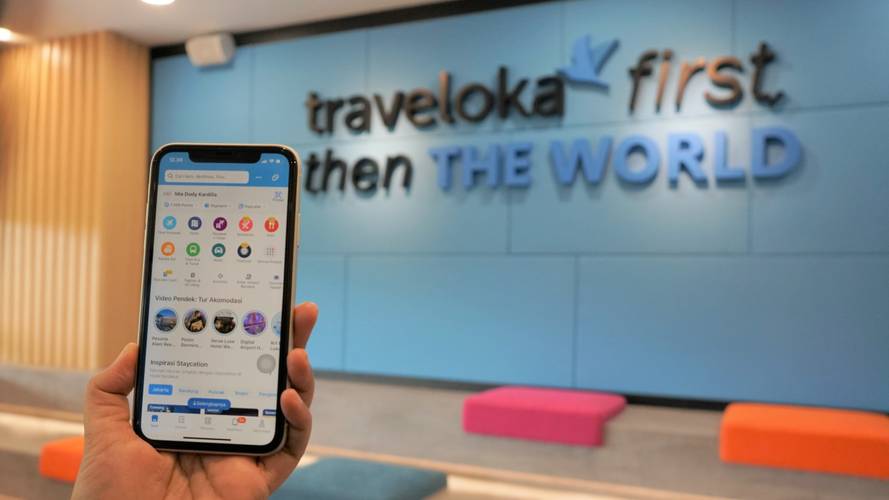
Southeast Asia's leading travel platform, trusted by over 100 million users, Traveloka promotions give you access to exclusive deals across the full range of travel products — all in a single app. Book your flights, secure your hotel, pick up an eSIM before you land, arrange travel insurance for peace of mind, add activities and tours to your itinerary, and organise your airport transfer — every booking is stored in one place and accessible offline. Traveloka's app brings together flights, hotels, activities, car rental, eSIM, and travel insurance in one seamless experience. Download the Traveloka app before your trip and arrive in Thailand ready to enjoy every moment without worrying about money logistics.
Recommended Articles
Traveloka Teams Up with Sahabat Pulau Indonesia to Plant 10,000 Mangroves in Mandalika to Support Ecotourism Sustainability

Indonesia’s Health Ministry, Angkasa Pura II, and Traveloka Presents ‘Vaccination at Airport’ Starting July 12 at Terminal 2 and 3, Soekarno-Hatta International Airport

Traveloka Crazy Sale Jakarta: Celebrate the 494th Anniversary of DKI Jakarta by Supporting the Jakarta Bangkit Program from DKI Jakarta Government Together with 400 Partners

Jakarta Museums and Galleries: 5 Best Spots to Visit This Weekend
3 Days in Jakarta: The Ultimate Day-by-Day Itinerary

5 Exciting Activities to Try with Your Best Friends in Jakarta


