

Spiritual Activities in Bali 2026: A Guide to Temples, Ceremonies, and Sacred Dance



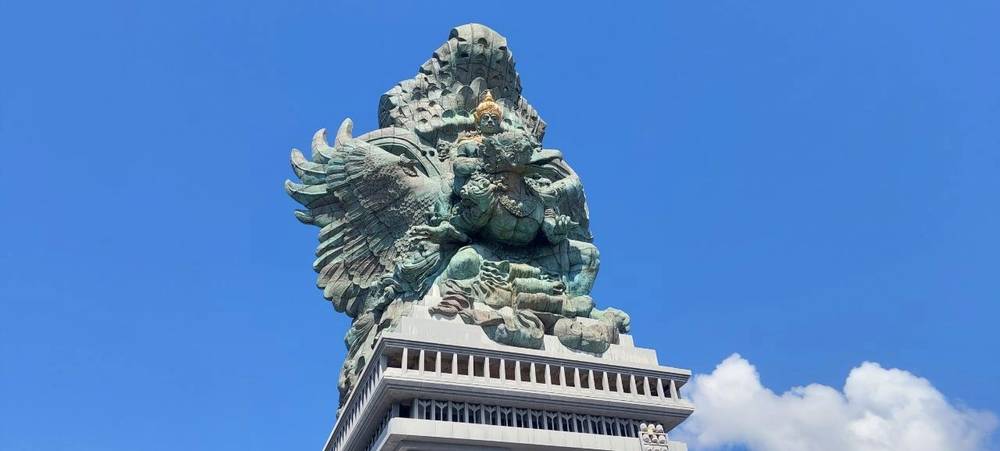
Bali occupies a singular place in the world of spiritual travel. Unlike destinations where spirituality is largely encountered through museums and historical monuments, Balinese Hindu practice is living, daily, and participatory. The scent of incense from fresh flower offerings placed at doorways, street corners, and temple gates is a constant presence across the island, and the line between the sacred and the everyday is deliberately kept thin.
Balinese Hinduism draws from Indian Hindu traditions, Buddhist influences, and older animistic beliefs rooted in the island's own landscape, producing a spiritual culture unlike anything on the Indian subcontinent. For visitors, this opens up a remarkable range of direct experiences: joining a water purification ritual at a temple guided by a Balinese priest, watching a sacred fire dance at sunset on a clifftop, sitting in a yoga class in the Ubud jungle, or simply observing the rhythm of daily offering-making that structures every household and village throughout the island.
Most of Bali's key spiritual sites are concentrated in two areas: the southern peninsula around Uluwatu and the central highlands around Ubud. Bali is served by Ngurah Rai International Airport in Denpasar, with direct connections from Singapore, Kuala Lumpur, Jakarta, Sydney, Tokyo, and dozens of cities across the region. Book your flights to Bali early, particularly for the peak dry season between April and October when seats and prices move quickly.
Discover Flights With Traveloka
Tue, 20 Oct 2026

VietJet Air
Seoul (ICN) to Bali / Denpasar (DPS)
Start from 236,379원
Sat, 17 Oct 2026

China Eastern Airlines
Cheongju (CJJ) to Bali / Denpasar (DPS)
Start from 369,534원
Sun, 25 Oct 2026
VietJet Air
Busan (PUS) to Bali / Denpasar (DPS)
Start from 227,734원
Ancient Temples of Bali
Bali has thousands of temples at every scale, from family shrines in private homes to vast directional temples that anchor the island's spiritual geography. Three stand out for visitors seeking to experience Balinese Hinduism in its most complete and accessible form.
1. Uluwatu Temple
Uluwatu Temple perches on the edge of a 70-metre limestone cliff at the southwestern tip of the Bukit Peninsula, with the Indian Ocean visible in every direction. As one of Bali's six directional temples — known collectively as the Sad Kahyangan — Uluwatu is believed to protect the island from evil spirits entering from the sea, and its position gives it one of the most dramatically beautiful settings of any sacred site in Southeast Asia. The temple is open to visitors throughout the day, with a sarong and sash required at the entrance and both available to rent on-site. The clifftop amphitheater attached to the temple hosts the famous Kecak Fire Dance every evening at sunset, making a late afternoon visit the most immersive way to combine temple exploration with a major cultural performance.
2. Tirta Empul Temple
Tirta Empul is the holiest water temple in Bali, located in the village of Tampaksiring approximately 30 kilometres north of Ubud, and draws both Balinese Hindu worshippers and visitors from around the world every day. Its name translates as "holy spring water," and the temple is built around a natural spring that has fed its purification pools since the 10th century. Visitors can observe or participate in the melukat purification ritual in the bathing pools, moving between a series of carved stone spouts that channel the spring water while guided by a local priest in prayer and ritual sequence. The temple is open daily from 7:00 AM to 5:00 PM with an adult entrance fee of IDR 75,000; arriving before 9:00 AM gives you the most meditative experience before tour groups fill the bathing pools.
3. Besakih Temple
Besakih is the largest and most sacred Hindu temple complex in Bali, sitting on the southwestern slopes of Mount Agung at approximately 1,000 metres above sea level. Known as Pura Besakih or the "Mother Temple," the complex encompasses 23 related temples spread across six ascending terraced levels, with the principal shrine of Pura Penataran Agung at its highest point. Besakih is an active centre of religious life rather than a heritage monument: ceremonies take place across the complex throughout the year, and during major festivals the terraced courtyards fill with thousands of worshippers in ceremonial white and yellow dress, creating one of the most visually and spiritually powerful scenes in Bali. Visitors are welcome to walk the outer compound and lower terraces; access to inner sanctuaries during active Hindu ceremonies is respectfully reserved for worshippers.
Staying in Ubud puts you within straightforward reach of Tirta Empul, Besakih, and the cultural heart of the island. Browse and compare hotels in Bali from budget homestays to resort retreats across Ubud and Seminyak on Traveloka.
The Melukat Purification Ceremony
The melukat ceremony is the most directly participatory spiritual experience available to visitors in Bali. Unlike temple observation, which is largely passive, melukat invites you into an active ritual that Balinese Hindus undertake at significant life moments and at regular intervals throughout the year to restore spiritual balance and cleanse accumulated impurities.
What Is the Melukat Ceremony
Melukat is a traditional Balinese Hindu water purification ritual designed to cleanse the body, mind, and spirit of negative energies and restore spiritual wellbeing. The ceremony is guided by a Balinese priest who leads participants in prayer and through the sequence of rituals that make up the purification. At Tirta Empul, this involves bathing under a series of sacred spring-water spouts in a prescribed order — typically 13 spouts for standard purification — dipping the head three times under each flow while reciting prayers. Each spout is associated with a specific form of purification, and the sequence takes approximately 30 to 60 minutes from beginning to end.
Where to Experience Melukat
Tirta Empul Temple is the most significant and widely visited venue for the melukat ceremony, drawing both local worshippers seeking spiritual renewal and visitors from across the world. Pura Mengening, located a short distance northeast of Tirta Empul, offers a quieter and less crowded alternative with a similarly sacred spring, and is sometimes preferred by guides for a more contemplative experience away from tour groups. Guided melukat tours available through Traveloka include transport, temple entrance, a sarong and sash, and the guidance of a Balinese cultural escort to help participants navigate the ritual correctly and with full respect for its religious significance. Booking a guided experience is strongly recommended for first-time participants rather than arriving independently without preparation.
How to Prepare for the Ceremony
Wear comfortable, modest clothing that you are prepared to get wet, as the ceremony involves standing in the bathing pools for an extended period. A sarong and sash are mandatory at all Balinese temples and are available for rent at Tirta Empul's entrance if you do not have your own. Bring a small plastic bag to protect valuables such as your phone and wallet from the water, and a dry set of clothes to change into after the ritual. Approaching the ceremony with genuine openness and quiet respect — as participants rather than observers — is how most visitors describe finding the experience most meaningful.
Yoga and Meditation in Ubud
Ubud has been the centre of Bali's yoga and wellness scene for decades, and its forested river valleys, cool elevation, and distance from the coastal tourist strip make it a genuinely good environment for practice. The town's yoga studios range from simple open-air bamboo platforms to fully equipped retreat centres offering multi-day programs that combine movement, meditation, healing, and local cultural immersion.
Yoga Classes and Retreats
Vinyasa flow and hatha yoga are the most widely available styles across Ubud's studios, with classes typically held in the early morning between 7:00 AM and 9:00 AM and in the late afternoon between 4:00 PM and 6:00 PM to avoid the midday heat. Yoga Nidra — a guided restorative practice developed from traditional pratyahara (sense withdrawal) techniques — is offered at several retreat centres and provides a deeply restorative counterpart to more active styles. Multi-day retreats combining yoga, meditation, and Balinese healing practices run from three-day weekend programs to week-long immersions that include accommodation, meals, guided temple visits, and ceremony participation. Drop-in single classes are available at most studios from around USD 10, while full retreat packages vary based on accommodation tier and program depth.
Meditation and Mindfulness Practices
Meditation classes in Ubud draw from both Hindu and Buddhist traditions, spanning breath-based pranayama practices, guided visualisation, and open-awareness sitting meditation. Several centres in the Campuhan Ridge and Penestanan areas offer silent meditation mornings and multi-session programs for visitors seeking a structured practice rather than a single class. Guided experiences combining meditation with sacred site visits — such as a pre-dawn temple walk followed by a forest meditation session — bring Bali's natural and spiritual environment into the practice in a way that studio sessions alone cannot replicate. These combined formats are among the most popular offerings for visitors specifically seeking a spiritual dimension to their Bali trip.
Sound Healing and Energy Work
Sound healing sessions using Tibetan singing bowls, Balinese gongs, and traditional percussion instruments are widely available in Ubud, drawing on both Tibetan Buddhist and Balinese healing traditions to create an experience of deep physical and mental relaxation. Balinese traditional healers, known as balian, have practised energy and physical healing for generations as a core part of village spiritual life, and guided experiences with a balian are available through curated spiritual tour packages for visitors who want to engage with this tradition respectfully. Combined day programs that include a sound healing session, an energy healing consultation, and a melukat ceremony at Tirta Empul or a nearby water temple give first-time visitors the most complete introduction to Balinese spiritual practice in a single immersive experience.
From pre-booked Kecak Dance tickets to guided melukat ceremonies and curated spiritual retreats, Bali's most meaningful experiences benefit from advance planning. Browse activities available in Bali through Traveloka to secure your spot before you arrive.
Sacred Balinese Dance Performances
Balinese dance is inseparable from religious life on the island. The major dance forms were developed as offerings to the gods, performed during temple ceremonies to engage both divine and human audiences, and their continued vitality is one of the most remarkable aspects of Balinese culture. Several Balinese dance traditions have been recognised by UNESCO as expressions of intangible cultural heritage.
1. Kecak Fire Dance at Uluwatu
The Kecak Dance is the most widely attended sacred performance in Bali, staged nightly at the clifftop amphitheater of Uluwatu Temple against a backdrop of ocean and sunset. The performance features dozens of male performers seated in concentric circles, chanting "cak" in rhythmic interlocking patterns to narrate the Ramayana — the ancient Hindu epic of Prince Rama's quest to rescue his wife Sita from the demon king Ravana. The climax involves fire, acrobatic movement, and the dramatic entrance of the Hanoman character that draws from the deepest roots of Balinese theatrical tradition. Two performances are staged nightly at 18:00 and 19:00; arriving at least 30 minutes early secures a good seat, and tickets can be pre-booked through Traveloka to avoid queuing at the box office.
2. Sanghyang Dedari
The Sanghyang Dedari is among the most sacred of all Balinese ceremonial dances, performed as an act of ritual purification for the community rather than as entertainment. Two young girls are believed to be temporarily inhabited by divine spirits — the dedari — and perform movements of extraordinary grace and fluency while in a trance state, guided by the chanting of a women's chorus and the prayers of a priest. The dance is primarily preserved and performed in specific traditional villages, most notably Geriana Kauh Village in Karangasem, and is not staged on a regular tourist schedule. Visitors who witness the Sanghyang Dedari are observing one of the rarest and most profound expressions of living Balinese ceremonial culture, and encountering it depends entirely on timing and respectful community access.
3. Legong and Barong Dance
For visitors seeking scheduled performances beyond the Uluwatu Kecak, the Legong and Barong dance forms are performed at dedicated venues throughout Ubud with consistent daily programs. Legong is performed by young women in elaborate headdresses and gilded costumes, characterised by highly precise finger, hand, and eye movements that communicate the narrative of each piece and require many years of training to master. The Barong dance tells the eternal story of the protective lion-spirit Barong battling the demon queen Rangda in a narrative that draws on deep Balinese beliefs about the balance between good and evil forces in the world. Both performances are widely available in the mornings and evenings at Ubud's performance spaces and can be booked directly at the venue or in advance through Traveloka.
Practical Tips for Visiting Bali's Sacred Sites
Bali's temples and spiritual venues ask a degree of preparation beyond what most tourist attractions require. A small amount of planning ensures your access is full, your presence is welcome, and the experience is as meaningful as possible.
Getting to Bali and Airport Transfers
Ngurah Rai International Airport in Denpasar serves as Bali's main gateway, with direct flights from Singapore, Kuala Lumpur, Jakarta, Sydney, Tokyo, Doha, and a growing list of cities across Asia, Oceania, and the Middle East. Pre-booking an airport transfer is the most seamless way to get from the airport to your hotel, with a driver waiting for you at the arrivals hall and a fixed fare confirmed in advance. This is particularly useful for first-time visitors heading to Ubud, which is approximately 90 minutes from the airport through Denpasar's city traffic, as it removes the need to navigate transport options after a long flight.
Car Rental and Getting Between Temples
Bali's key spiritual sites are spread across a significant geographic range: Uluwatu is at the island's southern tip, Tirta Empul is in the central highlands, and Besakih sits on the eastern slopes of Mount Agung more than two hours from Kuta. A car rental or private car with a driver gives you the flexibility to visit multiple sites in a single day on your own schedule, which is difficult to achieve by joining fixed-itinerary tours. Local drivers who specialise in spiritual and cultural tours are widely available in Ubud and can provide genuine context for temples, ceremonies, and the wider spiritual significance of the sites you are visiting — a dimension that maps and apps alone cannot fully deliver.
Temple Dress Code and Etiquette
A sarong (kamen) and sash (selendang) are required at all Balinese Hindu temples without exception, and virtually every temple provides these for rent at the entrance if you do not arrive with your own. Modest behaviour throughout the compound is expected: moving quietly, keeping voices low near active shrines, not eating or drinking inside the temple, and following the guidance of your guide or any temple attendants regarding where visitors are and are not welcome to walk. Attending with a genuine attitude of respect rather than purely as a photography exercise is what most Balinese community members and temple guides identify as the most important form of appropriate visitor behaviour.
Book Your Trip with Traveloka
Traveloka is Southeast Asia's leading travel platform, trusted by over 100 million users to plan and book travel across Asia and beyond. For a spiritual trip to Bali, Traveloka brings together flights into Denpasar, hotels across Ubud and Seminyak at every price point, guided melukat ceremonies, Kecak Dance tickets, spiritual retreat experiences, airport transfers, car rentals for temple hopping, travel eSIMs, and travel insurance — everything planned and managed from a single app.
Check Traveloka promotions for exclusive deals on flight and hotel packages to Bali, and look in particular at shoulder-season windows in March and November when both prices and crowds at the major temples are at their most manageable.
Download the Traveloka app from the Google Play Store or Apple App Store and build your Bali spiritual itinerary from flights to ceremonies, all in one place.

Recommended Articles
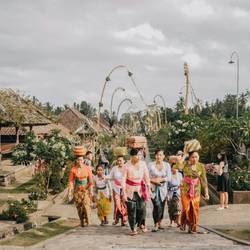
Penglipuran & Tenganan Bali 2026: Traditional Villages, Best Photo Spots and Visitor Guide
Munduk & Sambangan Bali 2026: Waterfalls, Best Photo Spots and Sunset Guide for North Bali
Savana Tianyar Bali 2026: Best Photo Spots, Sunset Guide and Things to Do in East Bali

Watersports in Nusa Dua and Tanjung Benoa 2026: The Complete Activity Guide
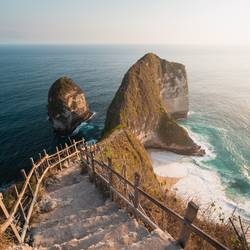
The Ultimate Guide to Kelingking Beach: How to Get There, Activities & More

Celebrating Mom: The Best Mother's Day 2024 Gifts Ideas