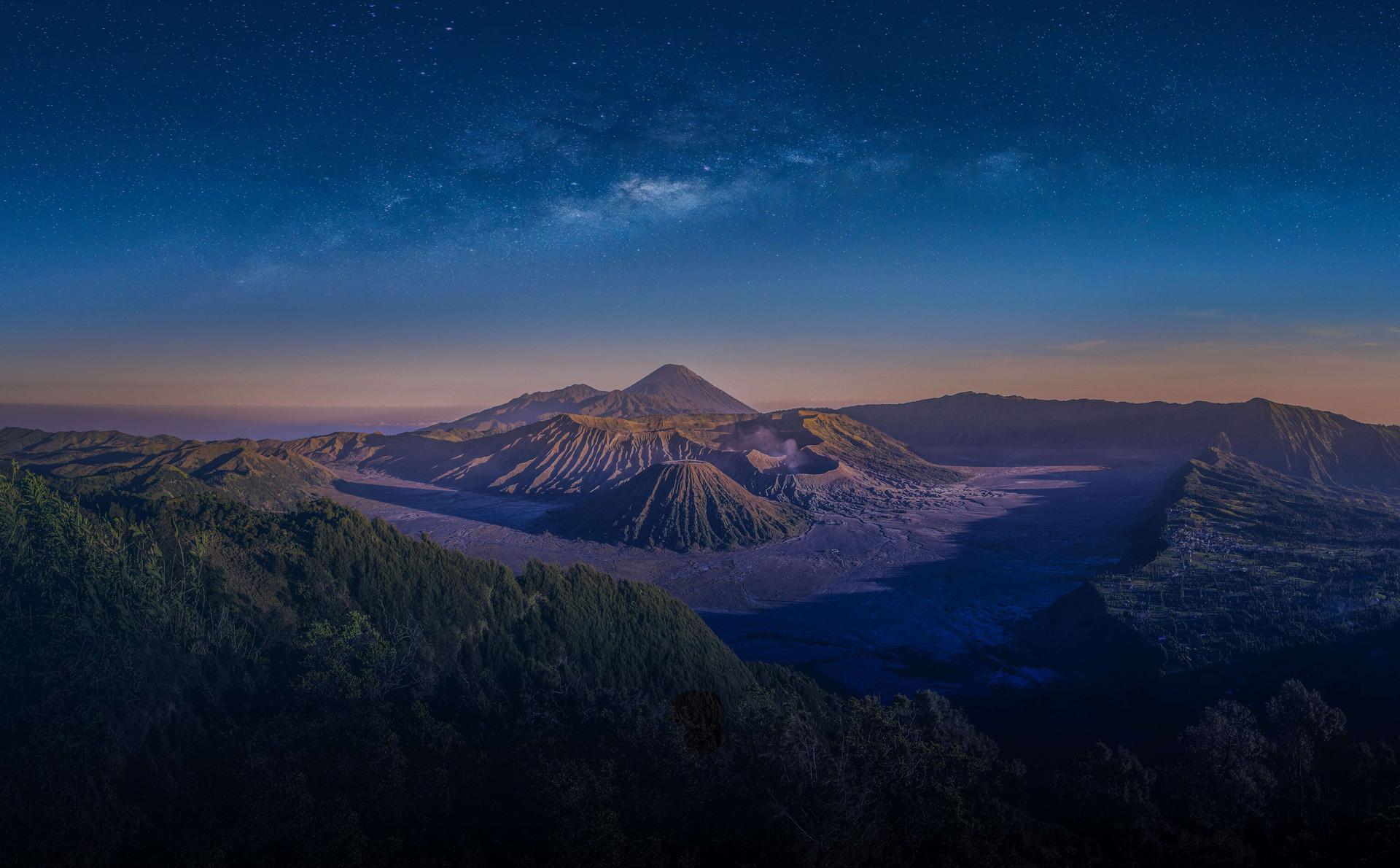
13 Most Photogenic Places in Ubud, Bali You Need to Visit in 2026



Ubud has long held a reputation as Bali's cultural and artistic heartland, a town where emerald rice terraces tumble down hillsides, ancient temples rise from jungle clearings, and soft golden light seems to linger longer than anywhere else on the island. Whether you are a dedicated photographer or simply someone who appreciates a breathtaking view, Ubud delivers scene after scene of extraordinary natural and architectural beauty. This guide covers the 13 most visually stunning spots in Ubud, complete with entrance fees, opening hours, and practical tips to help you make the most of every shot.
Ubud sits in the highlands of Bali's Gianyar Regency, roughly 25 kilometres north of the main tourist strip in Seminyak and Kuta. Its elevation gives the region a cooler, mistier atmosphere, and that combination of altitude, fertile volcanic soil, and deeply rooted Hindu-Balinese culture produces landscapes unlike anything else in Southeast Asia. From sacred monkey sanctuaries to UNESCO-listed rice terraces, here is where to point your camera.
Looking for a comfortable base while you explore? Browse a wide selection of hotels in Ubud to find options at every price point, from boutique villas nestled in rice fields to full-service resorts overlooking the jungle canopy.
1. Ubud Monkey Forest
The Sacred Monkey Forest Sanctuary is one of the most iconic natural landmarks in Ubud, a dense tropical forest home to more than 1,200 long-tailed Balinese macaques living freely among three 14th-century Hindu temples. Ancient stone pathways wind beneath towering banyan trees, past moss-draped statues and ornate stone bridges decorated with intricate carvings. The best time to visit for photography is early morning, when shafts of light filter through the forest canopy and the macaques are most active before the day's crowds arrive. Entrance costs IDR 130,000 per adult and IDR 100,000 for children, and the sanctuary is open daily from 9:00 AM to 6:00 PM.
2. Tegalalang Rice Terraces
The Tegalalang Rice Terraces are arguably the most photographed landscape in all of Bali, a sweeping amphitheatre of stepped emerald paddies carved into the hillside just north of Ubud town. The subak irrigation system that feeds these terraces is part of the same UNESCO-recognised cultural landscape that makes Bali's rice-growing tradition so remarkable. Sunrise and late afternoon offer the richest colours, with the light catching the water-filled paddies and turning them into mirrors of shifting gold and green. A small entry donation of around IDR 25,000 is collected by the local farming community, who are the true custodians of this land.
Getting the Best Angle at Tegalalang
Several cafes and viewing platforms along the main road offer elevated vantage points that look directly down into the terraces, and many charge a small fee that is offset against a food or drink order. For wider perspectives, walk along the lower trails that wind through the paddies themselves, where the geometry of the subak channels becomes most apparent. Early risers who arrive before 7:30 AM will find the terraces quiet and the light exceptionally clear. Drone photography is possible here but requires a permit and responsible operation to avoid disturbing the farming activity below.
3. Ubud Royal Palace (Puri Saren Agung)
Standing at the heart of Ubud town at the junction of Jalan Raya Ubud and Jalan Monkey Forest, the Royal Palace — known locally as Puri Saren Agung — is a sprawling complex of traditional Balinese architecture that has served as the seat of the Ubud royal family for generations. Intricate stone carvings, gilded wooden doorways, and tiered meru shrines create an extraordinary backdrop for wide-angle shots, especially in the warm light of morning. Entry to the palace grounds is free, and it is open daily from 7:00 AM to 6:00 PM. Evening performances of traditional Balinese dance are held within the palace courtyard, adding a vibrant, theatrical dimension to the site after dark.
4. Campuhan Ridge Walk
The Campuhan Ridge Walk is Ubud's most accessible nature trail, a gently undulating 9-kilometre path that follows a narrow ridge between two river valleys, offering panoramic views of rolling green hills, coconut palms, and the distant peaks of Bali's volcanic interior. The trail begins near the Pura Gunung Lebah temple on the western edge of Ubud town and is completely free to walk — there is no entrance gate or ticket booth. Early morning walkers are rewarded with soft mist clinging to the valleys and vibrant pink light catching the hilltops before the day heats up. The path is paved for much of its length, making it suitable for a range of fitness levels while still delivering scenery that feels genuinely remote.
Photography Tips Along the Ridge
The most visually compelling section of the walk lies between the trailhead and the small warung cluster about halfway along, where the ridge narrows and the valley drops away on both sides creating a dramatic sense of perspective. Walking the ridge facing west in the late afternoon transforms the landscape with warm, directional light that gives depth and texture to every frame. Bring a wide-angle lens to capture the full sweep of the valleys, or a telephoto to isolate individual coconut palms and distant temple rooftops against the sky. The walk takes roughly two hours at a comfortable pace, so plan accordingly and carry water.
5. Pura Taman Saraswati
Dedicated to Dewi Saraswati, the Hindu goddess of knowledge, arts, and wisdom, this temple in central Ubud is celebrated above all for its magnificent lotus pond, which stretches across the forecourt and frames the ornate split gate and carved red-brick shrines behind it. The lotus blooms are at their finest in the late afternoon, when the low sun catches their pink and white petals and casts long reflections across the still water. Entry to the temple grounds is free, and it is open daily from 7:00 AM to 5:00 PM for general visitors. Traditional Balinese dance performances are staged at the adjacent Lotus Café in the evenings, offering a cultural experience set against the floodlit temple backdrop.
6. Goa Gajah (Elephant Cave)

Goa Gajah, whose name translates as Elephant Cave, is an 11th-century archaeological site located just 4 kilometres southeast of Ubud town, recognised as one of Bali's most important ancient monuments. The site's most striking feature is its cave entrance, carved with an enormous gaping face surrounded by writhing demons, foliage, and mythological creatures — a facade that rewards close examination and creative camera angles. Below the main cave, a set of ancient bathing pools fed by six stone fountains provides a serene, symmetrical composition that is particularly beautiful in the soft morning light. Entry costs IDR 50,000 per adult (IDR 25,000 for children aged 5–11), and the site is open daily from 8:00 AM to 6:00 PM, including a sarong and sash rental that is required to enter.
Exploring the Full Goa Gajah Complex
Beyond the famous cave entrance, the Goa Gajah complex extends down a steep stone staircase into a lush ravine where the Petanu River flows past further shrines and carvings that most day-trippers never see. A small Buddhist relief carved into a rock face near the river is one of the site's lesser-known treasures, dating to the same 11th-century construction period as the cave itself. The ravine setting, thick with ferns and tree roots, offers a dramatically different photographic environment from the more manicured upper courtyard. Arrive early to explore the lower sections before tour groups arrive, typically between 10:00 AM and noon.
Ready to experience Ubud's cultural and natural wonders in person? Book activities including Monkey Forest entry, Balinese dance performances, and adventure experiences through the app.
7. Pura Gunung Kawi Sebatu
Unlike its more frequently visited cousin Gunung Kawi near Tampaksiring, Pura Gunung Kawi Sebatu remains one of Ubud's most serene and genuinely undiscovered gems, nestled in a natural spring valley where crystal-clear water flows through lotus-filled pools and koi-stocked ponds surrounded by flowering gardens. The temple complex is built around a sacred spring, and the cool, clear water that feeds the bathing pools and channels gives the entire site an atmosphere of extraordinary tranquillity compared to the busier temples in the region. Entrance is IDR 15,000 for adults and IDR 7,500 for children, and the temple is open daily from 8:00 AM to 6:00 PM. Traditional Balinese temple attire — a sarong and sash — is required and can be borrowed at the entrance.
8. Blanco Renaissance Museum
Perched on a hillside above the Campuhan River gorge, the Blanco Renaissance Museum preserves the former home and studio of Don Antonio Blanco, a Spanish-Catalan artist who settled in Bali in 1952 and spent the rest of his life painting in his adopted home. The museum building itself is an architectural curiosity, a theatrical blend of Baroque and Balinese design elements that includes a swan pond, terraced gardens, and open gallery spaces filled with vivid, sensual paintings of Balinese life. A complimentary welcome drink is included with the IDR 100,000 entry fee, making the visit feel more like a personal invitation than a standard museum admission. The museum is open daily from 9:00 AM to 5:00 PM, and the hilltop position provides excellent views across the jungle treetops toward Ubud town.
9. Tukad Cepung Waterfall
Tukad Cepung is widely considered the most otherworldly waterfall near Ubud, a hidden cascade that falls through a crack in a cave ceiling into a shallow pool below, with natural light beams cutting through the rock opening and illuminating the spray in brilliant white shafts. The experience of standing inside the cave while sunlight streams down through the water is unlike anything else in Bali, and the photographic potential is extraordinary. Reaching the waterfall requires a short but rewarding 20-minute trek down a rocky riverbed path, passing through thick vegetation and crossing shallow streams. Entrance is IDR 30,000 per person, and the waterfall is open daily from 7:00 AM to 6:00 PM; the light beams are most dramatic between 10:00 AM and noon.
Making the Most of Tukad Cepung
The cave interior is dimly lit except where the sunlight beam strikes, so cameras should be set to handle high-contrast lighting — spot metering on the illuminated spray produces the most dramatic results. Waterproof footwear is strongly recommended as the path involves several river crossings, and the cave floor can be slippery on wet rock. Visiting midweek and arriving when the site opens keeps the cave pool quieter, giving you more space to compose shots without other visitors in the frame. The surrounding ravine and forest are themselves scenic, and the walk to the waterfall is part of the experience.
10. Jatiluwih Rice Terraces

While Tegalalang gets more tourist traffic, the Jatiluwih Rice Terraces in Tabanan Regency offer a grander, more expansive vision of Bali's agricultural landscape — one recognised by UNESCO as part of the Bali Cultural Landscape World Heritage Site since 2012. The terraces here stretch across 600 hectares of working farmland, carved into the slopes of the Batukaru volcanic range at elevations that provide sweeping vistas impossible to achieve at lower-altitude terraces. Entrance is IDR 75,000–100,000 per person, and the site is open throughout the day. Several walking tracks of varying lengths cut through the active paddy fields, bringing visitors close to the farmers and the ancient subak irrigation channels that have sustained this landscape for over a thousand years.
Planning the Jatiluwih Visit
Jatiluwih is located approximately 35 kilometres from Ubud, making it a half-day excursion rather than a quick stop — renting a private car and driver is the most practical way to reach the site and allows you to stop at viewpoints along the scenic mountain road. The terraces change appearance dramatically across the farming calendar, ranging from flooded mirror-bright paddies to vibrant green shoots to golden pre-harvest fields, so any time of year offers a different but equally striking landscape. Sunrise and the golden hour before sunset offer the most dimensional light for photography, when the ridges of the terraces cast long shadows that emphasise their stepped geometry. Bring comfortable walking shoes and allow at least two hours to explore the full trail network.
11. Bamboo Forest Near Penglipuran Village
Located adjacent to Penglipuran, one of Bali's most celebrated traditional villages, the bamboo forest here features towering culms of bambu petung rising to more than 15 metres, their canopies closing overhead to form a green, whispering tunnel through which light filters in ever-changing patterns. The combination of vertical lines, layered green tones, and dappled illumination creates a naturally compelling composition that works equally well in portraiture and landscape photography. Unlike the famous bamboo groves at other destinations, this forest retains a quiet, undisturbed atmosphere that rewards patient, slow exploration. Penglipuran village itself charges a separate entrance fee of around IDR 25,000, and the combination of village and bamboo forest makes for a full half-day visit.
12. Puri Lukisan Museum
Founded in 1956, Puri Lukisan is the oldest art museum in Bali and sits within beautifully maintained tropical gardens in the heart of Ubud, making it as much a destination for outdoor photography as for indoor art appreciation. The museum's three pavilions are connected by garden paths bordered by lotus ponds, flowering hedges, and traditional Balinese stone sculptures draped in ceremonial black-and-white poleng cloth. The collection within covers the development of Balinese painting from the traditional Kamasan style through to the Ubud and Batuan schools of the 20th century, and the artworks themselves offer rich visual material for close-up photography. Entrance is affordable, and the museum's relatively low visitor numbers mean you can often explore the gardens in near-solitude — particularly special in the early morning when the light is low and golden.
13. Nyuh Kuning Village
Nyuh Kuning — whose name translates as "yellow coconut" in Balinese — sits just south of the Monkey Forest and is one of Ubud's most authentic neighbourhood communities, a place where traditional family compounds, small temples, and artisan workshops line quiet lanes bordered by rice paddies and coconut groves. The village is well known as an artists' colony, home to a community of sculptors, painters, and woodcarvers whose work reflects the continuity of Balinese craft traditions. Street photography here captures the textures of daily life: a sculptor at work in an open-sided studio, offering trays arranged at a temple gate, chickens beneath a sacred banyan tree. Entry to the village is free, and it is most alive in the early morning and late afternoon when residents are actively going about their day.
Ready to fly to Bali? Compare hundreds of options and find great-value flights to Denpasar with flexible booking options.
Discover Flights With Traveloka
Wed, 14 Oct 2026

Cebu Pacific
Manila (MNL) to Bali / Denpasar (DPS)
Start from ₱ 5,838.63
Sun, 20 Sep 2026

Sriwijaya Air
Jakarta (CGK) to Bali / Denpasar (DPS)
Start from ₱ 4,235.40
Tue, 29 Sep 2026

Aero Dili
Dili (DIL) to Bali / Denpasar (DPS)
Start from ₱ 13,070.64
Book Your Trip with Traveloka
Traveloka is Southeast Asia's leading travel platform, trusted by over 100 million users to plan and book trips from start to finish. Whether you are flying into Denpasar, searching for a jungle villa in Ubud, or booking a Balinese dance show for your first evening, the app brings everything together in one place so you can compare hundreds of options and secure the best prices without switching between multiple sites.
For Malaysian travellers, the app covers the full range of trip essentials: flights to Bali with real-time fare comparison, a curated selection of hotels from budget guesthouses to five-star resorts, and a broad catalogue of activities in Ubud ranging from cooking classes and rice terrace walks to temple tours and adventure sports. You can also arrange airport transfer from Ngurah Rai International Airport directly in the app, and book a car rental for day trips out to Jatiluwih or Tukad Cepung without the hassle of arranging a driver separately on arrival.
Travelling to Indonesia also means staying connected, and Traveloka offers eSIM options so you can browse maps and upload photos from the rice terraces the moment you land. Travel insurance is available at checkout, giving you peace of mind whether you are trekking to hidden waterfalls or exploring temple complexes. Check the latest Traveloka promotions for seasonal deals on flights, hotels, and activity bundles to Bali, and download the app before your trip to access exclusive in-app rates and a seamless booking experience from planning all the way through to check-in.
Tags:
bali
ubud



Recommended Articles

10 Top Places to Visit in Ubud at Night to Explore

Bali 7 Days Honeymoon Itinerary: An Ultimate Guide

Best Things To Do for 3 Days in Ubud Adventure

2024 New Photograph Spots in Ubud: 8 Fascinating Spots to Explore.

The Ultimate Guide to Spending a Day in Ubud

Missed Your Flight? Here's Exactly What to Do — and How to Recover Fast