


Traditional Activities in Seoul: 10 Authentic Korean Cultural Experiences


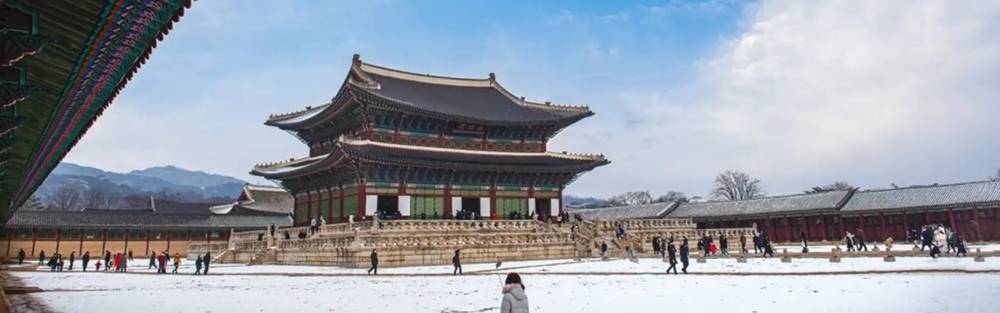
Seoul is a city where ancient traditions thrive alongside a cutting-edge modern skyline. Whether you want to dress in centuries-old ceremonial costume, learn to strike a 12-string zither, or spend a night meditating inside a Buddhist temple, the South Korean capital delivers one of the world's richest menus of living cultural heritage. These experiences go well beyond sightseeing — they invite you to participate in Korean history firsthand. Book your flights to Seoul and set aside several days for the traditional experiences listed below.
Discover Flights With Traveloka
Sat, 3 Oct 2026

Cebu Pacific
Manila (MNL) to Seoul (ICN)
Start from ₱ 5,131.43
Fri, 16 Oct 2026

Jin Air
Clark - Pampanga (CRK) to Seoul (ICN)
Start from ₱ 6,165.86
Thu, 1 Oct 2026
Cebu Pacific
Cebu (CEB) to Seoul (ICN)
Start from ₱ 5,611.57
1. Hanbok Rental at Gyeongbokgung Palace
Dressing in a hanbok — Korea's elegant traditional garment — is one of the most iconic things you can do in Seoul. Dozens of rental shops cluster around Gyeongbokgung, the grandest of the Joseon royal palaces, and most offer hundreds of styles from basic everyday robes to lavish royal wedding attire. Visitors wearing hanbok receive free entry to Gyeongbokgung and most other major palaces, which makes the rental cost-effective as well as photogenic. Many shops include hairstyling in the package, dressing guests in traditional buns, braids, and ornamental pins that complete the full period look.
The experience works just as well for solo travellers as for groups, and the palace grounds — with their sweeping stone courtyards, painted pavilions, and the backdrop of Bugaksan mountain — provide extraordinary scenery for photos. Rentals typically run from two to four hours. Book early on weekends and public holidays, when the most popular styles sell out quickly.
2. Temple Stay at Bongeunsa
A temple stay (templestay) is one of the most immersive traditional experiences available to foreign visitors in Seoul, and Bongeunsa — a 1,200-year-old Buddhist temple in the heart of Gangnam — is among the most accessible options. The programme runs on the first Saturday of every month, with English-language support throughout. Participants learn to perform the 108-bow meditation ritual, attend morning and evening prayer ceremonies, eat simple monastic meals, and experience the rhythmic calm that defines Buddhist monastic life. Jogyesa Temple in Jongno offers day-programme options for those who cannot commit to an overnight stay. Book via the official eng.templestay.com portal at least one month in advance for popular dates.
3. Korean Cooking Class
Learning to cook Korean food in Seoul gives you an edible souvenir that lasts far longer than a photograph. Classes in the city teach the techniques behind iconic dishes — bibimbap, japchae, tteokbokki, kimchi jjigae — with instructors explaining the cultural context and seasonal logic behind each ingredient. Most sessions run two to three hours in a small-group format, often in a traditional hanok kitchen space. You cook, eat your own creations, and leave with a recipe card to recreate the dishes at home. The Insadong and Bukchon areas have the highest concentration of culturally anchored cooking schools.
4. Traditional Pottery (Onggi and Celadon)
Korea has one of the world's most celebrated ceramic traditions, from the jade-green celadon of the Goryeo dynasty to the earthy onggi fermentation pots still used to age kimchi and doenjang across the country. Seoul and its surrounds offer hands-on pottery workshops where visitors can throw their own vessel on a wheel under the guidance of working artisans. The Insadong district hosts several studios that offer drop-in and pre-booked sessions throughout the week. Classes are suitable for beginners with no prior experience, and the meditative pace of throwing pottery makes it a popular complement to busier sightseeing days.
5. Traditional Korean Archery (Gukgung)
Gukgung — traditional Korean archery — is recognised as South Korea's Intangible Cultural Heritage No. 142. Visitor experience programmes in Seoul allow beginners to try the bow under instructor supervision at traditional archery ranges. Sessions emphasise correct posture, the meditative breathing central to the art form, and the strict etiquette that governs a traditional range. You do not need any athletic experience — the focus is on form and mindfulness rather than accuracy.
6. Korean Calligraphy in Insadong
Korean calligraphy — writing Hangul or classical Chinese characters with a traditional brush, ink stick, and inkstone — is a meditative practice with roots in centuries of Confucian scholarly culture. In Seoul's Insadong district, dedicated workshops teach visitors to grind their own ink, practise basic brushstrokes, and ultimately produce a finished scroll bearing a chosen word or phrase. Sessions typically run about two hours and are led by certified calligraphy instructors. The finished scroll is mounted, dried, and ready to take home as a one-of-a-kind artwork.
7. Gayageum and Traditional Music Lessons
The gayageum is a 12-string Korean zither plucked with the fingers, and its resonant, rippling sound is one of the most distinctively Korean sounds in existence. Short introductory classes in Seoul teach beginners to play a simple passage of Arirang, Korea's most beloved folk song, within a single 50-to-90-minute session. The Korean Traditional Performing Arts Foundation hosts intimate, unamplified concert performances for international visitors at Gwangmudae in central Seoul. Activities bookings on the app can help you secure cultural experience tickets before you land.
8. National Folk Museum of Korea
Located within the grounds of Gyeongbokgung Palace, the National Folk Museum of Korea is the country's primary institution for the documentation and display of everyday traditional Korean life. Its three permanent exhibition halls walk visitors through the arc of Korean history using reconstructed interiors, original artefacts, and detailed explanatory panels available in English. Admission is free, making it one of the best-value cultural experiences in the city. Opening hours run from 9 am to 6 pm, and the museum is closed on the first Tuesday of each month.
9. Bukchon Hanok Village Walking Tour
Bukchon Hanok Village is a hillside neighbourhood of some 900 traditional hanok timber-and-tile houses positioned between Gyeongbokgung and Changdeokgung palaces. Unlike open-air folk village museums, Bukchon is a living residential area — families still occupy many of the houses — which gives it an authenticity that purpose-built heritage sites cannot replicate. Guided walking tours thread through the village's eight main viewpoints, explaining the architectural logic of hanok design. Many tours combine the village walk with a visit to a traditional craft workshop or tea house within a restored hanok interior.
10. Traditional Performing Arts at the National Theater of Korea
The National Theater of Korea, located on the southern slopes of Namsan Mountain, is the country's foremost venue for traditional performing arts and stages regular productions of fan dance (buchaechum), mask dance (talchum), and elaborate court music throughout the year. The theater's outdoor stage hosts free summer performances on certain evenings. Talchum mask dance and samulnori percussion performances are particularly accessible for visitors who do not speak Korean. Checking the calendar before booking hotels allows you to choose accommodation that positions you conveniently for both venues.
Getting Around Seoul for Traditional Experiences
Seoul's subway network connects virtually every traditional site mentioned in this guide. For travellers arriving at Incheon International Airport, a pre-booked airport transfer eliminates the logistical stress of navigating an unfamiliar network with luggage on arrival day. A car rental is the most practical option for day trips to sites outside the city, such as Icheon's pottery villages or folk villages in Gyeonggi Province.
Plan Your Seoul Cultural Trip with Traveloka
Traveloka is Southeast Asia's leading travel platform, trusted by over 100 million users across the region. The app brings together everything you need for a cultural trip to Seoul: competitive fares on flights, a wide selection of hotels from budget guesthouses to five-star palaces, and a deep inventory of bookable activities including traditional Korean experiences, palace tours, and performing arts tickets. Browse Traveloka promotions for current deals on Seoul flights and accommodation, and download the app to manage all your bookings in one place.
Explore the Best of Seoul
Seoul
Myeongdong
Gangnam
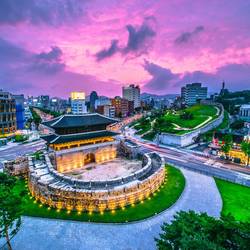
Dongdaemun
Recommended Articles
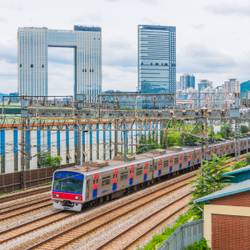
Getting Around Seoul: A Complete Transport Guide
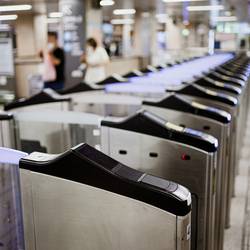
Seoul Metro Subway Guide: Lines, Fares, and How to Ride
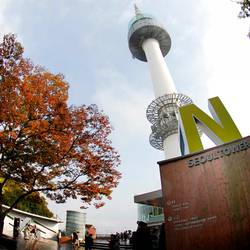
Seoul Nightlife Guide 2026: Best Districts, Bars & Things to Do at Night
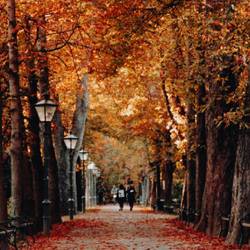
Seoul in Autumn: Your Complete Guide to the City's Most Spectacular Season

Seoul's 5 Best Neighbourhoods: Find Your Perfect Base in the Korean Capital
Singapore Night Festival 2026: Dates, Theme, and What to See


