Exploring Davao City: Parks, Durian & Mount Apo Views


Davao City greets visitors with a laid back vibe, rich greenery, and mountains that shape the skyline. This Davao City travel guide will help you plan a visit that balances city comforts and outdoor adventure.
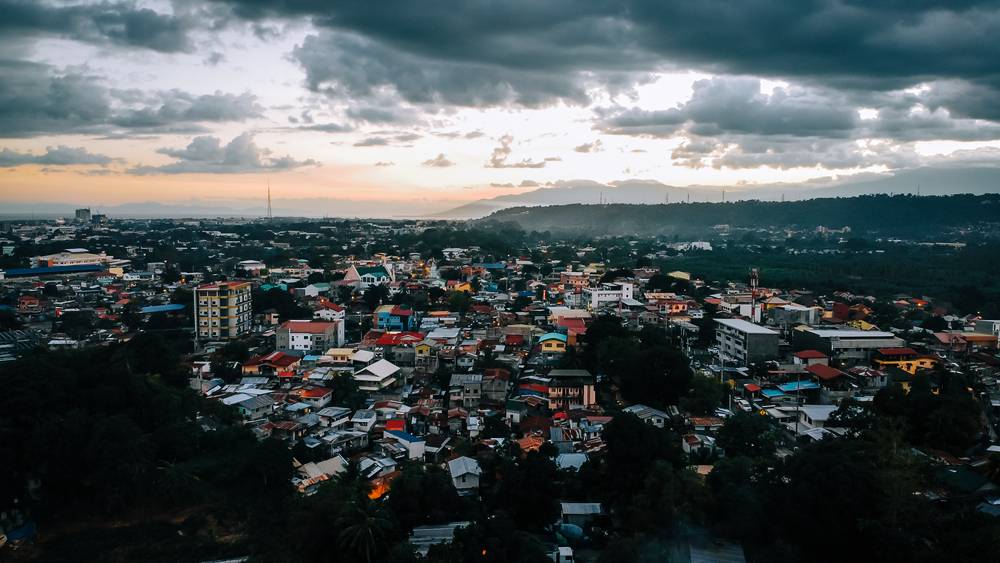
If you are arriving for the first time, expect welcoming neighborhoods, clean streets, and plenty of spots to taste local flavors. The city mixes modern malls with wide public parks and mountain views that invite exploration.
Getting there and practical address tips
If you fly into Davao, Francisco Bangoy International Airport sits just a short drive from the city center and connects you to the rest of the Philippines. For travelers hunting for deals, try searching for Cheap flights early to secure the best fares and preferred schedules.
Once on the ground, taxis and ride hailing services are easy to find, and many hotels offer transfers to streamline arrival. Another thing to note is that travel times vary with traffic, so leave extra time for afternoon or evening journeys across the city.
Where to stay: neighborhoods and lodging choices
If you enjoy being in the middle of things, consider lodging near Buhangin or the city center where restaurants and shops concentrate. For quieter stays with nature close by, look toward areas near Agdao or Catalunan Grande, where greenery and small local parks are more common.
Families and groups often prefer hotels with pools and on-site dining, which make slow mornings and relaxed evenings easy. You can readily compare options and book hotels that match your budget and desired amenities before you arrive.
Top parks and green spaces to visit
People’s Park sits near the city core and offers sculptures, shaded gardens, and open lawns for picnics and photos. If you are planning to slow down, this park is an excellent place to people watch and enjoy local snacks sold nearby.
Eden Nature Park gives a breath of fresh air and mountain vistas that feel worlds away from urban life, with guided trails and themed gardens to discover. Another popular green spot is Davao Crocodile Park, which balances wildlife encounters with informative presentations for curious visitors.
Durian and local food experiences
Durian is synonymous with Davao, and tasting the fruit is a must do for adventurous eaters visiting the city. If you’re nervous about the aroma, try durian sweets or durian pancakes at local markets where the flavor is more approachable.
Beyond durian, Davao’s culinary scene highlights tropical fruits, fresh seafood, and hearty Filipino favorites that reflect Mindanaoan influences. A food walk through markets and small eateries gives a clearer sense of daily life and local hospitality.
Markets and street eats
Combined day and night markets let you sample grilled seafood, skewers, and native desserts while meeting friendly vendors eager to chat. If you prefer a guided introduction, look for food tours that pair tastings with local history and neighborhood lore.
Another thing to note is that many markets accept cash only, so keep small bills for snacks and spontaneous purchases. Vendors are accustomed to tourists and often offer samples to help you decide what to try next.
Mount Apo views and mountain day trips

Mount Apo defines the region and offers dramatic vistas that reward both casual lookouts and seasoned hikers. If you want to glimpse the peak without a multi day climb, several viewpoints and nearby resorts offer sweeping perspectives of the mountain.
For trekkers, the full ascent requires permits, guides, and proper preparation, and climbing season and trail conditions change seasonally. Another thing to note is that local guide services can arrange transport, permits, and equipment rentals for a safer mountain experience.
Island escapes and attractions nearby
Just a short boat ride from the city, Samal Island offers beaches, snorkeling spots, and beach resorts that make a quick island escape easy to plan. If you want organized options, consider booking tours or snorkel trips that include transfers to and from the city waterfront.
For museums and urban attractions, the Davao Museum and the Malagos Garden Resort combine cultural insight with horticultural charm. When you want to skip lines or secure specific dates, check online listings for available attraction tickets before heading out.
Safety, local customs and useful tips
Davao is often regarded as one of the safer large cities in the Philippines, and locals tend to be warm and polite toward visitors. If you are planning to mingle with residents, picking up a few Filipino phrases shows respect and helps smooth everyday interactions.
An important tip is to respect local policies and signage in public spaces, and be mindful of respectful attire when visiting religious or cultural sites. Another thing to note is that cash remains common in many local shops and transport options, so plan accordingly.
Packing advice and best time to visit
Light clothing, a reliable pair of walking shoes, and a rain layer will cover most weather possibilities throughout the year. If you are focused on hiking or island activities, pack quick drying clothes, sun protection, and a refillable water bottle for sustainable travel habits.
Peak travel months bring more events and clearer weather, while off peak times usually mean fewer tourists and lower prices. If you prefer fewer crowds, try shoulder seasons when the city is lively but accommodations are easier to find.
Final thoughts and how Traveloka can help
Davao City blends outdoor adventure, city comforts, and memorable food experiences into one friendly destination for many types of travelers. For convenience, consider a travel platform that bundles flight, accommodation, and local activity options into one easy planning experience.
Traveloka acts as a regional travel marketplace that helps travelers compare and reserve flights, rooms, and experiences across Southeast Asia and beyond. The site connects you with airline options, a wide range of hotels, and curated local activities to make planning simpler and more efficient.
In This Article
Recommended Articles

Ring in the New Year in Style: 7 Best Luxury NYE Getaways

Where to Honeymoon in 2026: 6 Best Luxury Destinations for Couples

7 best theme parks in Australia with epic rides

2026 Toyota AFL Grand Final: The Complete Melbourne Guide for Visitors

TCS Sydney Marathon 2026: The Complete Guide for Runners

How to Join Touristanbul: Turkish Airlines' Free Istanbul City Tour for Transit Passengers
Explore the Best of Philippines

Manila

Cebu

Boracay

Cebu City