


Log In
Register
Dinagyang Festival Guide: History, Events & How to Celebrate Like a Local

Global Traveller
4 min read


Book Cheap Flights & Hotels on Traveloka
The Dinagyang Festival is a vibrant celebration that turns Iloilo City into a sea of music, color, and energy each year. If you love cultural festivals and street performances, this event offers a joyful, immersive experience that feels both communal and spectacular.
From choreographed dance battles to local food stalls and religious rites, Dinagyang blends devotion with lively spectacle in a way that draws visitors from across the Philippines and beyond. Read on to learn the history, what to expect, how to prepare, and how to enjoy the festival like a local.
History and Origins

Dinagyang began as a celebration honoring the Santo Niño, reflecting deep religious roots and local pride. The festival evolved from smaller observances into a major cultural event through community effort and creative choreography.
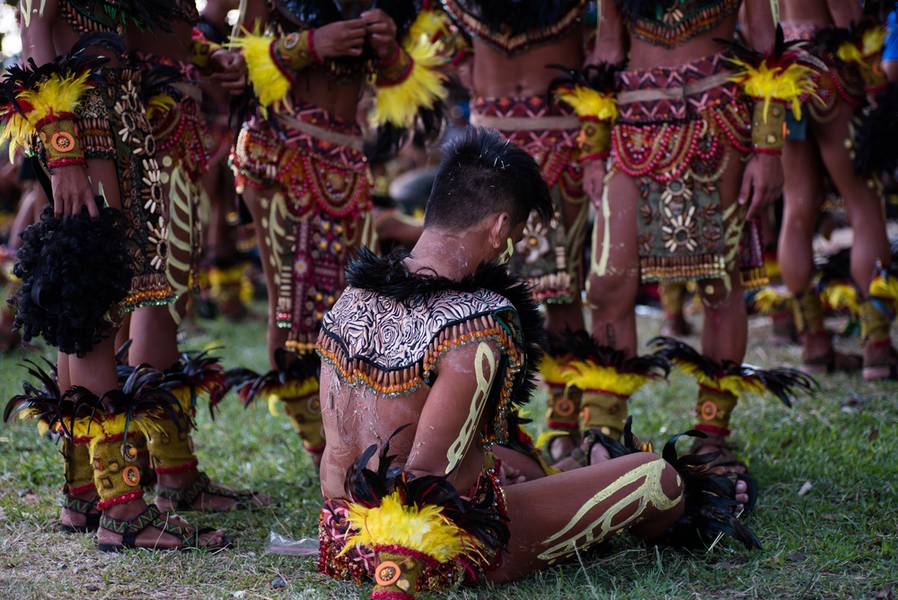
In the early years, tribal-inspired performances became the defining feature, with groups competing to present the most compelling storytelling on the streets. Over time, the festival adopted more elaborate costumes and synchronized routines, becoming a highlight of the Philippine festival calendar.
How the Tradition Grew
Local leaders and cultural groups formalized the festival to showcase Iloilo’s heritage and entertain visitors. The competitive element helped raise standards and encouraged teams to innovate with music, props, and dance formations.
Community participation helped keep the event authentic, with families and volunteers contributing to costume making and choreography in the months before the festival. This grassroots energy has kept Dinagyang feeling inclusive and grounded in local culture.
The heart of Dinagyang is the street dancing competitions, where tribes perform elaborate routines with drums, horns, and synchronized movement. These performances are loud, rhythmic, and visually striking, so bring ear protection if you plan to stand close to the action.
Aside from the main competitions, expect parades, religious processions honoring the Santo Niño, and side events like craft fairs and food bazaars. If you enjoy people-watching and photography, the parade routes offer endless candid moments and colorful backdrops.
Other Festivities and Side Shows
Community fairs and nightly concerts create an after-hours vibe that keeps the city buzzing well into the evening. Street vendors set up pop-up stalls selling local delicacies, handmade jewelry, and festival keepsakes, making wandering around part of the fun.
Family-friendly activities and interactive booths give children and casual visitors chances to join in without needing to be front row at the competitions. These smaller events add texture and make the entire festival accessible to visitors of all ages.
When It Started and Timing
Dinagyang traces its current form to the late 1960s and early 1970s, when organizers decided to spotlight the event on a larger scale. If you are planning a trip, the festival usually unfolds in late January, around the feast of the Santo Niño.
Exact dates can change each year, so check event schedules well in advance and consider booking early to secure lodging and travel. If you want to enjoy the primary competitions and the festive energy, aim for the weekend when the major street shows happen.
What to Prepare Before You Go
Think comfortable clothing and sturdy shoes, because you will walk and stand a lot while following processions and performances. Lightweight, breathable fabrics help in hot weather, and a compact rain poncho can save the day if tropical showers appear.
Bring cash for small vendors and transport, since some stalls do not accept cards and lines can be long during peak hours. A portable phone charger and a small daypack keep essentials handy and ensure you will not miss photographing a highlight moment.
Practical Packing Details
Sun protection like a hat and sunscreen is essential for daytime events, and consider earplugs for louder shows. If traveling with kids or elders, scout seating areas or quieter viewing spots ahead of time to avoid crowds and noise.
For more seamless planning, compare options on a platform that helps you find flights and rooms quickly, so you can focus on the festival experience. If you need to Cheap flights, check available schedules early to get better fares.
How to Celebrate Like a Local
Join neighborhood parties and community gatherings to feel the festival’s authentic spirit. Locals often gather in barangay squares, sharing food and stories while supporting their hometown performing groups.
Take part respectfully during religious rites by observing quietly and dressing modestly for processions, and feel free to ask friendly locals about the meaning behind specific dances or symbols. These conversations often lead to deeper appreciation and memorable interactions.
Where to Eat and What to Try
Street food is a major draw, so sample local favorites like batchoy and grilled seafood while exploring festival areas. Family-run stalls often offer the best flavors and value, and sharing dishes helps you try more without overspending.
For overnight stays, book early to secure locations near main venues and avoid long commutes on crowded festival days. You can easily book hotels that fit your budget and travel style, which frees up time for enjoying performances and spontaneous street scenes.
Etiquette and Cultural Notes
Respectful behavior is appreciated, especially during sacred ceremonies and processions honoring the Santo Niño. Avoid obstructing performers or religious participants, and follow local officials and marshals who manage crowd movement for safety.
Photography is generally welcome, but ask before taking close-up portraits of performers or elders. Showing curiosity with politeness opens doors to warm responses and often an invitation to learn more about a dance or costume element.
Getting Around and Extra Tips
Plan for heavy traffic and road closures near parade routes, and allow extra travel time between venues and your lodging. Public transport and ride services become busier during the festival, so consider walking or using local tricycles for shorter trips.
For curated experiences like guided walks or show tickets, reserve ahead of time to avoid sold-out disappointments. Booking organized activities can add structure to your trip and help you catch highlights without stress, and you can find reliable options for attraction tickets on travel platforms. If you want to prebook attraction tickets, look for packages that include pick-up or reserved seating.
Dinagyang is a citywide celebration of faith, creativity, and community pride that rewards curious travelers who come with an open mind and some practical planning. Whether you are a solo traveler or traveling with family, the festival offers moments of high-energy spectacle and quieter local connections.
Traveloka acts as a one-stop travel assistant that helps you search and book transportation, lodging, and local experiences across Southeast Asia and beyond. The platform connects you with many airlines, millions of places to stay, and a wide range of activities, so planning your Dinagyang trip becomes less stressful. Use it to compare options and secure your travel essentials before the festival begins.
Book Cheap Flights & Hotels on Traveloka
In This Article
• History and Origins
• How the Tradition Grew
• Main Events to Watch
• Other Festivities and Side Shows
• When It Started and Timing
• What to Prepare Before You Go
• Practical Packing Details
• How to Celebrate Like a Local
• Where to Eat and What to Try
• Etiquette and Cultural Notes
• Getting Around and Extra Tips
Recommended Articles

Ring in the New Year in Style: 7 Best Luxury NYE Getaways
23 Jul 2026 - 8 min read

Where to Honeymoon in 2026: 6 Best Luxury Destinations for Couples
23 Jul 2026 - 8 min read

7 best theme parks in Australia with epic rides
10 Jul 2026 - 4 min read

2026 Toyota AFL Grand Final: The Complete Melbourne Guide for Visitors
08 Jul 2026 - 6 min read

TCS Sydney Marathon 2026: The Complete Guide for Runners
07 Jul 2026 - 6 min read

How to Join Touristanbul: Turkish Airlines' Free Istanbul City Tour for Transit Passengers
03 Jul 2026 - 4 min read
Explore the Best of Philippines

Manila
Philippines

Cebu
Philippines

Boracay
Philippines

Cebu City
Philippines

Hotels
Flights
Things to Do
Always Know the Latest Info
Subscribe to our newsletter for more travel & lifestyle recommendations and exciting promos.

Subscribe


About Traveloka


Copyright © 2026 Traveloka. All rights reserved