Hawaii Trip Guide: Top Islands & Things to Do | Hawaii travel guide


Planning a trip to Hawaii feels like unlocking a playlist of sun, surf, and scenery made for every type of traveler. Whether you crave solo adventure, family downtime, or a group escape, this Hawaii travel guide lays out the essentials in an easy, friendly way.
Read on for island highlights, practical tips, must-see spots, and local customs to respect while you explore. If you are wondering about addresses, locations, or what to do once you land, the next sections walk you through it all.
Which islands should you visit
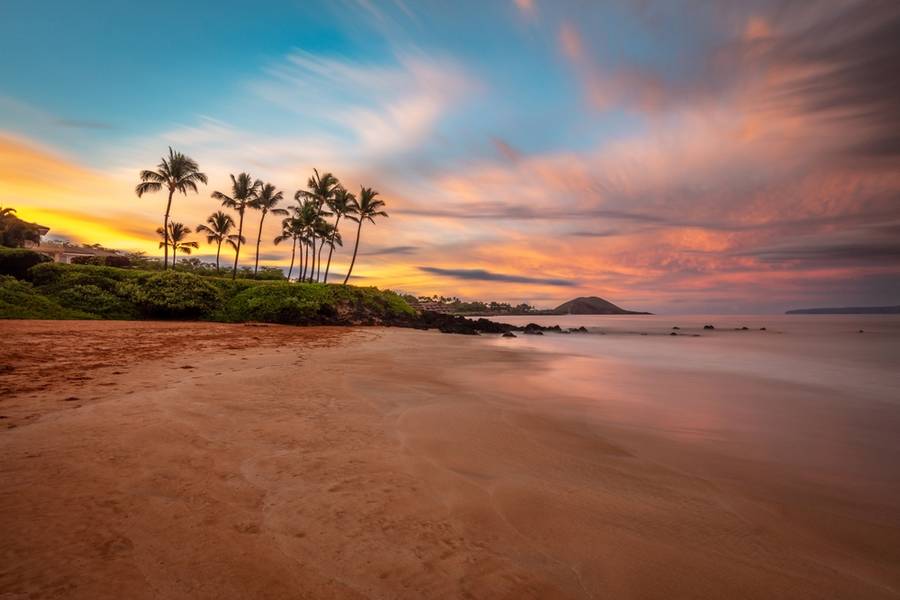
Each Hawaiian island offers a distinct vibe and attractions, so choose based on what you want to experience. Oahu mixes city life with classic beaches, Maui is famous for scenic drives and whale watching, the Big Island boasts volcanoes and diverse climates, and Kauai is lush and rugged.
If you have limited time, pick one or two islands to avoid rushed travel between airports or ferries. Another thing to note is that smaller islands like Molokai and Lanai provide quieter, more local experiences for travelers who want to escape the crowds.
Oahu highlights
Oahu is home to Honolulu and iconic Waikiki Beach along Kalakaua Avenue in the heart of the city, making it easy to combine beach time with dining and shopping. Pearl Harbor National Memorial at 1 Arizona Memorial Place, Honolulu is a moving historical stop and a common first-time visitor must-see.
Oahu also offers hikes such as Diamond Head and coastal drives like the North Shore route, famous for legendary surf spots. If you’re planning to spend time on Oahu, balance beach mornings with cultural or museum afternoons for a full experience.
Maui highlights
Maui is a go-to for dramatic sunrises at Haleakala National Park and the scenic Road to Hana, a long but rewarding drive with waterfalls and viewpoints. Lahaina town provides a pleasant base with shops, restaurants, and whale-watching tours in season.
Maui’s beaches range from golden sand to black volcanic shores, giving you varied shorelines to explore without leaving the island. Another thing to note is that sunrise reservations are often required at Haleakala, so plan and book early.
Big Island highlights
The Big Island stretches from lush rainforests to volcanic deserts and active lava fields at Hawaii Volcanoes National Park. Kona on the west coast offers coffee farms and diving opportunities while Hilo’s side shows waterfalls and botanical gardens.
Visiting Kilauea or Mauna Loa areas may require checking park status and safety advisories, as conditions change. If you want a dramatic landscape contrast in one trip, the Big Island’s variety delivers in spades.
Kauai highlights
Kauai, known as the Garden Isle, showcases the Na Pali Coast cliffs, ideal for boat tours or helicopter flights to appreciate the scale and green valleys. Waimea Canyon, sometimes called the Grand Canyon of the Pacific, offers accessible overlooks and hiking options.
Kauai is quieter and more rural compared to Oahu or Maui, so expect slower paces and fewer big-city conveniences. If you’re planning hiking or boat tours, consider booking ahead for peak seasons to ensure availability.
Top things to do and best tourist spots

Beaches remain the main attraction, with Waikiki, Poipu, Kaanapali, and Hapuna among the most popular, each offering unique sand and surf conditions. Cultural experiences like a luau, hula shows, and local markets are great ways to connect with Hawaiian traditions.
For adventurous activities, snorkeling at Molokini Crater, a Na Pali boat trip, and hiking to waterfall viewpoints rank highly among visitors. This Hawaii travel guide recommends booking popular experiences in advance, especially if you want specific time slots or guided tours.
Historic and natural landmarks also draw crowds, including the USS Arizona Memorial, Haleakala summit, and Volcanoes National Park. If you prefer hands-off planning, secure attraction tickets in advance to avoid sold-out days and long lines with attraction tickets.
Practical tips before you go
Flights connect differently depending on your starting point, so check schedules and book early for the best fares. For international or regional flyers, consider searching for Cheap flights and flexible routing to match your island choices.
Accommodations vary from resorts and condos to vacation rentals and guesthouses, and popular areas sell out fast during holidays. If you want a smooth stay, plan where to sleep based on activities and use a reliable booking platform to book hotels that fit your budget.
Another thing to note is that renting a car is often essential, especially on Maui and the Big Island where public transit is limited. Check rental pickup locations at major airports such as Daniel K. Inouye International Airport in Honolulu and Kahului Airport on Maui.
When to visit and weather patterns
Hawaii has pleasant temperatures year-round, but crowds and pricing peak during winter holidays and summer months. The shoulder seasons of spring and fall often provide better value and fewer tourists while maintaining good weather.
Rainfall patterns vary by island and side of island, producing microclimates that affect daily plans. If outdoor activities matter most, review local forecasts for the specific island and region before locking your schedule.
Getting around and useful addresses
Main airports include Daniel K. Inouye International Airport (Honolulu, HNL), Kahului Airport (Maui, OGG), Ellison Onizuka Kona International Airport (Big Island, KOA), and Lihue Airport (Kauai, LIH). Inter-island flights are frequent but should be booked in advance during busy months to secure seats.
Local buses can work for short trips on Oahu and parts of Maui, but a rental car provides the most flexibility for remote beaches and scenic drives. Another thing to note is that parking at popular trailheads and beaches can fill early in the day, so arrive early if you have a tight schedule.
If you seek official visitor centers, check Hawaii Volcanoes National Park for maps and safety updates, and stop by the Haleakala Visitor Center for current summit conditions and sunrise reservation info. Cultural centers, museums, and local visitor bureaus also provide helpful address information and event calendars for each island.
Safety, permits, and cultural etiquette
Respect for the land, or aina, and for local customs makes for a better visit and helps preserve Hawaiian culture. Avoid removing rocks, sand, or cultural artifacts, and follow posted signage at beaches and parks to protect fragile ecosystems.
Some activities such as fishing, certain park hikes, and drone use require permits, so verify rules before acting. If you encounter local residents, a friendly greeting and willingness to learn go a long way toward positive interactions.
Wrap-up and booking with a trusted partner
Hawaii rewards visitors who plan a little before they travel and remain open to local ways of life while exploring. For easy planning, consider a travel platform that bundles flights, lodging, and activities so you can manage bookings in one place.
Traveloka is a regional travel platform that helps travelers compare and book flights, hotels, and local experiences while partnering with many airlines and accommodation providers. Use it to find competitive fares, secure stays, and arrange tours so you can focus on enjoying the islands.
In This Article
Recommended Articles

Dubai in Summer 2026: What the Weather Is Really Like and How to Make the Most of It

Paris in Winter: Your Complete Weather and Travel Guide for 2026

Paris in Spring: What the Weather Really Feels Like (And Why It's Worth It)

Seoul in Autumn: Your Complete Guide to the City's Most Spectacular Season

London Summer Guide: Weather, Festivals, and the Best Things to Do in June, July & August
Osaka in Spring: Cherry Blossoms, Warm Walks, and Perfect Weather for Exploring
Explore the Best of Hawaii

Hawaii

Honolulu County

Maui

Hawaii County