Best Hiking and Trekking Destinations in Asia for 2026


Asia's trekking routes range from a two-hour crater walk to a two-week high-altitude expedition, which makes the region genuinely accessible regardless of fitness level or time available. Nepal, Indonesia, Vietnam, and Malaysia each offer a distinct kind of trail, from Himalayan base camps to volcanic sunrise hikes and rice terrace villages. This guide covers four of the best, with the practical detail needed to plan each one.
Book your flights into Kathmandu, Nepal, often called Asia's trekking capital and the natural starting point for this list.
Discover Flights With Traveloka
Tue, 20 Oct 2026

China Southern Airlines
Manila (MNL) to Kathmandu (KTM)
Start from ₱ 28,271.58
Fri, 9 Oct 2026

Thai Lion Air
Bangkok (DMK) to Kathmandu (KTM)
Start from ₱ 25,063.07
Mon, 28 Sep 2026

Air India
Kuala Lumpur (KUL) to Kathmandu (KTM)
Start from ₱ 14,894.46
1. Nepal: The Himalayas and Everest Base Camp
The Everest Base Camp trek covers roughly 130 km over 12 to 14 days, starting with a flight into Lukla before passing through Namche Bazaar and Tengboche Monastery on the way to base camp at 5,364 metres. The Annapurna Circuit offers a longer alternative at 14 to 21 days, crossing the Thorong La pass at 5,416 metres, while the Poon Hill Trek from Pokhara is a 3 to 4 day option better suited to trekkers with less time. Nepal's trail network is genuinely built around this range of commitment levels, making it realistic to pick a trek that matches your schedule rather than stretching a trip to fit one route.
Best Time to Trek
The pre-monsoon window from March to May and the post-monsoon window from September to November both bring the clearest mountain views and the most stable trail conditions, avoiding the heavy rain and cloud cover of the monsoon months in between.
2. Java and Lombok, Indonesia: Volcanic Trekking at Sunrise
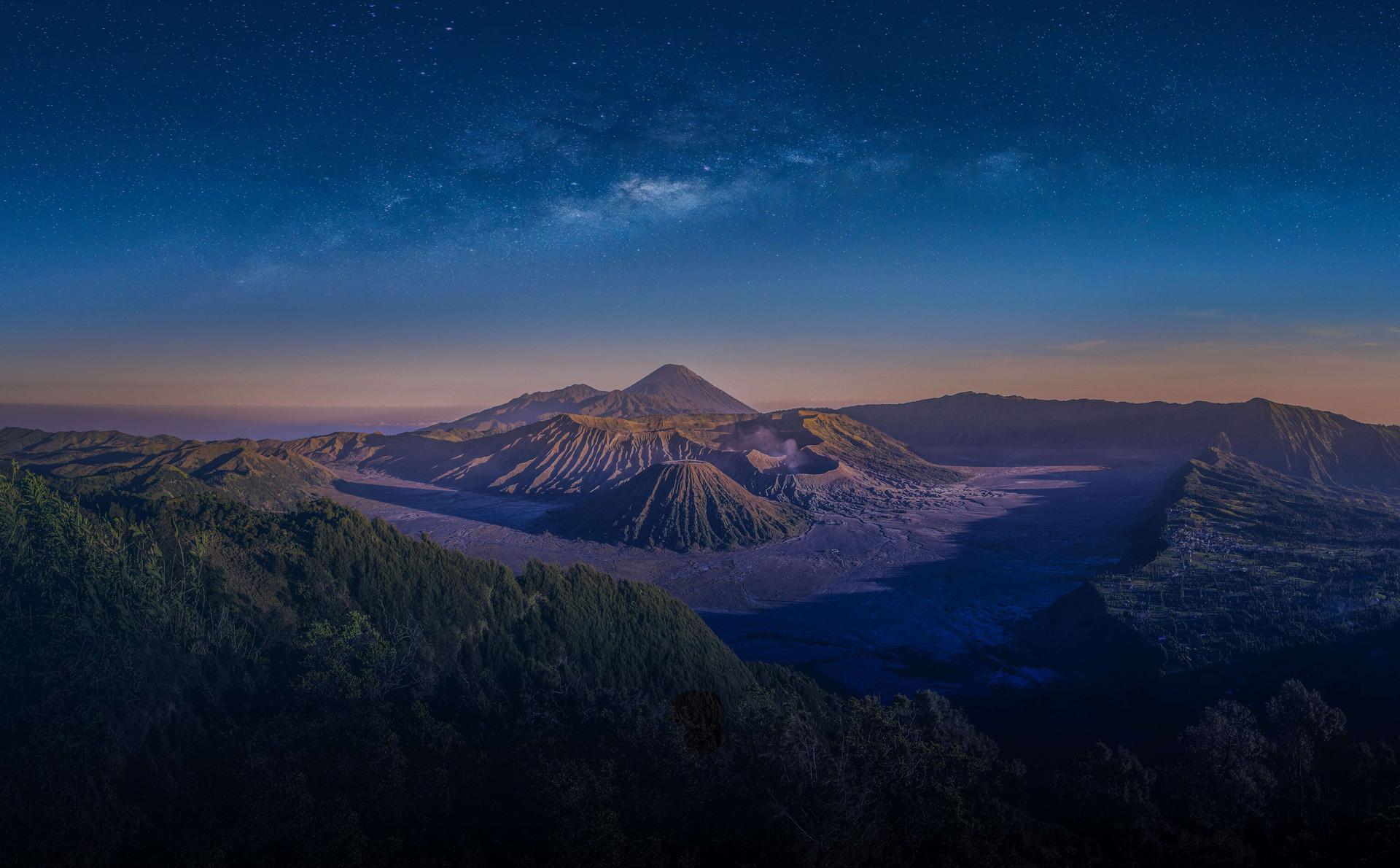
Mount Bromo in East Java is one of Asia's most accessible volcano hikes, a roughly two-hour walk followed by 253 steps up to the crater rim, with the Sea of Sand viewpoint delivering one of the region's most photographed sunrises for relatively little physical effort. Mount Rinjani on Lombok is a considerably bigger undertaking, reaching 3,726 metres via a 2-day summit route from Sembalun village that passes the striking Segara Anak crater lake along the way.
Comparing hotels in Kathmandu puts you close to the main trekking agencies and permit offices before setting out on any of the routes on this list.
Planning Around Rinjani's Season
Mount Rinjani National Park closes completely from January to March each year for monsoon rain and landslide risk, reopening for the trekking season from April through December. Every trekker now needs an official e-Rinjani permit, which includes mandatory insurance, so arranging this before arrival on Lombok is worth doing rather than leaving it to the trailhead.
3. Sapa, Vietnam: Rice Terrace Villages and Ethnic Minority Culture
Sapa's trekking routes wind through the Muong Hoa Valley and villages including Lao Chai, Y Linh Ho, and Ta Van, offering a considerably gentler pace than the high-altitude routes elsewhere on this list. Fansipan, at 3,143 metres, is Indochina's highest peak and can be reached either by a multi-day trek or a cable car for travellers who want the summit view without the climb. May to June, during rice planting, and September to October, during harvest, are the two seasons when the terraces look their best, with the flooded paddies of planting season and the golden fields of harvest offering genuinely different scenery from the same trails.
4. Mount Kinabalu, Malaysia: Borneo's Highest Peak
Mount Kinabalu in Sabah reaches 4,095 metres and is typically climbed over 2 days via the standard Timpohon Gate route, with an overnight stop at Laban Rata before a pre-dawn push to the summit for sunrise. The surrounding park protects over 5,000 plant species, 326 bird species, and around 100 mammal species, giving Kinabalu a level of biodiversity that few other single-mountain treks in Asia can match.
Booking activities like a guided Kathmandu valley tour before or after your trek is a practical way to build in a rest day around the physical demands of the trail.
Getting There
Sample Flight Routes
Bangkok to Kathmandu starts from around USD 303.69 with Batik Air Malaysia, Seoul to Kathmandu from around USD 195.90 with China Eastern Airlines, and Phnom Penh to Kathmandu from around USD 258.74, also with China Eastern Airlines, giving a general sense of what a Nepal-bound leg costs from other parts of Asia.
What to Pack
Layered clothing matters across all four destinations on this list, since even Bromo and Rinjani's tropical locations turn cold at high elevation or before dawn. A good pair of broken-in hiking boots, a headlamp for early starts, and a reusable water bottle cover the essentials common to every trek here, while high-altitude routes in Nepal additionally call for proper insulated layers and trekking poles.
A car rental is useful for reaching trailheads in Java or Sabah that sit outside major cities, and an airport transfer booked in advance gets you from Kathmandu's Tribhuvan International Airport into the city smoothly before your trek begins.
Plan Your Asia Trekking Adventure with Traveloka
Traveloka is Southeast Asia's leading travel platform, trusted by over 100 million users to plan trips both close to home and further afield. The app brings flights into every gateway city on this list, hotels near trailheads and permit offices, activities, car rental, eSIM, and travel insurance together in one place, making it easier to plan a multi-country trekking trip without juggling separate bookings. Check Traveloka promotions for current deals, and download the app to start planning your next trek today.
In This Article


Recommended Articles

Kansai Airport to Osaka: Every Way to Get There

JR Pass vs Regional Passes: Which One Actually Saves You Money
10 Must-Try Chinatown Singapore Food Stops: A Foodie's Guide

Free Things to Do in Istanbul in 2026 (Plus the One That Doesn't)
Phuket in 3 Days, 2 Nights: Secret Spots Beyond the Tourist Trail

Dubai Shopping Festival: A Complete Guide to DSF