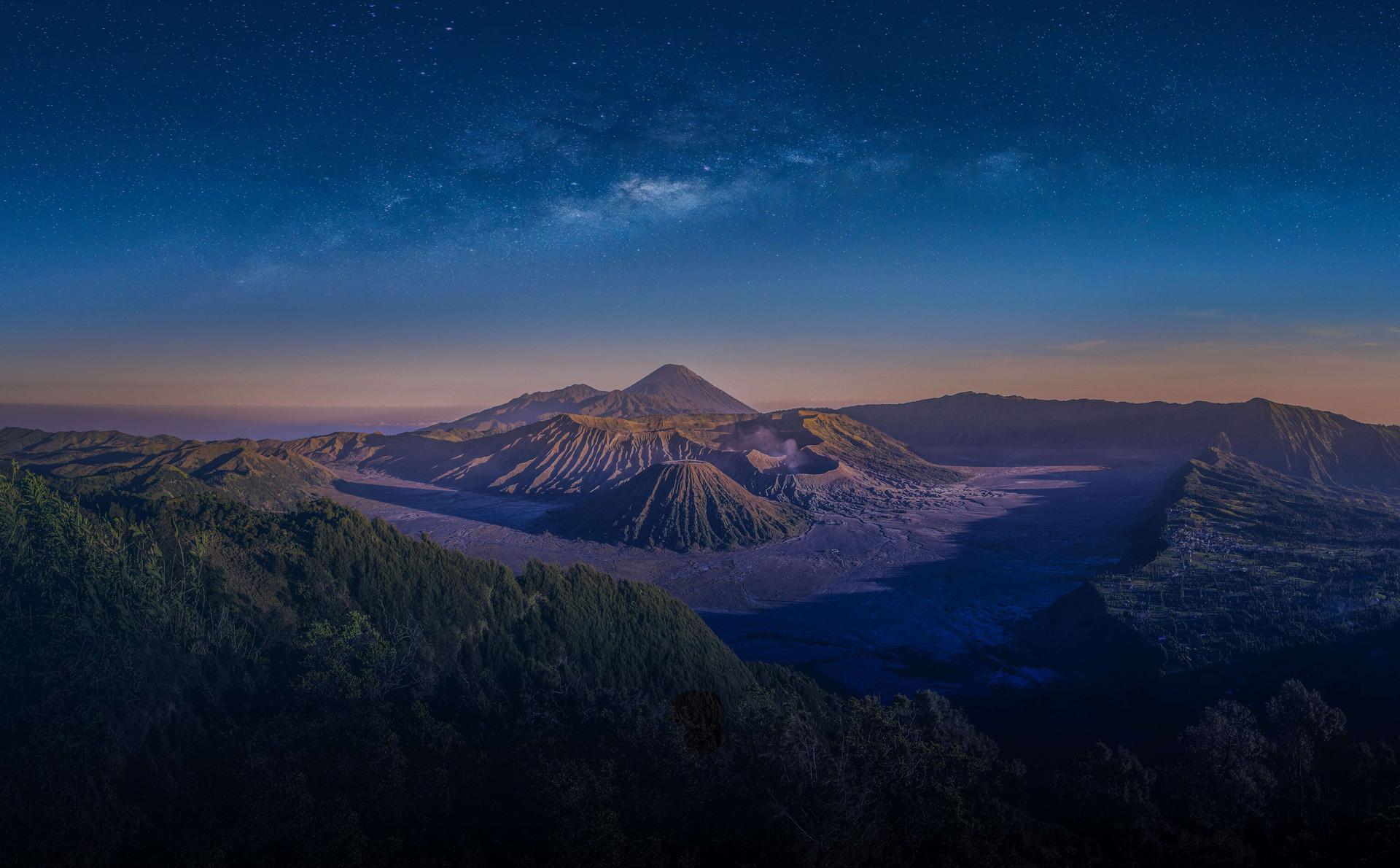
Visiting Mt. Pulag: Hiking Tips, Weather & Best Viewpoints - Mt Pulag travel guide


Mt. Pulag is one of the Philippines' iconic peaks, famous for its sea of clouds, cool weather, and sunrise views that make the early wake-up call totally worth it. Whether you are a solo backpacker chasing a personal summit, a family looking for a nature escape, or a group of friends planning a weekend adventure, this Mt Pulag travel guide will help you get there prepared and excited.
Below you will find practical tips, trail info, and local highlights to make your hike smooth and memorable. Each section is designed to be easy to scan so you can jump to the bits you need most.
Location and address
Mt. Pulag sits on the island of Luzon, straddling the borders of Benguet, Ifugao, and Nueva Vizcaya. The most common jump-off point is in Kabayan, Benguet, where the popular Ambangeg trail starts. Exact park coordinates vary depending on the trail you pick, but most visitors head to the Mt. Pulag National Park headquarters in Kabayan for permits and orientation.
How to get there - travel options
Getting to the base of Mt. Pulag usually involves a combination of flight or bus and a land transfer. If you are coming from Manila, overnight buses to Baguio followed by a local van or jeepney to Kabayan is common. For a faster option, you can look for Cheap flights to nearby airports like Clark and then arrange ground transport. Local tour operators also offer packages that include transfers, guiding, and permits, which can be a good option for first-timers or groups that prefer convenience.
Permits and booking
Mt. Pulag is a protected area, so you must secure permits and register with the park. The required permit depends on the trail and number of hikers. Park rangers provide orientation and often require a briefing before you hike. If you prefer to skip permit logistics, look for guided tours that include all paperwork and sometimes even meals and sleeping arrangements.
Best time to visit and weather
The best months to hike Mt. Pulag are from November to April when skies are clearer and temperatures are cooler. Nights at the summit can drop below freezing, especially during January and February, so proper cold-weather gear is essential. Rainy season typically runs from June to October, which brings slippery trails, limited visibility, and less chance of witnessing the famous sea of clouds.
Hiking tips for any traveler
Pacing is everything. Most ascents to the summit take multiple hours and can be physically demanding depending on the trail. Start slow, take frequent short breaks, and maintain a steady rhythm. Stay hydrated and bring snacks high in energy. If you are prone to altitude discomfort, ascend conservatively and know the early signs of altitude sickness. Group hikers should look out for the slowest member, while solo travelers should inform park officials of their itinerary and expected return time.
What to pack
Packing smart makes the difference between a comfortable hike and a miserable one. Bring a warm jacket, thermal layers, gloves, and a beanie for summit temperatures. Sturdy hiking boots with good grip are crucial for muddy or steep sections. A headlamp or flashlight is useful for pre-dawn starts. Don’t forget sunscreen, sunglasses, a rain jacket, and a small first-aid kit. For longer trips, carry a lightweight sleeping bag rated for cold nights and a mat if you plan to camp.
Top trails and best viewpoints
The Ambangeg trail is the most popular and well-maintained route, offering diverse scenery and the classic summit ridge experience. The Akiki trail, also called the "backdoor" route, is steeper and more challenging but rewards hikers with rugged, less-crowded landscapes. For families or less experienced hikers, the shorter Luzon trail from Buscalan provides a gentler approach.
The best viewpoints are at the summit ridge and the so-called "sea of clouds" viewing area. Sunrise from the summit is legendary - hikers gather early to secure a spot and watch the sun lift over the cloud layers, painting the peaks in gold and pink. If clouds are your main goal, mornings after clear nights give the best chance to see the sea of clouds phenomenon.
Where to stay and accommodation tips
Overnight options range from homestays in nearby villages to guesthouses in Baguio or local inns in Kabayan. Booking in advance is wise during peak season. If you want convenience and a comfortable base after your hike, you can easily book hotels in nearby towns or Baguio city. For a more immersive experience, consider staying with local hosts who often share stories about the mountain and the community.
Things to do near Mt. Pulag
A trip to Mt. Pulag pairs well with other northern Luzon experiences. Visit Baguio for its gardens, markets, and food scene. Explore the rice terraces of Banaue and the Ifugao communities for cultural immersion. For nature lovers, nearby waterfalls, hot springs, and cultural sites provide a relaxed follow-up to a strenuous hike. If you’d like pre-booked guided activities or day trips, look for local options that offer transportation and experienced guides to enhance your visit.
Popular tourist spots and local experiences
Aside from the summit views, the mountain is known for wildflower meadows, pine forests, and unique grassland ecosystems. Cultural visits to nearby indigenous communities can be meaningful, but approach respectfully and consider hiring local guides. Seasonal events, such as flower blooms or community festivals, may coincide with your visit and add a special touch to the trip.
Safety and conservation notes
Respect the park rules: carry out what you bring in, avoid open fires, and stick to established trails. Rangers enforce guidelines to protect the fragile habitat. Be mindful of waste, especially non-biodegradable items. If you hire a guide, choose someone licensed by the park or local community to support sustainable tourism.
Local food and practical tips
Food options near the trailheads are usually simple and hearty - soups, rice meals, and local snacks that fuel hikers. Bring some of your favorite energy bars and hydration mixes, but also try local specialties in the villages. Cash is handy in remote areas since ATMs can be scarce.
Final thoughts
Mt. Pulag is accessible enough for first-time hikers yet rewarding for experienced trekkers who want magnificent skies and peaceful mountain mornings. With the right preparation and respect for the environment, your visit can be safe, fun, and memorable.
Plan your trip with Traveloka
Traveloka makes planning your Mt Pulag adventure easier, whether you need transport, a cozy place to recover after the climb, or tickets to nearby activities. The platform brings together flights, hotels, and local experiences so you can organize the whole trip in one place. From comparing cheap flights and choosing where to book hotels to reserving guided nature walks and day tours, Traveloka aims to be your all-in-one travel companion. You can even check out curated attraction tickets to find the right local experiences for your group.
Ready for Mt Pulag? Pack smart, respect the mountain, and enjoy one of the Philippines' most unforgettable sunrise views. Traveloka is here to help you get there and make the trip hassle-free.
In This Article
Recommended Articles

Where to Honeymoon in 2026: 6 Best Luxury Destinations for Couples

7 best theme parks in Australia with epic rides

2026 Toyota AFL Grand Final: The Complete Melbourne Guide for Visitors

TCS Sydney Marathon 2026: The Complete Guide for Runners

How to Join Touristanbul: Turkish Airlines' Free Istanbul City Tour for Transit Passengers

Free Things to Do in New Zealand in 2026: Auckland and Queenstown's Best No-Cost Experiences
Explore the Best of Philippines

Manila

Cebu

Boracay

Cebu City