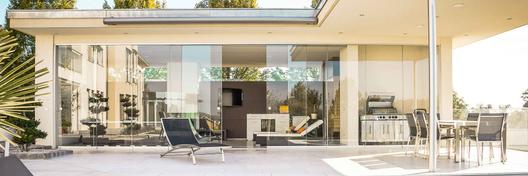
More about hotels in Manjo
Manjo: A Gateway to Cameroon's Rich Cultural Tapestry
For the discerning Filipino traveller seeking an authentic African adventure, Manjo, Cameroon, presents a compelling proposition. Unlike the more frequently visited destinations, Manjo offers a genuine glimpse into the heart of Cameroon, a nation celebrated for its diverse landscapes and vibrant cultural heritage. It's a place where the rhythm of daily life unfolds at its own pace, inviting visitors to connect with local traditions and experience a side of Africa that remains refreshingly untamed. This region promises an immersive journey, far from the well-trodden tourist paths, allowing for a deeper appreciation of its unique charm.
Manjo itself is not a monolithic entity but a region that encompasses a spectrum of experiences, from bustling local centres to more tranquil surroundings. The distinction between areas like Dibombari and the broader Manjo region highlights how the choice of accommodation can significantly shape one's perception and enjoyment of the destination. Understanding these nuances is key to unlocking the full potential of a visit, ensuring that travellers can tailor their stay to their preferences, whether they seek vibrant local interaction or a more serene retreat.
With an average nightly rate of approximately ₱6,901.15, Manjo positions itself as a destination offering considerable value for international travellers. Compared to the costs associated with popular tourist hubs in Europe or North America, Manjo provides an opportunity to experience a rich cultural landscape without the prohibitive price tag. This affordability extends to various aspects of travel, from accommodation to local experiences, making it an attractive option for budget-conscious explorers from the US, Europe, and India looking for an enriching yet economical adventure.
The accommodation landscape in Manjo, exemplified by establishments like Summit Guest House, reflects this commitment to providing accessible yet comfortable stays. While specific hotel options might vary, the presence of such properties indicates a developing infrastructure ready to welcome international visitors. For those planning their trip, exploring options like Summit Guest House can serve as a practical starting point, offering a tangible sense of the lodging quality and services available, and providing a solid foundation for those ready to book hotel.
Ultimately, Manjo is a destination that appeals to a broad spectrum of international travellers. American adventurers might find its off-the-beaten-path allure irresistible, while European visitors could be drawn to its potential for cultural immersion and historical discovery. Indian travellers may appreciate the relative affordability and the opportunity to explore a different culinary landscape, while African travellers from neighbouring countries might find a familiar yet distinct cultural resonance. Manjo offers a unique blend that caters to the curious and the adventurous spirit.
Best Areas to Stay in Manjo
Manjo, while a distinct region, offers a variety of neighbourhoods, each with its own character and appeal for international visitors. Choosing where to base yourself can profoundly influence your experience, from the ease of accessing local attractions to the overall atmosphere of your stay. Understanding these distinct districts is crucial for crafting a memorable trip, ensuring you find a locale that perfectly matches your travel style and interests within this Cameroonian setting.
Dibombari
Dibombari, a significant area within the broader Manjo region, offers a glimpse into a more grounded Cameroonian life. It presents a less polished, more authentic experience that can be particularly appealing to travellers seeking to step away from typical tourist circuits. The vibe here is one of community and local commerce, where daily routines are visible and accessible. This area might particularly resonate with travellers from other African nations or those from Europe and the US who prioritize genuine cultural interaction over curated tourist experiences.
From Dibombari, visitors can explore local markets and engage with the daily rhythm of life. While specific major landmarks might be limited within the immediate vicinity, its strategic position allows for exploration of the wider Manjo area. Accessing Dibombari typically involves travel from the nearest major transport hubs, and once there, local transport options are key for navigating. For those looking to delve deeper into the region's offerings, it's worth considering book attractions that showcase the natural beauty and cultural sites surrounding Manjo.
Manjo Central
Manjo Central serves as the administrative and commercial heart of the region, offering a more urbanized experience compared to its surrounding districts. Here, you'll find a concentration of businesses, government offices, and a lively atmosphere that reflects the pulse of the area. It's a practical base for travellers who value convenience and accessibility to essential services. This district is likely to appeal to business travellers and those who prefer to be in the midst of activity, with easy access to amenities and transport links.
Within Manjo Central, visitors can find a range of dining options, from local eateries to more established restaurants. It's also a good starting point for understanding the region's layout and planning excursions. Public transport is generally more developed here, making it easier to navigate to other parts of Manjo or connect to wider transport networks. For travellers prioritizing a central location and easy access to daily necessities, Manjo Central provides a solid foundation for their Cameroonian adventure.
Moungo Riverfront
The Moungo Riverfront area offers a more serene and picturesque setting within the Manjo region, characterized by its proximity to the natural beauty of the Moungo River. This district is suited to travellers who want a tranquil escape, with opportunities for leisurely strolls and enjoying the natural landscape. The pace of life here is slower, providing a refreshing contrast to more urbanized areas. It would likely appeal to European travellers interested in nature and relaxation, or any visitor looking for a peaceful retreat.
Activities along the Moungo Riverfront might include boat trips, fishing, or simply enjoying the scenic views. Local eateries in this area often feature fresh catches from the river, offering a distinct culinary experience. Getting to the Moungo Riverfront typically involves local transport from Manjo Central or Dibombari. Its appeal lies in its natural charm and the opportunity to unwind, making it a good choice for those who wish to connect with the environment surrounding Manjo.
Agricultural Outskirts
The agricultural outskirts of Manjo represent the rural heartland, where the region's primary economic activities take place. This area is characterized by farmlands, plantations, and a deep connection to the land. It offers an authentic experience for travellers interested in agriculture, rural life, and understanding the foundational industries of Cameroon. This district would particularly appeal to travellers from India or other agriculturally significant nations, as well as those from Western countries seeking an educational and grounded experience.
Exploring the agricultural outskirts provides opportunities to visit local farms, learn about crop cultivation, and witness traditional farming methods. Local food here is often fresh and directly sourced from the land. Accessing these areas usually requires private transport or guided tours, as public transport may be limited. For travellers keen on understanding the agricultural backbone of Manjo and experiencing a truly rural setting, these outskirts offer an unparalleled insight.
Accommodation in Manjo
4-Star Hotels in Manjo
Summit Guest House stands as a notable 4-star option within the Dibombari area of Manjo, offering a service apartment experience that caters to guests seeking a blend of hotel amenities and residential comfort. This establishment is particularly suited for travellers who appreciate having more space and facilities than a standard hotel room, making it ideal for longer stays or for those who prefer to prepare some of their own meals. Its rating suggests a high level of service and guest satisfaction.
With a price point around ₱6,901.15 per night, Summit Guest House represents a significant investment in comfort and convenience within Manjo's accommodation market. This rate positions it as a premium choice, likely appealing to international travellers from the US and Europe who are accustomed to a certain standard of quality and service. The service apartment format also makes it a practical choice for small groups or families looking for a home-like base while exploring the region.
Apartments in Manjo
Summit Guest House, located in Dibombari, Moungo, offers a service apartment experience that provides guests with a home-away-from-home feel. This type of accommodation is particularly beneficial for travellers planning an extended stay in Manjo, typically three nights or more, as it allows for greater flexibility in daily routines, including the option to prepare meals. Its service apartment nature suggests it caters to those who value privacy and a more independent living arrangement while still having access to hotel-like services.
The pricing for Summit Guest House, approximately ₱6,901.15 per night, places it in the upper mid-range to premium segment for Manjo. This cost reflects the added space, amenities, and potentially enhanced services offered by a service apartment compared to a standard hotel room. For international visitors, particularly those from Western countries or India, this price point can represent good value for the increased comfort and self-sufficiency it provides during their exploration of the Manjo region.
Food & Dining
What to Eat and Where to Find It in Manjo
Manjo's culinary landscape is deeply rooted in Cameroonian traditions, offering a rich array of flavours that reflect the country's diverse agricultural bounty. A must-try is Ndolé, a popular dish made from bitter leaves, peanuts, and often served with beef or fish, providing a unique and savoury taste experience. Another local favourite is Poulet DG, a flavourful chicken dish often prepared with plantains and vegetables, known for its hearty and satisfying profile. These dishes offer a direct connection to the local palate and culinary heritage.
For an authentic dining experience in Manjo, exploring local markets and street food stalls is highly recommended. Areas like those found in Dibombari or Manjo Central often host vibrant food scenes where you can sample these traditional dishes prepared fresh. For Muslim travellers, seeking out establishments that offer Halal-certified meats is advisable, though many local preparations may already adhere to these practices due to regional customs. It's always best to inquire locally about Halal options to ensure comfort and adherence to dietary needs.
The cost of dining in Manjo offers excellent value for international visitors. Street food and local eateries typically range from ₱150 to ₱500 per meal, a fraction of what one might expect to pay in Western countries. Mid-range restaurants might charge between ₱800 to ₱2,000 for a full meal, including drinks. This affordability allows travellers from the US, Europe, and India to explore a wide variety of local cuisines without significant budget strain, making dining a delightful and accessible part of the travel experience.
When dining in Manjo, understanding local customs can enhance your experience. Meal times are generally flexible, with lunch being the main meal of the day. Tipping is not always mandatory but is appreciated for good service, typically around 5-10% of the bill. It's polite to wait to be seated and to use your right hand for eating if partaking in communal dishes. Familiarizing yourself with these simple etiquette points will ensure smoother interactions and a more respectful engagement with local dining culture.
Local Etiquette & Safety
Cultural Norms and Staying Safe in Manjo
Understanding local etiquette is key to a respectful visit to Manjo. Cameroonians are generally warm and hospitable, but it's important to be mindful of social customs. Greetings are significant; a handshake is common, and it's polite to inquire about family and well-being. Dress modestly, especially when visiting villages or religious sites, as revealing clothing can be seen as disrespectful. Showing respect for elders and authority figures is highly valued in Cameroonian society.
When visiting Manjo, particularly its cultural sites or local communities, observe photography etiquette. Always ask for permission before taking pictures of people, especially children. In markets or public spaces, be aware of your surroundings and avoid overly intrusive behaviour. Queuing culture is present but can sometimes be less formal than in Western countries; patience and politeness are appreciated. Respecting local customs ensures positive interactions and a more enriching cultural exchange.
Safety in Manjo is generally manageable with standard precautions. It's advisable to keep valuables secure and out of sight, especially in crowded areas. For transportation, using reputable taxi services or ride-hailing apps if available in the region is recommended. While specific apps might vary, checking for local equivalents or relying on hotel-arranged transport can provide a safer travel experience. Staying aware of your surroundings and avoiding isolated areas at night are prudent measures for all travellers.
In case of emergencies in Manjo, local police and ambulance services can be contacted through emergency numbers. For Filipino travellers, it's crucial to know the location of the nearest Philippine Embassy or Consulate in Cameroon, which can provide assistance in emergencies. It is also advisable to register your travel with the Department of Foreign Affairs (DFA) and have contact information for the Overseas Workers Welfare Administration (OWWA) readily available. Carrying travel insurance is highly recommended for medical emergencies.
Travel Guide
Getting to Manjo and Getting Around
Reaching Manjo from the Philippines typically involves flights from major hubs like Manila (MNL) or Cebu (CEB), with connections likely in major international airports. Direct flights are rare, so expect at least one layover, often in the Middle East or Europe. The total travel time can range from 20 to 30 hours or more, with flight costs varying significantly based on the season and booking time, but budget around ₱50,000 to ₱80,000 for a round trip. The primary airport serving the Manjo region is likely to be Douala International Airport (DLA), from which you would arrange onward travel to Manjo.
Once you arrive in the Manjo region, getting around can be an adventure in itself. Local taxis and shared minibuses (known as 'moto-taxis' or 'buses') are common modes of transport. Negotiate fares before starting your journey, especially with taxis. For longer distances or more comfortable travel between key areas like Dibombari and Manjo Central, hiring a private car with a driver might be a worthwhile option, though more expensive. Exploring the local transport system offers a more immersive experience of daily life.
The best time to visit Manjo generally falls within the dry seasons, typically from November to February and again from June to August. During these periods, the weather is more pleasant for outdoor activities and exploration, with less rainfall. These months can be considered peak season, potentially leading to higher accommodation prices. Travelling during the shoulder seasons or the wetter months might offer lower rates and fewer crowds, but visitors should be prepared for potential rain disruptions.
Before departing for Manjo, ensure you have all necessary travel documents, including a valid passport with at least six months of validity remaining. The local currency is the Central African CFA franc (XAF), but it's wise to carry some USD for initial expenses, as exchange facilities might be limited outside major centres. Purchasing a local SIM card upon arrival at the airport can facilitate communication and data access. Essential apps include offline maps and translation tools.
Visa Information
Entering Cameroon to Visit Manjo
For Philippine passport holders planning a trip to Manjo, Cameroon, obtaining a visa is a necessary step. Cameroon generally requires a visa for Filipino citizens, and it is typically obtained in advance from a Cameroonian embassy or consulate. The process involves submitting an application form, passport photos, a valid passport with at least six months of remaining validity, proof of accommodation in Cameroon (such as hotel bookings), and a return ticket. Processing times can vary, so it is advisable to apply well in advance of your intended travel date. Use Traveloka to find the best flights — book flight.
The application process for a Cameroonian visa for Philippine nationals requires careful attention to detail. Essential documents usually include a completed visa application form, a passport valid for at least six months beyond your intended stay, recent passport-sized photographs, a confirmed hotel reservation in Manjo or elsewhere in Cameroon, and proof of onward travel. Depending on the embassy's requirements, you may also need to provide a certificate of vaccination (e.g., Yellow Fever) and proof of sufficient funds to cover your stay. Fees are typically payable in USD or local currency.
Visa policies and requirements can change, and it is crucial for all travellers to verify the latest information directly with the Embassy of Cameroon in the Philippines or the nearest diplomatic mission before making any travel arrangements. Confirming the exact visa requirements, application procedures, and fees will help ensure a smooth entry into Cameroon for your visit to Manjo. It is highly recommended to secure your visa before booking non-refundable flights or accommodation to avoid potential complications.
Your Manjo Adventure Starts Here
Manjo offers a unique opportunity to experience the authentic spirit of Cameroon, a destination rich in culture, natural beauty, and warm hospitality. It's a place where you can step off the beaten path and discover a side of Africa that resonates with genuine local life, far from the usual tourist crowds. Whether you're drawn by the prospect of exploring its diverse landscapes or immersing yourself in its vibrant traditions, Manjo promises a journey that is both enriching and profoundly memorable.
Traveloka provides a comprehensive range of accommodation options in Manjo, catering to every budget and travel style. From the value-conscious traveller looking for cheap hotels to those seeking more premium stays, our platform features properties across various neighbourhoods, including Dibombari and Manjo Central. We are committed to offering the Best Price Guarantee, 24/7 Live Agent Support, and flexible payment options like GCash, Maya, credit cards, and Traveloka PayLater, ensuring a seamless booking experience.
Embark on your Cameroonian adventure with confidence by booking your Manjo accommodation through Traveloka. Our extensive network and user-friendly platform make it easy to find the perfect place to stay, whether you're planning a short visit or an extended exploration. With options to suit every preference and budget, your journey to Manjo is just a few clicks away. Discover the ease and convenience of booking with Traveloka and start planning your trip today.
All information in this article is accurate as of the date of publication. Prices are subject to change depending on season, availability, and hotel policy.