

















More about hotels in Bumiayu
Bumiayu: A Gateway to Central Java's Undiscovered Charms
For the discerning Filipino traveller seeking an authentic Indonesian experience beyond the well-trodden paths of Bali or Jakarta, Bumiayu emerges as a compelling destination. This region, set in the heart of Central Java, offers a unique blend of natural beauty, rich cultural heritage, and genuine local hospitality that often eludes more commercialized tourist hubs. It’s a place where the rhythm of daily life unfolds at a gentle pace, inviting visitors to connect with the soul of Indonesia. From verdant landscapes to the warmth of its people, Bumiayu presents an opportunity to explore a side of the archipelago that remains refreshingly untouched by mass tourism.
The allure of Bumiayu is amplified by its diverse geographical tapestry, with distinct neighbourhoods offering varied experiences. Whether you find yourself drawn to the bustling energy around Bumiayu Station, the culinary delights of Ketanggungan, the administrative hub of Brebes City Center, or the more tranquil settings of Jatibarang, Kersana, Bulakamba, Larangan, and Tanjung, each area possesses its own character. Understanding these nuances is key to crafting a memorable itinerary, as your choice of base will significantly shape your perception of Bumiayu and its surrounding attractions.
With an average starting price of ₱ 1,991.00 per night and a solid review score of 8.2 from 173 guest assessments, Bumiayu positions itself as an attractive value proposition for international visitors. This affordability, coupled with a high level of guest satisfaction, suggests that travellers from the United States, Europe, India, and Africa can expect to find comfortable and engaging accommodations without straining their travel budgets. It represents an opportunity to experience Indonesian culture and natural beauty at a pace and price point that allows for deeper exploration and connection.
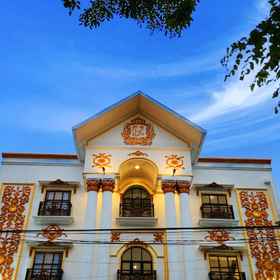
The accommodation landscape in Bumiayu is exemplified by properties like the Grand Dian Hotel Bumiayu. This establishment, while perhaps a starting point for understanding the local hospitality scene, hints at the range of options available. For travellers looking to secure their stay and begin planning their adventure, the ability to book hotel rooms easily through platforms like Traveloka ensures a seamless transition from planning to experiencing the wonders of Bumiayu.
Ultimately, Bumiayu caters to a spectrum of international travellers. For those from the United States and Europe, it offers a chance to delve into a less-explored facet of Southeast Asian culture, with opportunities for historical exploration and appreciating local craftsmanship. Indian travellers will find the affordability and the potential for diverse culinary experiences particularly appealing, while African travellers might discover a sense of regional familiarity in the warm climate and the communal spirit. Bumiayu promises an enriching journey for anyone willing to venture off the beaten path.
Best Areas to Stay in Bumiayu
Bumiayu, while a region rather than a single sprawling metropolis, offers a surprising variety of districts, each with its own distinct atmosphere and appeal for international visitors. Choosing where to base yourself can profoundly influence your travel experience, from the ease of accessing local attractions to the overall vibe of your stay. Understanding these different neighbourhoods is the first step to unlocking the unique charm of this Central Javanese locale.
Bumiayu
The central district of Bumiayu itself serves as the primary hub, offering a lively atmosphere that’s a good introduction for first-time visitors. It’s here that you’ll find key transportation links, including the prominent Bumiayu Station, making it a convenient base for exploring further afield. The area buzzes with local commerce and offers a glimpse into the daily life of the region, providing a dynamic yet accessible environment for travellers who appreciate being at the heart of activity.
From this central point, travellers can easily access local eateries and shops. The proximity to Bumiayu Station facilitates day trips to surrounding towns and natural attractions. For those looking to explore the culinary scene, the area around the station often hosts a variety of local food stalls and restaurants. Getting to Bumiayu from the nearest major airport typically involves a combination of domestic flights and ground transportation, with local taxis and ride-sharing services readily available within the district.
Ketanggungan
Ketanggungan presents a more laid-back, community-focused environment, appealing to travellers seeking a quieter Indonesian experience. This district offers a genuine feel of local life, away from the main tourist crowds, making it ideal for those who prefer to immerse themselves in the everyday rhythms of the region. Its charm lies in its authenticity and the opportunity to connect with residents in a more personal setting, offering a peaceful retreat after a day of exploration.
This area is known for its local markets and smaller, family-run eateries, providing a taste of authentic Javanese cuisine. While it may not boast major landmarks, Ketanggungan offers a window into rural Indonesian life. For travellers arriving from afar, reaching Ketanggungan from the nearest international airport will involve a significant journey, often requiring domestic flights to a regional airport followed by a car or bus transfer. Once in Ketanggungan, local transport options are more limited, often relying on motorcycle taxis or private car hires.
Brebes City Center
As the administrative and commercial heart of the wider Brebes regency, Brebes City Center offers a more urban feel compared to other parts of Bumiayu. This district is characterized by its well-organized infrastructure, a good selection of hotels, and a range of shopping and dining options. It’s a practical choice for travellers who value convenience and accessibility, providing a solid base with modern amenities while still retaining a distinct Indonesian character.
The City Center is a good starting point for exploring the region's administrative and cultural sites. It also serves as a gateway to various culinary experiences, with numerous restaurants and cafes catering to diverse tastes. For travellers arriving by air, the journey to Brebes City Center from the nearest international airport will involve a multi-leg trip, typically including a flight to a major Indonesian hub and then a connecting flight or extensive overland travel. Within the city, public buses and ride-hailing services are common.
Jatibarang
Jatibarang offers a blend of agricultural landscapes and developing urban amenities, making it an interesting area for visitors looking for a mix of rural charm and local convenience. This district provides a glimpse into the agricultural backbone of the region, with rice paddies and plantations often visible. It’s suited for travellers who appreciate a connection to nature and are interested in understanding the local economy and way of life beyond the main towns.
Visitors to Jatibarang can explore local farms and markets, experiencing the source of regional produce. The area is also home to several modest eateries serving fresh, local dishes. For those planning to book attractions or tours, Jatibarang can serve as a convenient starting point for excursions into the surrounding countryside. Reaching Jatibarang from international gateways involves significant travel, usually a combination of flights and ground transfers, and local transportation within the district is best managed with hired cars or motorcycles.
Kersana
Kersana is a district that embodies a more traditional Javanese setting, offering a peaceful and culturally rich environment. It’s an area where local traditions are often more visibly preserved, providing an authentic glimpse into the heritage of the region. This district is suited to travellers who want a slower pace and a deeper cultural immersion, away from the hustle and bustle of larger towns, allowing for quiet contemplation and genuine interaction with the local community.
In Kersana, visitors can discover local craftspeople and traditional culinary practices. The district’s serene atmosphere makes it a pleasant place to wander and observe daily life. While specific tourist attractions might be limited, the overall experience of the local culture is the main draw. Travel to Kersana from major international airports requires careful planning, typically involving flights to a regional Indonesian airport followed by a substantial road journey. Local transport within Kersana is generally limited to ojek (motorcycle taxis) and private car hires.
Bulakamba
Bulakamba offers a functional, transit-oriented environment, particularly notable for its proximity to major road networks and rest areas. This district is often a point of passage for travellers journeying across Java, making it a practical, albeit less tourist-centric, area to stay. It provides essential amenities and a sense of the region's connectivity, serving travellers who prioritize ease of movement and access to transportation routes over extensive local sightseeing.
The primary appeal of Bulakamba lies in its convenience for transit. Travellers might find basic amenities and eateries catering to those on the move. For those seeking specific attractions, day trips to nearby towns or natural sites would be necessary. Reaching Bulakamba from international airports involves a considerable travel time, usually a combination of flights and extensive road travel. Within Bulakamba, transportation is largely geared towards road travel, with taxis and ride-sharing services being the most common options.
Larangan
Larangan provides a glimpse into a more residential and perhaps less commercialized side of the Bumiayu region. This district offers a quieter atmosphere, allowing visitors to experience a more local, everyday Indonesian setting. It’s a suitable choice for travellers who are not seeking typical tourist amenities but rather a more authentic, grounded experience of life in Central Java, fostering a sense of community and local interaction.
While Larangan may not have prominent tourist attractions, it offers opportunities to observe local life and perhaps find small, authentic eateries. It’s a place to experience the genuine character of the region. The journey to Larangan from international airports is extensive, typically involving multiple flight segments and significant overland travel. Within the district, local transportation is limited, and hiring a car or motorcycle is often the most practical way to get around and explore the surroundings.
Tanjung
Tanjung presents itself as a district with a developing infrastructure, offering a balance between local life and emerging amenities. It’s an area that provides a sense of the region's growth and its connection to broader economic activities. For travellers, Tanjung can offer a base that is accessible yet provides a more grounded experience of Indonesian provincial life, away from the intense tourist focus of major cities.
Visitors in Tanjung can explore local markets and sample regional specialties. The district's developing nature means that while major attractions might be scarce, the experience of local commerce and community life is readily available. Getting to Tanjung from international airports requires a significant travel commitment, usually involving flights to a major Indonesian city followed by extensive road travel. Local transport within Tanjung typically relies on ride-sharing services and local taxis.
Discovering Bumiayu's Culinary Landscape
Bumiayu's culinary scene is a vibrant reflection of Central Javanese traditions, offering a delightful array of flavours that are both comforting and exciting for international palates. The region is particularly known for its distinctive take on Indonesian staples, often incorporating local spices and cooking methods that set it apart. From hearty, flavourful dishes to delicate sweet treats, exploring the food here is an adventure in itself, promising a genuine taste of local life and culture.
When seeking out the authentic tastes of Bumiayu, venturing into its local markets and smaller eateries is highly recommended. Areas around Bumiayu Station and the vicinity of RM Sakalibel Bumiayu are often hotspots for local culinary exploration, offering a chance to sample dishes prepared with fresh, regional ingredients. For Muslim travellers, Indonesia is predominantly Halal, and Bumiayu is no exception; most local establishments adhere to Halal practices, ensuring a comfortable dining experience for those observing dietary laws.
The affordability of dining in Bumiayu is a significant draw for international visitors. Street food and local warungs (small eateries) can offer delicious meals for as little as ₱ 50-100 (approximately $1-2 USD), while mid-range restaurants might charge between ₱ 200-500 (approximately $4-10 USD) per person for a full meal. Even more upscale dining experiences remain considerably more affordable than in many Western countries, making Bumiayu an excellent destination for food enthusiasts on a budget.
Navigating dining etiquette in Bumiayu is straightforward and generally relaxed. Meals are typically communal, and it's polite to accept offered food. While tipping is not mandatory, a small gratuity for exceptional service is always appreciated. It's common to eat with the right hand, especially when dining informally, though utensils are widely available. Understanding these simple customs can enhance your dining experiences and foster positive interactions with local hosts.
Cultural Norms and Staying Safe in Bumiayu
Understanding and respecting local customs is key to a rewarding visit to Bumiayu. Javanese culture, in general, places a high value on politeness, respect for elders, and maintaining harmony. Visitors are often met with warmth and curiosity, but being mindful of local sensitivities, such as dressing modestly when visiting religious sites or rural areas, will ensure smoother interactions and a more positive experience for everyone involved.
When visiting key locations like Bumiayu Station or popular eateries such as RM Sakalibel Bumiayu, maintaining a respectful demeanour is important. While photography is generally permitted, it's always courteous to ask for permission before taking close-up photos of individuals, especially in more traditional settings. Observing queue culture and being patient, particularly in busy areas, reflects an understanding of local social norms and contributes to a harmonious atmosphere.
Safety in Bumiayu is generally good, with petty crime being uncommon in most areas. However, as with any travel destination, it's wise to take standard precautions. Keep valuables secure, be aware of your surroundings, and use reputable transportation services. Ride-hailing apps like Grab are available and offer a convenient and relatively safe way to get around. For emergencies, local police and ambulance services are accessible, and having a basic understanding of Indonesian phrases can be helpful.
For Filipino travellers, it's important to be aware of any travel advisories issued by the Philippine Department of Foreign Affairs (DFA) regarding Indonesia. While Bumiayu is generally safe, it's always prudent to stay informed. Carrying a basic first-aid kit and considering travel insurance that covers medical emergencies is recommended. In case of serious issues, the Philippine Embassy in Jakarta can provide consular assistance, and having their contact details readily available is advisable.
Getting to Bumiayu and Getting Around
Reaching Bumiayu from the Philippines involves a journey that typically requires at least one connecting flight. Travellers usually fly from Manila (MNL), Cebu (CEB), or other major Philippine hubs to a primary Indonesian gateway like Jakarta (CGK) or Surabaya (SUB). From these major airports, a domestic flight to a regional airport closer to Bumiayu, such as Purwokerto or Semarang, is often the next step.
The final leg of the journey to Bumiayu will then involve ground transportation, such as a bus or private car hire, which can take several hours. The total travel time can range from 10 to 20 hours or more, depending on flight schedules and layovers. For those looking to secure their travel plans, using Traveloka to book flight tickets well in advance is recommended to find the best fares and routes.
Once you arrive in the Bumiayu region, navigating the local area is best managed through a combination of transport options. Public buses connect various towns and districts, offering an economical way to travel, though they can be crowded and follow fixed routes. For more direct and convenient travel, ride-hailing apps like Grab are widely available and provide a reliable service for getting around Bumiayu and its surrounding areas. Taxis are also an option, but it's advisable to agree on a fare beforehand or ensure the meter is used. For shorter distances or a more local experience, motorcycle taxis (ojek) are common and can be a quick way to navigate busy streets.
The best time to visit Bumiayu generally falls within the dry season, which typically runs from May to September. During these months, the weather is characterized by sunshine and lower humidity, making it ideal for exploring the region's natural landscapes and outdoor attractions. While the wet season (October to April) can bring rain, it also means fewer crowds and potentially lower accommodation prices, offering a different kind of appeal for budget-conscious travellers or those who don't mind occasional showers.
Before embarking on your trip to Bumiayu, a few pre-departure preparations will ensure a smoother journey. Ensure your passport is valid for at least six months beyond your intended stay. It's advisable to exchange some Philippine Pesos (PHP) for Indonesian Rupiah (IDR) upon arrival or at a reputable exchange bureau, though ATMs are widely available for cash withdrawals. Purchasing a local SIM card at the airport or in town will provide affordable data for navigation and communication. Essential apps to download include Google Maps, a translation app, and ride-hailing services like Grab.
Visa Information for Indonesia (Bumiayu)
For Philippine passport holders planning to visit Bumiayu, Indonesia, the visa requirements are generally straightforward. As of current regulations, Filipino citizens are typically granted visa-free entry into Indonesia for short stays, usually up to 30 days, for tourism purposes. This allows for a convenient entry process without the need for pre-application at an embassy or consulate. It is crucial, however, to always verify the latest visa policies with official Indonesian immigration sources before your travel dates, as regulations can change.
When entering Indonesia, travellers are expected to present a valid passport with at least six months of remaining validity from the date of arrival. Proof of onward travel, such as a return or onward flight ticket, may be requested by immigration officials. While a visa is not required for short tourist stays for Philippine nationals, having confirmed hotel bookings for your intended duration of stay can also be beneficial documentation to have readily available.
While visa-free entry is common, it is always recommended for travellers to confirm the most current visa regulations directly with the Embassy of the Republic of Indonesia in the Philippines or the official Directorate General of Immigration of Indonesia. This proactive step ensures you have the most accurate information regarding entry requirements, permitted length of stay, and any potential changes that might affect your travel plans to Bumiayu.
Your Bumiayu Adventure Starts Here
Bumiayu offers a compelling narrative for the international traveller seeking an authentic Indonesian experience, moving beyond the typical tourist trails to reveal a region rich in culture, natural beauty, and genuine local warmth. It’s a destination that rewards curiosity, inviting you to explore its diverse landscapes and connect with its people on a more personal level, making it a truly enriching addition to any Southeast Asian itinerary.
Traveloka provides a comprehensive range of accommodation options in Bumiayu, catering to every budget and preference. From budget-friendly hotels starting around ₱ 1,991.00 per night, perfect for backpackers and value-conscious travellers, to more comfortable mid-range and higher-tier properties across the various districts, you'll find the ideal base for your exploration. We empower you to book cheap hotels with confidence, backed by our Best Price Guarantee and 24/7 Live Agent Support. Explore flexible payment options including credit card, debit card, GCash, Maya, and Traveloka PayLater, with potential for up to 1.5x Loyalty Cashback. T&Cs Apply.
Don't just dream about your Indonesian adventure; make it a reality with Traveloka. We offer not only a vast selection of hotels but also a gateway to discovering the best attractions and seamless flight bookings to get you to Bumiayu and beyond. Start planning your journey today and experience the unique charm of Bumiayu with the ease and assurance that only Traveloka can provide.
All information in this article is accurate as of the date of publication. Prices are subject to change depending on season, availability, and hotel policy.