

More about hotels in Nanga Pinoh
Discover Nanga Pinoh: A Gateway to West Kalimantan's Charms
Nanga Pinoh, a captivating region in Indonesia's West Kalimantan province, offers a unique blend of natural beauty and cultural immersion that appeals to a diverse range of international travellers. While Indonesia is renowned for its sprawling archipelagos and iconic destinations, Nanga Pinoh presents a more intimate and authentic encounter with the island of Borneo. Here, the rhythm of local life unfolds against a backdrop of lush rainforests and winding rivers, providing a refreshing alternative to the more frequented tourist hubs. For travellers seeking to explore beyond the usual path, Nanga Pinoh promises genuine experiences and a chance to connect with the heart of West Kalimantan.
The region's charm lies in its distinct neighbourhoods, each offering a different facet of Nanga Pinoh's character. From the bustling commercial centres to the tranquil riverside communities, understanding these areas is key to crafting a memorable visit. North Pinoh, for instance, often serves as a central hub, while Belimbing Hulu might offer a glimpse into more traditional village life. Sayan, another distinct locale, could provide a quieter retreat. By choosing where to base yourself within Nanga Pinoh, you directly influence the pace and focus of your exploration, whether you seek adventure, cultural insights, or simply a peaceful respite.
For international visitors, Nanga Pinoh represents exceptional value. With an average nightly rate of approximately ₱970.24, it stands out as an accessible destination for those mindful of their travel budget. This affordability extends across various accommodation types and dining experiences, making it particularly attractive for travellers from the United States, Europe, India, and Africa. Compared to many Western destinations or even other popular Asian cities, Nanga Pinoh offers a significantly richer travel experience for a fraction of the cost, allowing for extended stays or more exploration within the region.
The accommodation landscape in Nanga Pinoh, while not extensive, provides a good starting point for understanding the local hospitality scene. Landmarks like the Kantor Bupati Melawi and the Gereja HKBP Sion Nauli Nanga Pinoh are not just points of interest but also indicators of the town's development and community life. These areas often host the most accessible lodging options, from simple guesthouses to more established hotels. For those ready to plan their stay, exploring these options is the first step to securing a comfortable base from which to discover Nanga Pinoh. You can easily book hotel rooms that suit your needs and budget.
Nanga Pinoh is a destination that caters to a variety of international travellers. For American tourists, it offers an off-the-beaten-path adventure with opportunities for nature exploration and cultural exchange. European visitors might find its historical context and the chance to witness traditional Bornean life particularly appealing. Indian travellers will appreciate the relative affordability, the potential for familiar culinary influences, and the ease of access through regional flight connections. While direct connections for African travellers might be less common, Nanga Pinoh serves as an excellent example of the diverse and accessible travel opportunities within Southeast Asia for those looking to explore beyond the usual tourist trails.
Best Areas to Stay in Nanga Pinoh
Nanga Pinoh, while a region rather than a sprawling metropolis, offers distinct neighbourhoods that cater to different travel preferences. For international visitors, understanding these areas is crucial for selecting a base that aligns with their desired experience, whether it's proximity to local life, access to nature, or a quieter atmosphere. Each district within Nanga Pinoh provides a unique perspective on life in West Kalimantan, shaping everything from your daily commute to the local flavours you encounter.
North Pinoh
North Pinoh often serves as a central point within the Nanga Pinoh region, characterized by a mix of commercial activity and residential areas. For international travellers, this neighbourhood offers a convenient base, providing access to essential services, local markets, and a general sense of the town's daily pulse. Travellers from the US and Europe might find the blend of local commerce and developing infrastructure interesting, offering a glimpse into regional Indonesian life. It’s a practical choice for those who want to be close to amenities while still experiencing an authentic atmosphere.
From North Pinoh, exploring the surrounding areas is relatively straightforward. You can find local eateries serving regional specialties and access transportation hubs that connect to other parts of West Kalimantan. The presence of hotels here means you are never too far from essential services. For those looking to explore beyond the immediate vicinity, North Pinoh is a good starting point for day trips into the natural landscapes or to visit cultural sites. It’s also a convenient area to find local guides or arrange excursions, making it easy to book attractions and tours.
Belimbing Hulu
Belimbing Hulu presents a more tranquil and perhaps more traditional side of Nanga Pinoh. This area is likely to appeal to travellers seeking a quieter experience, away from the main commercial bustle. For visitors from India or Africa, the slower pace and closer connection to community life might feel more familiar or offer a welcome contrast to busy urban environments. It’s an area where you can observe local customs and perhaps engage more directly with residents, offering a deeper cultural immersion.
The practicalities of staying in Belimbing Hulu revolve around its peaceful setting. While amenities might be more spread out, the charm lies in its authenticity. Local warungs (small eateries) are likely to offer genuine regional dishes, and the surrounding environment may provide opportunities for gentle exploration of the natural landscape. Getting to Belimbing Hulu from the main transport hubs of Nanga Pinoh would typically involve local transport, such as a short taxi or motorbike ride, offering a glimpse into everyday commuting.
Sayan
Sayan offers a distinct character, potentially catering to travellers looking for a specific type of experience within Nanga Pinoh. Depending on its development, it could be a more residential area, offering a glimpse into local family life, or it might possess unique natural features that draw visitors. For European travellers interested in understanding regional Indonesian living patterns, Sayan could provide a valuable perspective. It’s an area that encourages a slower pace of discovery, allowing visitors to appreciate the nuances of local life.
The appeal of Sayan lies in its potential for a more localized experience. Accommodation here might lean towards guesthouses or homestays, offering a more personal touch. Dining options would likely be focused on local warungs, providing an authentic taste of West Kalimantan cuisine. Access to Sayan would typically be via local transport from the central parts of Nanga Pinoh, making it an accessible yet distinct base for exploration. Its unique atmosphere makes it a good choice for those seeking a less commercialized stay.
Nanga Pinoh Central
The central district of Nanga Pinoh, often encompassing the administrative and commercial heart, is ideal for travellers who prioritize convenience and accessibility. This area is likely to host a greater concentration of hotels, restaurants, and shops, making it a practical choice for first-time visitors or those on shorter trips. For travellers from all source markets, including the US, Europe, India, and Africa, the central district offers a familiar level of urban convenience while still being firmly rooted in the Indonesian context.
Staying in Nanga Pinoh Central means easy access to key landmarks and transportation links. You'll find a variety of dining options, from local street food stalls to more established restaurants, catering to diverse palates. The central location also simplifies getting around, with taxis and local transport readily available. This area is perfect for travellers who want to be in the thick of things, with amenities and attractions within easy reach, facilitating a smooth and efficient exploration of the region.
Top Hotels
Budget Hotels in Nanga Pinoh
This category is perfect for travellers who prioritize affordability without compromising on essential comforts. Budget hotels in Nanga Pinoh offer a practical and cost-effective solution for exploring the region, with prices often starting around ₱970.24 per night. These accommodations are well-suited for backpackers, solo travellers, and those on extended trips who need a clean and safe place to rest after a day of exploration. Visitors from all source markets, particularly those from India and Africa, often find these options align well with their travel budgets.2-Star Hotels in Nanga Pinoh
For travellers seeking a balance between cost and comfort, 2-star hotels in Nanga Pinoh provide a reliable option. These establishments typically offer clean rooms with basic amenities, ensuring a pleasant stay without a hefty price tag, often in the range of ₱970.24 to ₱1,727.37 per night. They are a popular choice for many international visitors, including those from the US and Europe, who appreciate a step up in service and facilities from basic guesthouses. These hotels are frequently located in accessible areas, making them convenient bases for exploring the region.
Nite & Day Melawi - Nanga Pinoh
This 2-star hotel in North Pinoh, Melawi, offers a solid choice for travellers looking for value. With a rating of 8.1 based on 48 reviews, it suggests a generally positive guest experience. The hotel provides a range of facilities, including sport courts, badminton, a clothes dryer, a rooftop terrace, and business facilities, catering to both leisure and business needs. Priced at approximately ₱970.24 per night, it represents excellent value for money for those exploring Nanga Pinoh. Check current rates for Nite & Day Melawi - Nanga Pinoh.
Nite And Day Hotel Nangapinoh
Located in Belimbing Hulu, Melawi, this 2-star hotel stands out with a high rating of 8.7 from 6 reviews, indicating a very satisfactory stay for its guests. A key feature is its wheelchair accessibility, making it a considerate option for travellers with mobility needs. While the price point is higher at around ₱1,727.37 per night, the positive reviews and accessibility features justify the cost for many visitors seeking comfort and convenience in Nanga Pinoh. Check current rates for Nite And Day Hotel Nangapinoh.
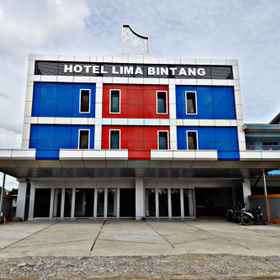
Hotel Lima Bintang
This 2-star hotel in North Pinoh, Melawi, has a rating of 5.9 based on 2 reviews. While the review score is lower, it still offers accommodation in a key area of Nanga Pinoh. For travellers prioritizing location and a basic place to stay, it might be considered. Its presence in North Pinoh means it's situated within a district that offers access to local amenities and transportation, serving as a functional base for exploring the region. Check current rates for Hotel Lima Bintang.
Nite & Day Melawi Nanga Pinoh
Situated in Sayan, Melawi, this establishment offers accommodation within the Nanga Pinoh region. While specific star ratings and pricing details are not provided in the reference data, its inclusion suggests it caters to travellers seeking lodging in this particular neighbourhood. Its location in Sayan might appeal to those looking for a quieter or more residential feel compared to the central districts, offering a different perspective on the Nanga Pinoh experience. Check current rates for Nite & Day Melawi Nanga Pinoh.
Hotels with Rooftop Terrace in Nanga Pinoh
For travellers who appreciate elevated views and a touch of modern amenity, hotels featuring a rooftop terrace in Nanga Pinoh offer a distinct advantage. These spaces often provide a pleasant spot to relax, enjoy the local climate, or even dine with a view, enhancing the overall travel experience. While Nanga Pinoh is not a high-rise city, such features can significantly elevate a stay, particularly for visitors from the US and Europe who often seek out these elevated amenities.Nite & Day Melawi - Nanga Pinoh
This 2-star hotel in North Pinoh, Melawi, offers a rooftop terrace as one of its amenities, providing guests with an elevated space to unwind. With a solid rating of 8.1 from 48 reviews, it suggests that guests appreciate the additional features offered. Priced at approximately ₱970.24 per night, it presents a budget-friendly option that includes this desirable rooftop amenity, making it an attractive choice for travellers looking for a bit more than just a basic room in Nanga Pinoh. Check current rates for Nite & Day Melawi - Nanga Pinoh.
Food & Dining
A Taste of Nanga Pinoh: Culinary Delights of West Kalimantan
Nanga Pinoh's culinary scene is a vibrant reflection of West Kalimantan's rich cultural tapestry, offering a delightful array of flavours that are distinct within Indonesia. The region is known for its use of fresh, local ingredients, often incorporating indigenous spices and cooking methods. Dishes here tend to be hearty and flavourful, with influences from Malay, Dayak, and Chinese cuisines. For international visitors, exploring these local tastes provides an essential window into the region's identity and heritage, making dining a key part of the travel experience.
When seeking out authentic Nanga Pinoh cuisine, exploring the local markets and smaller eateries is highly recommended. Areas like North Pinoh often have bustling markets where you can sample street food and regional specialties. For Muslim travellers, finding Halal-certified food is generally straightforward in Indonesia, and Nanga Pinoh is no exception. Many local restaurants and warungs will clearly indicate Halal options, ensuring a comfortable and inclusive dining experience for visitors observing dietary laws.
The affordability of dining in Nanga Pinoh is a significant draw for international travellers. Street food and meals at local warungs can cost as little as ₱50-₱100 (approximately $1-2 USD), offering incredible value. Mid-range restaurants might charge between ₱150-₱300 (approximately $3-6 USD) for a full meal. Even more upscale dining experiences remain considerably cheaper than in Western countries, allowing visitors from the US, Europe, and India to enjoy diverse culinary explorations without straining their budgets.
Practical dining tips for Nanga Pinoh include understanding local meal times, which typically revolve around breakfast, lunch, and dinner, with a strong emphasis on the midday meal. Tipping is not customary in most local eateries, though a small gesture of appreciation for exceptional service in more formal restaurants is always welcome. Familiarizing yourself with basic Indonesian phrases for ordering food can enhance your experience, and observing local etiquette, such as eating with your right hand, shows respect for the culture.
Local Etiquette & Safety
Navigating Nanga Pinoh: Cultural Nuances and Staying Secure
Understanding local etiquette is key to a respectful and enjoyable visit to Nanga Pinoh. Indonesians are generally known for their politeness and hospitality, and Nanga Pinoh is no different. A common greeting involves a slight nod and a smile. When visiting homes or more traditional settings, it’s customary to remove your shoes before entering. Public displays of affection are generally frowned upon, and it’s advisable to dress modestly, especially when visiting religious sites or more conservative areas within the region.
When visiting landmarks like the Kantor Bupati Melawi or Gereja HKBP Sion Nauli Nanga Pinoh, adhering to local customs is important. Dress codes are typically conservative; covering shoulders and knees is advisable. Always ask for permission before taking photographs of people, particularly in more rural or traditional settings. Queuing culture is present but can sometimes be less rigid than in Western countries, so patience and observation are useful. Respecting elders and local customs will ensure positive interactions.
For practical safety in Nanga Pinoh, exercising common sense precautions is recommended. While the region is generally safe, it's wise to keep valuables secure and be aware of your surroundings, especially in crowded markets. For transportation, ride-hailing apps like Grab are widely available and offer a convenient and relatively safe way to get around. It's also a good idea to have a local SIM card for easy communication and access to navigation apps, which can be invaluable for exploring the area independently.
In case of emergencies, knowing key contact numbers is vital. For police, dial 110, and for ambulance services, dial 118. While Nanga Pinoh may not have a dedicated tourist police force, local authorities are generally helpful. For Filipino travellers, the Philippine Embassy in Jakarta is the primary point of contact for consular assistance, though it's always wise to check for any regional consular services. Considering travel insurance is highly recommended for all international visitors to cover unforeseen medical expenses or emergencies.
Travel Guide
Your Journey to Nanga Pinoh: Flights, Transport, and Planning
Reaching Nanga Pinoh from the Philippines involves flying into a major Indonesian gateway city, followed by a domestic connection. Flights from Manila (NAIA/MNL) or Cebu (CEB) to Jakarta (CGK) or Pontianak (PNK) are common, with durations typically ranging from 4 to 8 hours, often with a layover. From Pontianak, the closest major airport to Nanga Pinoh, you can then take a bus or hire a car for the remaining journey, which can take several hours. The estimated cost for round-trip flights from the Philippines to Pontianak can range from ₱15,000 to ₱30,000, depending on the season and booking time. You can book flight tickets that best suit your schedule and budget.
Once you arrive in the Nanga Pinoh region, getting around is an adventure in itself. Local transportation primarily consists of 'ojek' (motorcycle taxis) for short distances, 'angkot' (minibuses) for inter-neighbourhood travel, and taxis or ride-hailing services for more comfort. Fares are generally very affordable, with short ojek rides costing around ₱20-₱50 (less than $1 USD) and angkot rides even less. For longer distances or more comfortable travel, hiring a car with a driver is an option, though it will be more expensive.
The best time to visit Nanga Pinoh is during the dry season, which typically runs from May to September. During these months, the weather is more favourable for outdoor activities and exploring the natural landscapes, with less rainfall. The shoulder seasons, April and October, can also be pleasant with fewer crowds. While Nanga Pinoh doesn't experience the extreme tourist influx of some other Indonesian destinations, visiting during the dry season ensures a more comfortable experience for international travellers.
Before you depart for Nanga Pinoh, ensure you have your essential travel documents in order. The local currency is the Indonesian Rupiah (IDR), and while some larger establishments might accept USD, it's best to exchange your currency upon arrival or use ATMs. Purchasing a local SIM card at the airport is highly recommended for data access and communication. Essential apps include Google Maps for navigation, Google Translate for language assistance, and ride-hailing apps like Grab.
Visa Information
Entering Indonesia for Your Nanga Pinoh Adventure
For Philippine passport holders planning to visit Nanga Pinoh, which is located in Indonesia, understanding the visa requirements is crucial. As of current regulations, Indonesian visa policy for Filipino citizens typically allows for visa-free entry for short stays, usually up to 30 days, for tourism purposes. This exemption is part of bilateral agreements between the Philippines and Indonesia. It is essential to ensure your Philippine passport has at least six months of validity remaining from your intended date of entry into Indonesia.
The application process for visa-free entry is straightforward, requiring no prior application. Upon arrival at the Indonesian port of entry, immigration officials will stamp your passport, indicating the duration of your permitted stay. While no visa fee is charged for this exemption, it is always prudent to carry proof of onward travel, such as a return flight ticket, and sufficient funds to cover your expenses during your stay in Indonesia, as immigration officers may request these documents.
While visa-free entry is common, immigration policies can change. Therefore, it is highly recommended that all travellers, especially those from the Philippines, verify the latest visa regulations with the official Indonesian immigration authorities or the Embassy of the Republic of Indonesia in the Philippines well before booking flights or making travel arrangements. Confirming your entry status ensures a smooth and hassle-free journey to Nanga Pinoh and other parts of Indonesia.
Your Nanga Pinoh Adventure Starts Here
Nanga Pinoh offers a compelling glimpse into the authentic heart of West Kalimantan, a region brimming with natural beauty and rich cultural heritage that often goes undiscovered by mainstream tourism. It’s a destination that rewards the curious traveller with genuine interactions and a deeper understanding of Borneo's diverse landscapes and communities, providing a refreshing contrast to more developed tourist hubs.
At Traveloka, we understand the diverse needs of international travellers exploring destinations like Nanga Pinoh. Whether you're seeking budget-friendly guesthouses starting around ₱970.24 per night or more comfortable mid-range hotels, our platform offers a wide selection across Nanga Pinoh's distinct neighbourhoods. We are committed to providing the best value, ensuring you can find cheap hotels that meet your standards, complemented by our Best Price Guarantee and 24/7 Live Agent Support.
Make your Nanga Pinoh trip seamless by leveraging Traveloka's extensive offerings. With over 2 million hotels worldwide and flexible payment options including credit card, GCash, Maya, and Traveloka PayLater, planning your accommodation is convenient and secure. Explore our platform to discover the perfect stay that fits your budget and travel style, and embark on your Indonesian adventure with confidence.
All information in this article is accurate as of the date of publication. Prices are subject to change depending on season, availability, and hotel policy.