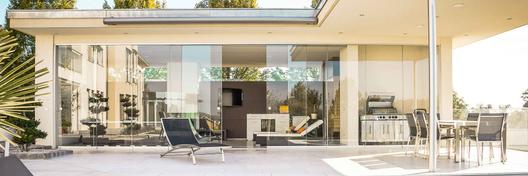
More about hotels in Chitima
Chitima: A Gateway to Mozambique's Untamed Beauty
For the discerning international traveller seeking an authentic African adventure, Chitima, Mozambique, presents a compelling proposition. Unlike the more frequented tourist hubs, Chitima offers a raw, unfiltered glimpse into the heart of this captivating nation. It’s a destination where the rhythm of local life beats strong, set against a backdrop of natural splendour and a rich cultural heritage that whispers tales of ancient traditions and resilient communities. This region is not about manufactured experiences; it’s about genuine discovery, inviting you to connect with Mozambique on a deeper, more personal level.
The geographical tapestry of Chitima itself is a study in contrasts, offering a diverse range of experiences within its embrace. From the more developed areas that cater to visitors to the quieter, more traditional villages, the choice of where to base yourself significantly shapes your journey. For instance, the Songo area, known for its proximity to significant infrastructure, offers a different pace and set of amenities compared to the more central districts of Chitima. Understanding these nuances is key to unlocking the full potential of your visit, ensuring your accommodation aligns perfectly with your desired exploration.
In terms of value, Chitima stands out as an attractive option for international travellers. With an average nightly rate of N/A, it offers a more accessible entry point into Southern Africa compared to many neighbouring countries. For travellers from the United States, Europe, and India, this translates into greater purchasing power, allowing for extended stays, richer culinary experiences, and the opportunity to explore more of the region's offerings without straining the budget. Chitima provides an opportunity to experience Mozambique's charm without the premium price tag often associated with international travel.
The accommodation landscape in Chitima reflects its evolving status as a destination. While it may not boast the sheer volume of hotels found in major global cities, it offers a curated selection that caters to various preferences and budgets. From comfortable, well-appointed hotels to more intimate guesthouses, there are options to suit every traveller. For those looking to secure their stay, exploring the available options on Traveloka allows for easy comparison and booking, ensuring your chosen abode is ready for your arrival. You can book hotel accommodations that fit your needs.
Chitima is a destination that appeals to a broad spectrum of international visitors. For American travellers, it offers an off-the-beaten-path adventure, a chance to explore a less-trodden corner of Africa. European travellers will find a rich cultural heritage and opportunities for historical exploration, coupled with stunning natural landscapes. Indian travellers can appreciate the relative affordability, the potential for diverse culinary experiences, and the ease of travel within the region. For travellers from other African nations, Chitima represents a chance to explore a neighbouring country with unique cultural and natural attractions.
Best Areas to Stay in Chitima
Chitima, while a specific region, encompasses a variety of districts, each offering a distinct flavour and set of experiences for international visitors. Choosing the right neighbourhood to base yourself in is crucial, as it will profoundly influence your daily adventures, access to amenities, and overall immersion into the local Mozambican culture. From bustling commercial hubs to serene natural enclaves, understanding these areas will help you tailor your Chitima itinerary to perfection.
Songo
Songo, situated within the Cahora Bassa district, presents a unique proposition for travellers. It’s an area intrinsically linked to significant infrastructure, offering a blend of functional amenities and a glimpse into the operational heart of the region. For international visitors, Songo provides a practical base, often favoured by those on business or with specific interests in the area's development projects. Its character is one of purpose and efficiency, yet it retains a distinctly Mozambican charm, offering a different perspective than more tourist-centric locales.
From Songo, exploring the wider Cahora Bassa region is convenient. While specific tourist attractions within Songo itself might be limited, its strategic position allows for day trips to natural reserves and the impressive Cahora Bassa Dam. Access to Songo typically involves travel from the nearest major transport hubs, with onward connections often facilitated by local transport services. For those seeking to explore the natural beauty and engineering marvels nearby, Songo serves as a functional starting point for your adventures. You can book attractions in the surrounding areas.
Chitima Central
Chitima Central serves as the administrative and commercial heart of the region, offering a dynamic environment for visitors. This area is characterized by its bustling markets, local businesses, and a steady flow of daily life. For international travellers, Chitima Central provides an immediate immersion into the local rhythm, with opportunities to interact with residents and experience authentic Mozambican commerce. It’s an area that feels alive, offering a genuine sense of place for those who appreciate experiencing a destination’s pulse.
Within Chitima Central, visitors can find a variety of local eateries serving traditional Mozambican cuisine, from fresh seafood to hearty stews. The central markets are a sensory delight, offering local crafts and produce. Getting to Chitima Central is usually straightforward, as it’s a primary point of arrival and transit within the region. Public transport options are generally available, connecting it to other districts and making it a convenient base for exploring the wider Chitima area and its surroundings.
Cahora Bassa Lakeside
The areas surrounding the vast Cahora Bassa Lake offer a more tranquil and nature-focused experience. This district is suited to travellers who want relaxation, water-based activities, and stunning natural vistas. The vibe here is serene, with the expansive lake dominating the landscape and providing a sense of peace and escape. It’s particularly suited for European travellers who appreciate natural beauty and outdoor pursuits, as well as families looking for a more laid-back holiday environment away from urban bustle.
Accommodation near Cahora Bassa Lake often includes lodges and guesthouses with direct lake access, perfect for fishing, boating, or simply enjoying the sunset. Local dining options will likely focus on fresh fish caught from the lake. Access to this area typically involves a journey from Chitima Central or Songo, often requiring private transfers or specific local transport arrangements. The appeal lies in its natural setting, offering a refreshing contrast to the more developed parts of Chitima.
Inhambane Coastal Strip (Near Chitima)
While Chitima itself is inland, for travellers drawn to Mozambique's renowned coastline, exploring the accessible parts of the Inhambane province, which can be reached from Chitima, offers a different dimension. This area is synonymous with pristine beaches, clear turquoise waters, and a relaxed, tropical atmosphere. It’s a segment of Mozambique that appeals to beach lovers and those seeking a classic seaside holiday, drawing in travellers from all over the world who dream of sun, sand, and sea.
Along this coastal strip, you'll find a range of resorts, beach bungalows, and seafood restaurants serving the freshest catch. Activities include snorkelling, diving, and simply unwinding on the sand. Reaching this area from Chitima would involve a significant journey, likely requiring a combination of local transport and potentially a domestic flight or longer bus ride, depending on the specific location. It represents a significant excursion but offers the classic Mozambican beach experience.
Top Hotels in Chitima
Mid-Range Hotels in Chitima
Mid-range hotels in Chitima offer a reliable balance of comfort, service, and value, making them a popular choice for many international travellers. These establishments typically fall within the 2.5 to 3-star rating, providing well-appointed rooms and essential amenities without the premium price tag of luxury properties. For visitors from the Philippines, these hotels often represent a sweet spot, offering a comfortable home base for exploring Chitima at a reasonable cost, with prices often starting around ₱3,000 per night.
3-Star Hotels in Chitima
SONGO HOTEL BY MONTEBELO
This 3-star hotel in the Songo neighbourhood of Cahora Bassa offers a practical and comfortable stay, particularly appealing to travellers who value functionality and a well-regarded local establishment. With a solid review score, it suggests a consistent level of service and guest satisfaction, making it a dependable choice for those visiting the region. The Montebelo brand is known for its reliable hospitality, and this property in Songo is no exception, providing a good base for exploring the Cahora Bassa area. Check current rates for SONGO HOTEL BY MONTEBELO.
Guest Houses and B&Bs in Chitima
Guest houses and B&Bs in Chitima provide a more intimate and characterful lodging experience, often allowing travellers to connect more closely with local culture and hospitality. These types of accommodations, including lodges and other similar properties, are ideal for those who prefer a personal touch over the standardized offerings of larger hotels. For travellers from the Philippines, they can offer a unique glimpse into Mozambican life, often at a more accessible price point, with some options available from around ₱2,000 per night.
What to Eat and Where to Find It in Chitima
Chitima's culinary landscape is a vibrant reflection of Mozambique's rich cultural fusion, blending indigenous African flavours with Portuguese influences. A must-try is *matapa*, a dish made from pounded cassava leaves, peanuts, and sometimes seafood or meat, offering a unique, earthy flavour profile. Another staple is *piri-piri chicken*, grilled to perfection and marinated in a fiery chili sauce that is both delicious and invigorating. For seafood lovers, the proximity to coastal influences means fresh catches are often prepared simply, allowing their natural flavours to shine, often served with rice or *xima*, a maize porridge.
For an authentic dining experience, exploring the local markets and smaller eateries in Chitima Central and Songo is highly recommended. These areas are where you'll find the most traditional preparations of Mozambican dishes, often at very affordable prices. Look for street vendors and small *restaurantes* that serve daily specials. For Muslim travellers, while specific Halal-certified restaurants might be scarce, many dishes are naturally Halal, especially those featuring vegetables, fish, or chicken prepared without pork. It's always advisable to inquire about ingredients if you have strict dietary requirements.
The cost of dining in Chitima offers excellent value for international visitors. Street food and local eateries can offer a hearty meal for as little as ₱150-₱300 (approximately $3-$6 USD). Mid-range restaurants, where you can enjoy a more formal dining experience with a wider selection of dishes, might range from ₱600-₱1,200 (approximately $12-$24 USD) per person. Even at the higher end, dining in Chitima remains significantly more affordable than in many Western countries, allowing travellers to indulge in the local cuisine without excessive expense.
When dining in Chitima, embracing local customs will enhance your experience. Meals are typically enjoyed at a relaxed pace, and it's common for locals to share dishes. Tipping is not as ingrained as in Western cultures, but a small gratuity of around 5-10% for exceptional service is appreciated. It’s polite to wait to be seated in restaurants, and learning a few basic Portuguese phrases like "obrigado" (thank you) can go a long way. Be open to trying new flavours and engaging with the friendly locals who are often eager to share their culinary heritage.
Cultural Norms and Staying Safe in Chitima
Understanding local customs is key to a respectful and enjoyable visit to Chitima. Mozambicans are generally warm and welcoming, but it's important to be mindful of social etiquette. Greetings are important; a handshake is common, and it's polite to inquire about well-being. When visiting homes or more traditional communities, it’s customary to be invited in and to accept offered refreshments. Dress modestly, especially when away from tourist resorts or when visiting religious sites, to show respect for local traditions.
When exploring Chitima's landmarks and public spaces, be aware of photography etiquette. While generally permissible, it's always best to ask for permission before taking photos of individuals, especially children, or of sensitive sites like government buildings or military installations. Queuing culture is not always strictly observed, so patience and politeness are valuable. In markets, bargaining is expected, but always do so respectfully and with a smile. Avoid loud behaviour or displays of excessive wealth, which can draw unwanted attention.
For practical safety in Chitima, it's advisable to be aware of your surroundings, particularly in crowded areas like markets, to prevent petty theft. While Chitima is generally safe, exercising common sense is crucial. For transportation, using reputable taxi services or ride-hailing apps if available is recommended over hailing unmarked vehicles. Keep valuables secure and out of sight. It's also wise to have a local SIM card for easier communication and access to navigation apps.
In case of emergencies, knowing the local emergency numbers is vital. For police, dial 112, and for ambulance services, also dial 112. While there may not be a dedicated tourist police force in Chitima, local law enforcement is generally helpful. For Filipino travellers, the nearest Philippine Embassy or Consulate in Mozambique would be the primary point of contact for consular assistance. It is also recommended to register your travel with the Department of Foreign Affairs (DFA) and consider travel insurance for unforeseen medical needs or emergencies.
Getting to Chitima and Getting Around
Reaching Chitima from the Philippines involves a journey that typically requires at least one stopover, as there are no direct flights. Travellers departing from Manila (MNL), Cebu (CEB), or other Philippine hubs will likely find routes connecting through major international airports in the Middle East or Europe. The total flight duration can range from 20 to 30 hours or more, depending on the layover times.
Estimated costs for round-trip flights in Philippine Pesos can vary significantly, but budget around ₱50,000 to ₱80,000 or more, especially if booked in advance. The primary airport serving the Chitima region is typically a regional airport, with onward travel to Chitima itself often requiring a domestic flight or a significant road journey. You can book flight tickets that best suit your travel plans.
Navigating Chitima and its surrounding areas offers a mix of options, catering to different preferences and budgets. Local buses and shared taxis (*chapas*) are the most economical ways to travel between districts and to nearby towns, though they can be crowded and follow less predictable schedules. For more comfort and direct routes, hiring a private taxi or arranging transport through your hotel is advisable. While ride-hailing apps might not be as prevalent as in major global cities, some local services may exist. Car rental is also an option for those who prefer to drive themselves, offering the most flexibility for exploring the region at your own pace.
The best time to visit Chitima generally aligns with Mozambique's dry season, which typically runs from May to October. During these months, the weather is pleasant, with lower humidity and less rainfall, making it ideal for outdoor activities and exploration. This period also coincides with peak tourist season in some parts of Mozambique, which can mean slightly higher prices for accommodation and flights. For travellers seeking to avoid crowds and potentially find better deals, the shoulder seasons of April and November can offer a good balance of favourable weather and fewer tourists.
Before embarking on your journey to Chitima, a few pre-departure preparations are essential. The local currency is the Mozambican Metical (MZN), but US Dollars are widely accepted in tourist areas and for larger transactions; however, carrying smaller denominations of MZN for daily expenses is recommended. Obtaining a local SIM card upon arrival at the airport can be cost-effective for data and local calls. Essential apps to download include offline maps, a translation app for Portuguese, and any ride-hailing apps that are operational in the region. Ensure your passport has at least six months of validity remaining.
Visa Information
For Philippine passport holders planning a trip to Mozambique to visit Chitima, understanding the visa requirements is a critical first step. As of current regulations, Philippine citizens typically require a visa to enter Mozambique. This visa can often be obtained in advance through the Mozambican embassy or consulate in your country of residence, or in some cases, a visa on arrival may be available, though it is always recommended to confirm this with official sources prior to travel. The standard visa application process requires a valid passport with at least six months of remaining validity beyond your intended stay, completed application forms, passport-sized photographs, and proof of onward travel or return tickets.
The application process for a Mozambican visa for Filipino travellers generally involves submitting a comprehensive set of documents. This typically includes your passport, completed visa application form, recent passport photos, a flight itinerary showing your entry and exit from Mozambique, and proof of accommodation in Chitima or elsewhere in the country. Depending on the visa type and duration of stay, you may also need to provide evidence of sufficient funds to cover your expenses during your visit, such as bank statements, and potentially an invitation letter if you are visiting friends or family. The visa fee will be payable in USD or its equivalent in PHP, and processing times can vary, so applying well in advance of your travel dates is strongly advised.
While visa policies are subject to change, it is imperative for all travellers to verify the most up-to-date requirements directly with the official immigration authority of Mozambique or the nearest Mozambican diplomatic mission before making any travel arrangements. This due diligence is crucial to avoid any last-minute complications or denial of entry. Confirming your visa status and understanding all entry prerequisites before booking flights or accommodation will ensure a smoother and more stress-free travel experience to Chitima. You can book flight tickets once your visa situation is clear.
Your Chitima Adventure Starts Here
Chitima offers a unique blend of authentic Mozambican culture, natural beauty, and a pace of life that allows for genuine connection and discovery. It’s a destination that rewards the curious traveller with experiences that resonate long after departure, providing a window into a side of Africa that remains largely untouched by mass tourism. For those seeking an adventure that goes beyond the ordinary, Chitima promises a journey filled with warmth, colour, and unforgettable moments.
Traveloka provides a comprehensive platform to plan your entire trip to Chitima, offering a wide array of accommodation options to suit every budget and preference. From the practical comfort of mid-range hotels starting around ₱3,000 per night to more budget-friendly guest houses from ₱2,000, you'll find choices that align with your financial plans. We understand the value-conscious traveller, and our platform makes it easy to find cheap hotels without compromising on quality or location.
Book your Chitima adventure with confidence on Traveloka. Benefit from our Best Price Guarantee, 24/7 Live Agent Support, and access to over 2 million hotels worldwide. We offer flexible payment options including credit card, debit card, GCash, Maya, and Traveloka PayLater, making your booking process seamless and convenient. Explore Chitima's wonders and create lasting memories with Traveloka by your side.
All information in this article is accurate as of the date of publication. Prices are subject to change depending on season, availability, and hotel policy.