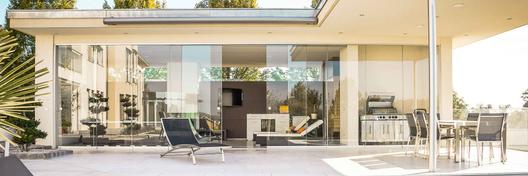
More about hotels in Falebas Devisthan
Discovering Parbat: A Himalayan Foothill Escape for the Discerning Traveller
Parbat, a district set in the heart of Nepal's Gandaki Province, offers a compelling allure for international travellers seeking an authentic Himalayan experience beyond the well-trodden paths. While Nepal is globally renowned for its towering peaks and spiritual sanctuaries, Parbat presents a more intimate encounter with the country's natural beauty and cultural heritage. Here, the majestic Annapurna range provides a breathtaking backdrop to verdant valleys, traditional villages, and a pace of life that invites genuine connection. For travellers from the Philippines, looking for a destination that blends adventure with tranquility, Parbat stands out as a region where the spirit of Nepal can be truly felt, away from the bustling crowds.
The district of Parbat itself is a mosaic of diverse landscapes and experiences, offering a nuanced exploration for those who venture here. From the administrative hub of Baglung, which serves as a gateway to many of Parbat's attractions, to the more remote hamlets like Nagliwang, the character of the region shifts dramatically. Choosing where to base yourself within Parbat can profoundly shape your journey. Whether you seek the convenience of a town with developing amenities or the profound peace of a village perched on a hillside, Parbat’s varied geography ensures that each visitor can tailor their stay to their personal preferences, discovering a unique facet of this captivating Nepali region.
For international visitors, particularly those from markets like the United States, Europe, and India, Parbat represents exceptional value. While specific pricing for accommodations can vary, the general cost of living and travel within Nepal is significantly lower than in many Western countries. This means that travellers can enjoy comfortable stays, delicious local cuisine, and engaging activities without the hefty price tags often associated with international travel. The starting price point of N/A per night, while not a definitive figure, hints at the affordability that makes Parbat an accessible destination for a wider range of travellers looking to experience the Himalayas.
The accommodation landscape in Parbat, though not as extensive as in major tourist hubs, offers a range of options to suit different preferences. You might find charming guesthouses that provide a glimpse into local life, or more established hotels catering to international standards. For instance, properties like Falebas Devisthan 3 and Falebas Devisthan 7, while specific locations within Parbat, represent the types of establishments that offer a comfortable base for exploring the region. These options, readily available to book hotel stays, ensure that travellers can find a suitable place to rest after a day of exploration.
Parbat is a destination that appeals to a broad spectrum of international travellers. For American and European visitors, it offers an escape into a range of natural grandeur and cultural immersion, providing opportunities for trekking, village exploration, and a deeper understanding of Buddhist and Hindu traditions. Indian travellers often find Nepal, and by extension Parbat, to be a familiar yet distinct destination, with convenient travel links and a shared cultural resonance, all at a favourable price point. While African travellers might not be the primary demographic, the allure of the Himalayas and the unique cultural tapestry of Nepal can certainly attract those seeking adventure and a departure from the ordinary.
Best Areas to Stay in Parbat
Parbat, a district rich in natural beauty and cultural heritage, offers a diverse range of experiences depending on where you choose to stay. Understanding the distinct character of its various neighbourhoods and districts is key to crafting an ideal itinerary, especially for first-time international visitors. From the more accessible towns to the serene, remote villages, each area provides a unique perspective on life in the Himalayan foothills, influencing everything from your daily activities to your overall immersion in the local culture.
Nagliwang
Nagliwang, a locality within Parbat, offers a glimpse into a more tranquil side of Nepali life, away from the immediate hustle of larger towns. For international visitors, particularly those from the Philippines or other parts of Asia, Nagliwang can feel like stepping into a more serene and traditional setting. The vibe here is one of quietude and natural beauty, with opportunities to connect with the local community and experience rural living. It’s an area that appeals to travellers seeking peace, scenic views, and a genuine cultural exchange, offering a stark contrast to the urban environments many are accustomed to.
From Nagliwang, travellers can explore the surrounding natural landscapes, perhaps embarking on short hikes to nearby viewpoints or visiting local temples that dot the hillsides. The area provides a peaceful base for day trips to other parts of Parbat, allowing for exploration without the need to constantly change accommodations. Getting to Nagliwang typically involves travel from a larger transit point within Nepal, such as Pokhara or Baglung, often via local bus or private vehicle, offering a scenic journey through the Nepali countryside. For those looking to explore the natural wonders nearby, it’s easy to book attractions and guided tours from this tranquil base.
Baglung
Baglung, often considered a gateway to the wider Parbat region, presents a more developed urban environment with a blend of local commerce and developing tourist infrastructure. For travellers from the US or Europe, Baglung offers a convenient entry point and a place to acclimatize, with a range of amenities and services. The atmosphere is lively, with bustling markets and a sense of everyday Nepali life unfolding. It’s a practical choice for those who appreciate having access to shops, restaurants, and transportation hubs while still being close to the natural beauty of the surrounding hills.
This area serves as a crucial transport hub, making it easy to access other parts of Parbat and beyond. Visitors can explore local markets, sample regional Nepali cuisine, and visit cultural sites within Baglung itself. For those interested in longer treks or exploring more remote areas of Parbat, Baglung provides essential services like gear rental and information centres. The journey to Baglung typically involves flights to nearby airports followed by a road transfer, offering a smooth transition for international travellers.
Kushma
Kushma, known for its dramatic suspension bridges and its position as the administrative headquarters of the Parbat district, offers a unique blend of adventure and local life. For travellers seeking a bit of thrill alongside cultural immersion, Kushma is an excellent choice. The town has a more established feel than some of the smaller villages, with a good selection of guesthouses and eateries. It’s an area that appeals to a wide range of international visitors, including those from India who might appreciate the accessibility and the vibrant local atmosphere.
Kushma is a prime spot for experiencing adventure tourism, particularly its famous bungee jumping and zip-lining activities, which attract thrill-seekers from around the globe. Beyond the adrenaline rush, the town offers opportunities to explore local markets, enjoy panoramic views of the Kali Gandaki River, and visit nearby temples. Its central location within Parbat makes it a convenient base for exploring other attractions in the district, with good road connectivity to surrounding areas.
Phalebas
Phalebas, situated in the northern part of Parbat, is a charming municipality that offers a more laid-back and scenic experience, often associated with agricultural landscapes and traditional village life. This area is particularly appealing to European travellers who are drawn to the authenticity of rural Nepal and the opportunity for gentle exploration. The vibe in Phalebas is peaceful and unhurried, allowing visitors to connect with the natural environment and the local culture at a relaxed pace, away from the more tourist-centric locations.
From Phalebas, visitors can enjoy picturesque walks through terraced fields, visit local farms, and experience the daily routines of Nepali villagers. It’s an ideal starting point for exploring the lesser-known trails of the region and discovering hidden viewpoints offering stunning vistas of the Himalayas. The journey to Phalebas involves travel from major hubs like Pokhara or Baglung, often via local transport, providing a scenic introduction to the rural heart of Parbat.
Top Hotels in Parbat
Mid-Range Hotels in Parbat
Travellers seeking a balance of comfort, quality, and affordability will find mid-range hotels in Parbat to be an excellent choice. These establishments typically offer reliable amenities and good service, providing a comfortable base for exploring the region without the premium price tag of luxury options. For international visitors, these hotels represent good value for money, ensuring a pleasant stay that enhances their overall travel experience in Nepal. Expect prices in this category to be around ₱2,000 - ₱4,000 per night, offering a solid return on investment for your accommodation.
3-Star Hotels in Parbat
ila Comfort Baglung
For travellers who appreciate well-equipped business facilities alongside their stay, ila Comfort Baglung presents a compelling option. This 3-star hotel, located in Nagliwang, Parbat, offers a practical environment for those who may need to stay connected or conduct business during their travels. Its presence in Nagliwang suggests a location that balances accessibility with a degree of tranquility, making it suitable for both business and leisure visitors. The price point of ₱2,684.19 per night positions it as a mid-range choice, offering good value for its amenities.
Food & Dining
A Taste of Parbat: Culinary Delights and Local Flavours
Parbat's culinary landscape is a reflection of Nepal's rich gastronomic heritage, offering a delightful array of dishes that are both hearty and flavourful. For international visitors, sampling local specialties is an integral part of the travel experience, and Parbat does not disappoint. Staples like Dal Bhat Tarkari, a nutritious meal of lentil soup, rice, and vegetable curry, are ubiquitous and provide a wholesome energy boost for trekkers and explorers. Beyond this, one can discover regional variations and unique local delicacies that showcase the distinct agricultural produce and cooking styles of the area, offering a true taste of Nepali life.
When it comes to dining locations, Parbat offers a spectrum from bustling local eateries to more serene spots with scenic views. Neighbourhoods like Baglung and Kushma, being more developed, will have a greater concentration of restaurants and food stalls where travellers can easily find a variety of Nepali dishes. For Muslim travellers, while Halal-certified restaurants might be scarce outside of major cities, seeking out vegetarian options is always a safe and widely available choice. Many local dishes are inherently vegetarian, and establishments are often accommodating to dietary requests if communicated clearly.
The cost of dining in Parbat is generally very affordable, especially when compared to Western standards. Street food and local 'dhabas' (eateries) can offer delicious meals for as little as ₱100-₱200 per person. Mid-range restaurants might charge between ₱300-₱600 per person for a more elaborate meal. Even at higher-end establishments, prices rarely exceed ₱1,000 per person, making Parbat an excellent destination for food lovers on a budget. This affordability allows travellers to indulge in the local cuisine extensively without significant financial strain.
Navigating dining etiquette in Parbat is straightforward and generally follows common Nepali customs. It's customary to eat with your right hand, especially when served food on a plate or in a bowl. Tipping is not as ingrained as in Western cultures; a small tip for exceptional service is appreciated but not mandatory. Meal times are typically aligned with general patterns, with lunch around midday and dinner in the evening. Being open to trying new flavours and showing respect for local food traditions will greatly enhance your dining experiences in Parbat.
Local Etiquette & Safety
Navigating Parbat: Cultural Nuances and Practical Safety Tips
Understanding local customs and etiquette is crucial for a respectful and enjoyable visit to Parbat. Nepali culture is generally warm and hospitable, but there are nuances that international visitors should be aware of. For instance, the 'namaste' greeting, accompanied by pressed palms, is a sign of respect. When visiting temples or monasteries, it's important to dress modestly, covering shoulders and knees, and to remove shoes before entering. Public displays of affection are generally frowned upon, and it's advisable to be mindful of local sensitivities regarding religious practices and traditions.
When exploring Parbat, particularly its religious sites and villages, adhering to dress codes is paramount. Light, breathable clothing is recommended for comfort, but always have a scarf or shawl handy for covering up when necessary. Photography of people, especially women and children, should always be done with permission. Queuing culture is less rigid than in some Western countries, so patience and politeness are key when waiting for services. Being observant of how locals behave in different settings will help you navigate social interactions smoothly and respectfully.
Safety in Parbat is generally good, with low crime rates, especially in the more rural areas. However, as with any travel destination, it's wise to take precautions. Keep your valuables secure and be aware of your surroundings, particularly in crowded markets. For transportation, while taxis are available, agreeing on a fare beforehand is recommended. Ride-hailing apps may not be as prevalent as in major cities, so local transport options like buses and shared jeeps are common. Having offline maps and essential contact numbers readily accessible on your phone can be very helpful for navigation and emergencies.
In case of emergencies, it's important to know the local numbers for police and ambulance services. For Filipino travellers, the Philippine Embassy in Kathmandu is the primary point of contact for consular assistance. It's advisable to register your travel with the Department of Foreign Affairs (DFA) and note down the embassy's contact details. While Parbat is generally safe, having travel insurance that covers medical emergencies and evacuation is highly recommended, especially if you plan on engaging in trekking or other adventurous activities.
Travel Guide
Your Journey to Parbat: Flights, Transport, and Planning
Reaching Parbat from the Philippines involves a multi-leg journey, typically starting with a flight from Manila (NAIA/MNL), Cebu (CEB), or Clark (CRK) to a major international hub like Kathmandu, Nepal. From Kathmandu, you would then take a domestic flight to a regional airport such as Pokhara or Bharatpur, followed by a road transfer to Parbat. Direct flights from the Philippines to Nepal are uncommon, so expect at least one layover, with total travel time potentially ranging from 15 to 25 hours. The estimated cost for the international leg can vary significantly, but budget around ₱25,000 - ₱45,000 for a round trip, depending on the season and booking time. Booking your book flight well in advance is recommended for better fares.
Once you arrive in the vicinity of Parbat, getting around the district is an adventure in itself. The primary modes of transport include local buses, which are the most economical option and connect various towns and villages, and shared jeeps, which are faster but more expensive. Taxis are available in larger towns like Baglung and Kushma, but it's essential to negotiate fares beforehand. For those seeking more flexibility, hiring a private car with a driver can be arranged, offering comfort and convenience for exploring more remote areas. The cost for local transport varies, but a typical bus ride might cost less than ₱200, while a private car hire for a day could range from ₱3,000 to ₱5,000.
The best time to visit Parbat is generally during the spring (March to May) and autumn (September to November) seasons. These periods offer pleasant weather with clear skies, making them ideal for trekking and sightseeing. Spring brings blooming rhododendrons, while autumn provides crisp air and stunning mountain vistas. Summer (June to August) is the monsoon season, characterized by heavy rainfall, which can disrupt travel and obscure views. Winter (December to February) is cold, especially at higher altitudes, but can offer clear, crisp days and fewer crowds. Hotel prices tend to be higher during the peak spring and autumn seasons.
Before you depart for Parbat, ensure you have a few essentials sorted. The local currency is the Nepali Rupee (NPR). While major hotels and some shops may accept USD, it's best to carry local currency for smaller purchases and transport. ATMs are available in larger towns, but it's wise to carry some cash. Obtaining a local SIM card at the airport upon arrival is recommended for easy communication and data access. Essential apps include Google Maps for navigation, a translation app, and potentially a ride-hailing app if available in the region. Ensure your passport is valid for at least six months beyond your intended stay.
Visa Information
Entering Nepal to Visit Parbat: Visa Requirements for Philippine Passport Holders
For Philippine passport holders planning to visit Nepal, including the region of Parbat, obtaining a visa is a necessary step. Nepal offers a visa-on-arrival facility for citizens of many countries, including the Philippines. This means you can obtain your visa upon arrival at Tribhuvan International Airport (KTM) in Kathmandu, the main international gateway to Nepal. The standard tourist visa allows for stays of 15, 30, or 90 days, with corresponding fees. It is crucial to have a passport with at least six months of validity remaining from your date of entry and at least one blank page for the visa stamp.
The application process for a Nepali visa on arrival is generally straightforward. You will need to fill out an arrival card and a visa application form, which are usually provided on the plane or at the immigration counter. Required documents typically include your valid Philippine passport, a recent passport-sized photograph, and the visa fee, which can be paid in USD. For a 30-day tourist visa, the fee is approximately USD 50. It is advisable to carry the exact amount in cash, as currency exchange facilities at the airport might not always be favourable. Proof of onward travel, such as a return flight ticket, may also be requested.
While the visa-on-arrival system is convenient, policies can change, and it is always recommended to verify the latest visa requirements with the official immigration authorities of Nepal or the Embassy of Nepal in your region before your travel. Confirming your visa status and understanding any specific requirements, such as health declarations or travel advisories, is essential before booking your book flight. This proactive approach ensures a smooth entry into Nepal and allows you to focus on enjoying your trip to Parbat.
Your Parbat Adventure Awaits
Parbat offers a compelling blend of natural splendour, cultural richness, and authentic Nepali experiences that make it a standout destination for international travellers. It’s a place where the grandeur of the Himalayas meets the warmth of local hospitality, providing a journey that is both invigorating and deeply connecting. Whether you are drawn by the call of the mountains, the allure of ancient traditions, or simply the desire for a peaceful escape, Parbat promises a travel experience that resonates long after you depart.
At Traveloka, we understand the diverse needs of travellers, and our platform offers a comprehensive range of accommodation options in Parbat to suit every budget and preference. From budget-friendly guesthouses that offer a glimpse into local life to more comfortable mid-range hotels, you can find the perfect place to stay. We are committed to providing the best value, with options starting from around N/A per night, ensuring that exploring the beauty of Parbat is accessible to everyone. Discover cheap hotels and more, all bookable with ease.
We invite you to plan your unforgettable journey to Parbat with Traveloka. Benefit from our Best Price Guarantee, 24/7 Live Agent Support, and a vast selection of over 2 million hotels worldwide. Enjoy flexible payment options including credit card, debit card, GCash, Maya, and Traveloka PayLater. Plus, earn up to 1.5x Loyalty Cashback on eligible bookings (T&Cs Apply). Let Traveloka be your trusted partner in creating a seamless and enriching travel experience in the heart of Nepal.
All information in this article is accurate as of the date of publication. Prices are subject to change depending on season, availability, and hotel policy.