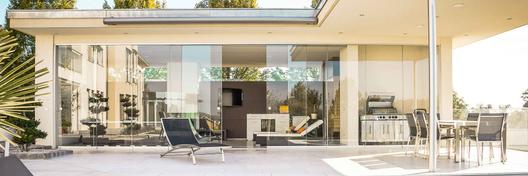
More about hotels in Taraba
Taraba: A Nigerian State Unveiling Natural Wonders and Cultural Richness
For the discerning Filipino traveller seeking an authentic African adventure beyond the usual tourist trails, Taraba State in Nigeria presents a compelling proposition. Unlike the bustling metropolises or well-trodden safari routes, Taraba offers a more intimate encounter with Nigeria's diverse landscapes, from the majestic Mambilla Plateau to the serene Benue River basin. This region is a canvas painted with vibrant cultural traditions, unique ecological zones, and a pace of life that allows for genuine connection with the local environment and its people. It's a destination that rewards curiosity with breathtaking scenery and a glimpse into a less commercialized side of West Africa.
The state of Taraba itself is a microcosm of Nigeria's vast geographical and cultural spectrum, offering distinct experiences depending on where you choose to base yourself. Jalingo, the state capital, serves as a primary hub with developing infrastructure, while areas like Ardo Kola offer a more rural charm. Further afield, the names Lau and Ibi evoke images of riverine landscapes and historical significance, each promising a different flavour of exploration. Understanding these variations is key for any international visitor, as the choice of neighbourhood profoundly shapes the accessibility to natural attractions, local markets, and the overall rhythm of your stay.
From a value perspective, Taraba stands out as an attractive option for international travellers accustomed to higher price points in other global destinations. With a starting price point of approximately ₱ 2,349.04 per night for accommodation, and a notable average review score of 9.5 from 4 reviews, it suggests a market offering quality experiences at accessible rates. For travellers from the United States, Europe, or India, this translates into greater purchasing power, allowing for extended stays, richer culinary explorations, and the opportunity to engage more deeply with local culture without the financial strain often associated with international travel.
The accommodation landscape in Taraba, while perhaps not as extensive as in major global cities, provides a solid foundation for exploring the region. Properties like the Grand Shield Hotel Jalingo and Fast Track Hotel offer glimpses into the hospitality standards available, catering to different preferences and budgets. These establishments serve as excellent starting points for planning your itinerary, providing comfortable bases from which to embark on your adventures. For those ready to secure their lodging, exploring options on Traveloka allows you to easily book hotel rooms that align with your travel style and budget.
Taraba is a destination that appeals to a diverse range of international travellers. For Americans seeking off-the-beaten-path experiences, it offers a chance to explore authentic Nigerian life away from mass tourism. European travellers might find themselves drawn to the region's natural beauty and potential for cultural immersion, perhaps exploring historical sites or engaging with local artisans. Indian travellers will likely appreciate the affordability and the potential for vibrant culinary discoveries, while travellers from other African nations may find a familiar cultural resonance and a chance to explore a different facet of the continent's rich heritage.
Best Areas to Stay in Taraba
Taraba State, while a single administrative region, presents a fascinating diversity across its various neighbourhoods and districts, each offering a unique atmosphere and set of attractions. For international visitors, understanding these distinctions is crucial for crafting an itinerary that aligns with their interests, whether they seek the convenience of a capital city, the tranquility of a rural setting, or proximity to specific natural wonders. Choosing the right base within Taraba can significantly enhance your exploration, influencing everything from your daily commute to the local experiences you encounter.
Jalingo
Jalingo, as the state capital, offers a dynamic urban environment that serves as the primary gateway for many visitors to Taraba. For travellers from the US or Europe, it provides a familiar starting point with developing amenities, including a range of hotels, local markets, and administrative centres. The city's pace is generally more active than in other parts of the state, making it suitable for those who prefer to be at the centre of activity. It’s a place where you can begin to acclimatize to Nigerian life before venturing into more remote areas.
Within Jalingo, visitors can explore local markets for crafts and produce, and it serves as a convenient launching point for excursions to nearby natural attractions. The city is accessible via road networks connecting it to other major Nigerian cities, and while direct international flights are unlikely, it's reachable through domestic connections. For those looking to explore the region's cultural heritage, Jalingo provides access to local government offices and cultural centres that can offer insights into Taraba's history and traditions. You can also book attractions and tours from here.
Ardo Kola
Ardo Kola presents a more tranquil and distinctly rural character compared to the bustling capital. This area is ideal for travellers, particularly those from European or Indian backgrounds, who are seeking a deeper connection with the natural environment and a slower pace of life. The atmosphere here is one of serene landscapes and close-knit communities, offering a genuine glimpse into the agricultural heartland of Taraba. It’s a place where the sounds of nature often dominate, providing a peaceful respite from the demands of modern life.
The practicalities of staying in Ardo Kola revolve around its proximity to agricultural lands and smaller villages. While specific tourist attractions might be fewer, the appeal lies in experiencing local life, perhaps visiting farms or engaging with local artisans. Access to Ardo Kola is typically via road from Jalingo, making it a logical extension of a stay in the capital. For travellers interested in understanding the agricultural backbone of Taraba, this district offers an immersive experience, showcasing traditional farming methods and community living.
Lau
Lau offers a unique appeal, particularly for travellers interested in riverine landscapes and the distinct ecosystems they support. This area might resonate well with American or European visitors looking for natural beauty and opportunities for outdoor activities that differ from typical urban exploration. The vibe in Lau is one of natural abundance, with the Benue River shaping the local environment and influencing the lifestyle of its inhabitants. It’s a place where the rhythm of life is closely tied to the water and the surrounding plains.
From a practical standpoint, Lau is best known for its connection to the Benue River, offering potential for fishing, boat trips, and appreciating the unique flora and fauna. While it may not have the extensive tourist infrastructure of a major city, its charm lies in its natural setting. Lau is accessible by road, often requiring travel from Jalingo, and serves as a base for exploring the riverine aspects of Taraba. For those seeking a more nature-focused experience, Lau provides a distinct and memorable setting.
Ibi
Ibi, with its historical undertones and connection to the Benue River, offers a compelling destination for travellers interested in cultural heritage and natural beauty. This area could particularly appeal to European travellers seeking to understand Nigeria's past and its relationship with its waterways. The atmosphere in Ibi is one of historical significance blended with the tranquility of its riverside location, providing a rich backdrop for exploration and reflection. It’s a place where stories of the past seem to linger in the air.
Practically, Ibi provides access to the Benue River and potentially historical sites related to its past prominence. Visitors can explore local communities and learn about the area's heritage. Like Lau, Ibi is typically reached by road from Jalingo, requiring a degree of planning for independent travellers. For those keen on exploring the historical and cultural narratives of Taraba, Ibi offers a unique perspective, allowing for a deeper appreciation of the region's evolution and its enduring connection to the river.
Gashaka Gumti National Park Area
While not a traditional urban district, the area surrounding Gashaka Gumti National Park represents a significant draw for nature enthusiasts and adventure seekers. This region is particularly suited for American and European travellers who prioritize wildlife viewing, trekking, and experiencing pristine natural landscapes. The atmosphere here is one of wild, untamed beauty, offering a stark contrast to urban environments and providing an immersive experience in one of Nigeria's most important ecological zones. It’s a place for genuine exploration and discovery.
The practicalities of visiting the Gashaka Gumti area revolve around its status as a national park. Accommodation options might be more rustic, focusing on lodges or eco-camps, and access requires careful planning, often involving travel from Jalingo or other regional centres. Activities centre on wildlife safaris, bird watching, and hiking. For travellers prioritizing a deep dive into Nigeria's natural heritage and biodiversity, this area is unparalleled, offering a chance to witness the country's rich wildlife in a protected environment.
Taraba's Accommodation Spectrum: From Value Stays to Comfortable Retreats
Taraba State offers a developing hospitality sector that caters to a range of international travellers, from those seeking budget-friendly options to those desiring more comfortable amenities. The available hotels and guesthouses provide essential bases for exploring the region's natural beauty and cultural sites. Understanding the different tiers of accommodation, from the most affordable to those offering enhanced services, is key for Filipino travellers planning their trip to this unique Nigerian destination.
Budget Hotels in Taraba
Budget hotels in Taraba provide essential lodging for travellers prioritizing affordability, with prices often starting around ₱ 2,349.04 per night. These establishments are ideal for backpackers and solo travellers from India or other parts of Africa who are keen to stretch their travel funds further. They offer basic amenities, ensuring a clean and safe place to rest after a day of exploration, without the frills of higher-end properties. This segment of the market is crucial for making Taraba accessible to a wider range of international visitors.
Mid-Range Hotels in Taraba
Mid-range hotels in Taraba represent a sweet spot for many international visitors, offering a balance of comfort, service, and value. With prices typically falling into a moderate range, these hotels are well-suited for travellers from the US, Europe, or India who seek reliable quality without the expense of luxury accommodations. They often feature enhanced amenities such as air-conditioned rooms, en-suite bathrooms, and sometimes on-site dining, providing a comfortable and convenient base for exploring the state.
4-Star Hotels in Taraba
For travellers seeking an elevated level of comfort and service in Taraba, 4-star hotels offer a premium experience. These properties are designed to provide a more refined stay, often featuring well-appointed rooms, excellent dining options, and additional facilities like swimming pools or fitness centres. They cater to international visitors, including those from the US and Europe, who appreciate higher standards of hospitality and are willing to invest a bit more for a more comfortable and convenient travel experience.
Luxury Hotels in Taraba
While Taraba is still developing its luxury hotel sector, the available high-end options provide world-class service and uncompromising quality for discerning international travellers. These establishments are geared towards visitors from any background who seek the finest amenities, exceptional service, and a truly comfortable and memorable stay. They represent the pinnacle of hospitality in the region, offering a tranquil retreat after days spent exploring Taraba's natural and cultural attractions.
Grand Shield Hotel Jalingo
The Grand Shield Hotel Jalingo, a 3-star hotel located in Jalingo, Taraba, stands out for its unique offerings that cater to a romantic or relaxing getaway. With a rating of 9.6 based on 4 reviews, it suggests a highly satisfactory experience for its guests. The hotel's amenities, including romantic proposal packages, a spa, and a poolside bar, indicate a focus on guest comfort and special occasions. This makes it an appealing choice for couples or individuals seeking a bit more than just a place to sleep.
Fast Track Hotel
Fast Track Hotel, also a 3-star establishment situated in Jalingo, Taraba, presents a lively atmosphere with its distinctive features like pool cabanas and a nightclub. This hotel's offerings suggest it's geared towards travellers looking for entertainment and a vibrant social scene alongside their accommodation. The presence of a nightclub, in particular, points to a property that aims to provide a full entertainment experience, making it a potential draw for younger travellers or groups seeking nightlife options.
Star Exclusive Hotels
Star Exclusive Hotels, located in Ardo Kola, Taraba, offers a glimpse into the accommodation options available outside the main urban centres. As a 3-star hotel, it aims to provide a comfortable stay for travellers exploring the more rural or developing areas of the state. Its presence in Ardo Kola suggests it serves both local needs and visitors interested in experiencing the quieter, more traditional aspects of Taraba, offering a base for exploring the surrounding landscapes and communities.
Hotels with Rooftop Pool in Taraba
For travellers who appreciate elevated views and a refreshing dip, hotels with rooftop pools in Taraba offer a distinct advantage. These properties provide a unique amenity that enhances the relaxation and enjoyment of a stay, especially in warmer climates. While specific rooftop pool facilities might be limited, their presence signifies a commitment to guest comfort and leisure, appealing to international visitors from the US, Europe, and India seeking a touch of luxury and a scenic spot to unwind.
Family-Friendly Hotels in Taraba
Family-friendly hotels in Taraba are essential for travellers visiting with children, offering amenities and an environment conducive to a comfortable family holiday. While specific hotels with dedicated kids' clubs or extensive play areas might be developing, properties that offer spacious rooms, a welcoming atmosphere, and perhaps a swimming pool can serve this purpose well. These hotels aim to ease the logistical challenges of travelling with a family, ensuring a pleasant stay for all members.
Hotels with Spa in Taraba
Hotels featuring spa facilities in Taraba cater to travellers seeking relaxation and wellness during their trip. The inclusion of a spa, often accompanied by services like massage or sauna, transforms a hotel stay into a rejuvenating experience. This is particularly appealing to European and American travellers who often prioritize wellness during their travels. Such amenities provide a perfect way to de-stress after a day of exploring Taraba's natural beauty or engaging in cultural activities.
Taraba's Culinary Landscape: A Taste of Nigerian Flavours
Taraba State offers a culinary journey that reflects the diverse agricultural bounty and cultural influences of Nigeria. From hearty local staples to more refined dishes, the food scene provides an authentic taste of the region. For international travellers, exploring these flavours is an integral part of the travel experience, offering insights into local life and traditions. The emphasis is on fresh ingredients and traditional preparation methods, creating dishes that are both satisfying and culturally significant.
The most iconic dishes in Taraba often feature staples like yam, rice, and various grains, prepared in ways unique to the region. Expect to find dishes such as Tuwo Masara (corn meal pudding) or various stews made with local vegetables and meats, often seasoned with a blend of indigenous spices. For Muslim travellers, finding Halal options is generally straightforward, as a significant portion of the population adheres to Islamic dietary laws, with most eateries offering Halal-certified or prepared meals. Exploring these local delicacies provides a direct connection to the heart of Taraba's culture.
Dining in Taraba ranges from vibrant street food stalls to more established restaurants, particularly in the capital, Jalingo. Local markets are excellent places to sample authentic snacks and meals at very affordable prices, often costing less than ₱ 200 for a substantial dish. Mid-range eateries offer a more comfortable dining experience, with meals typically ranging from ₱ 500 to ₱ 1,500. Upscale dining, while less common, can be found in larger hotels, offering international and refined Nigerian cuisine at prices comparable to or slightly higher than what travellers from the US or Europe might expect.
Practical dining tips for Taraba include understanding local meal times, which can vary but often centre around lunch and dinner. Tipping is not as customary or as high as in Western countries; a small gratuity for exceptional service is appreciated but not mandatory. When ordering, being polite and patient is key. It's also advisable to drink bottled water and be mindful of street food hygiene. Embracing the local dining customs, such as sharing meals or accepting offered food, can lead to more meaningful cultural interactions.
Cultural Norms and Staying Safe in Taraba
Navigating the cultural landscape and ensuring personal safety are paramount for any international traveller, and Taraba State is no exception. Understanding local customs and being aware of your surroundings will greatly enhance your experience and peace of mind. Taraba, like many parts of Nigeria, has a rich cultural heritage, and respecting its norms is key to positive interactions with the local population.
In Taraba, general etiquette involves showing respect for elders and local leaders. Greetings are important, and taking a moment to acknowledge people before diving into business is customary. Dress modestly, especially when visiting rural areas or religious sites, to avoid causing offence. While tourist-facing areas are generally welcoming, being mindful of local customs in more traditional settings will foster goodwill. Photography of people should always be done with permission.
When visiting landmarks like MAKAMA HOUSE, it's important to adhere to any posted rules regarding dress code or photography. Often, modest attire is required, and certain areas may be off-limits to visitors or require a guide. Understanding the historical and cultural significance of such sites will deepen your appreciation. Queue culture is generally less rigid than in some Western countries, so patience and observation are useful skills.
For practical safety, it's advisable to use reputable transport services, such as those arranged through your hotel or known ride-hailing apps if available in the area. Keep valuables secure and avoid displaying them ostentatiously. While Taraba is generally welcoming, exercising common sense, especially at night or in unfamiliar areas, is always recommended. Emergency numbers for local police and medical services should be noted, and having travel insurance is a wise precaution.
Getting to Taraba and Getting Around
Planning your journey to Taraba State from the Philippines requires understanding the flight routes and local transportation options available. While direct flights from Manila (MNL), Cebu (CEB), or other Philippine hubs to Taraba are non-existent, the journey involves connecting flights through major international hubs. Typically, travellers will fly from the Philippines to a major African gateway like Addis Ababa or Nairobi, and then take a domestic flight to Nigeria, followed by a further domestic flight or overland travel to Jalingo, the capital of Taraba State. The total travel time can range from 20 to 30 hours or more, depending on layovers.
Once you arrive in Nigeria, the most practical way to reach Taraba is by flying into Jalingo Airport (JLO). From Jalingo Airport, taxis or pre-arranged hotel transfers are the most convenient options to reach your accommodation in the city or surrounding areas. The drive from the airport to the city centre typically takes around 30-45 minutes. For those travelling from other parts of Nigeria, bus services are also available, though they are significantly longer and less comfortable than flying. For travellers ready to plan their international leg, exploring options to book flight tickets well in advance is recommended.
Navigating within Taraba State primarily involves using taxis, minibuses (danfo), or motorcycle taxis (okada) for shorter distances. In Jalingo, taxis are readily available and can be hired for point-to-point journeys or for a full day. Negotiating fares before starting your trip is essential, as meters are rarely used. For longer distances between towns within Taraba, shared taxis or buses are the most economical options, though they can be crowded and may make frequent stops. Renting a car with a driver is also an option for those seeking more comfort and flexibility.
The best time to visit Taraba State generally falls within the dry season, which typically runs from November to March. During these months, the weather is more pleasant, with lower humidity and less rainfall, making it ideal for outdoor activities and exploring the state's natural attractions. The wet season, from April to October, brings heavier rainfall, which can affect road conditions and limit access to certain areas, particularly those with unpaved roads. However, the wet season also brings lush greenery to the landscape.
Visa Information
For Philippine passport holders planning a trip to Nigeria, including the Taraba region, understanding the visa requirements is a critical first step. As of current regulations, Philippine citizens typically require a visa to enter Nigeria for tourism, business, or any other purpose. Nigeria does not offer visa-free entry or visa-on-arrival for Philippine passport holders. Therefore, it is essential to apply for the appropriate visa well in advance of your intended travel dates through the Nigerian Embassy or Consulate responsible for processing applications in your region, or via authorized visa application centres.
The visa application process for Nigeria generally involves submitting a completed application form, a valid passport with at least six months of remaining validity and sufficient blank pages, recent passport-sized photographs, and proof of onward travel, such as a return flight booking. Depending on the visa category (e.g., tourism, business), additional documents may be required, such as an invitation letter from a Nigerian host or company, hotel reservations, and proof of sufficient funds to cover your stay. It is crucial to check the specific requirements with the Nigerian Embassy or Consulate in the Philippines or your country of residence, as these can change.
Given that visa policies are subject to change, it is strongly advised that all Philippine travellers verify the most current visa requirements directly with the official immigration authorities of Nigeria or the Nigerian Embassy/Consulate before making any non-refundable travel arrangements, such as booking flights. Processing times can vary, and it is recommended to apply at least 4-6 weeks prior to your planned departure date to allow ample time for processing and to avoid any last-minute complications. Ensuring all documentation is accurate and complete will facilitate a smoother application process.
Discover Taraba's Unique Appeal
Taraba State offers a distinct Nigerian experience, characterized by its stunning natural landscapes, rich cultural heritage, and a welcoming atmosphere that appeals to travellers seeking authenticity. From the rolling hills of the Mambilla Plateau to the serene waters of the Benue River, the state provides a diverse backdrop for exploration and discovery, setting it apart from more commonly visited destinations within Nigeria and across Africa. It's a place where genuine encounters and breathtaking scenery combine to create a memorable journey.
Traveloka provides a comprehensive platform to explore Taraba's accommodation options, catering to every budget and preference. Whether you're looking for budget-friendly stays starting around ₱ 2,349.04 per night or more comfortable mid-range hotels, you'll find suitable choices across the state's key areas. We empower you to book cheap hotels with confidence, backed by our Best Price Guarantee and 24/7 Live Agent Support. Flexible payment options, including GCash, Maya, credit card, and Traveloka PayLater, make booking seamless for Filipino travellers.
Disclaimer
All information in this article is accurate as of the date of publication. Prices are subject to change depending on season, availability, and hotel policy.