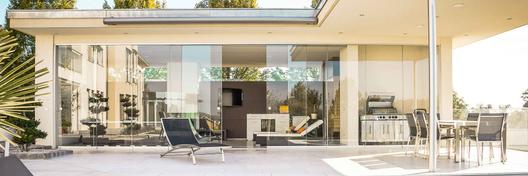
More about hotels in Pong
Discovering Pong: A Thai Region Beyond the Usual Tourist Trail
For travellers from the Philippines seeking a unique Thai experience, Pong offers a compelling alternative to the bustling metropolises and well-trodden island paths. This region presents an authentic slice of Thai life, characterized by its serene landscapes, rich cultural undercurrents, and a pace that allows for genuine connection with the local environment. Unlike the more commercialized destinations, Pong invites exploration of its natural beauty, from rolling hills to verdant valleys, providing a refreshing contrast that appeals to those looking for depth in their travels.
The charm of Pong lies in its diverse geographical and cultural tapestry, which unfolds as you move between its various districts and neighbourhoods. Areas like Na Prang and Kuan, Na Prang, for instance, offer distinct atmospheres. Na Prang might provide a more central, accessible experience, while Kuan, Na Prang could immerse visitors in a quieter, more rural setting. Understanding these nuances is key to crafting a personalised itinerary, ensuring that your chosen base within Pong aligns with your desired travel pace and interests, whether you seek adventure or tranquility.
Pong presents itself as a remarkably accessible destination for international travellers, particularly when considering value. While specific starting prices can fluctuate, the general cost of accommodation and daily expenses in Pong often proves more budget-friendly compared to major tourist hubs in Thailand. For travellers from the United States, Europe, India, and Africa, this translates into greater purchasing power, allowing for extended stays, more culinary exploration, or the opportunity to indulge in local experiences without significant financial strain.
Within Pong's accommodation landscape, properties like The One Residence offer a glimpse into the types of stays available. This 3-star apartment-style lodging in Na Prang, with its solid rating, suggests a comfortable and functional base for exploring the region. Such options are crucial for international visitors, providing a reliable point of reference as they begin to plan their trip. For those ready to secure their accommodation, it's easy to book hotel options that suit your needs in Pong.
Ultimately, Pong caters to a broad spectrum of international travellers. American and European visitors might appreciate the opportunity to step away from mass tourism and discover a more authentic cultural setting. Indian travellers will likely find the affordability, diverse food options, and relatively straightforward travel connections appealing. For travellers from Africa, Pong can offer a unique cultural exchange, showcasing a different facet of Asian hospitality and natural beauty, often at a more accessible price point than other destinations.
Best Areas to Stay in Pong
Pong, while not a sprawling metropolis, offers distinct neighbourhoods, each with its own character and appeal for international visitors. Choosing where to base yourself within this region can significantly shape your travel experience, influencing everything from your daily commute to the types of local attractions and dining you encounter. Understanding these differences is crucial for first-time visitors aiming to make the most of their exploration of Pong's unique offerings.
Na Prang
Na Prang serves as a central hub within Pong, offering a blend of local life and accessibility that appeals to a wide range of international travellers. Its atmosphere is generally relaxed yet functional, with a good mix of residential areas and local businesses. Travellers from the United States and Europe might find its less commercialized feel refreshing, while Indian travellers could appreciate the availability of diverse food options and the ease of navigating the area. It’s a good starting point for those wanting a feel for everyday Pong life.
From Na Prang, visitors have convenient access to local markets and eateries, providing a genuine taste of Thai cuisine. The area is well-connected, making it relatively easy to reach other parts of Pong. For those looking to explore further afield, day trips to natural landmarks like Sakoen Hill or the Phu Langka Viewpoint are feasible, though transport arrangements might be necessary. This neighbourhood offers a solid base for travellers who want to book attractions and explore at their own pace.
Kuan, Na Prang
Kuan, Na Prang presents a more tranquil and perhaps more rural facet of Pong, appealing to travellers seeking a quieter escape from the everyday. This area is characterized by its scenic surroundings, likely featuring agricultural landscapes and a slower pace of life. It would particularly resonate with European travellers looking for a peaceful retreat or American visitors wanting to experience a more authentic, less tourist-centric side of Thailand. The serene environment makes it ideal for unwinding and connecting with nature.
The practicalities of staying in Kuan, Na Prang involve a greater reliance on local transport or pre-arranged transfers, as amenities might be more spread out. Dining options would lean towards local, family-run establishments offering regional specialties. While direct access to major landmarks might require some travel, the proximity to natural beauty is a significant draw. This area is best suited for those who prioritize peace and quiet over bustling city life and are content with a more laid-back exploration.
Pong City Centre
The Pong City Centre is the administrative and commercial heart of the region, offering a more dynamic environment for visitors. Here, travellers will find a concentration of businesses, government offices, and a wider array of dining and shopping options. This area is ideal for travellers who prefer to be in the midst of activity and have easy access to services. American and Indian travellers might find the convenience and variety appealing, as it offers a familiar urban experience within the context of Pong.
Staying in the Pong City Centre provides excellent connectivity to other parts of the region and potentially to transport links for onward travel. It’s a practical choice for those who want to be close to amenities and enjoy a lively atmosphere. While it may lack the serene natural beauty of other areas, its convenience for accessing services, restaurants, and local transport makes it a strong contender for travellers who prioritize efficiency and a central base for their explorations.
Rural Outskirts of Pong
The rural outskirts of Pong offer an immersive experience into the agricultural heartland and natural beauty of the region. This area is perfect for travellers, particularly those from Europe and the United States, who are seeking an escape from urban environments and a deeper connection with nature and local Thai culture. The pace of life here is significantly slower, allowing for a more contemplative and authentic travel experience, away from the typical tourist crowds.
Accommodation in the rural outskirts might consist of guesthouses, homestays, or smaller, independent lodges that offer a more personal touch. Dining would primarily involve local eateries serving fresh, regional produce. While access to major attractions like Sakoen Hill or Phu Langka Viewpoint might require dedicated transport, the journey itself can be part of the experience, showcasing the diverse landscapes of Pong. This area is best for adventurous travellers and those prioritizing tranquility and cultural immersion.
Top Hotels
Apartments in Pong
For travellers planning an extended stay or seeking a home-away-from-home feel in Pong, apartments offer a compelling accommodation choice. These properties typically provide more space, kitchen facilities, and a sense of independence that hotels may not match. The average price for an apartment in Pong can range from approximately ₱1,500 to ₱3,500 per night, offering excellent value for longer visits, especially for families or groups. This category is particularly attractive to American and European travellers who appreciate self-catering options.The One Residence
This 3-star apartment property in Na Prang, Pong, presents a practical lodging option for travellers seeking a comfortable and functional base. With a rating of 7.9 based on four reviews, it suggests a generally positive guest experience, highlighting its suitability for those who prioritize essential amenities and a convenient location. The apartment-style accommodation offers a degree of flexibility, potentially appealing to travellers who appreciate having more space and self-catering facilities during their stay in Pong.Mid-Range Hotels in Pong
Mid-range hotels in Pong strike a balance between affordability and comfort, making them a popular choice for a wide array of international travellers. These 2.5 to 3-star establishments typically offer well-appointed rooms, essential amenities like air conditioning and private bathrooms, and often include breakfast. For travellers from the Philippines, a 3-night stay in a mid-range hotel might cost between ₱4,500 to ₱9,000, representing good value for a reliable and comfortable experience in Pong.Luxury Hotels in Pong
For travellers who seek an elevated experience and uncompromising quality during their visit to Pong, luxury hotels offer world-class service and amenities. These 4.5 to 5-star properties are designed to provide a premium stay, often featuring exquisite dining options, expansive spa facilities, and impeccable attention to detail. While specific luxury options might be limited in Pong compared to major Thai cities, the availability of such accommodations ensures that discerning travellers can find a sophisticated retreat.Guest Houses and B&Bs in Pong
Guest houses and Bed & Breakfasts in Pong provide a more intimate and personal hosting experience, often reflecting the local character and hospitality of the region. These accommodations are ideal for travellers who prefer a less formal setting and enjoy interacting with their hosts, gaining insights into local life. For budget-conscious travellers from the Philippines, a stay in a guest house can be very affordable, potentially ranging from ₱800 to ₱2,000 per night, offering a charming and economical option.What to Eat and Where to Find It in Pong
Pong's culinary landscape is a vibrant reflection of Thailand's rich gastronomic heritage, offering a delightful array of flavours and textures that are sure to please international palates. Beyond the universally loved Pad Thai and Green Curry, the region boasts unique local specialties that showcase fresh, regional ingredients. Exploring the food scene here is an adventure in itself, with opportunities to discover dishes influenced by the surrounding agricultural bounty and traditional cooking methods passed down through generations.
For an authentic taste of Pong, visitors should seek out local markets and street food stalls, particularly in areas like Na Prang and the city centre, which tend to be hubs of culinary activity. These bustling spots offer a chance to sample a wide variety of dishes, from savoury grilled meats and fresh seafood to sweet tropical fruits and traditional desserts. Muslim travellers will find that while not always explicitly labelled, many local eateries offer Halal-friendly options, and seeking out restaurants that focus on vegetable-based dishes or seafood is often a safe bet.
The cost of dining in Pong offers excellent value for international travellers. Street food meals can be enjoyed for as little as ₱50 to ₱150, providing an incredibly affordable way to experience local flavours. Mid-range restaurants offer a more comfortable dining experience with main courses typically ranging from ₱200 to ₱500. Even more upscale dining establishments remain reasonably priced compared to Western standards, allowing visitors to indulge in diverse culinary experiences without significant financial strain.
When dining in Pong, embracing local customs enhances the experience. Meals are typically enjoyed communally, and it's polite to wait for elders or hosts to begin eating. Tipping is not mandatory but is appreciated for good service, with a small amount (around 10-20 THB) often left at casual eateries and a slightly larger percentage at more formal restaurants. Familiarizing yourself with basic Thai phrases for ordering and expressing thanks can also go a long way in fostering positive interactions with local vendors and restaurant staff.
Cultural Norms and Staying Safe in Pong
Understanding and respecting local customs is paramount for a smooth and enjoyable visit to Pong. The Thai concept of "sanuk" (fun) permeates daily life, encouraging a lighthearted and friendly approach to interactions. It's customary to greet others with a "wai" – a slight bow with palms pressed together – especially when meeting elders or showing respect. While not always expected from tourists, attempting this gesture is always appreciated. Modesty in dress is also important, particularly when visiting temples or rural areas, so covering shoulders and knees is advisable.
When visiting significant landmarks like Sakoen Hill or the Phu Langka Viewpoint, maintaining a respectful demeanour is key. These sites often hold cultural or religious importance, so loud behaviour or inappropriate attire should be avoided. Photography is generally permitted, but it's always wise to ask for permission before taking close-up shots of people, especially monks. Adhering to any posted rules regarding entry, footwear, or behaviour will ensure a positive experience and show respect for the local heritage and environment.
For practical safety in Pong, travellers should exercise the same vigilance they would in any unfamiliar destination. Keeping valuables secure and being aware of your surroundings, especially in crowded markets or transport hubs, is essential. For transportation, reputable ride-hailing apps like Grab are widely available and offer transparent pricing, providing a safer alternative to unmetered taxis. Familiarizing yourself with the local currency and having small denominations handy for smaller purchases can also prevent potential issues.
In case of emergencies, the national emergency number in Thailand is 191 for police and 1669 for ambulance services. While Pong may not have a dedicated tourist police unit, the general police force is equipped to assist visitors. For Filipino travellers, the Philippine Embassy in Bangkok is the primary point of contact for consular assistance, and it's advisable to have their contact details readily available. Considering travel insurance that covers medical emergencies and trip disruptions is a prudent step for all international visitors.
Getting to Pong and Getting Around
Reaching Pong from the Philippines involves a flight to one of Thailand's major international airports, followed by a connecting flight or overland travel to the region. Travellers departing from Manila (NAIA/MNL), Cebu (CEB), or Clark (CRK) will typically find connecting flights through Bangkok (BKK or DMK) to a regional airport serving Pong. Direct flights are uncommon, and the total journey time can range from 6 to 12 hours, depending on layovers. The estimated cost for a round-trip book flight from the Philippines to Pong can vary significantly, but budget around ₱15,000 to ₱30,000 per person.
Once you arrive at the nearest airport serving Pong, such as Nan Airport (NNT) or Phrae Airport (PRH), onward travel to your accommodation within the region will be necessary. Options typically include pre-booked airport transfers, local taxis, or potentially a rental car if you prefer to drive yourself. Within Pong itself, getting around can be managed through a combination of local buses, songthaews (shared pick-up trucks), and motorcycle taxis for shorter distances. For exploring further afield, especially to natural attractions like Sakoen Hill or Phu Langka Viewpoint, hiring a private driver or renting a scooter might be the most convenient options.
The best time to visit Pong generally aligns with Thailand's cool and dry season, which runs from November to February. During these months, the weather is pleasant, with lower humidity and comfortable temperatures, making it ideal for outdoor activities and sightseeing. This period also coincides with peak tourist season in Thailand, so expect slightly higher prices for accommodation and more crowds. For travellers seeking a quieter experience and potentially lower costs, the shoulder seasons of March to May (hot season) or September to October (rainy season) can also be viable, though weather conditions should be considered.
Before departing for Pong, it's essential to have a few practicalities sorted. The local currency is the Thai Baht (THB). While major hotels and some establishments accept credit cards, carrying sufficient cash is recommended for markets, street food, and smaller vendors. Purchasing a local SIM card upon arrival at the airport is advisable for easy data access and communication; options are readily available. Essential apps to download include Google Maps for navigation, a translation app, and a ride-hailing app like Grab for convenient transport.
Visa Information
For Philippine passport holders planning a trip to Thailand to visit Pong, understanding the visa requirements is a crucial first step. Fortunately, Thailand offers visa-free entry for citizens of the Philippines for tourism purposes. This allows for stays of up to 30 days per entry when arriving by air, and potentially longer if arriving by land or sea, though specific regulations can apply. It is always recommended to check the latest immigration policies directly with the Royal Thai Embassy or Consulate before your travel dates.
The application process for entry into Thailand for tourism is straightforward for Filipino citizens due to the visa exemption. While no visa is required for short stays, travellers must possess a passport valid for at least six months beyond their intended stay and typically need to show proof of onward travel, such as a return flight ticket. Some immigration officers may also request proof of sufficient funds to cover your expenses during your stay, though this is not always strictly enforced for short tourist visits.
While visa-free entry is a significant convenience, policies can change, and it is imperative for all travellers to verify the most current entry requirements with the official immigration authorities of Thailand or the Royal Thai Embassy in the Philippines before booking any flights or accommodation. Ensuring your passport meets the validity requirements and having all necessary documentation readily accessible will facilitate a smooth entry process into Thailand and allow you to proceed with your journey to Pong without any unexpected delays.
Your Pong Adventure Starts Here
Pong offers a unique proposition for international travellers seeking an authentic Thai experience beyond the typical tourist circuits. Its blend of natural beauty, cultural richness, and a relaxed pace of life provides a refreshing alternative for those looking to connect with a destination on a deeper level, whether exploring the scenic vistas near Sakoen Hill or immersing in local life. This region promises a journey filled with genuine discovery and memorable encounters.
Traveloka provides a comprehensive platform to plan your Pong adventure, offering a wide spectrum of accommodation options to suit every budget and preference. From budget-friendly guest houses starting at approximately ₱800 per night to more comfortable mid-range hotels and apartments, you can find the perfect base. For those seeking value, exploring options for cheap hotels in Pong is made easy. We ensure you can find the best deals, backed by our Best Price Guarantee and 24/7 Live Agent Support.
Make your Pong trip seamless by booking with Traveloka. We offer flexible payment options including credit card, debit card, GCash, Maya, and Traveloka PayLater, making it convenient for travellers from the Philippines. Plus, you can earn up to 1.5x Loyalty Cashback on eligible bookings, adding extra value to your travel plans. T&Cs apply. Start planning your exploration of Pong today and discover the authentic charm of this captivating Thai region.
All information in this article is accurate as of the date of publication. Prices are subject to change depending on season, availability, and hotel policy.