


Mapanuepe Lake, Zambales: Things to Do at This Volcanic Wonder


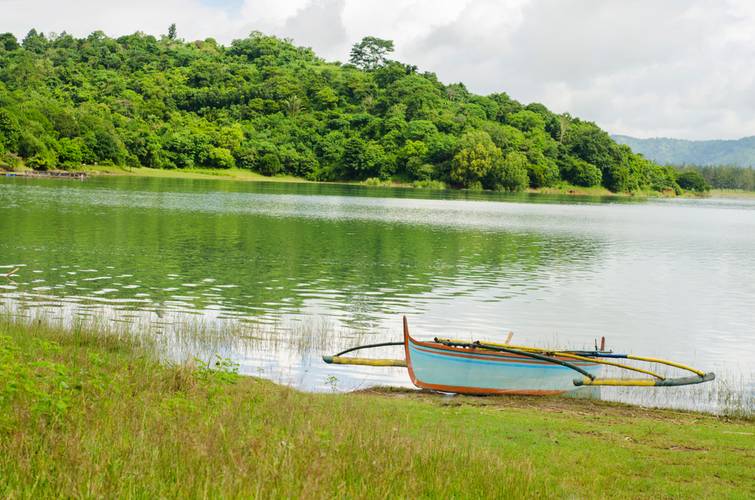
Mapanuepe Lake sits in Barangay Aglao, San Marcelino, Zambales, a body of water with an origin story unlike almost anywhere else in the Philippines. It formed when lava from the catastrophic 1991 eruption of Mount Pinatubo dammed the Mapanuepe River, creating a lake where a valley once stood. Surrounded by lush vegetation and framed by calm, still water, it's become a quiet escape for travellers looking to trade Manila's density for a genuinely different kind of scenery.
Manila is the natural gateway before making the trip out to Zambales, so booking flights in is the first step.
Discover Flights With Traveloka
Wed, 14 Oct 2026

Cebu Pacific
Taipei (TPE) to Manila (MNL)
Start from USD 72.13
Sat, 10 Oct 2026

AirAsia Philippines
Kaohsiung (KHH) to Manila (MNL)
Start from USD 65.65
Mon, 26 Oct 2026
Cebu Pacific
Butuan (BXU) to Manila (MNL)
Start from USD 38.16
The Story Behind the Lake
Before 1991, the Mapanuepe River ran freely through this valley. Mount Pinatubo's eruption sent lahar and volcanic debris downstream, blocking the river's natural course and slowly flooding the surrounding land into the lake seen today. What makes the site particularly striking is that a small town once stood in the area now submerged, giving the lake both a natural and a notably historical dimension rarely found in one destination.
1. Camping
Camping along the lake's edge is best during the dry season, running roughly November through April, when the weather stays stable and river crossings remain passable. Visitors can enjoy barbecues and bonfires while following local safety regulations, and the setting's quiet isolation makes it a genuine escape from urban noise. Several local operators can arrange tents and basic gear for visitors who'd rather not haul camping equipment on the trip out.
2. Paddling and Kayaking
The lake's calm waters suit kayaking well, and rental options are available on-site for visitors who want to explore beyond the immediate shoreline. Paddling out toward the centre of the lake offers a different perspective on the surrounding hills than what's visible from land, and the water's stillness makes it approachable even for less experienced paddlers.
3. Fishing
Mapanuepe Lake holds a variety of fish species in its clear water, making it a worthwhile stop for anglers looking for a change of scenery from more crowded fishing spots closer to Manila. Local guides can point visitors toward the best spots along the shoreline or from a rented boat.
A hotel booked in Manila keeps the 3 to 4 hour drive out to Zambales simple to plan around.
4. Boat Tours to the Sunken Town Ruins
One of the lake's most distinctive experiences is a bangka boat tour out to the remains of the town submerged when the lake first formed. Local guides lead these trips, pointing out what remains visible of the old settlement beneath and around the water's surface. It's a quieter, more reflective activity than the lake's more active offerings, and one that ties directly back into the site's volcanic history.
5. Cultural Village Visits
Nearby villages around the lake offer visitors a chance to learn more about the area's rich heritage and the communities that rebuilt after the 1991 eruption reshaped the landscape. These visits add context to the lake itself, turning a scenic stop into a fuller understanding of how the region recovered.
A guided countryside tour, bookable through Traveloka's activities listings, is a practical way to pair a trip toward Zambales with other regional stops.
A Note on Swimming
Swimming in Mapanuepe Lake is not recommended and not permitted in most areas, since the water sits above mines that were submerged when the lake formed, and heavy metal contamination has been documented in the water. Visitors are better served sticking to the lake's approved activities above, all of which let the water be appreciated without direct contact.
Best Time to Visit Mapanuepe Lake
Dry Season Advantages
November through April brings the most reliable conditions for visiting, with the river crossings needed to reach the lake staying passable throughout this window and skies generally clear enough for good photography.
Why to Avoid the Rainy Season
Heavy rain during the wet season can make the access road impassable, and the river crossings along the way become considerably riskier, making a dry-season visit the safer and more reliable option for most travellers.
What to Bring for a Day Trip
Sturdy Footwear
The lahar trail leading to the lake is rough and uneven in places, so proper closed shoes matter more here than at a typical beach or park destination.
Sun Protection and Water
With limited shade across much of the access route and the lake's open shoreline, sunscreen, a hat, and enough drinking water for the full day are worth packing before setting out.
Getting to Mapanuepe Lake
From Manila by Private Vehicle
The drive from Manila takes roughly 3 to 4 hours, covering the most direct route out to San Marcelino.
From Manila by Public Transport
Buses running to Olongapo or Iba in Zambales connect from Manila, with the final 30 to 45 minutes covered by jeepney or tricycle out to the lake itself.
Where to Stay Near the Lake
A handful of nearby resorts, including Casa San Miguel B&B and Isla Vista Beach Resort roughly 45 minutes away, offer a more localised base than commuting from Manila for a day trip. Rama International Beach Resort and Pundaquit Luxury Resort, both around an hour from the lake, round out the nearby accommodation options for visitors extending the trip into a full Zambales weekend.
A car rental is the most practical way to reach the lake given the limited public transport options this far from Manila, and an airport transfer covers the arrival leg into the city smoothly before the drive out to Zambales.
Plan Your Zambales Trip with Traveloka
A lake formed by one of the twentieth century's most significant volcanic eruptions offers a distinctly different day trip from Manila's usual circuit. Traveloka is Southeast Asia's leading travel platform, trusted by over 100 million users, bringing flights, hotels, activities, car rental, eSIM, and travel insurance together in one app for trips across Asia and beyond. Check Traveloka promotions before booking, and download the app before your Zambales trip.
Tags:
philippines
visit phillippines

Recommended Articles
What to Do in Iloilo, Philippines: A Local's Guide
10 Breathtaking Beaches in the Philippines Worth the Trip
5 Amazing Things to Do in Honda Bay Island, Palawan

Things to Do at The Dessert Museum Manila: The Full Guide
Adventure in the Philippines: Hiking, Diving, and Water Sports
Complete Travel Guide for 4-Day Davao Itinerary


