


Cruise to Japan: The Complete Guide to Japan's Best Ports, Itineraries, and Seasons



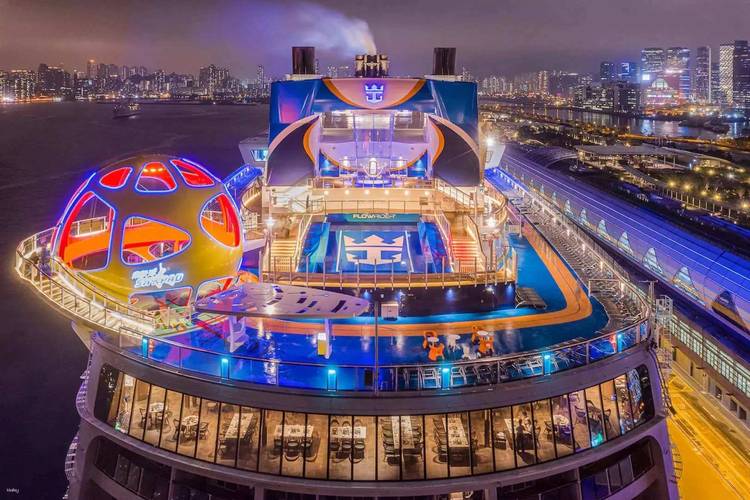
There is no more rewarding way to experience Japan's extraordinary diversity than from the water. A Japan cruise lets you wake up in Yokohama's modern port with Tokyo gleaming on the horizon, spend an afternoon wandering Kyoto's UNESCO-listed temples accessible from Osaka, watch the volcanic silhouette of Sakurajima rise from the sea at Kagoshima, and fall asleep as the ship sails through the Seto Inland Sea — all without unpacking a single suitcase. Japan's coastal geography is perfectly suited to cruising: the country's greatest cities and most historic sites are concentrated along navigable coastlines, and the seas between them are calm, scenic, and endlessly interesting.
Whether you are an expat based in Japan looking for a fresh way to see your adopted home, or an international traveller planning a Japan voyage as the centrepiece of an Asia trip, this guide covers everything you need: the best seasons, the most rewarding ports, the top cruise lines, and how to make the most of every day ashore. Book your flights to your embarkation port early — Tokyo (Yokohama), Osaka (Kobe), and Singapore are the most common starting points for Japan cruise itineraries.
Discover Flights With Traveloka
Wed, 14 Oct 2026

Spring Airlines Japan
Sapporo (CTS) to Tokyo (NRT)
Start from 5,625円
Wed, 21 Oct 2026

Jetstar Japan
Fukuoka (FUK) to Tokyo (NRT)
Start from 6,392円
Sat, 10 Oct 2026

Eastar Jet
Seoul (ICN) to Tokyo (NRT)
Start from 10,251円
Best Seasons to Cruise Japan
Spring (Late March–April) — Cherry Blossom Season
The most iconic and most sought-after time to cruise Japan. Cherry blossom sailings in March and April are the most popular, timed to catch peak flowering across multiple regions. Tokyo typically blooms around mid-March; Kyoto follows in late March to early April; northern ports like Aomori and Hakodate bloom in late April. A cruise itinerary sailing northward through spring catches blossoms at successive stages of bloom — the botanical equivalent of travelling through time. Most itineraries are Tokyo roundtrips, making logistics simple. Cherry blossom sailings in March and April are the most sought-after, while autumn departures offer spectacular foliage and fewer crowds. Book 6–12 months ahead for the best cabin availability at this peak period.
Autumn (October–November) — Foliage Season
October through November is ideal for fall cruising, with cooler temperatures and vibrant autumn foliage colouring landscapes across the country. Maple and ginkgo trees turn brilliant red, orange, and gold across Kyoto, Nara, Nikko, and Hokkaido. Autumn is generally less crowded than spring, slightly more affordable, and offers some of the most dramatic photography conditions of the year.
Summer (July–August)
July and August coincide with Japan's peak summer festival season, featuring lively celebrations and cultural events. Expect vibrant matsuri (summer festivals), spectacular fireworks displays, and a lively atmosphere in every port. The tradeoff: heat and humidity are at their peak, and typhoon risk increases from August. Some cruise itineraries are adjusted for weather conditions during this period.
Winter (December–February)
Japan's quietest and most affordable cruise season. Onsen (hot spring) culture is at its finest, Hokkaido and northern ports are transformed by snow, and the absence of crowds makes temples and shrines feel genuinely serene. Late winter (February) or early autumn (September) often have lower rates, meaning fewer crowds.
Top Japan Cruise Itineraries
Tokyo Roundtrip (7–14 Nights)
The most common Japan cruise format. Depart from Yokohama (Tokyo's cruise port), sail west through Japan's main island of Honshu visiting Shimizu (Mount Fuji gateway), Osaka, Kobe, and Hiroshima, then loop south through Kyushu via Nagasaki and Kagoshima before returning north to Yokohama. Princess Cruises offers a wide range of Japan cruises with 38 spectacular ports of call, ranging from 7-day escapes to 28-day explorations, with each itinerary visiting multiple ports across the country. Ideal for travellers based in Japan or flying into Tokyo.
Singapore to Japan (12–21 Nights)
The most popular option for travellers based in Southeast Asia. Celebrity Cruises operates Japan cruises embarking in Tokyo and Singapore, lasting 12 or 13 nights. These sailings trace the South China Sea northward, calling at Hong Kong, Taiwan, and Okinawa before reaching Japan's main ports. A popular variation extends through Vietnam and the Philippines en route.
Japan Circuit with South Korea
An increasingly popular combination pairing Japan's western ports with South Korea's Busan and Jeju Island. These sailings make logical geographic sense — western Japan and southern Korea are just hours apart by sea — and give travellers a compelling contrast between Japan's quiet refinement and Korea's vibrant urban energy. Norwegian Jade adds variety to the Japan scene, with itineraries that start in Tokyo, Incheon, Hong Kong, and Singapore.
Japan's Best Cruise Ports
Tokyo (Yokohama / Tokyo International Cruise Terminal)
Japan's electric capital is the most common embarkation point for Japan cruise itineraries. Two terminals serve the Tokyo metropolitan area: the traditional Yokohama International Passenger Terminal (Osanbashi Pier) and the newer Tokyo International Cruise Terminal on the artificial island of Aomi in Tokyo Bay, connected by the Yurikamome monorail. From either terminal, Tokyo's unmissable highlights — Shibuya Crossing, Senso-ji Temple in Asakusa, the TeamLab digital art museums, Tsukiji Outer Market for breakfast sushi — are 30–60 minutes by train.
Osaka (for Kyoto and Nara)
Ships dock at Osaka Cruise Terminal or Kobe Port, both offering fast train connections to Kyoto — Japan's cultural crown jewel — in approximately 15–30 minutes. Shore excursions offer curated visits to iconic landmarks like Hiroshima's Peace Memorial Park, tea ceremonies, sake tastings, and explorations of traditional villages. Osaka itself is Japan's food capital: takoyaki octopus balls, okonomiyaki savoury pancakes, and kushikatsu fried skewers are the defining street foods. The ancient deer park of Nara, where over 1,000 deer roam freely among UNESCO World Heritage temples, is a short train ride from Osaka.
Hiroshima (for Miyajima Island)
One of the most emotionally resonant port calls on any Japan cruise. The Peace Memorial Park and Atomic Bomb Dome — now a UNESCO World Heritage Site — are a profound and important experience. The short ferry ride to Miyajima Island, home to the famous floating torii gate of Itsukushima Shrine (another UNESCO site), is one of the most photographed scenes in Japan. Itsukushima Shrine is designated a World Heritage Site, a National Treasure and an Important Cultural Property, attracting thousands of visitors a year, with architecture typical of the noble houses in the late Heian Period.
Nagasaki
A city of extraordinary historical depth with a uniquely cosmopolitan character — the legacy of being Japan's sole gateway to the outside world for over two centuries. Dejima Island (where Dutch traders were permitted to operate), the Nagasaki Peace Park, Glover Garden (a preserved 19th-century colonial settlement), and the panoramic views from Mount Inasa are all excellent. Nagasaki was dramatically rebuilt after World War II and offers a compelling mix of history and modernity.
Kagoshima
One of the most dramatic port entries in all of cruising. The active Sakurajima volcano — one of Japan's most continuously active — sits directly across the bay from the city, its summit perpetually wreathed in smoke. The city itself is charming, with excellent sweet potato shochu, black pork cuisine, and the beautiful Sengan-en Garden (a UNESCO World Heritage Site). Beppu is a city at the pulsing heart of Japan's onsen culture, with smoking fumaroles, bubbling pools, and spouting geysers that produce more spring water than anywhere else in Japan. Beppu, a short distance from Kagoshima by sea, offers some of Japan's most extraordinary hot spring landscapes.
Okinawa (Naha)
Japan's subtropical island paradise — culturally and geographically distinct from the mainland, with its own Ryukyuan language, cuisine, and traditions. Shuri Castle (UNESCO World Heritage), coral reefs perfect for snorkelling, and Okinawa's legendary longevity culture make this one of the most fascinating ports in the Japanese archipelago. Often the first or last Japan port on southbound sailings heading toward Southeast Asia.
Shimizu (for Mount Fuji)
The gateway port for viewing Japan's most iconic landmark. On a clear day — and clear days are more common from late autumn through early spring — Mount Fuji's snow-capped peak is visible across Suruga Bay from the ship. The Miho no Matsubara pine grove (UNESCO) offers a classically composed Fuji view. The Nihondaira Ropeway and Kunozan Toshogu Shrine are excellent shore excursion options.
Top Cruise Lines for Japan
Practical Tips for Cruising Japan
Find the best hotels for your pre- or post-cruise stay in Tokyo, Osaka, or Singapore, and discover more things to do at each of Japan's extraordinary ports. Check the latest Traveloka promos for deals on flights and accommodation, arrange a smooth airport transfer to your embarkation port, and plan your complete Japan cruise journey at Traveloka.
Tags:
cruise
japan
royal caribbean

Recommended Articles

Save ¥3,000 on Your Next Trip by Inviting Travel Buddies! Traveloka Launches “Refer a Friend” Campaign
Your Next Trip: Thailand, Japan, or Both? "Traveloka Travel to Thailand/Japan" Campaign Launches

Rat Zodiac in 2026: Predictions in the Year of the Snake
6 Must-Try Cherry Blossom Foods in Japan
Golden Week Japan 2025: Here Some Tips for First Timers!
A Winter Wonderland: Things to Do in Japan in December


