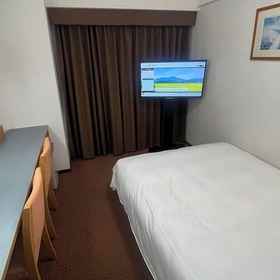


More about hotels in 酒田
Discovering Yamagata: Japan's Undiscovered Northern Charm
Yamagata Prefecture, set in the Tohoku region of Japan, offers a compelling alternative to the bustling metropolises that often dominate international travel itineraries. It presents a landscape rich in natural beauty, from majestic mountains to serene coastlines, providing a tranquil yet engaging experience for those seeking a deeper connection with Japanese culture. Unlike the well-trodden paths of Tokyo or Kyoto, Yamagata invites exploration with its authentic local life, ancient traditions, and a slower pace that allows for genuine discovery and relaxation.
The prefecture's diverse geography translates into distinct experiences across its various locales. Whether you envision yourself amidst the historic charm of Sakata, a port town with a storied past, or seeking spiritual solace at the Dewa Sanzan mountains, Yamagata offers a spectrum of environments. Choosing your base, perhaps near the convenience of yamaoh yado&cafe with its unique offerings or the traditional hospitality of Mogamiya Ryokan, significantly shapes your journey, allowing for tailored adventures that resonate with your personal travel style.
For international travellers, Yamagata represents exceptional value. With an average starting price of approximately USD 44.22 per night, it stands out as an accessible destination compared to more heavily touristed areas. This affordability, coupled with the high quality of accommodation and experiences available, makes it an attractive option for those looking to stretch their travel budget without compromising on authenticity or comfort. The region offers a genuine taste of Japan that feels both rich and accessible.
The accommodation landscape in Yamagata is as varied as its scenery, catering to a wide range of preferences and budgets. From the practical amenities offered by hotels like Hotel Rich & Garden Sakata, conveniently located for exploration, to the unique lodging experiences found throughout the prefecture, there is something for everyone. Planning your stay is the first step to unlocking Yamagata's treasures, and with Traveloka, you can easily book hotel options that perfectly suit your needs.
Yamagata appeals to a broad spectrum of international visitors. American travellers might find its blend of outdoor adventure and cultural immersion refreshing. Europeans, drawn to history and authentic experiences, will appreciate the well-preserved traditions and scenic beauty. Indian families seeking value and unique cultural encounters will find Yamagata welcoming, with its delicious cuisine and family-friendly atmosphere. For travellers from African nations, Yamagata offers a glimpse into a different facet of Asian culture, potentially accessible through regional flight connections and offering a distinct travel narrative.
Best Areas to Stay in Yamagata
Yamagata Prefecture is a region of diverse landscapes and distinct communities, each offering a unique flavour for international visitors. Understanding these different areas is key to crafting an itinerary that aligns with your travel aspirations, whether you seek urban convenience, historical immersion, or natural tranquility. Choosing the right neighbourhood as your base can profoundly shape your experience, influencing your access to attractions, local dining, and the overall atmosphere of your stay in this captivating part of Japan.
Sakata
Sakata, a historic port city on the Sea of Japan coast, offers a compelling blend of traditional charm and coastal allure. Its past as a prosperous rice trading hub is evident in its well-preserved merchant houses and historic districts, providing a tangible link to Japan's Edo period. This area would particularly appeal to European travellers interested in history and culture, as well as those from the US seeking a less conventional Japanese experience. The availability of accommodations starting around USD 44.22 per night makes it an accessible choice. Sakata
From Sakata, visitors can explore the iconic Somi-ya merchant house, wander through the atmospheric Sankyo Soko rice storehouses, and enjoy the scenic beauty of the nearby Chokai mountains. The city is also a gateway to coastal attractions and offers a chance to sample fresh seafood. Getting to Sakata typically involves flying into Shonai Airport (SYO), followed by a short transfer. For those looking to explore beyond the city, opportunities to book attractions and local tours are plentiful.
Yamagata City Centre
The heart of Yamagata Prefecture, Yamagata City, serves as a central hub for both business and tourism, offering a convenient base with a good range of amenities. It's a place where modern infrastructure meets traditional elements, such as the impressive Yamagata Castle ruins and the serene Zuihoden Mausoleum. This area is ideal for travellers who prioritize accessibility and a wide selection of dining and shopping options, making it a practical choice for Indian families and solo travellers alike who appreciate having services close at hand.
Key attractions in the city centre include the aforementioned castle park, the tranquil Kajo Park, and the vibrant local markets. The city is well-connected by public transport, making day trips to surrounding areas straightforward. Yamagata Station is a major transit point, facilitating easy travel. For those arriving internationally, accessing Yamagata City is typically done via Shonai Airport (SYO) or by Shinkansen from other major Japanese cities, offering flexibility for different travel plans.
Kaminoyama Onsen
For travellers seeking relaxation and a traditional Japanese hot spring experience, Kaminoyama Onsen is an excellent choice. This charming hot spring resort town, located south of Yamagata City, is renowned for its therapeutic waters and picturesque surroundings, often featuring ryokans (traditional inns) with beautiful gardens. It appeals to European travellers looking for a serene escape and wellness-focused holidays, as well as those from the US seeking an authentic onsen experience away from larger crowds. The area offers a peaceful retreat.
Visitors to Kaminoyama Onsen can indulge in rejuvenating baths, explore the historic Kaminoyama Castle, and enjoy the scenic beauty of the Zao mountain range nearby. The town is easily accessible by train from Yamagata City, making it a perfect addition to a broader prefectural itinerary. The tranquil atmosphere and focus on relaxation make it a standout destination for unwinding after a period of active sightseeing, offering a different pace from the urban centres.
Tsuruoka
Tsuruoka, situated in the northwestern part of Yamagata, is a city rich in cultural heritage and natural beauty, particularly known for its connection to the Dewa Sanzan, three sacred mountains central to Shugendo mountain asceticism. This area will resonate with travellers interested in spiritual journeys, hiking, and experiencing a more profound, less commercialized side of Japan. It offers a unique appeal to those seeking a deeper cultural understanding, including European and American adventurers looking for off-the-beaten-path destinations.
Beyond its spiritual significance, Tsuruoka boasts the beautiful Tsuruoka Park, the historic Daisho-ji Temple, and the innovative Tsuruoka Municipal Museum of Photography. It's also a culinary hotspot, famous for its local produce and traditional cuisine. Access to Tsuruoka is typically via Shonai Airport (SYO) or by train from Sakata or Yamagata City, providing a gateway to the prefecture's western and mountainous regions for those eager to explore its diverse offerings.
Ginzan Onsen
Ginzan Onsen is a picturesque hot spring town that feels like stepping back in time, famous for its beautifully preserved Taisho-era (1912-1926) architecture and gas lamps lining the river. This visually stunning location is a dream for photographers and travellers seeking a uniquely atmospheric and romantic Japanese experience. It's particularly attractive to European and American visitors looking for iconic, postcard-perfect scenery and a tranquil, nostalgic escape, offering a distinct visual and sensory experience.
The primary draw of Ginzan Onsen is its collection of traditional ryokans, each offering a chance to soak in mineral-rich hot springs and enjoy exquisite kaiseki (multi-course) dinners. While it's a smaller area focused on relaxation, nearby attractions include hiking trails and scenic viewpoints. Access usually involves a train journey to Oishida Station, followed by a bus or taxi, making it a destination for those willing to venture slightly off the main transport routes for a noteworthy stay.
Zao Onsen
Zao Onsen is a renowned hot spring resort area, famous not only for its therapeutic waters but also as a premier destination for winter sports, particularly skiing and snowboarding. The area transforms into a snowy destination, attracting visitors seeking outdoor adventure in the colder months. This makes it a prime spot for travellers from the US and Europe who enjoy winter activities, as well as those looking for a lively resort atmosphere with the added benefit of natural hot springs year-round.
Beyond skiing, Zao is celebrated for its unique "juhyo" or "snow monsters" – frost-covered trees that create surreal landscapes during winter. Visitors can also experience the volcanic crater lake, Okama, during warmer months, offering stunning views. The Zao Ropeway provides access to higher elevations for panoramic vistas. Zao Onsen is accessible by bus from Yamagata City, making it a popular day trip or overnight stay for those exploring the prefecture's mountainous interior.
Shonai Area (Coastal Region)
The broader Shonai region, encompassing Sakata and its surrounding coastal areas, offers a diverse mix of experiences beyond the city itself. This region is characterized by its agricultural landscapes, historical sites, and access to the Sea of Japan. It appeals to travellers who appreciate rural Japan, scenic drives, and a connection to the sea, including those from the US and Europe looking for authentic regional exploration and potentially more affordable stays, with options like Sakatanto Container Hotel Camps offering unique lodging.
Within the Shonai area, visitors can discover the beautiful beaches, explore local fishing villages, and visit historical landmarks like the former samurai residences in the area. The region is also known for its agricultural products, offering opportunities for farm visits or sampling local delicacies. Access to the Shonai region is primarily through Shonai Airport (SYO) or by train to Sakata, serving as a gateway to the prefecture's western coast and its diverse attractions.
Murayama Basin
The Murayama Basin is the agricultural heartland of Yamagata Prefecture, characterized by vast rice paddies, fruit orchards, and a network of rivers. This area offers a glimpse into the traditional rural lifestyle of Japan, with a focus on agriculture and natural landscapes. It's an ideal destination for travellers seeking tranquility, scenic beauty, and an authentic connection to the land, appealing to those from the US and Europe who appreciate pastoral settings and a slower pace of life.
Key attractions in the Murayama Basin include opportunities for fruit picking (cherries, grapes, apples depending on the season), visiting local sake breweries, and enjoying the serene countryside views. The region is also home to various festivals celebrating the harvest and local traditions. While less developed for mass tourism, its accessibility via local train lines from Yamagata City makes it a worthwhile exploration for those seeking a deeper understanding of Yamagata's rural heritage.
Okitama Region
Located in the southern part of Yamagata Prefecture, the Okitama region is renowned for its agricultural bounty, particularly its production of high-quality rice, sake, and fruits like peaches and grapes. It's also home to the historic city of Yonezawa, known for its samurai heritage and distinctive Yonezawa beef. This region appeals to food enthusiasts and history buffs, including travellers from India and Europe who appreciate culinary excellence and historical depth.
In Okitama, visitors can explore Yonezawa Castle ruins, visit the Uesugi Museum to learn about the region's feudal past, and indulge in the renowned Yonezawa beef. The area's numerous wineries and sake breweries offer tasting opportunities. Access to the Okitama region is typically via train to Yonezawa Station, which is well-connected to Yamagata City and other major hubs, making it an accessible yet distinct part of the prefecture to explore.
Higashine
Higashine, situated in the central part of Yamagata, is particularly famous for its cherry production, earning it the nickname "Cherry City." This area offers a delightful experience for visitors, especially during the cherry blossom and harvest seasons. It appeals to travellers, including families from India and couples from Europe, who are drawn to seasonal agricultural tourism and the chance to experience local festivals and culinary specialties tied to the region's famous produce.
During the cherry season, visitors can enjoy fruit picking at local orchards and sample a wide array of cherry-themed products. Higashine also offers access to scenic parks and natural areas. The city is conveniently located near Yamagata Airport (GAJ), making it an accessible entry point for those flying directly into the prefecture. It serves as a pleasant base for exploring the central agricultural plains and enjoying the fruits of Yamagata's land.
Shibata (Niigata Prefecture - Proximity Note)
While technically in neighbouring Niigata Prefecture, Shibata is often considered in conjunction with western Yamagata due to its proximity and accessibility for travellers exploring the broader region. It boasts a significant castle, Shibata Castle, and a charming canal district, offering historical and scenic appeal. This area might attract travellers from the US and Europe looking to extend their exploration beyond Yamagata, seeking a blend of history and picturesque urban landscapes.
Shibata offers a chance to explore a well-preserved castle town and enjoy the serene atmosphere of its canals and traditional gardens. It's a good stop for those travelling between Yamagata and Niigata. Access is typically via train, connecting it to major transport routes in both prefectures, making it a convenient addition for a more comprehensive tour of the Hokuriku and Tohoku regions, offering a slightly different cultural flavour.
Dewasanzan Area (Sacred Mountains)
The Dewasanzan, comprising Mount Haguro, Mount Gassan, and Mount Yudono, represents the spiritual heart of Yamagata and is a UNESCO World Heritage site. This area is a pilgrimage destination for practitioners of Shugendo, a syncretic Japanese religion that combines Buddhism, Shinto, and animist beliefs. It appeals profoundly to spiritual seekers, hikers, and cultural anthropologists from around the world, particularly those from the US and Europe interested in unique religious practices and challenging natural environments.
Each mountain offers a distinct experience: Mount Haguro is accessible year-round and features a famous five-story pagoda and ancient cedar forests; Mount Gassan is a summer pilgrimage route offering alpine flora and stunning vistas; Mount Yudono is considered the most sacred, with unique natural shrines. Access involves travel to Tsuruoka or Haguro town, followed by local transport. This area is best explored with a focus on hiking and spiritual reflection, offering a profound connection to Japan's ancient traditions.
The Sea of Japan Coastline
Yamagata's coastline along the Sea of Japan offers rugged beauty, fishing villages, and unique geological formations. Areas like the Shonai Coast provide dramatic sea views and opportunities for coastal exploration. This region is perfect for travellers seeking natural landscapes, fresh seafood, and a more laid-back coastal experience, appealing to those from the US and Europe who enjoy scenic drives and exploring less-developed shorelines, perhaps finding unique stays like Tensen Inn on the bay.
Visitors can explore scenic viewpoints, enjoy local seafood markets, and discover hidden coves and beaches. The coastline is also dotted with small towns that offer a glimpse into traditional Japanese maritime life. Access to the coastal areas is often best achieved by car, though train lines connect major towns like Sakata. This part of Yamagata provides a refreshing contrast to the mountainous interior, showcasing the prefecture's diverse natural appeal.
Mount Zao Area (Beyond the Onsen)
While Zao Onsen is a popular resort, the broader Mount Zao area offers extensive opportunities for nature lovers and adventure seekers, especially outside the ski season. This volcanic mountain range is home to diverse hiking trails, unique geological features, and stunning alpine scenery. It attracts outdoor enthusiasts from the US and Europe looking for active holidays, including those interested in volcanic landscapes and high-altitude trekking.
Activities in the Mount Zao area include hiking to crater lakes like Okama, exploring volcanic hot springs, and enjoying panoramic views from various viewpoints accessible by ropeway. The area's natural beauty changes dramatically with the seasons, offering unique experiences year-round. Access is typically via bus from Yamagata City to Zao Onsen, serving as the primary gateway to the mountain's many natural attractions and outdoor pursuits.
The Mogami River Basin
The Mogami River, often referred to as "Japan's Mississippi," carves its way through the prefecture, offering scenic boat tours and a glimpse into the region's historical importance as a transport route. The river basin is characterized by fertile plains and rolling hills, providing a picturesque rural landscape. This area appeals to travellers seeking a tranquil journey and an appreciation for Japan's natural waterways and the traditional life that has flourished along them.
The most popular way to experience the Mogami River is via a traditional boat ride, offering commentary from the boatmen and stunning views of the surrounding scenery. The river basin also provides access to smaller towns and villages where visitors can experience local life. Access to the Mogami River is typically via train to towns like Shinjo or Funagata, from where boat tours can be arranged, offering a unique perspective on Yamagata's geography.
The Shonai Plain
The Shonai Plain is a vast, fertile agricultural area in western Yamagata, known for its extensive rice cultivation and its role as the breadbasket of the region. This flat, expansive landscape offers sweeping views of the countryside, with Mount Chokai often providing a dramatic backdrop. It's an area that appeals to travellers seeking a sense of open space and an appreciation for Japan's agricultural heritage, offering a different visual experience from the mountainous regions.
Visitors to the Shonai Plain can enjoy cycling through the rice paddies, visiting local farms, and experiencing the tranquility of rural Japan. The plain is also home to historical sites and small communities that offer a glimpse into local life. Access is often best by car or bicycle, allowing for flexible exploration of the numerous country roads that crisscross the landscape, connecting various villages and points of interest.
The Upland Areas of Gassan and Chokai
Beyond the specific onsen towns, the higher elevations of Mount Gassan and Mount Chokai offer a more rugged and natural experience, particularly for hikers and nature enthusiasts. These mountains are part of the Chokai-Quasi National Park and provide challenging trails, alpine flora, and breathtaking panoramic views. This region is ideal for adventurous travellers from the US and Europe seeking to connect with Japan's wilder side and experience its natural grandeur.
The upland areas are best explored during the warmer months when hiking trails are accessible. Mount Gassan, in particular, is a significant pilgrimage route. Visitors can expect stunning natural beauty, diverse wildlife, and a sense of remoteness. Access to these higher regions typically involves travelling to nearby towns and then utilizing local transport or private vehicles to reach trailheads, requiring some planning for those venturing into these wilder landscapes.
The Coastal Towns of the Sea of Japan
Beyond the larger port of Sakata, Yamagata's Sea of Japan coastline is dotted with smaller, charming fishing towns and villages. These locations offer a more intimate glimpse into coastal Japanese life, with fresh seafood markets, traditional fishing practices, and a slower pace of living. They appeal to travellers seeking authenticity and a break from more tourist-centric areas, including those from the US and Europe looking for genuine local experiences.
Exploring these towns allows visitors to sample incredibly fresh seafood, observe daily life, and enjoy the scenic beauty of the coast. Some towns may offer unique accommodations or local crafts. Access to these smaller coastal communities often requires local buses or a car, providing an opportunity for a more immersive exploration of Yamagata's maritime culture and a chance to discover quieter, less-visited spots along the shoreline.
The Northern Mountain Ranges
Yamagata is characterized by its significant mountain ranges, particularly in the north and west, which form part of the Ou Mountains. These areas are rich in natural beauty, offering opportunities for hiking, exploring forests, and experiencing the dramatic landscapes of rural Japan. They attract travellers from the US and Europe who are drawn to outdoor activities and the serene, unspoiled nature of Japan's less-developed regions.
These mountainous regions are home to diverse flora and fauna, clear rivers, and stunning vistas. While they may not have extensive tourist infrastructure, they offer a profound sense of peace and a chance to connect with nature. Access often involves train travel to smaller towns followed by local buses or private transport, making them ideal for those who enjoy a more adventurous and self-directed exploration of Japan's natural wonders.
The Southern Foothills and Valleys
The southern parts of Yamagata, particularly the Okitama region, feature rolling foothills and fertile valleys that are crucial for the prefecture's agricultural output. This landscape is characterized by a mix of farmland, orchards, and small towns, offering a picturesque and tranquil rural setting. It appeals to travellers seeking a peaceful escape and an appreciation for Japan's agricultural heritage, including visitors from India and Europe interested in scenic countryside views.
These areas are perfect for leisurely drives, cycling, or simply enjoying the serene atmosphere. Visitors can experience local farm life, sample regional produce, and visit historical sites within the valleys. Access is often facilitated by train lines connecting the main towns, with local buses or rental cars providing further exploration opportunities into the more secluded valleys and hamlets, showcasing a gentler side of Yamagata.
The Zao Volcanic Plateau
The Zao Volcanic Plateau is a dynamic and geologically active area, famous for its hot springs, volcanic crater lakes, and unique winter phenomena like the "snow monsters." This region offers a dramatic and adventurous landscape that appeals to nature enthusiasts and thrill-seekers from the US and Europe. It provides a stark contrast to the more pastoral areas of Yamagata, showcasing the prefecture's powerful natural forces.
Activities on the Zao Volcanic Plateau include hiking, exploring volcanic hot spring areas, and experiencing the breathtaking views from the Zao Ropeway. In winter, it's a premier destination for skiing and snowboarding. Access is primarily via bus from Yamagata City to Zao Onsen, which serves as the main hub for exploring the plateau's diverse attractions and natural wonders, offering a unique geological and scenic experience.
The Coastal Plains of the Sea of Japan
Stretching along the Sea of Japan, the coastal plains of Yamagata offer a different perspective on the prefecture's geography, characterized by flat, fertile land meeting the sea. These areas are important for agriculture and fishing, providing a glimpse into the lives of coastal communities. They appeal to travellers seeking a blend of natural beauty and local culture, including those from the US and Europe interested in Japan's maritime heritage.
These plains are ideal for exploring by bicycle, visiting local fishing ports, and enjoying the expansive sea views. The region is also home to historical sites and cultural attractions that reflect its long history as a trading and fishing hub. Access is often via train to coastal towns like Sakata, with local transport options available for exploring the wider plains and their unique coastal charm.
The Inland River Valleys
Yamagata's interior is crisscrossed by numerous river valleys, carved by waterways like the Mogami River and its tributaries. These valleys are often fertile and dotted with small towns and villages, creating picturesque rural landscapes. They offer a tranquil escape and an opportunity to experience the traditional Japanese countryside, appealing to travellers from the US and Europe seeking peace and natural beauty away from urban centres.
Exploring these river valleys can involve scenic drives, boat trips on larger rivers, and visiting local communities. The natural beauty of these areas is a significant draw, especially during spring and autumn. Access is typically via local train lines to towns within the valleys, with further exploration often best done by car or bicycle to appreciate the intimate scale of the landscape and its quiet charm.
The Mountainous Hinterlands
Vast areas of Yamagata are covered by mountainous hinterlands, offering dense forests, clear streams, and a sense of untouched wilderness. These regions are ideal for hikers, nature lovers, and those seeking solitude and a deep connection with the natural world. They appeal to adventurous travellers from the US and Europe looking for off-the-beaten-path experiences and a chance to explore Japan's wilder side.
These remote areas provide opportunities for challenging treks, wildlife spotting, and experiencing the raw beauty of Japan's natural landscapes. While infrastructure is minimal, the rewards are immense for those willing to venture into these less-explored territories. Access often requires significant travel by train to regional hubs, followed by local buses or private transport, and careful planning for any extended stays or treks.
The Agricultural Plains of the Central Region
The central part of Yamagata Prefecture is characterized by expansive agricultural plains, particularly around Yamagata City and Higashine. These areas are vital for the prefecture's food production, featuring vast fields of rice, vegetables, and fruits. They offer a serene and picturesque rural landscape that appeals to travellers seeking an authentic glimpse into Japan's agricultural heartland, including visitors from India and Europe interested in scenic countryside views.
These plains are ideal for leisurely exploration, perhaps by bicycle, allowing visitors to appreciate the scale of the farmland and the changing seasons. The region is also home to local festivals and markets celebrating the harvest. Access is generally good via train lines connecting the main towns, with local roads providing easy navigation through the picturesque agricultural scenery, offering a peaceful contrast to more mountainous areas.
The Coastal Cliffs and Beaches
Yamagata's Sea of Japan coastline is not just about plains; it also features dramatic cliffs and beautiful, often secluded, beaches. These natural formations offer stunning vistas and opportunities for coastal walks and relaxation. They appeal to travellers from the US and Europe seeking natural beauty and a more rugged coastal experience, providing a different perspective from the sandy shores found elsewhere in Japan.
Visitors can explore scenic viewpoints overlooking the sea, discover hidden coves, and enjoy the fresh sea air. Some beaches may offer opportunities for swimming or simply enjoying the coastal environment. Access to these areas can vary, with some accessible by local transport and others requiring a car for the best experience, allowing for a more intimate exploration of Yamagata's diverse shoreline.
The Foothills of the Zao Mountains
The foothills surrounding the Zao Mountains offer a transition zone between the plains and the higher volcanic areas, characterized by forests, streams, and smaller hot spring resorts. This region provides a beautiful natural setting for hiking and relaxation, appealing to travellers from the US and Europe looking for outdoor activities and a peaceful retreat within easy reach of more developed areas.
These areas are ideal for moderate hiking trails, enjoying the changing colours of autumn foliage, and discovering smaller, local onsen. The natural beauty is abundant, offering a serene environment. Access is typically via local buses or car from Yamagata City or Zao Onsen, providing a gateway to the mountain's lower slopes and its tranquil natural attractions, offering a gentler introduction to the Zao region's allure.
The River Deltas and Estuaries
Where Yamagata's rivers meet the Sea of Japan, deltas and estuaries form unique ecological zones and landscapes. These areas can be rich in birdlife and offer distinct scenic views where freshwater meets saltwater. They appeal to nature enthusiasts and birdwatchers from the US and Europe looking for quieter, ecologically interesting locations to explore, offering a different kind of natural beauty.
These zones can be excellent for birdwatching and observing aquatic life. They also often feature unique vegetation adapted to the environment. Access to these areas might require local knowledge or specific transport, as they are often less developed for tourism, providing an opportunity for a more immersive nature experience for those willing to seek them out along the prefecture's extensive coastline.
The Highland Plateaus
Yamagata features several highland plateaus that offer cooler climates, unique flora, and expansive views. These areas are often used for agriculture, particularly for fruits and vegetables that thrive in higher altitudes, and can also be home to natural forests and meadows. They appeal to travellers from the US and Europe seeking a respite from the heat and an appreciation for diverse natural landscapes and agricultural practices.
These plateaus provide opportunities for scenic drives, hiking, and experiencing the local produce. The cooler air and open vistas offer a refreshing change of pace. Access to these areas typically involves travelling to nearby towns and then taking local roads or mountain passes, often best explored with a private vehicle to fully appreciate the expansive and varied terrain.
The Ancient Forested Regions
Certain areas of Yamagata, particularly in its mountainous interior and around sacred sites like Dewasanzan, are home to ancient, well-preserved forests. These woodlands are characterized by towering trees, moss-covered ground, and a profound sense of tranquility. They attract travellers from the US and Europe interested in nature, spiritual sites, and experiencing the timeless beauty of Japan's natural heritage.
Walking through these ancient forests offers a deeply calming and almost spiritual experience. The air is fresh, and the atmosphere is serene. Access to these regions often involves travelling to the nearest towns and then taking local transport or hiking trails into the heart of the forests, requiring a willingness to explore and connect with the natural environment.
The Agricultural Valleys of the North
The northern parts of Yamagata Prefecture also feature fertile agricultural valleys, distinct from those in the central or southern regions. These valleys are crucial for local food production and offer picturesque rural scenery with a unique regional character. They appeal to travellers from the US and Europe interested in experiencing the diversity of Japan's agricultural landscapes and rural life.
These valleys are ideal for exploring by car or bicycle, allowing visitors to appreciate the scale of the farmland and the charm of small rural communities. The scenery can be particularly stunning during planting and harvest seasons. Access is typically via local train lines to towns within the valleys, with local roads providing easy navigation through the picturesque agricultural scenery.
The Coastal Fishing Villages
Scattered along Yamagata's Sea of Japan coastline are numerous small fishing villages, each with its own unique character and rhythm of life. These villages offer an authentic glimpse into Japan's maritime traditions and provide opportunities to sample the freshest local seafood. They appeal to travellers from the US and Europe seeking genuine cultural experiences and a connection to Japan's coastal heritage.
Visitors can observe fishing boats, explore local markets, and enjoy meals featuring the day's catch. These villages offer a peaceful and authentic atmosphere, far from the bustle of larger cities. Access often requires local buses or a car, allowing for a more intimate exploration of Yamagata's coastal communities and their enduring traditions.
The Mountain Hot Spring Resorts
Beyond the famous Ginzan and Zao Onsen, Yamagata Prefecture is dotted with numerous smaller mountain hot spring resorts, often set in scenic valleys or on hillsides. These resorts offer a tranquil and rejuvenating experience, surrounded by nature. They appeal to travellers from the US and Europe seeking relaxation, wellness, and an authentic onsen experience away from the more crowded destinations.
These resorts provide opportunities to soak in mineral-rich waters, enjoy local cuisine, and explore the surrounding natural beauty. They offer a peaceful escape and a chance to experience traditional Japanese hospitality. Access to these smaller resorts often involves train travel to a nearby town, followed by a local bus or taxi, making them ideal for those seeking a more secluded and authentic onsen getaway.
The Historic Castle Towns
While Yamagata Castle is a prominent example, the prefecture has a history that includes other castle towns, each with its own preserved remnants and historical significance. These towns offer a journey back in time, with historical sites, traditional architecture, and a sense of regional heritage. They appeal to history enthusiasts and cultural travellers from the US and Europe interested in Japan's feudal past.
Exploring these towns allows visitors to learn about samurai history, visit castle ruins or reconstructions, and wander through preserved streets. They offer a deeper understanding of the region's past. Access to these historical towns is typically via train, connecting them to the prefecture's main transport network, making them accessible for day trips or short stays focused on historical exploration.
The Rural Countryside near Sakata
The areas surrounding Sakata, beyond the city itself, offer a glimpse into the agricultural heartland of the Shonai region. This includes rice paddies, local farms, and small villages that maintain a traditional way of life. It appeals to travellers from the US and Europe seeking an authentic rural Japanese experience and an appreciation for the connection between land and community.
Exploring this countryside can involve cycling through scenic routes, visiting local markets, and experiencing the tranquility of rural Japan. The landscape is often dominated by agricultural fields, with Mount Chokai providing a majestic backdrop. Access is often best by car or bicycle, allowing for flexible exploration of the numerous country roads that crisscross the landscape, connecting various villages and points of interest.
The Upland Farms and Orchards
Yamagata is known for its high-quality produce, and many upland farms and orchards are open to visitors, especially during harvest seasons. These areas offer a chance to experience fruit picking, sample local delicacies, and learn about Japanese agricultural practices. They appeal to families and food-loving travellers from India and Europe looking for seasonal, hands-on experiences.
Visiting these farms provides a direct connection to the source of Yamagata's renowned food and drink. It's an opportunity to enjoy fresh produce and support local agriculture. Access to these farms can vary, with some being easily accessible by car or local transport from nearby towns, offering a delightful and tasty excursion into the prefecture's agricultural bounty.
The Scenic River Valleys of the North
The northern regions of Yamagata are carved by numerous river valleys that offer picturesque rural scenery and a tranquil atmosphere. These valleys are often fertile, supporting local agriculture and small communities. They appeal to travellers from the US and Europe seeking natural beauty and a peaceful escape into the Japanese countryside, providing a different perspective from the more mountainous areas.
These valleys are ideal for leisurely exploration, offering scenic drives and opportunities to visit local villages. The natural beauty is a significant draw, especially during spring and autumn. Access is typically via local train lines to towns within the valleys, with local roads providing easy navigation through the picturesque agricultural scenery, showcasing a gentler side of Yamagata's northern landscape.
The Coastal Fishing Hamlets
Along Yamagata's extensive Sea of Japan coastline, numerous small fishing hamlets offer an authentic glimpse into Japan's maritime heritage. These villages are characterized by their close-knit communities, traditional fishing practices, and the freshest seafood. They appeal to travellers from the US and Europe seeking genuine cultural experiences and a connection to Japan's coastal way of life.
Visitors can observe daily fishing activities, explore local markets, and enjoy meals featuring the day's catch. These hamlets provide a peaceful and authentic atmosphere, far from the bustle of larger cities. Access often requires local buses or a car, allowing for a more intimate exploration of Yamagata's coastal communities and their enduring traditions, offering a truly local experience.
The Mountain Slopes of Chokai
Mount Chokai, an active stratovolcano on the border of Yamagata and Akita prefectures, offers dramatic mountain scenery and hiking opportunities. Its slopes are home to diverse ecosystems and provide stunning views of the Sea of Japan. This area appeals to hikers and nature enthusiasts from the US and Europe looking for challenging outdoor adventures and spectacular natural landscapes.
The mountain offers various trails, ranging from moderate to strenuous, leading to its summit or through its diverse natural environments. Access to the mountain's base and trailheads is typically via local transport from nearby towns, requiring some planning for those wishing to undertake a serious trek, offering a rewarding experience for the adventurous traveller.
The Agricultural Plains of the West
The western part of Yamagata Prefecture, particularly the Shonai Plain, is a vast agricultural expanse known for its rice paddies and fertile land. This region offers a sense of openness and a deep connection to Japan's food production. It appeals to travellers from the US and Europe interested in experiencing the heart of Japan's agricultural landscape and its rural charm.
Exploring these plains by bicycle or car allows visitors to appreciate the scale of the farmland and the beauty of the countryside, often with Mount Chokai as a dramatic backdrop. The region is also home to historical sites and small communities that offer a glimpse into local life. Access is often best by car or bicycle, allowing for flexible exploration of the numerous country roads that crisscross the landscape. book flight
The Inland Valleys of the South
The southern regions of Yamagata, including the Okitama area, are characterized by fertile inland valleys that are crucial for the prefecture's agricultural output. These valleys are dotted with small towns and villages, creating picturesque rural landscapes. They offer a tranquil escape and an opportunity to experience the traditional Japanese countryside, appealing to travellers from India and Europe interested in scenic countryside views and local produce. cheap hotels
These areas are perfect for leisurely drives, cycling, or simply enjoying the serene atmosphere. Visitors can experience local farm life, sample regional produce, and visit historical sites within
All information in this article is accurate as of the date of publication. Prices are subject to change depending on season, availability, and hotel policy.