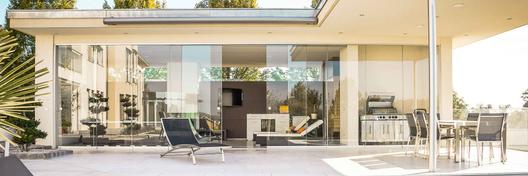
More about hotels in 图拉杜尔隆
Lalitpur: A Cultural Tapestry Beyond Kathmandu's Shadow
Lalitpur, often overshadowed by its bustling neighbour Kathmandu, presents a distinct and deeply rewarding travel experience for the discerning international visitor. While Nepal is globally renowned for its towering Himalayas and spiritual heritage, Lalitpur offers a more intimate encounter with the country's rich artistic traditions and ancient Newari culture. This city, a UNESCO World Heritage site in its own right, invites exploration through its meticulously preserved courtyards, intricate wood carvings, and vibrant religious festivals, providing a tangible connection to Nepal's historical grandeur that resonates with travellers seeking authenticity.
The urban fabric of Lalitpur is a fascinating study in contrasts, offering diverse experiences depending on where you choose to base yourself. From the serene, almost rural feel of areas like Lamatar, with its burgeoning resorts and natural beauty, to the densely packed cultural heartlands around its ancient squares, the city's geography shapes your journey. Lamatar3, for instance, might offer a more local, less tourist-centric perspective, while the core city buzzes with artisanal workshops and ancient temples. Understanding these nuances is key to unlocking Lalitpur's multifaceted charm.
While specific pricing for Lalitpur can fluctuate, it generally presents a compelling value proposition for international travellers. With an average starting price of N/A per night, it offers a more accessible entry point into Nepal's cultural heartland compared to some of its more heavily touristed counterparts. For travellers from the United States and Europe, this translates to more affordable accommodation and experiences, allowing for extended stays or deeper exploration. Indian travellers, benefiting from proximity and strong cultural ties, will find familiar hospitality and excellent value, making Lalitpur an attractive destination for families and budget-conscious explorers alike.
Lalitpur's accommodation landscape mirrors its diverse appeal, ranging from the tranquil retreats of Thuladurlung8 to the more accessible comforts of Thuladurlung5. These properties, while distinct in their offerings and price points, collectively showcase the city's capacity to cater to a wide spectrum of international visitors. Whether you seek the comprehensive amenities of a resort or the intimate charm of a guesthouse, the opportunity to book hotel in Lalitpur ensures a comfortable and fitting base for your Nepalese adventure.
Ultimately, Lalitpur draws to a broad array of global travellers. American adventurers might find its blend of cultural immersion and potential for nearby trekking appealing. European visitors, with their keen interest in history and art, will be captivated by the city's ancient Newari architecture and living traditions. Indian families will appreciate the cultural resonance, ease of access, and excellent value for money. For travellers from African nations, Lalitpur offers a unique cultural exchange, a chance to explore a different facet of Asian heritage with a welcoming atmosphere.
Best Areas to Stay in Lalitpur
Lalitpur, a city with a deep historical background and artistic heritage, offers a diverse range of neighbourhoods, each presenting a unique atmosphere and set of attractions for international visitors. Choosing where to stay within this ancient urban landscape can significantly shape your travel experience, from the pace of your days to the ease of accessing cultural sites and local life. Understanding the distinct character of areas like Lamatar, Lamatar3, and the central Lalitpur districts is crucial for crafting a memorable journey.
Lamatar
Lamatar, situated on the outskirts of Lalitpur, offers a refreshing escape from the urban bustle, appealing particularly to travellers from the United States and Europe seeking a blend of natural beauty and accessible comfort. This area is characterized by its more open spaces and a growing number of resorts and guesthouses that provide a tranquil base. It’s an ideal neighbourhood for those who appreciate a slower pace, with opportunities for light hiking and enjoying the surrounding greenery, offering a serene counterpoint to the city's historical core.
From Lamatar, visitors can easily access the main cultural attractions of Lalitpur by a short taxi or bus ride, making it a practical choice for exploring the city's temples and squares. The area itself is developing its own culinary scene, with local eateries serving traditional Nepalese fare. For those looking to explore beyond the city, Lamatar serves as a convenient starting point for day trips into the surrounding hills. Travellers can book attractions and tours that depart from or pass through this region, enhancing their exploration of Nepal.
Lamatar3
Lamatar3 presents a more authentic, less-trodden path within Lalitpur, likely to resonate with travellers from India and Africa seeking a genuine local experience away from the main tourist circuits. This district offers a glimpse into everyday Nepalese life, with its residential areas, local markets, and community temples. It’s a place where the rhythm of daily routines is palpable, providing an opportunity to observe and interact with local culture in a more intimate setting, fostering a deeper understanding of the region.
While Lamatar3 may not boast the same density of tourist amenities as other areas, it offers a unique advantage: proximity to local food stalls and small eateries where one can sample authentic Nepalese cuisine at very affordable prices. Getting to the historical centre of Lalitpur is straightforward via local bus or a short taxi journey, connecting you to the city's renowned heritage sites. This neighbourhood is perfect for the independent traveller who values immersion and discovery over curated tourist experiences.
Central Lalitpur (Patan Durbar Square Vicinity)
The heart of Lalitpur, particularly the areas surrounding Patan Durbar Square, is a UNESCO World Heritage site and the epicentre of the city's artistic and historical significance. This district is a prime choice for European travellers and Americans with a deep interest in history, architecture, and traditional crafts. Staying here means being immersed in a living museum, with ancient palaces, temples, and courtyards just steps away, offering an unparalleled cultural experience that defines Lalitpur.
This central district is exceptionally well-served by local transport, making it easy to navigate to other parts of Lalitpur and beyond. It is also home to numerous handicraft shops, art galleries, and traditional Newari restaurants, offering a rich culinary and shopping experience. For travellers who wish to be at the nexus of culture and history, this area provides direct access to iconic landmarks and a vibrant atmosphere, ensuring every day is filled with discovery and wonder.
Kopundol
Kopundol, a well-connected neighbourhood in Lalitpur, serves as an excellent base for travellers who value convenience and a good balance between accessibility and local flavour. It's a district that appeals to a broad range of international visitors, including those from India and Africa, who appreciate its blend of residential calm and proximity to commercial hubs. The area offers a more contemporary feel while still retaining elements of traditional Nepalese urban life, making it a comfortable and practical choice for many.
Kopundol benefits from its convenient location, offering relatively easy access to both the historical sites of Lalitpur and the transit routes connecting to Kathmandu. This makes it a practical choice for travellers who plan to explore both cities. The neighbourhood features a good selection of guesthouses and smaller hotels, along with local eateries and shops, providing all the necessary amenities for a comfortable stay. Its accessibility ensures that exploring the wider region is straightforward and efficient.
Bungamati
Bungamati, a charming traditional Newari village on the southern edge of Lalitpur, offers a tranquil and culturally rich experience, particularly appealing to European and American travellers seeking an authentic glimpse into rural Nepalese life. This ancient settlement is renowned for its well-preserved architecture, including the iconic Machhendranath Temple, and its vibrant community spirit. It provides a peaceful retreat, allowing visitors to connect with traditional crafts and local customs in a serene environment.
While more secluded, Bungamati is accessible via local bus or taxi from central Lalitpur, offering a distinct contrast to the city's more developed areas. The village is known for its local artisans, particularly woodcarvers, and offers a chance to witness traditional crafts firsthand. Dining options are typically local and authentic, providing a true taste of Nepalese village cuisine. It’s an ideal location for those who wish to experience a slower pace of life and immerse themselves in the cultural heritage of the Kathmandu Valley.
Exploring Lalitpur's Culinary Landscape
Lalitpur's culinary scene is a vibrant reflection of Nepal's diverse cultural influences, offering a delightful journey for the taste buds of international visitors. Beyond the ubiquitous momos, the city boasts a rich array of traditional Newari dishes that are a must-try for any food enthusiast. From hearty lentil soups and flavourful curries to unique fermented rice dishes and sweet delicacies, the local cuisine provides a delicious insight into the region's heritage, promising a gastronomic adventure that complements the city's historical allure.
The best places to savour Lalitpur's authentic flavours are often found in its bustling local markets and the charming courtyards surrounding its ancient squares, particularly near Patan Durbar Square. These areas are dotted with small, family-run eateries and street food vendors offering a genuine taste of Nepalese life. For Muslim travellers, while many dishes are naturally Halal, it's advisable to inquire about meat preparation or opt for vegetarian options, which are abundant and delicious throughout the city.
Dining in Lalitpur offers a spectrum of price points, catering to all budgets. Street food, such as momos or chatpate, can be enjoyed for as little as USD 0.50 to USD 2 per serving, offering incredible value. Mid-range restaurants serving traditional Nepalese and Newari cuisine typically charge between USD 5 to USD 15 per person for a full meal. For a more upscale dining experience, expect to pay USD 20 to USD 40 per person, providing a range that is generally very accessible for travellers from the US and Europe, and exceptionally affordable for those from India.
Navigating dining etiquette in Lalitpur is straightforward and adds to the cultural experience. Meals are often eaten with the right hand, especially in more traditional settings, though cutlery is widely available. Tipping is not mandatory but is appreciated for excellent service, typically around 5-10% in restaurants. It's customary to accept food or drinks offered by locals with gratitude, and understanding basic greetings in Nepali can enhance interactions. Embrace the communal spirit of dining and enjoy the warm hospitality that accompanies every meal.
Cultural Nuances and Staying Secure in Lalitpur
Understanding and respecting local customs is paramount for a smooth and enriching visit to Lalitpur. The Newari culture, with its deep-rooted traditions, emphasizes politeness and respect for elders and religious sites. Visitors should be mindful of removing their shoes before entering homes, temples, and monasteries. Public displays of affection are generally frowned upon, and it's important to dress modestly, especially when visiting religious or cultural landmarks, to show respect for local sensibilities.
When exploring Lalitpur's sacred sites, such as its numerous temples and stupas, adherence to specific etiquette is expected. Photography may be restricted in certain areas, and it's always polite to ask permission before taking pictures of people. Walking around stupas and temples should be done in a clockwise direction. Queueing culture is generally relaxed, but patience and politeness are appreciated. Being aware of these nuances will foster positive interactions and a deeper appreciation for the local way of life.
Lalitpur is generally a safe city for tourists, but standard precautions should always be taken. Keep valuables secure and be aware of your surroundings, particularly in crowded markets. For transportation, while taxis are readily available, it's advisable to agree on a fare beforehand or ensure the meter is used. Ride-hailing apps are becoming more prevalent, offering a convenient and transparent way to travel. Having offline maps and essential contact numbers readily accessible on your phone can also enhance your sense of security.
In case of emergencies, local police can be contacted via emergency numbers. For specific tourist assistance, a dedicated tourist police unit may be available. It is also wise to know the location of your country's embassy or consulate in Nepal, particularly for travellers from the US, UK, India, Nigeria, Kenya, South Africa, and other nations. Carrying travel insurance that covers medical emergencies and theft is highly recommended to ensure peace of mind throughout your journey in Lalitpur.
Navigating Lalitpur: A Practical Travel Guide
Reaching Lalitpur involves first arriving in Nepal, typically via Tribhuvan International Airport (KTM) in Kathmandu, which serves as the primary gateway for international travellers. For those from the United States, flights from major hubs like New York (JFK) or Los Angeles (LAX) usually involve one or two layovers, with total travel time ranging from 18 to 25 hours. European travellers from London (LHR) or Frankfurt (FRA) can expect similar journey durations, often with a stopover in the Middle East or a major European hub.
Indian travellers from Delhi (DEL) or Mumbai (BOM) have more direct options, with flights to Kathmandu taking around 3 to 4 hours. African travellers from Nairobi (NBO) or Addis Ababa (ADD) will typically find flights with one stop, taking approximately 10 to 15 hours. From Kathmandu airport, Lalitpur is a relatively short drive, usually between 30 to 60 minutes depending on traffic. To secure the best fares for your journey, consider using Traveloka to book flight tickets well in advance.
Once you've arrived in Lalitpur, navigating the city is an adventure in itself. Local buses are the most economical way to travel, connecting various parts of the city and surrounding areas, though they can be crowded. Taxis are plentiful and offer a more comfortable ride, but it's essential to negotiate fares before starting your journey or insist on using the meter. For shorter distances within the historic centre, walking is often the most rewarding way to explore the intricate alleyways and discover hidden courtyards. Auto-rickshaws, or 'tempos', also operate on fixed routes and are a budget-friendly option for local travel.
The best time to visit Lalitpur is generally during the spring (March to May) and autumn (September to November) months. These periods offer pleasant weather with clear skies, ideal for sightseeing and outdoor activities. Spring brings blooming flowers, while autumn provides comfortable temperatures for exploring the city's cultural heritage. The monsoon season (June to August) sees increased rainfall, which can disrupt travel plans, while winter (December to February) can be quite cold, especially in the mornings and evenings. Hotel prices tend to be higher during the peak spring and autumn seasons.
Before departing for Lalitpur, ensure you have the necessary preparations in place. The local currency is the Nepalese Rupee (NPR), though USD is widely accepted in tourist areas and hotels; carrying smaller USD denominations can be useful. Purchasing a local SIM card at the airport upon arrival is recommended for easy communication and data access. Essential apps to download include offline maps of Lalitpur and Kathmandu, a translation app, and potentially a ride-hailing app if available. Confirming visa requirements and ensuring your passport has at least six months of validity beyond your intended stay are crucial pre-departure steps.
Visa Information for Entering Nepal to Visit Lalitpur
For travellers planning a visit to Lalitpur, understanding Nepal's visa policy is a critical first step. US passport holders can typically obtain a visa on arrival at Tribhuvan International Airport in Kathmandu, with options for 15, 30, or 90-day stays, simplifying entry for many. European passport holders, including those from the UK, Germany, and France, generally follow the same visa-on-arrival procedure, with similar durations available, making entry straightforward for most leisure and cultural tourism purposes.
Indian passport holders benefit from a unique arrangement, generally not requiring a visa for entry into Nepal for tourism purposes, provided they possess valid identification such as a passport or an election ID card. This ease of access makes Nepal, and by extension Lalitpur, a highly accessible destination for Indian families and travellers. For travellers from African nations, including Nigeria, Kenya, and South Africa, visa requirements vary; most will need to apply for a visa in advance through a Nepalese embassy or opt for the e-visa system where available, with specific documentation often required.
The application process for a Nepalese visa typically involves filling out a form, providing passport-sized photographs, and paying a fee in USD, which varies based on the length of stay. For instance, a 30-day tourist visa often costs around USD 50. It is essential to ensure your passport has at least six months of validity remaining from your date of entry. While not always strictly enforced for all nationalities, carrying proof of onward travel and hotel bookings can expedite the process. It is always advisable to verify the latest visa regulations directly with the Department of Immigration of Nepal or the nearest Nepalese embassy before booking your flight to avoid any last-minute complications.
Discover the Charm of Lalitpur with Traveloka
Lalitpur offers a profound journey into the heart of Nepalese culture, art, and history, presenting a compelling alternative to the more frequented tourist trails. Its ancient squares, intricate artistry, and vibrant living traditions provide a unique window into a world that has remained remarkably preserved, making it an essential destination for travellers seeking depth and authenticity in their global explorations. This city is not just a stopover; it's a destination that rewards curiosity and invites genuine connection.
Traveloka provides a comprehensive platform to explore Lalitpur, catering to every budget and travel style. Whether you're seeking the luxury of a 5-star resort starting from around USD 188 per night, or looking for cheap hotels and guesthouses from N/A per night, our extensive listings cover all neighbourhoods mentioned, from the serene Lamatar to the cultural core. We offer flexible payment options, including credit cards, debit cards, and Traveloka PayLater, ensuring a seamless booking process for travellers from the US, Europe, India, and Africa.
Embark on your Lalitpur adventure with confidence by booking through Traveloka. Benefit from our Best Price Guarantee, 24/7 Live Agent Support, and access to over 2 million hotels worldwide. Enjoy up to 1.5x Loyalty Cashback on eligible bookings, making your trip even more rewarding. We are committed to providing a smooth and reliable travel planning experience, ensuring you can focus on discovering the unique beauty and rich heritage of Lalitpur. T&C Apply.
All information in this article is accurate as of the date of publication. Prices are subject to change depending on season, availability, and hotel policy.