New South Wales Wine Regions: Your Complete Guide to Hunter Valley, Mudgee and Orange



New South Wales is home to some of Australia's most celebrated wine country, with more than 200 cellar doors spread across three distinct regions each offering a character entirely their own. Whether you're after a leisurely weekend escape from Sydney or a longer self-drive through rolling vineyard country, the state delivers world-class drops alongside stunning rural scenery. From the low-lying valley floors of the Hunter to the cool granite ridges above Orange, NSW wine tourism has never been better. This guide covers the best wineries to visit, what to taste, and how to plan your trip.

Planning your accommodation early is a smart move, especially for harvest season visits between February and May when cellar doors are at their liveliest. You'll find a wide range of stays across the regions, from boutique vineyard retreats to comfortable country pubs and polished hotel properties closer to Sydney.
If you're looking for somewhere to rest your head after a day of tasting, hotels across New South Wales can be booked conveniently in one place through Traveloka.
1. Hunter Valley

About the Region
The Hunter Valley is Australia's oldest wine region and one of the most visited, sitting just under two hours north of Sydney via the freeway. The Lower Hunter, centred on the Pokolbin area, is where most of the cellar doors are concentrated, making it an easy destination for a weekend away. The region's warm, humid climate and ancient basalt and clay soils produce a style of wine unlike anywhere else in the country. Hunter semillon in particular ages with extraordinary grace, developing rich toast and honey characters over a decade or more without a drop of oak.
The region stretches across gently undulating country flanked by the Brokenback Range, which creates the dramatic purple-tinged horizon that frames so many vineyard views. Shiraz is the other great variety here, producing earthy, medium-bodied wines with a savoury quality that distinguishes them from their warmer-climate counterparts. Chardonnay also thrives, and recent years have seen a surge of interest in alternative varieties as younger winemakers push creative boundaries. The Hunter has over 129 cellar doors, meaning you could spend several long weekends here and still discover something new on every visit.
Brokenwood Wines
Brokenwood is one of the Hunter Valley's benchmark producers, operating a cellar door at 401–427 McDonalds Road in Pokolbin that is open Monday to Friday from 11am to 5pm and Saturday to Sunday from 10am to 5pm. The winery was named Best Cellar Door in New South Wales at the 2025 Halliday Wine Companion Awards, a distinction that reflects years of effort invested in the visitor experience. Tasting experiences start from around $25 per person for a guided flight of seven wines across their varietal and single-vineyard range, with a premium match experience pairing wines with canapés available for $75 per person. The standout wine to try is the Graveyard Vineyard Shiraz, sourced from one of the Hunter's most coveted sites and considered a benchmark expression of the variety in the region.
Beyond the tasting room, Brokenwood hosts barrel tastings and more intimate winery tours that take visitors behind the scenes during vintage. The estate's gardens and alfresco areas are beautifully kept and make for a relaxed setting on a sunny afternoon. Even without a formal booking, drop-in visitors are warmly welcomed and the staff are generous with their knowledge. Book ahead for weekend visits, particularly in autumn when demand runs high across the valley.
Pepper Tree Wines
Pepper Tree Wines at 86 Halls Road, Pokolbin, opens daily from 9:30am to 5pm and offers a more boutique experience in a charming heritage-listed property surrounded by lush gardens. The winery specialises in semillon and shiraz, though it also produces a well-regarded gin, and the cellar door experience can include picnic packages for those who want to linger in the grounds. Tasting options are approachable in both price and format, making Pepper Tree an excellent starting point for visitors who are newer to wine. The estate has a warm, inviting atmosphere that encourages spending an entire afternoon exploring the range.
The property's position in the heart of Pokolbin puts it within easy reach of other cellar doors, restaurants and accommodation, making it a natural anchor point for a day of tasting. Pepper Tree also sources fruit from the Orange and Coonawarra regions, so the tasting flight often spans a wider geographical story than many Hunter-focused producers. Ask staff about the cellar releases and back vintages, which sometimes offer exceptional value and a compelling glimpse into how these wines evolve. Reservations are recommended for larger groups.
2. Mudgee
About the Region
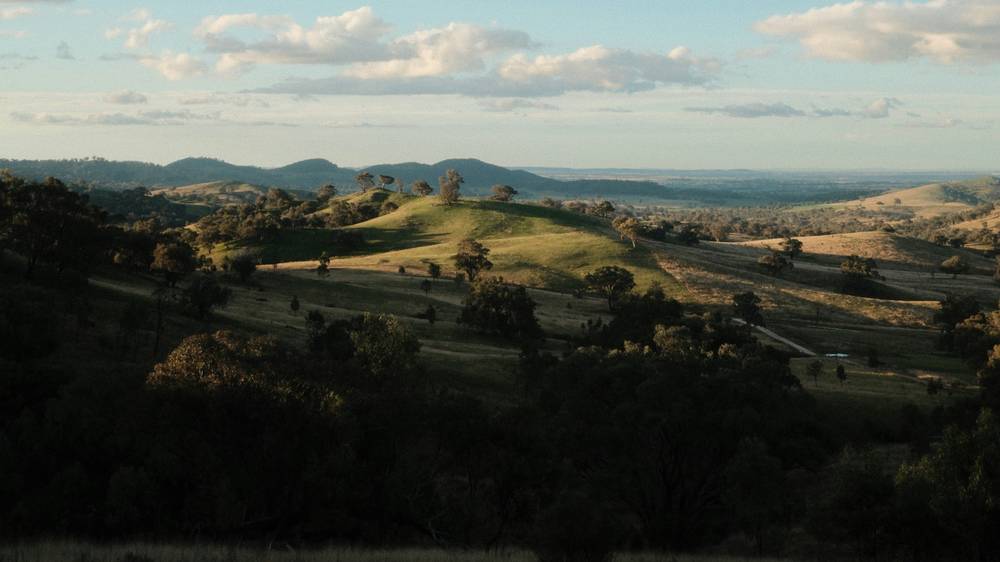
Mudgee sits in the Central Tablelands of New South Wales, roughly four hours west of Sydney across the Blue Mountains, and it is one of the state's best-kept wine secrets. The name Mudgee derives from an Aboriginal word meaning "nest in the hills," a description that fits beautifully given the region's sheltered valleys and elevated vineyard sites. Winemaking here dates to the 1850s, making it one of Australia's historically significant regions, and the local community retains a strong sense of heritage and craft. With 35 to 40 cellar doors spread across gently rolling countryside, Mudgee rewards travellers who seek a slower, more immersive experience than the more heavily visited Hunter.
The continental climate here — cold winters, warm summers and very low rainfall — produces conditions ideal for full-bodied red wines, and Mudgee has built its reputation particularly on shiraz, cabernet sauvignon and merlot. Vineyard elevations range between 400 and 1,000 metres, which extends the growing season and contributes to wines of genuine complexity and structure. The free-draining red clay and granite soils encourage deep root growth, adding further character to the finished wines. A visit to Mudgee is as much about the food and community as it is about the wine, with a thriving local food scene centred on the historic town centre.
Lowe Wines
Lowe Family Wine Co occupies a picturesque property on Tinja Lane on the outskirts of Mudgee and is one of the region's most committed sustainable producers, holding certified organic and biodynamic status across the entire vineyard and winery operation. The cellar door is open daily from 10am to 5pm and sits within the working winery itself, offering visitors a genuine farm-to-glass experience with views across the estate vineyards to the surrounding hills. Two tasting formats are available: the "Lowe Flow" option lets you work through nine current-release wines at your own pace, while the "Lowe Show" is a 90-minute premium tour and taste that goes deep into the winery philosophy and production methods. Advance bookings are essential, and you can reserve a spot easily through the Lowe Wines website.
The winery's Zinfandel has become something of a calling card, with Lowe producing one of the most serious expressions of the variety in Australia from old vines that have adapted exceptionally well to the Mudgee climate. Their approachable orange wine and minimal-intervention labels have also attracted a younger generation of wine enthusiasts in recent years. The farm setting creates a welcoming environment for families and groups who want more than a simple tasting, and the combination of food, wine and scenery makes a half-day visit feel very natural. This is a cellar door that rewards curiosity.
Huntington Estate
Huntington Estate is one of Mudgee's founding properties, established in 1969 by the Roberts family, and remains a fiercely independent, estate-grown operation located approximately six kilometres from the Mudgee town centre on Griffin Road. The cellar door opens daily from 10am to 4pm and is known for offering aged vintages alongside current releases, a rarity in Australian wine regions that makes it a genuinely special destination for collectors. The rustic, unhurried atmosphere at Huntington Estate reflects its heritage, and tastings are often accompanied by a selection of local cheese and biscuits to complement the wines. Cabernet sauvignon and shiraz are the stars of the estate, with the former producing structured, deeply concentrated wines that age gracefully over many years.
Huntington Estate's longevity in an industry notorious for change speaks to the quality and consistency of its output across more than five decades. The property hosts an annual music festival in its grounds, a tradition that has been running since the 1980s and underscores the estate's role as a cultural anchor in the Mudgee community. Visitors with an interest in older vintages should enquire directly about library stock, which occasionally surfaces at cellar door. The drive through Mudgee's vineyard country to reach Huntington is itself a highlight, particularly in autumn when the vines turn gold and red.
There is no shortage of activities to complement a wine region visit in New South Wales — from hot air ballooning over the Hunter Valley at sunrise to guided farm-to-table experiences in Mudgee. Booking experiences in advance through Traveloka ensures you secure spots at the most popular tours and tastings across the state.
3. Orange
About the Region
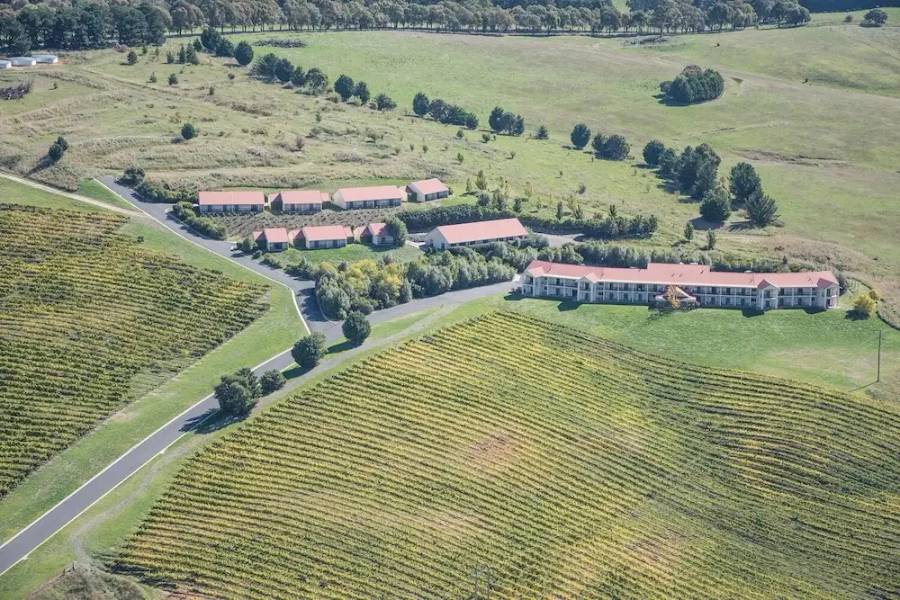
Orange is a cool-climate wine region perched at altitude in the Central West of New South Wales, with vineyards planted above 600 metres and some approaching 1,400 metres on the slopes of an ancient extinct volcano, Mount Canobolas. The elevation brings cool nights, significant diurnal temperature variation and a long, slow growing season that produces wines of exceptional finesse and aromatic complexity. Orange has become one of the most exciting wine regions in Australia, with a rapid expansion of producers over the past two decades and a well-earned reputation for premium chardonnay, riesling, pinot noir and sauvignon blanc. The town of Orange itself is a lively regional hub with excellent restaurants, artisan producers and a very active food culture built around the region's horticultural strengths.
The region sits within the broader Central West of New South Wales, and the drive from Sydney takes approximately four hours via the Great Western Highway, with the Blue Mountains providing a spectacular backdrop along the way. Increasingly, travellers are combining Orange with nearby Mudgee on a longer self-drive circuit that takes in the best of both regions across three or four days. The cool, green pastoral landscapes around Orange feel strikingly different from the warmer lowland wine regions of Australia, and the scenery alone makes the journey worthwhile. Autumn in Orange is particularly spectacular, with the cool-climate deciduous trees turning vivid shades of amber and crimson across vineyards and town streets alike.
Bloodwood Wines
Bloodwood Wines holds a special place in the Orange wine story as one of the region's pioneering estates, with the vineyard first planted in 1983 by the Smart family, who remain deeply involved in the property today. The cellar door at 231 Griffin Road is open Saturday and Sunday from 11am to 5pm, with visits by appointment on other days, and the intimate scale of the operation means the experience feels genuinely personal. Riesling is the flagship variety here, consistently producing wines of elegant, finely drawn aromatics and crisp natural acidity that develop beautifully in the bottle over time. The sustainable, small-batch philosophy that guides production at Bloodwood is evident in everything from the minimalist label design to the care and attention paid during each vintage.
The cellar door itself is charming and unpretentious, set among the vines with views that capture the rural character of Orange perfectly. Bloodwood also produces a well-regarded chardonnay, a pinot noir and several other cool-climate varieties, all of which are worth tasting on a visit. Given the limited opening hours, planning ahead is essential, and booking in advance is strongly recommended to avoid disappointment on busy weekends. The wines are produced in small quantities and sell out regularly, so visiting the cellar door is often the best opportunity to try the full range.
De Salis Wines
De Salis Wines is situated at an altitude of 1,050 metres on the northern slope of Mount Canobolas, making it one of the highest-altitude cellar doors in Australia and a destination that combines genuinely world-class wine with breathtaking landscape views. The cellar door at 125 Mount Lofty Road in Nashdale, Orange, is open daily from 11am to 5pm for groups of up to six guests, with bookings strongly advised given the intimate setting and focus on personalised service. The winemaking philosophy at De Salis is minimalist and old-world-inflected, with French varieties — pinot noir, chardonnay, merlot, cabernet franc and sparkling wines made in the traditional method — taking centre stage. De Salis has earned recognition as one of the world's top cellar door experiences by international wine publications, a distinction that reflects the extraordinary effort invested in the visitor experience.
The elevated vineyard setting at De Salis creates growing conditions that are unique even within the cool-climate Orange region, and the wines carry an extra degree of tension and minerality that reflects the extreme altitude. Chardonnay and pinot noir are particular highlights, with the latter showing the kind of delicate, perfumed quality more commonly associated with Burgundy than Australia. The estate's commitment to small-batch production and old-world methods means the wines are genuinely distinctive in the context of Australian wine. A visit to De Salis is one of the most memorable cellar door experiences the country has to offer.
What Wine Varieties is NSW Known For?
New South Wales produces a broader range of wine styles than most visitors expect, with each major region having developed distinct specialties that reflect differences in climate, soil and winemaking philosophy. In the Hunter Valley, semillon is the undisputed flagship, and nowhere else in Australia — indeed in the world — does the variety achieve the same combination of delicacy and longevity. Aged Hunter semillon transforms over a decade or more in the bottle from a lean, citrus-bright wine into a rich, complex expression of honey, lanolin and toasted brioche, all without ever seeing a barrel of oak. Hunter shiraz sits alongside semillon as the region's other great variety, producing earthy, medium-weight wines with a savoury, leathery character that sets them apart from warmer-climate examples.
Mudgee's strengths lie firmly in the red wine camp, with shiraz, cabernet sauvignon and merlot producing dense, structured wines capable of decades of development. The region's elevation and continental climate preserve natural acidity even in very ripe vintages, which helps the wines age gracefully and retain freshness. Orange, the newest of the three major regions, has established itself as Australia's premier address for cool-climate varieties such as riesling, sauvignon blanc, pinot noir and chardonnay, with the high altitude bringing a European-style finesse to each variety. Across all three regions, passionate winemakers continue to experiment with alternative varieties — from zinfandel in Mudgee to arneis and vermentino in the Hunter — adding new layers of interest to the NSW wine landscape.
How to Get to NSW Wine Regions
Getting to Hunter Valley
The Hunter Valley is the most accessible of the three major NSW wine regions, sitting approximately 175 kilometres north of Sydney and reachable in under two hours by car via the Sydney to Newcastle Freeway. The drive is straightforward and well-signed, with the vineyard country of the Lower Hunter coming into view just past Cessnock as the road descends into the valley. For travellers arriving from interstate or overseas, Sydney Airport is the most convenient gateway, with a wide range of connecting services available. Booking a airport transfer from Sydney Airport directly to your Hunter Valley accommodation removes the stress of navigating an unfamiliar city before your trip has even properly begun.
A car rental is strongly recommended for exploring the Hunter Valley, as the cellar doors are spread across a network of rural roads and a private vehicle gives you the flexibility to visit at your own pace. Several operators also offer guided day tours from Sydney for those who prefer not to drive, departing from the city on coaches and visiting a curated selection of cellar doors throughout the day. Public transport options to the Hunter are limited, with no direct rail connection to the vineyard areas. If you're staying overnight in the valley, most accommodation providers can arrange local transport or recommend trusted regional transfer services.
Getting to Mudgee and Orange
Mudgee is located approximately 270 kilometres northwest of Sydney, with the most direct route taking around three and a half to four hours by car via Lithgow and the Castlereagh Highway. The drive crosses the Blue Mountains and descends into the Central Tablelands, offering spectacular scenery that is very much part of the travel experience. Orange is similarly positioned in the Central West, about 260 kilometres from Sydney via the Great Western Highway through the Blue Mountains, and the two regions can be combined efficiently on a self-drive loop of four to five days. Regional air services also operate between Sydney and both Mudgee and Orange airports for travellers short on time.
A self-drive approach gives you the most freedom in both regions, and the roads between cellar doors are generally in excellent condition and easy to navigate. Day tours are available from Sydney to Mudgee and Orange, though these are less frequent than Hunter Valley options and worth booking well in advance. Many visitors choose to base themselves in the regional town centres — Mudgee township or Orange city — and make short drives to cellar doors from there. Both towns have excellent dining, accommodation and local produce options that make them pleasant bases regardless of how much time you plan to spend tasting wine.
Tips for Planning Your NSW Wine Region Visit
Autumn — from February through May — is broadly considered the best time to visit NSW wine regions, as the harvest season brings increased activity at wineries, special events and the opportunity to see vintage in action. The Hunter Valley particularly comes alive during harvest, with many producers offering behind-the-scenes access and special winemaker dinners during this period. Spring is equally beautiful, especially in Orange, where the blossom season transforms the landscape and cooler temperatures make for very comfortable tasting room visits. Summer in the Hunter can be hot and humid, but early morning visits are very pleasant and many cellar doors offer air-conditioned indoor tasting areas.
Always book tasting experiences in advance for weekends and public holiday periods, as the most popular cellar doors can fill up quickly and spontaneous walk-ins are not always accommodated. Most serious tasting experiences in NSW now involve a small fee, typically between $10 and $75 per person depending on the depth and duration of the experience, and this is almost always redeemable against purchases. If you plan to taste at multiple venues in a single day, pacing yourself is important — professional spitting is widely accepted and encouraged at cellar doors for exactly this reason. Designating a non-drinking driver or arranging transport in advance is always the safest and most responsible approach to a day of wine region exploration.
Booking your flights to Sydney as early as possible generally delivers the best fares, particularly during the peak autumn and spring travel periods when demand for NSW wine region trips runs high. Sydney Airport connects to all major Australian cities and a wide range of international destinations, making it a very convenient gateway to wine country.
Discover flight with Traveloka
Wed, 7 Oct 2026

Jetstar
Melbourne (MEL) to Sydney (SYD)
Start from AU$88.89
Tue, 22 Sep 2026
Jetstar
Brisbane (BNE) to Sydney (SYD)
Start from AU$82.00
Tue, 15 Sep 2026

Virgin Australia
Canberra (CBR) to Sydney (SYD)
Start from AU$225.50
Plan Your Trip with Southeast Asia's #1 Travel App
Traveloka is Southeast Asia's leading travel platform, trusted by over 100 million users across the region, and it brings the same seamless booking experience to Australian travellers planning a New South Wales wine region escape. Whether you need to lock in flights to Sydney, compare hotels in the Hunter Valley, or find the right activity experience before you arrive, the Traveloka app handles every element of the trip in a single, intuitive interface. The platform offers competitive pricing across flights, hotels and activities, with the added convenience of real-time availability and instant confirmation so you can plan with confidence.
For a NSW wine region road trip, Traveloka's car rental search makes it easy to find and book a vehicle at Sydney Airport or in regional centres, removing one of the most time-consuming logistics of a self-drive itinerary. Travellers heading to Orange or Mudgee can also take advantage of Traveloka's eSIM options to stay connected throughout the Central West, where mobile coverage can be patchy. Travel insurance is available through the platform to provide peace of mind on both domestic and international journeys, giving you one less thing to think about as you plan your Traveloka promotions and deals. Download the Traveloka app today to start planning your New South Wales wine region adventure and take advantage of exclusive app-only offers across the full range of travel products.

In This Article
Recommended Articles

TCS Sydney Marathon 2026: The Complete Guide for Runners

Balmoral Beach Sydney: The Complete Guide to the North Shore's Best Family Beach

8 Christmas events in Sydney you won’t want to miss

10 Top Sydney Hotels With Indoor Pools

A Journey Through the Water Sport in Sydney

Coogee Beach Sydney: 7 Essential Things to Know Before You Visit
Explore the Best of New South Wales

Sydney

New South Wales

Newcastle

Wollongong