


Which countries use the Euro? How to visit them on a budget


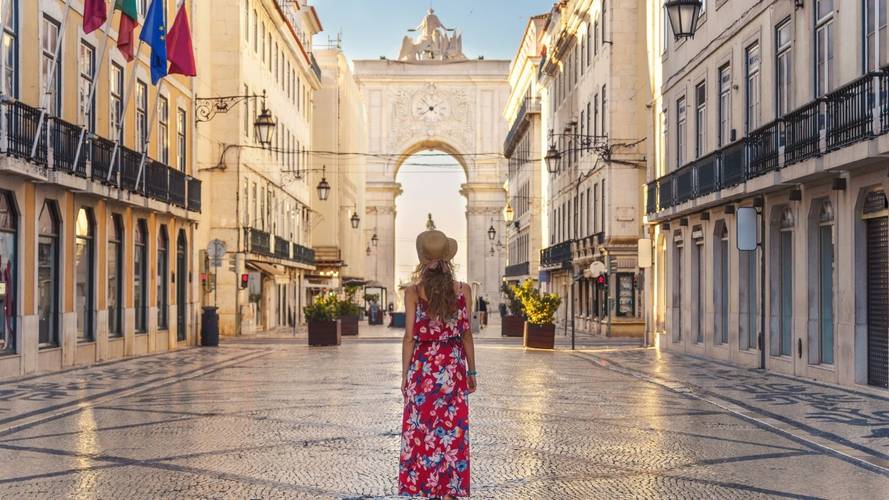
Travelling across multiple countries in Europe is so much easier without having to do maths after crossing every border or trying to use up cash before leaving the country. The convenience of the euro means one currency across 21 different countries, from the Australian alps to the seaside in Spain.
But, just because they’re conveniently using the same currency, doesn’t mean things like food, drink, accommodation and activities will be the same price across all of them.
So, we’ve also ranked each as either budget-friendly, mid-budget or higher-priced to help you find the right destinations for your next European escape.
Here is the list of countries in Europe using the euro:
European Union (EU) countries using the euro
Austria
From skiing in the alps to dressing up for a night at the Opera, Austria isn’t exactly known as being a cheap destination. But, there are ways to keep costs down.
If you do want to ski, head to smaller or mid-sized resorts where day passes will be at least €10-€20 cheaper per day. Fancy the opera? Opt for standing tickets or obstructed view ticket that start at just €13.
Belgium
Belgium is known for its delicious beer (cheap!) and mouth-watering chocolate (expensive!), so it’s all about evening things out to get the best of what the country has to offer. Sipping local beers can cost as low as €2-€4 in a bar or restaurant, or you can join a brewery tour where you’ll likely get samples or a glass or two at the end.
Bulgaria
Underrated, but well worth a visit, Bulgaria is the newest country to start using the euro. The country offers stunning beaches, delicious cuisine and plenty of charming towns without the prices of the Mediterranean. Hop on local buses for less than €1, or dine out for half the price (or less) than you’d pay at your local pub.
Croatia
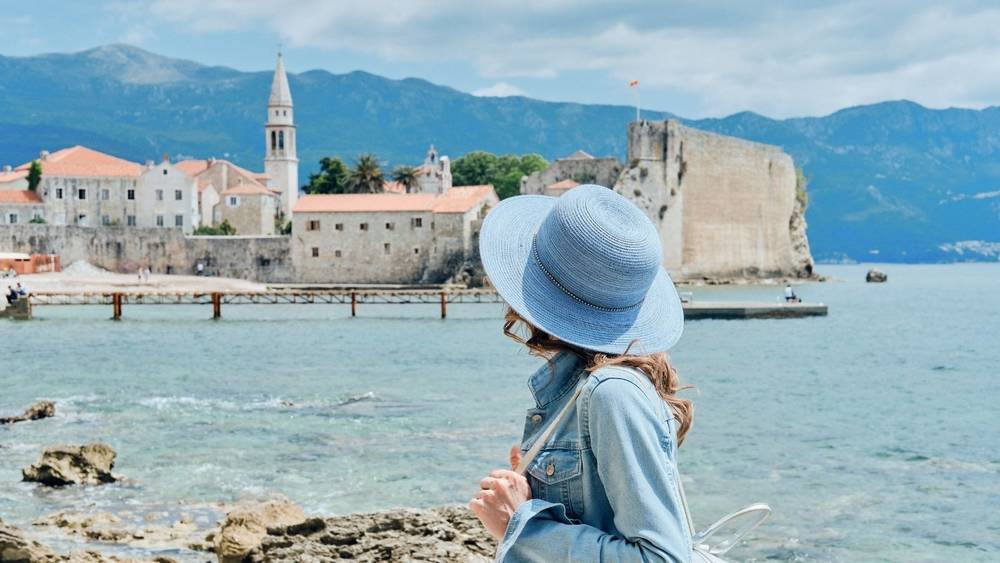
While it used to be the budget backpackers cheap costa paradise, prices have slowly climbed in this Adriatic country. It’s still cheaper than neighbouring Italy though, and offers a great value holiday, especially if you head slightly off the beaten path or travel in the shoulder seasons. Head to quieter islands, like Vis or Dugi Otok for a cheaper and less touristy experience.
Cyprus
A little bit Greek and a little bit Turkish, this eastern Mediterranean island can be perfect for budget to mid-range getaways. Being beach-centric, it’s easy to relax at your resort’s pool or beach and grab cheap eats (like a €5 gyro), or opt for a premium stay in the middle of peak season.
Estonia
The most expensive of the Baltic nations, but still mid-range, Estonia is also a bit of a hub for cruise and ferry travellers, which can increase prices for food, drinks and attractions. That said, if you’ve been to Western Europe or the Mediterranean during the summer months, Estonia will seem very affordable with meals around the €15 mark.

Finland
While nowhere near as pricey as nearby Norway and Denmark, Finland isn’t exactly cheap either. Higher wages mean higher prices, which is great for the Finnish people, but not always so for tourists. But, if you avoid drinking too much highly taxed alcohol and warm up in the cheap or free public saunas, you can have a great time in Finland without breaking the bank.
France
When you think of Paris, you think of haute couture and fine dining. And, of course, luxury hotels like the Ritz Paris. Step outside Paris and away from the Cote d’Azur, and you’ll find things get much cheaper. There’s no price for strolling the cobblestone streets of charming towns. Unlike Australia, wineries won’t charge you for tastings, and the bottles they sell tend to be around a very affordable €10-€15 mark.
Germany
Home to stunning Christmas markets and the biggest beer festival in the world, Germany is packed with sites to see, things to eat and endless beer to drink. Depending on where you go, and when you go, prices change drastically. The country does love a local lunch special or street kebab though, and beer can be cheaper than water in some places. Go during Oktoberfest though, and those deals will vanish faster than your euros at the beer tent.
Greece
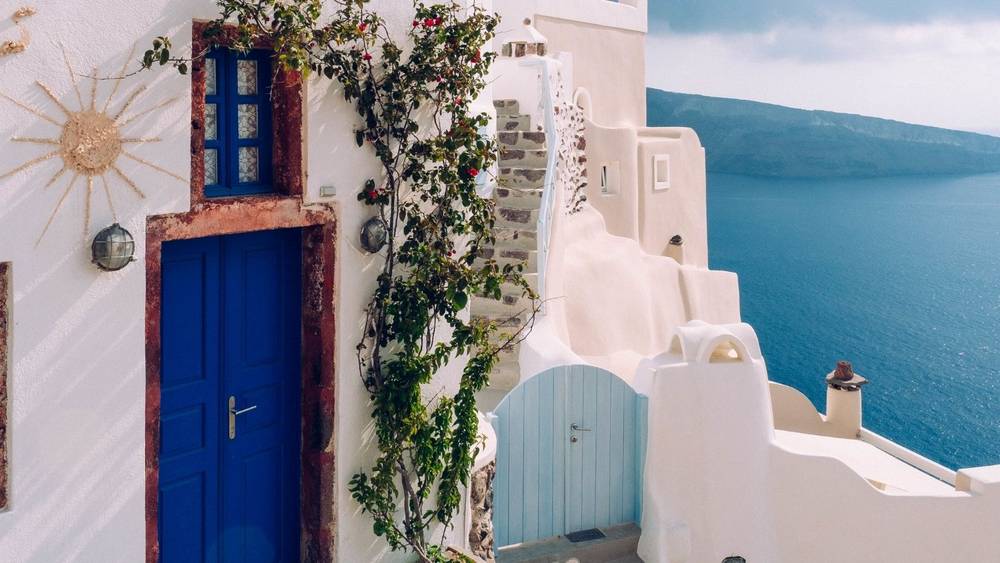
With sunny beaches, pumping beach clubs and good vibes all around, it’s no wonder the Greek Islands become a paradise in the summer months – and paradise often comes at a price. But if you steer clear of Santorini and Mykonos, and you can find some pretty affordable isles that are just as sunny and delightfully quiet. Dine on €5 gyros and wash it down with a local Mythos, and you’ve got yourself an affordable getaway.
Ireland
While not nearly as expensive as its neighbouring isle, Ireland isn’t as cheap as Western European countries in continental Europe. Dublin itself can get a bit pricey, especially when it comes to accommodation. But head out of the city and explore the green countryside and charming small towns, and you’ll find things get more affordable.
Italy
Flying all the way to Italy for cheap Aperol spritzes and €5 margherita pizzas totally makes sense in our book. Once you’ve got your accommodation covered, Italy can be an affordable place… as long as you stay away from the boutiques in Milan. Avoid “tourist menus” and head to local eateries and you’ll not only get cheaper food, but much tastier, too.
Latvia
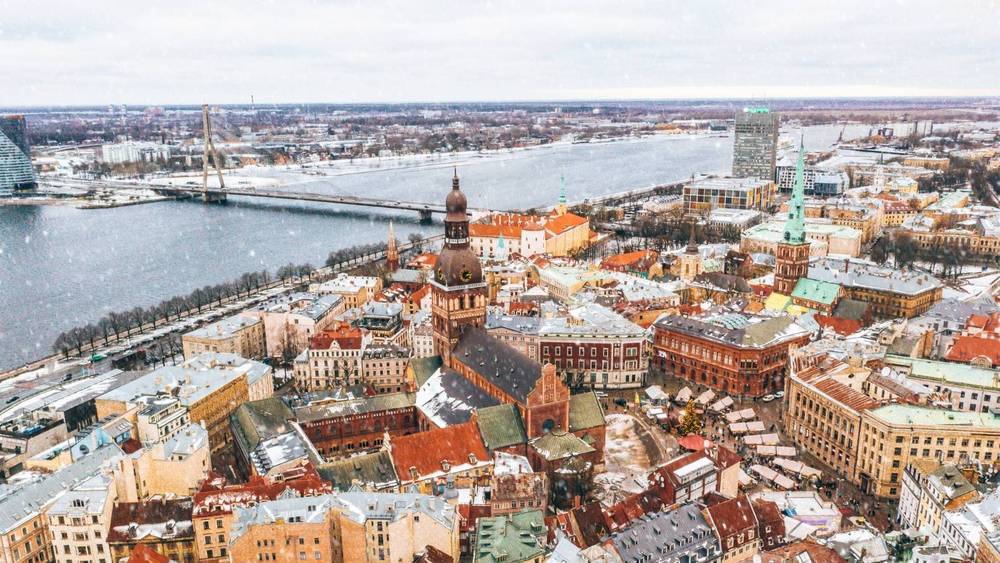
Compared to Western Europe and the nearby Scandinavian countries, Latvia is relatively affordable for Australian travellers. Grab a traditional meal at local chain LIDO for budget friendly eats, where you may even be served by a robot! Getting around Latvia is also very affordable – it’s just €10 for a five-day transport pass in the capital, Riga.
Lithuania
Very similarly prices to neighbouring Latvia, Lithuania is easy to budget for if you’re bouncing around the Baltics as you can expect accommodation, meals and attractions to be relatively close in cost. Why not get a Eurail pass to explore all three at once?
Luxembourg
If “lux” being in the name doesn’t give enough of a hint, Luxembourg is one of Europe’s pricier destinations. It’s often at the top end of most expensive countries on the continent, and unfortunately that’s both for locals and tourists. One huge bonus though, is that public transport in the country is totally free.
Malta
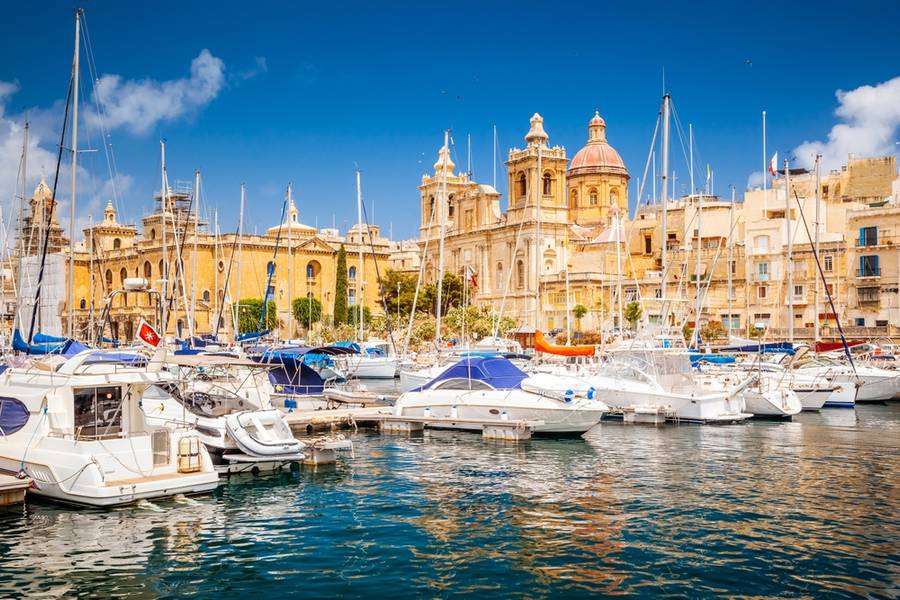
The little island in the Mediterranean packs a big punch, without needing a big budget. Made up of two main islands, and dotted with historic towns and beautiful coastlines, many of Malta’s attractions are free to see or very affordable, like the Blue Lagoon. The ferry between the islands? That’s just €7.50 per person.
Netherlands
Similarly priced to nearby Belgium and France, but not as expensive as Luxembourg or Switzerland, the Netherlands will be a bit pricier if you base yourself in Amsterdam (which most tourists do). Consider staying on the outskirts and going local by hopping on a bike to get around. Passes like the iAmsterdam Card can make things more affordable, but offer access to multiple attractions, museums and galleries for one set price.
Portugal
One of Western Europe’s more affordable destinations, and quite similarly priced to Spain, Portugal is significantly cheaper than other coastal countries that are popular for seaside holidays. Sip coffees here for a quarter of what you would at home, and opt for the Prato do Dia, for a special lunchtime menu that’s going to cost less than that fast-food lunch you typically grab on a work day.
Slovakia
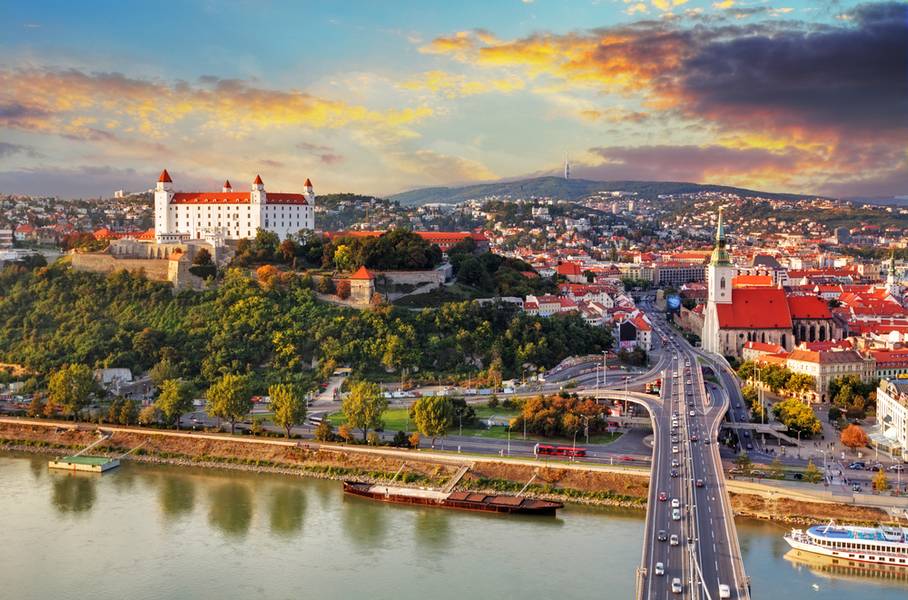
As you move further east in Europe, things get much cheaper, and you’ll see that in Slovakia. Grab a wine or beer for just a few euros, or a meal at a restaurant for about €10. Backpacking? Beds will be very cheap, while hotel rooms will cost about half of what you’d pay here in Australia.
Slovenia
Although visiting Lake Bled is quickly becoming a must-do in Europe, costs in Slovenia are still relatively affordable compared to elsewhere on the continent… Especially nearby Italy. Expect to pay a bit more near larger cities or attractions, with Lake Bled visits costing around €20–€30.
Spain
Get away from Madrid and Barcelona, and get a taste of true Spain while saving money. Smaller villages come with smaller costs. While the larger two cities will be a bit pricier, you can even out the overall price by combining stays there with visits to quaint towns or quieter seasides resorts.
Non-EU microstates using the euro
Andorra
A tax haven and cheaper than surrounding France and Spain, Andorra is a great destination for shopping and for skiing. Lift passes here will cost less than Switzerland (but hey, everywhere will!), with tickets costing as little as half what they would in the Swiss Alps.
Monaco
Known for its opulence, Monaco is not a cheap destination for tourists. But, there are ways to visit it for less. Take a tip from the backpackers… With open borders to France, you can easily stay on the French side of the border for much less than within Monaco and simply take the train across. From Nice, it’s just a 30-minute journey costing only €5.
San Marino
The first of two microstates tucked into Italy, San Marino is similarly priced to its surrounding nation, but can actually be a bit cheaper. Thanks to a lower tax rate, San Marino can be a great place to shop. If you’re hoping to shop for some of those luxury Italian goods, you may want to do it in San Marino.
Vatican City
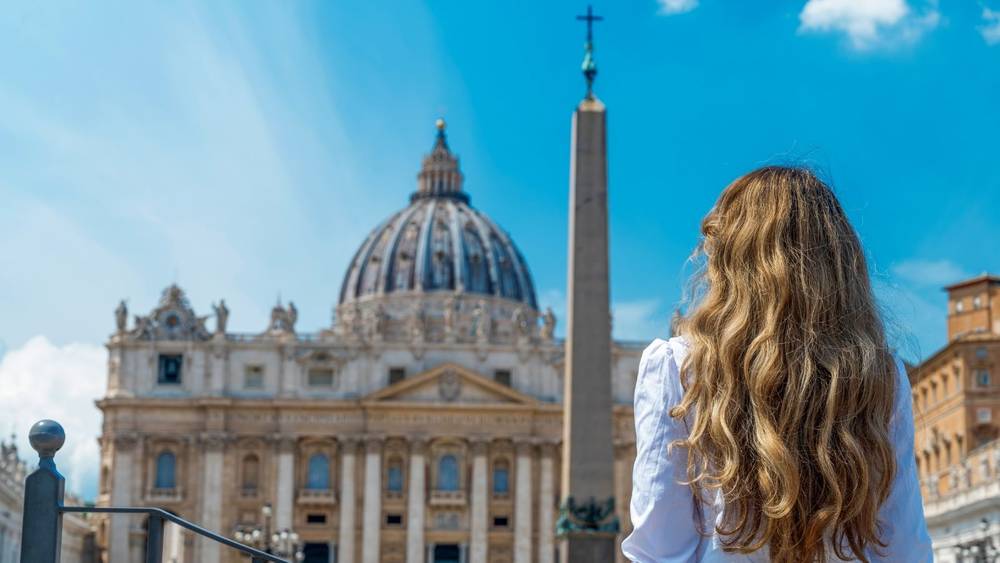
Given the nature of Vatican City, it’s not really somewhere you’d need to budget for as a traveller. There’s no accommodation here, and dining is only at museum cafes and restaurants. However, you will be subject to the usual travel costs for someone in Rome which tend to be on the higher end for Italy.
Most expensive destinations that use the euro
Expect trip to places like Luxembourg, France, Netherlands and Ireland to be amongst the more expensive locales using the euro. However, just because they’re pricier, that doesn’t mean there aren’t ways to save on stays there.
Staying outside of major city centres, considering hostels instead of hotels, or visit smaller towns to save money.
Cheapest destinations that use the euro
The further east in Europe you tend to go, the cheaper things will get. Places like Bulgaria, Slovakia and Cyprus will be some of the most wallet-friendly destinations.
Generally, places in Europe that don’t use the euro in Eastern Europe often offer better value.
European countries that do not use the euro
Written by: Alex Keshen
The content strategist and SEO lead for Traveloka Australia, Alex manages the blog and other pages across the site. An avid traveller, digital content creator and writer, she’s contributed to publications such as Australian Women's Weekly, Marie Claire, Elle, Gourmet Traveller, Finder and Explore Travel… and has found the time to visit 50+ countries while doing it. She loves good flight sale and will share some of the best ones she can find right here on our Explore blog. Follow her regular Deals of the Week column for the latest bargains on flights, hotels and more.

Table of Content

Recommended Articles

Best Time to Visit Norway: Month-by-Month & Season Guide

7 Romantic Dining Restaurants in Penang for Couples

10 Best Tourist Attractions Near the Great Wall of China

Hangzhou to Shanghai: A Complete Transport and Travel Guide
Best Luxury Resorts in Da Nang for an Unforgettable Stay
Lazarus Island: A Complete Hassle-Free Travel Guide


