8 best places for Aussies to ski in Japan


Renowned for its stunning landscapes and impeccable powder snow, Japan is a popular destination for skiers from around the world. From beginners eager to carve their first tracks to seasoned pros, Japan offers an array of ski resorts tailored to suit your skill level and preference.
From the renowned powdery slopes of Niseko to the scenic trails of Nozawa Onsen, these ski resorts in Japan offer perfect conditions for beginners and pros alike. Ready to hit the slopes? Below are our favourite places to ski in Japan.
Best places to go skiing in Japan in 2025

1. Niseko, Hokkaido
Best for: Those who want both groomed runs and freeride options.
Where is it? Hokkaido
Vertical drop: 900 metres
Number of trails: 57
Number of lifts: 29
Cost of a day pass in 2025: From AU$122
Niseko is one of Japan's most famous ski destinations, renowned for its consistent and deep powder snow — it’s one of the driest and lightest powder snow in the world. With a variety of slopes suitable for beginners, with wide, gentle runs, as well as some decent vertical and long runs for those more experienced. There are also English-speaking instructors to ensure you start on the right foot.
Where to stay at Niseko United
2. Furano Ski Resort
Best for: Families looking for a quieter resort that has both beginner slopes and advanced terrain.
Where is it? Central Hokkaido
Vertical drop: 964 metres
Number of trails: 25
Number of lifts: 11
Cost of a day pass in 2025: From AU$63
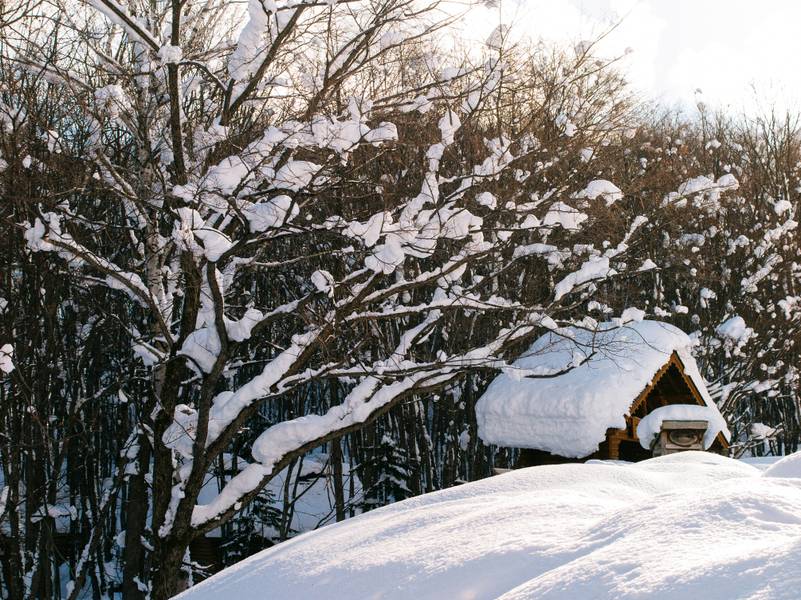
Furano offers a less crowded experience compared to Niseko, but it still boasts fantastic snow conditions for epic runs. The resort has dedicated beginner slopes, along with comprehensive ski school programs, equipment rental, and a variety of dining options. With *the* lightest and driest snow in all of Hokkaido, it’s easy to see why it’s a popular choice for beginners and skilled skiers alike.
Where to stay at Furano
3. Hakuba Valley
Best for: Après-ski lovers looking for a large and varied ski area with a lot of resorts in one place.
Where is it? Nagano
Vertical drop: The tallest drop (at Happo-One) is 1,071 metres
Number of trails: Over 200
Number of lifts: 90 collectively
Cost of a day pass in 2025: From AU$106
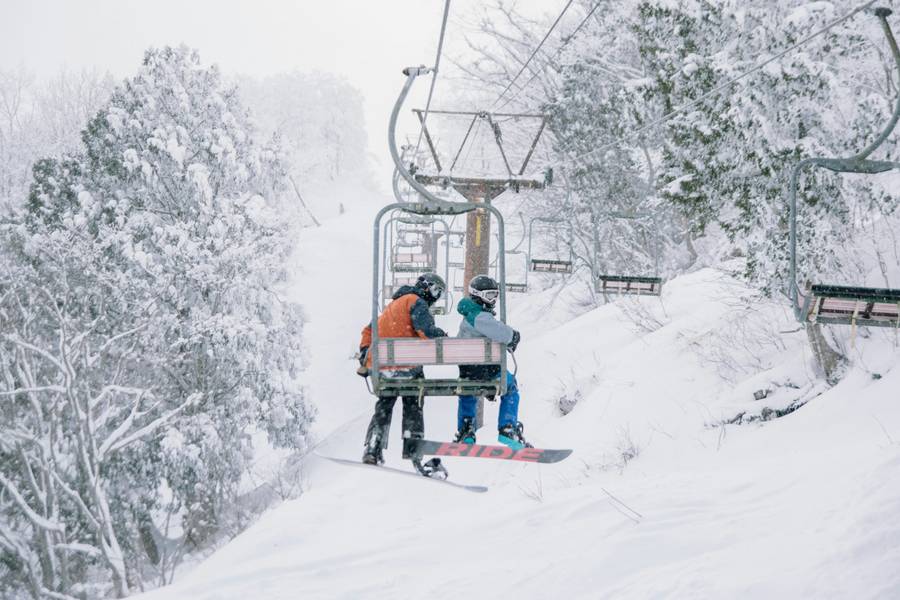
If you’re travelling with a large group with multiple skill levels, Hakuba Valley is an excellent option for your next ski holiday in Japan. With its large ski area with multiple resorts, there’ll be a slope for everyone — beginner or advanced.
Resorts such as Hakuba Goryu feature gentle slopes and beginner-friendly terrain, while Hakuba 47 has more challenging runs for the pros. There are also ski schools, rental services, and diverse accommodation options at Hakuba Valley. It’s a top choice for skiers and draws skiing enthusiasts from all across the globe.
Where to stay at Hakuba Valley
4. Nozawa Onsen
Best for: Those looking for a traditional Japanese ski town vibe.
Where is it? Nagano
Vertical drop: 1,085 metres
Number of trails: 43
Number of lifts: 15
Cost of a day pass in 2025: From AU$75
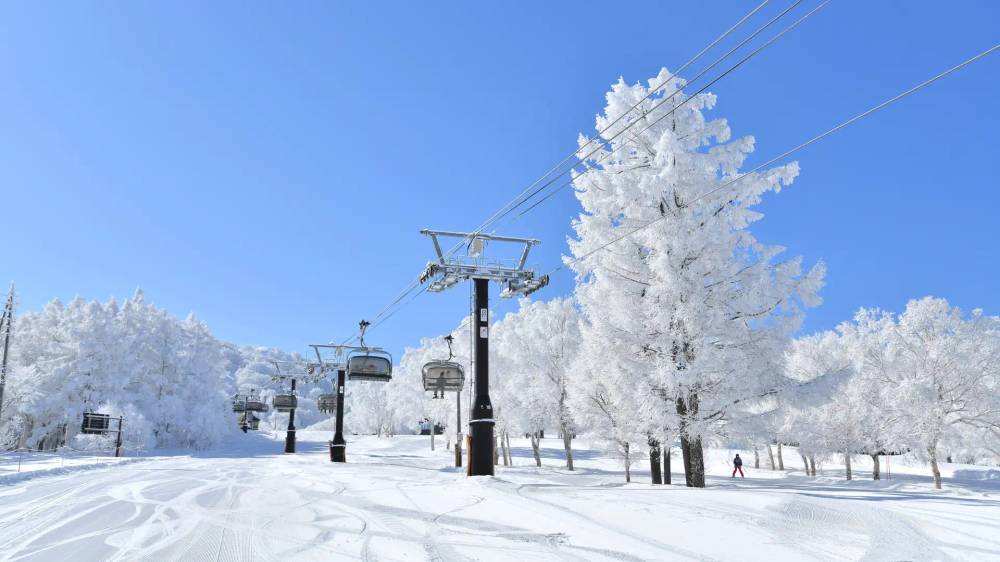
Nozawa Onsen is not only known for its excellent skiing but also for its charming traditional village and hot springs. With a mix of beginner slopes and more challenging runs, it’s a top choice for an authentic Japanese ski holiday.
Where to stay at Nozawa Onsen
5. Shiga Kogen
Best for: Intermediate and advanced skiers, a quieter, less commercialised resort
Where is it? Nagano
Vertical drop: 980 metres
Number of trails: 79
Number of lifts: 47
Cost of a day pass in 2025: From AU$93
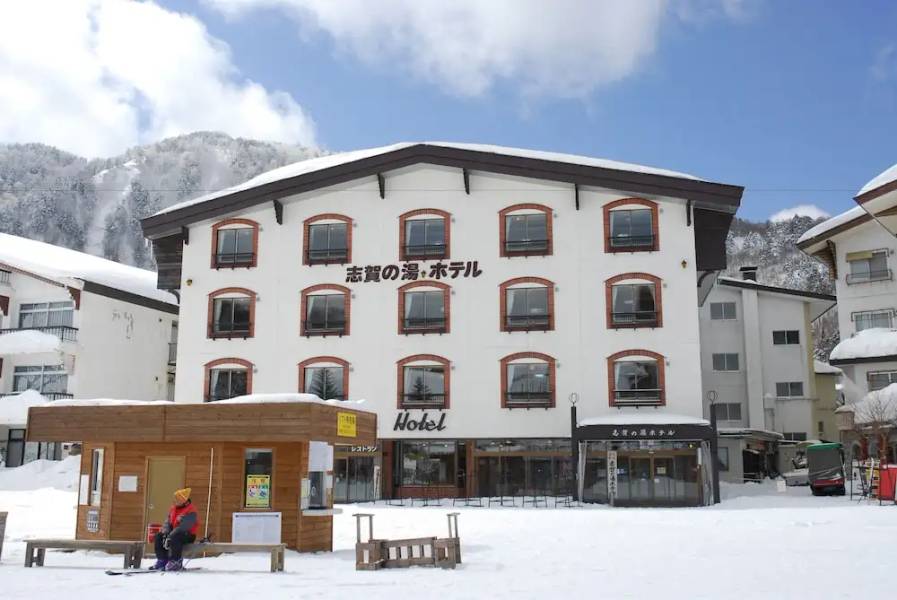
Shiga Kogen is one of Japan’s largest and highest-altitude ski areas, comprising 18 interconnected resorts that span a vast alpine region in Nagano. While there are resorts such as Ichinose and Okushiga Kogen that feature gentle slopes for beginners, it’s areas like Higashidate and Yakebitaiyama that draw in an intermediate to advanced ski crowd. With consistent snowfall, long seasons, and a quieter, less commercial vibe compared to more international resorts, Shiga Kogen is a great choice for those seeking a more authentic and varied Japanese ski adventure.
Where to stay at Shiga Kogen

6. Myoko Kogen
Best for: A traditional, local feel with a variety of slopes for all skill levels.
Where is it? Niigata
Vertical drop: 1,124 metres
Number of trails: 54
Number of lifts: 35
Cost of a day pass in 2025: From AU$60
Myoko Kogen offers a mix of resorts with a variety of slopes for beginners and advanced skiers and snowboarders. The gentle slopes at Akakura Onsen and Akakura Kanko are particularly great for beginners, while Suginohara has Japan’s longest continuous run (approximately 8.5 kms), which offers a great vertical drop for intermediate and advanced skiers. Myoko Kogen is perfect for those looking for a more traditional and low-key experience. The villages are small and local — think ryokans, mom-and-pop restaurants, quiet bars, and steaming onsens. You’re swapping out that fancy après-ski lounge with a cosy tatami room
Where to stay at Myoko Kogen
7. Hoshino Resorts Tomamu
Best for: Beginners, families, and those seeking a resort-style experience.
Where is it? Hokkaido
Vertical drop: 1,000 metres
Number of trails: 29
Number of lifts: 11
Cost of a day pass in 2025: From AU$78
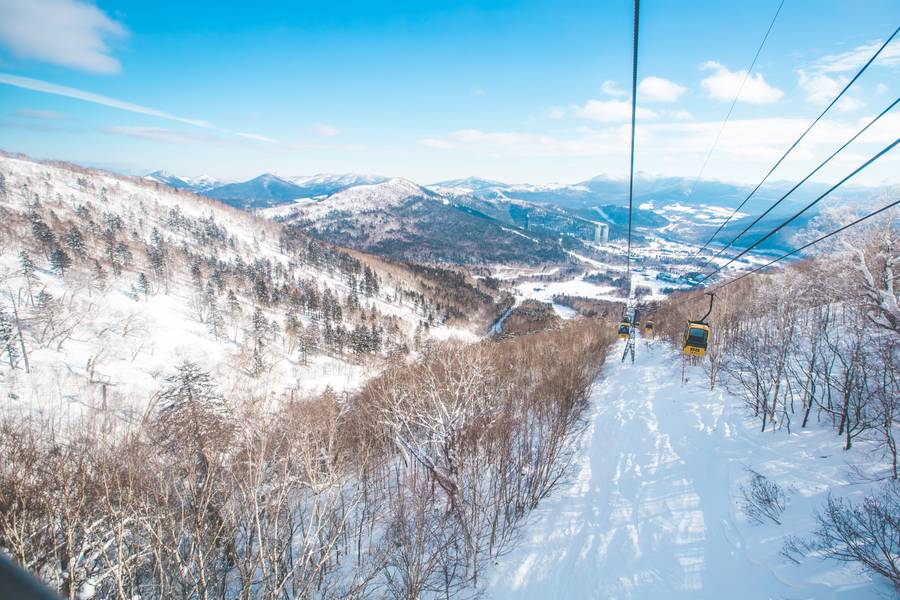
Tomamu is a family-friendly resort with plenty of gentle slopes and smooth terrain for beginners. It is known for its modern, resort-style facilities and its stunning Ice Village, a ‘town’ built entirely of ice and snow. Here, you can grab a drink at the Ice Bar, where drinks are served in ice glasses, and furniture is made entirely from ice. There’s also an Ice Hotel that houses one group per night, where the walls, ceilings, and furniture are made from ice, but you’ll be provided warm sleeping bags for this unique experience.
However, it’s important to note that the Ice Village is only open from December to March, so make sure you plan your visit accordingly.
Where to stay at Hoshino Resorts Tomamu
8. Karuizawa Ski Resort
Best for: Beginners looking for a small resort close to Tokyo.
Where is it? Nagano
Vertical drop: 215 metres
Number of trails: 14
Number of lifts: 9
Cost of a day pass in 2025: From AU$78
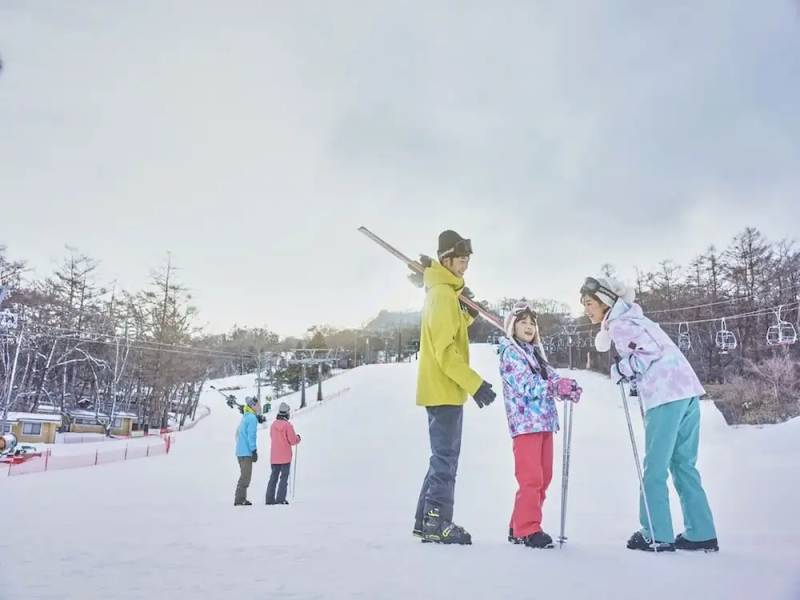
For those staying in Tokyo, you can get to Karuisawa Ski Resort in just over an hour on a bullet train. It features gentle slopes and shorter runs, making it ideal for beginners. Intermediate and advanced skiers may find the trails a bit too easy; however, it offers a smaller resort feel thanks to its compact ski area.
Where to stay at Karuizawa
Ski areas in Japan for beginners
Whether it’s your first time hitting the slopes or it’s been a while since your last ski trip, there are a few areas in Japan that are best suited for beginners. Resorts like Furano, Karuizawa, and Tomamu in Hokkaido are well-suited for first-timers and families, offering well-groomed runs, English-speaking instructors, and reliable snow conditions. That being said, most resorts have dedicated beginner zones, so learning to ski is never an issue.
Best Alpine villages in Japan
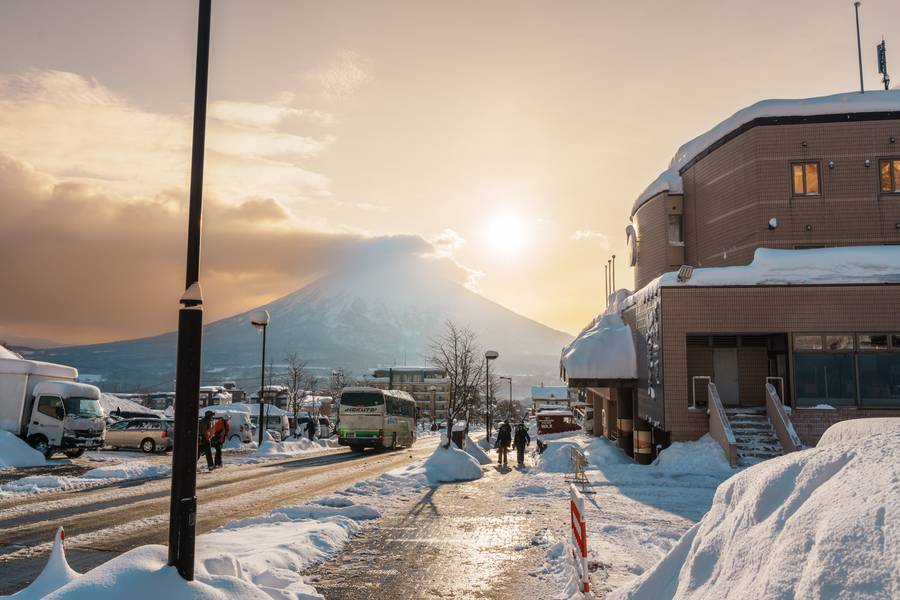
One of the most iconic ski resorts is Nozawa Onsen — known for its cobblestone streets, local eateries, and public onsen baths. Hakuba is a much larger ski resort that draws in an international crowd. At the same time, Niseko is also incredibly popular thanks to its luxurious and modern feel and stunning views of Mount Yotei.
Best time to ski in Japan
Snow conditions are at their peak in Japan from late December to mid-February. If you’re visiting at the start of the year, expect deep, dry, powder snow — especially in Hokkaido.
Cheapest time to go skiing in Japan
Beat the crowds and hit the slopes during the early season between late November and mid-December, or you can also try mid-March to early April to catch the tail end of the snow season in Japan for cheaper lift tickets and accommodation.
Is skiing in Japan any good?
Is this even a question? Skiing in Japan is one of the best in the world. Attracting skiers and snowboarders from all around the world yearly, Japan ski fields are renowned for their light, dry snow, consistent snowfall, and a variety of terrain to suit all levels — it’s easy to see why skiing in Japan is on the bucket list of many.
How does skiing in Japan compare to Australia?
Japan’s reliable and deeper snow, coupled with a longer snow season and cheaper lift tickets and accommodation, draws in crowds from all over the world, and especially Aussies. While snow resorts like Thredbo and Perisher have their own charm, Japan’s cooler climate and unique snowfall make for more consistent and varied skiing. If you’re planning on skiing for the better part of a week, skiing in Japan can end up costing less than going to the Snow Mountains - even once you’ve factored in the price of flights!

Tags:
ski resorts
Recommended Articles

What to wear in Japan

Tokyo Disneyland and DisneySea: Which magical theme park is best?

What to know before you go to Japan in October

What to know about SIM cards and eSIMs in Japan

What to know before you go to Japan in September

Pack your bags because Jetstar just dropped $130 flights to Japan and Korea