


Catholic Pilgrimage in the Philippines: The Complete Guide to Asia's Holy Land in 2026


With nearly 93 million Catholics and more than 500 years of unbroken Christian heritage, the Philippines stands as Asia's largest Catholic nation and one of the world's most profound pilgrimage destinations. Whether you are drawn by centuries-old baroque churches, the electric devotion that gathers millions on a single street, or the quiet grace of hilltop shrines overlooking the sea, a Catholic pilgrimage to the Philippines offers an experience found nowhere else in Asia.
Why the Philippines Is a Major Catholic Pilgrimage Destination
Approximately 79% of Filipinos identify as Roman Catholic, placing the Philippines alongside Brazil and Mexico as one of only three countries in the world with a Catholic population exceeding 80 million. Catholic faith arrived with Spanish explorers in 1521 and took deep root over three centuries of colonial presence, leaving a landscape of baroque stone churches, minor basilicas, and Marian shrines that continue to draw pilgrims from every continent.
The country's pilgrimage culture is living and dynamic. Religious festivals here are not historical relics: they are active expressions of faith that fill streets with tens of millions of barefoot devotees, set rivers alight with candlelit processions, and turn entire cities into open-air prayer gatherings. For international pilgrims seeking authentic Catholic heritage paired with warm Filipino hospitality, the Philippines delivers at every level.
Booking your flights to the Philippines is the natural first step. Traveloka lets you compare hundreds of options into Manila and Cebu from across Asia and beyond, making it easy to find the right connection for your pilgrimage schedule.
Discover Flights With Traveloka
Sat, 10 Oct 2026

Cebu Pacific
Cebu (CEB) to Manila (MNL)
Start from USD 32.83
Fri, 23 Oct 2026

AirAsia Berhad (Malaysia)
Bali / Denpasar (DPS) to Manila (MNL)
Start from USD 120.36
Mon, 5 Oct 2026

Scoot
Jakarta (CGK) to Manila (MNL)
Start from USD 101.76
Top Catholic Pilgrimage Sites in the Philippines
Basilica del Santo Niño, Cebu City
Built in 1565 on the very spot where Spanish explorer Miguel López de Legazpi discovered the image of the Child Jesus, the Basilica del Santo Niño is the oldest Roman Catholic church in the Philippines. Declared a National Historical Landmark, it houses the venerated Santo Niño de Cebu, a statue of the Infant Jesus believed to be among the oldest religious artefacts in the country. The basilica's facade blends Romanesque, neoclassical, and Moorish influences, and its attached museum traces more than four centuries of Philippine Catholic history. Pilgrims visit year-round, with the greatest gathering each January during the Sinulog Festival.
Minor Basilica of the Black Nazarene, Manila
At the heart of old Manila stands Quiapo Church, home to the Black Nazarene: a life-sized dark-wood statue of Jesus carrying the cross, brought to the Philippines from Mexico in 1607. The image is said to have survived a fire aboard the galleon that carried it, emerging with its distinctive dark colouring. Every year on January 9, the Feast of the Black Nazarene draws an estimated 10 million devotees to Manila's streets, making it one of the largest Catholic gatherings anywhere in Asia. Pilgrims walk the 7-kilometre Traslacion procession barefoot, touching or attempting to touch the image as an act of devotion.
Simala Shrine, Sibonga, Cebu
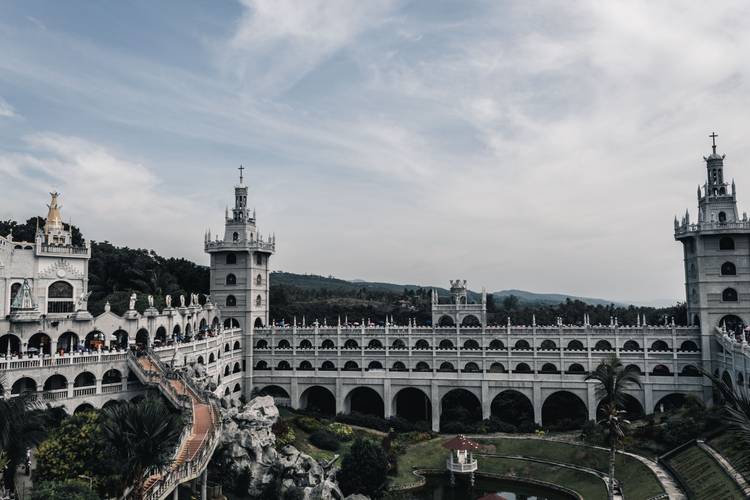
Perched dramatically atop a hill in the municipality of Sibonga, south of Cebu City, the Simala Shrine is one of the Philippines' most striking places of worship. Formally known as the Monastery of the Holy Eucharist, its castle-like towers and ornate facades make it unlike any other church in the archipelago. Pilgrims climb to the shrine to pray before the image of Our Lady of Caysasay and to leave written petitions asking for intercession. The sweeping hilltop views over the surrounding countryside add a contemplative dimension to every visit.
Our Lady of Peñafrancia Shrine, Naga City
Naga City in Camarines Sur hosts one of Asia's largest Marian celebrations every September. The Peñafrancia Festival begins with a Traslacion on the first Friday of September, when the image of Our Lady of Peñafrancia is carried from the basilica to the Naga Metropolitan Cathedral. The festival reaches its peak on the third Saturday of September with a fluvial procession along the Naga River, drawing millions of devotees who line the riverbanks and follow by boat. It is regarded as one of the most moving religious events in Southeast Asia.
Miagao Church, Iloilo
Standing in the municipality of Miagao in Iloilo province, the Church of Santo Tomás de Villanueva is a UNESCO World Heritage Site, inscribed as one of the Baroque Churches of the Philippines. Built in 1797, its extraordinary sandstone facade depicts tropical plants, coconut trees, and local saints alongside traditional religious imagery in a style found nowhere else in the Catholic world. Miagao forms the centrepiece of the Iloilo pilgrimage circuit, which also takes in the Gothic-Renaissance Molo Church and Jaro Cathedral, home to the venerated image of Nuestra Señora de la Candelaria de Jaro.
Major Catholic Festivals and Pilgrimage Events
The Philippines observes Catholic festivals with an intensity that draws pilgrims and visitors from every continent. Planning your visit around one of these events transforms a pilgrimage into a once-in-a-lifetime encounter with living faith. Book guided activities through Traveloka to join pilgrimage tours covering the baroque churches of Iloilo, the heritage sites of Cebu, and the sacred shrines of Bicol, with itineraries tailored for international visitors.
Feast of the Black Nazarene, January 9, Manila
The single largest annual Catholic gathering in the Philippines, the Black Nazarene feast on January 9 brings an estimated 10 million people into the streets of Manila. The Traslacion procession begins at Quirino Grandstand and ends at Quiapo Church, a 7-kilometre barefoot journey that takes many hours to complete as the vast crowd moves forward in devotion. The event has earned international recognition as one of the largest public Catholic worship gatherings anywhere in the world.
Sinulog Festival, Third Sunday of January, Cebu City
Cebu City's Sinulog Festival honours Señor Santo Niño and is one of the oldest and most celebrated religious festivals in the Philippines. Street dancing and parade spectacles draw visitors from across the country and from abroad, but at its spiritual core the Sinulog is a pilgrimage: devotees undertake a 9-kilometre barefoot walk from Fuente Osmeña to the Basilica del Santo Niño, praying the rosary along the way in a procession known as the Walk with Jesus.
Peñafrancia Festival, September, Naga City
Each September, Naga City becomes the spiritual centre of the Bicol region as the Peñafrancia Festival unfolds over two weeks. The fluvial procession on the third Saturday of September is the emotional apex: the image of Our Lady of Peñafrancia is carried by boat along the Naga River while hundreds of thousands line the banks holding candles. It is one of the most visually spectacular religious events in Asia and draws pilgrims from every island in the Philippines as well as from overseas.
Holy Week (Semana Santa)
The Philippines observes Holy Week with some of the most elaborate and deeply felt rituals in the Catholic world. Cities and towns across the archipelago hold Visita Iglesia, a nighttime pilgrimage visiting seven churches to pray the Stations of the Cross. Processions of life-sized religious floats fill streets from Luzon to Mindanao, and the period from Palm Sunday to Easter Sunday marks the highest pilgrimage season of the year nationwide.
How to Plan Your Catholic Pilgrimage to the Philippines
The Philippines is accessible by direct international flights into Manila (Ninoy Aquino International Airport) and Cebu (Mactan-Cebu International Airport), with domestic connections serving Iloilo, Naga, and other pilgrimage cities. The best time to visit for major festivals is January (Black Nazarene and Sinulog) or September (Peñafrancia), while Holy Week in March or April marks the highest nationwide observance season.
A car rental gives pilgrims the flexibility to visit rural shrines and UNESCO churches at their own pace, including the Simala Shrine and Miagao Church which are most conveniently reached by private vehicle. Arrange an airport transfer in advance to move smoothly from the airport to your hotel on arrival without sourcing transport on the spot.
For accommodation, hotels in Manila, Cebu City, and Naga City span all price points, from budget guesthouses within walking distance of major shrines to full-service properties for longer stays. Book well ahead if your trip falls during the Feast of the Black Nazarene or Sinulog, as properties in Manila and Cebu fill quickly during those weeks.
Browse Traveloka promotions before confirming your bookings to find exclusive deals on Philippines flights and hotels that bring your pilgrimage trip within easier reach.
Book Your Trip with Traveloka
Traveloka, Southeast Asia's leading travel platform, makes it straightforward to build a complete Philippines pilgrimage itinerary in one place. Trusted by over 100 million users and available across Asia and beyond, Traveloka brings flights, hotels, and activities together in a single app so you can compare options and confirm bookings without switching between multiple sites.
For your Philippines pilgrimage, use Traveloka to find the best-value flights into Manila or Cebu, compare hotels near the major basilicas and shrines, and book guided pilgrimage tours directly through the app's activities section. The Traveloka app is top-rated on the Google Play Store and Apple App Store in Southeast Asia and is the most efficient way to manage every part of your journey from one place. Download the app today and start planning your Catholic pilgrimage to the Philippines.
In This Article
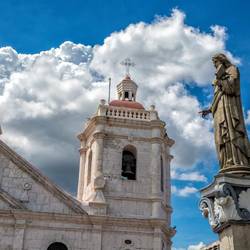
Recommended Articles
7 Romantic Dining Restaurants in Penang for Couples
10 Best Tourist Attractions Near the Great Wall of China
Japan 7-Day Itinerary: Tokyo and Kyoto
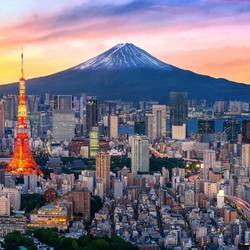
Japan 14-Day Itinerary: Tokyo to Hiroshima in Two Weeks
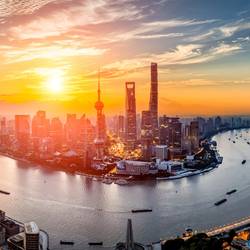
Hangzhou to Shanghai: A Complete Transport and Travel Guide
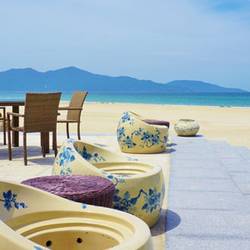
Best Luxury Resorts in Da Nang for an Unforgettable Stay


