


Book Cheap Flights from Clark - Pampanga (CRK) to Tokyo (NRT) - Ticket Prices & Deals from USD 151.55
Find Cheap Flight Deals from Clark - Pampanga (CRK) to Tokyo (NRT)


Cheap Flights Insights: Ticket Prices, Best Months & Duration Clark - Pampanga (CRK) to Tokyo (NRT)
Shortest flight duration
4 hr(s), 30 mins
When is the cheapest flight time from Clark - Pampanga (CRK) to Tokyo (NRT)?
Frequently Ask Question
Yes. Cebu Pacific operates a nonstop Clark to Narita service, typically close to daily. It is currently the only airline flying this specific city pair nonstop, so most alternative options involve a connection through another regional hub such as Hong Kong or Seoul.
The nonstop flight from Clark to Narita takes approximately 4 hours 30 minutes, covering a distance of roughly 2,900 kilometers. That is faster than any connecting itinerary through Hong Kong, Taipei, or Seoul currently available on this route.
Cebu Pacific is the sole operator of the Clark-Narita nonstop. It is a Philippine low-cost carrier flying the route as part of its wider Northeast Asia network out of Clark, which also includes nonstop service to Hong Kong and Seoul-Incheon.
Cebu Pacific has operated Clark-Narita at up to seven flights a week, though the exact count shifts by season, with temporary reductions during quieter international-capacity periods such as parts of mid-2026. Check current schedules on Traveloka before finalizing dates.
As a low-cost-carrier route, base fares on Traveloka typically start from USD 151.55 for the lightest bundle with no checked baggage. Cebu Pacific runs frequent promotional sales on this network, so prices can move more sharply here than on full-service routes.
Not by default. Cebu Pacific's base fare on this route excludes checked baggage, which is sold as an add-on. Pre-booking baggage online before departure is consistently cheaper than adding it at the airport counter, so it is worth including at checkout rather than later.
Fares tend to rise around Golden Week in early May, Japan's autumn foliage season in November, and Philippine Holy Week. Booking outside those windows, and watching for Cebu Pacific's periodic promotional sales, generally gets a better price on this specific route.
Yes. Philippine passport holders generally still need a visa for short-term visits to Japan, arranged through an accredited travel agency or Japan's e-visa system rather than obtained on arrival. Build that processing time into your planning before booking this route.
Travelers who can't get a seat on the single daily Clark-Narita departure can connect through Cathay Pacific via Hong Kong, or use the higher-frequency Manila-Narita route instead, which is served by full-service carriers including Philippine Airlines and Japan Airlines.
The distance between Clark and Narita is approximately 2,900 kilometers. It is a shorter sector than most of the Philippines' other international nonstops to Northeast Asia, which is part of why the flight time stays under five hours.
Get to Know Before Flying from Clark - Pampanga to Tokyo
Flying from Clark to Tokyo Narita
Clark International Airport, around 80 kilometers north of Manila in Pampanga, is the Philippines' second international gateway to Tokyo Narita, running alongside the more heavily used Manila-Narita corridor. Cebu Pacific operates the nonstop service, making Clark a genuinely useful alternative for travelers based in Central and Northern Luzon who would otherwise face a multi-hour drive into Manila before even reaching the airport. Traveloka lists this route separately from its Manila equivalent because the two airports serve different catchment areas and, at times, different flight frequencies.
Clark's growth as an international gateway has been deliberate rather than incidental. The airport sits inside the Clark Freeport and Special Economic Zone, a hub for manufacturing, logistics, and business process outsourcing that has pulled in a steady stream of business travelers alongside the leisure market, and successive terminal upgrades have been built around exactly that mixed demand. For anyone based north of Manila, that combination — a growing local economy plus one of the few Northeast Asia nonstops departing from Clark rather than the capital — is the practical reason this specific route exists and keeps expanding.
Clark to Narita Flight Prices and Fare Patterns
As a low-cost-carrier-operated route, Clark-Narita fares tend to sit below full-service pricing on the equivalent Manila-Narita sector, with the trade-off of fewer built-in extras like checked baggage or seat selection at the base fare. Return economy tickets on Traveloka typically start from USD 151.55 for the lightest fare bundle. Because Cebu Pacific runs frequent promotional sales on its international network, fares on this specific route can move more sharply than on airline-neutral corridors, so it is worth checking Traveloka regularly rather than assuming today's price will hold.
Yearly Price Patterns on This Route
Demand into Narita from Clark rises around Golden Week in early May and again around Japan's autumn foliage season in November, both periods when fares climb. Philippine holiday periods, particularly the Holy Week break in March or April, also push outbound demand up. Cebu Pacific has periodically trimmed frequency on this route during the Northern Hemisphere summer — a reduction to five weekly flights during parts of July 2026 was one recent example — which can tighten availability and firm up fares even when overall demand isn't at its seasonal peak.
Daily Flight Schedule and Frequency
Cebu Pacific typically operates Clark-Narita close to daily, though the exact weekly count shifts with the season — the airline has run it at up to seven flights a week, with occasional temporary reductions during quieter international-capacity periods. Unlike the high-frequency, multiple-daily-departure pattern seen on Manila-Narita, Clark's schedule usually offers only one departure window each operating day, so build your Tokyo itinerary around a single confirmed flight time rather than assuming a same-day alternative exists.
Airlines Flying Between Clark and Narita
Cebu Pacific is the nonstop operator on this specific city pair, flying it as part of its wider Northeast Asia network out of Clark, which also includes Hong Kong and Incheon. As a low-cost carrier, Cebu Pacific unbundles fares — checked baggage, seat selection, and meals are add-ons rather than inclusions — so factor that into any fare comparison against a full-service alternative routed through Manila with a carrier like Japan Airlines or Philippine Airlines.
Nonstop Duration and Route Distance
Clark and Narita sit roughly 2,900 kilometers apart, and the nonstop flight covers that distance in approximately 4 hours 30 minutes. That is faster than any itinerary connecting through Hong Kong, Taipei, or Seoul, which typically adds three to six hours of total travel time once layover waiting is included — a meaningful consideration on a route already competing on price rather than schedule flexibility.
Clark Airport: Terminal and Getting There
Clark International Airport (CRK)
Clark International Airport sits inside the Clark Freeport Zone spanning Angeles City and Mabalacat, Pampanga, roughly 80 kilometers from central Manila. Point-to-point buses connect Clark to Manila hubs such as Cubao and Trinoma in around two to three hours depending on traffic on the North Luzon Expressway, while travelers coming from Pampanga, Tarlac, or Bulacan generally find Clark faster to reach than fighting Metro Manila traffic to NAIA. Clark's terminal has been expanded in recent years to handle rising international traffic, including this Narita service.
Narita Airport: Terminal and Getting Into Tokyo
Narita International Airport (NRT)
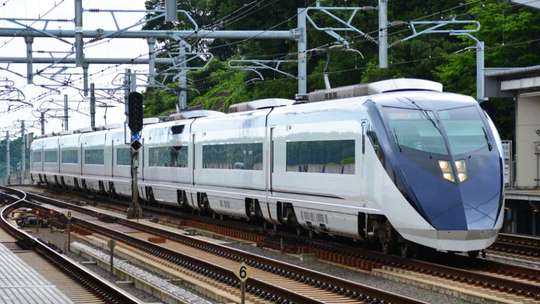
Cebu Pacific's Clark flights land at Narita, roughly 60 kilometers east of central Tokyo. The JR Narita Express is the fastest rail option into the city, reaching Tokyo Station in around 55 minutes with onward service to Shinjuku and Shibuya, while the Keisei Skyliner covers Ueno in about 41 minutes at a lower fare. Limousine buses run directly to major hotel areas for travelers with heavy luggage, generally taking 75 to 120 minutes depending on traffic, and are often the simplest option for a first-time visitor unfamiliar with Tokyo's rail network.
Cabin and Fare Options on This Route
Cebu Pacific flies this route with a single economy cabin split into fare bundles rather than separate classes — a base "Go" fare with no checked baggage, and higher tiers that add baggage allowance, seat selection, and flexibility to change dates. For a flight of this length, most travelers find it worth paying for at least the mid-tier bundle once checked baggage for a Japan trip is factored in, since add-on baggage purchased at the airport costs noticeably more than pre-booking it online.
There is no premium cabin on this specific route, which is consistent with Cebu Pacific's model across its Northeast Asia network — the airline competes on fare rather than onboard product. Travelers who specifically want a lie-flat business seat or premium economy for a roughly four-and-a-half-hour flight should compare the full-service alternative through Manila instead, where carriers running wide- or narrow-body aircraft on the equivalent Narita sector typically offer a business cabin.
Top Tokyo Attractions Within Reach of Narita
Senso-ji Temple in Asakusa is a natural first stop for travelers arriving via the Skyliner into Ueno, with its approach street of traditional shops leading to the temple gate. Shibuya Crossing and the Shibuya Sky observation deck represent the modern city center, while Meiji Jingu offers a forested, quieter counterpoint near Harajuku. Tokyo Skytree gives sweeping views across the Kanto Plain, and the Tsukiji Outer Market remains one of the best places for an early, food-focused introduction to the city.
Festivals and Seasonal Events in Tokyo
Cherry blossom season, usually late March into early April, draws the heaviest seasonal demand on this route, with parks like Ueno and Shinjuku Gyoen at their busiest. The Sanja Matsuri festival in Asakusa each May is one of Tokyo's largest traditional festivals, and the Sumidagawa fireworks in late July light up the river near the same neighborhood. Autumn foliage from mid-November through early December offers a quieter but equally scenic alternative for travelers wanting to avoid peak-season crowds and fares.
Where to Stay in Tokyo
Asakusa suits travelers arriving via the Keisei Skyliner and wanting a traditional, relatively affordable base close to the river and Senso-ji. Shinjuku offers the widest rail connectivity for onward day trips and a livelier nightlife scene. Shibuya is a good fit for younger travelers focused on shopping and street culture, while Ginza suits those prioritizing a central, upscale stay near the Imperial Palace grounds.
Given that Cebu Pacific's fare structure rewards travelers who pack light and plan ahead, choosing a neighborhood close to your arrival rail line can meaningfully cut the cost and hassle of the last leg of the journey — arriving into Ueno via the Skyliner and then dragging luggage across town to a hotel near Tokyo Station adds an unnecessary transfer that a same-side neighborhood choice avoids entirely.
Travel Tips for This Route
Entry requirements for Japan depend on your passport, not on departing from Clark specifically — Philippine passport holders generally still need a visa for short-term visits to Japan, arranged in advance through an accredited travel agency or Japan's e-visa system, so build that processing time into your planning if you're departing on a Philippine passport. Japan's currency is the yen, and while contactless card payment is increasingly common in Tokyo, smaller shops, temples, and rural transport outside the city center are still often cash-only.
Alternative Ways to Reach Tokyo from Clark
Travelers who can't find a seat on Cebu Pacific's single daily Clark-Narita departure can connect through Cathay Pacific via Hong Kong or fly the Manila-Narita route instead, which runs at higher frequency with carriers including Philippine Airlines and Japan Airlines. Those open to landing at Haneda rather than Narita for a more central Tokyo arrival should compare both airports side by side on Traveloka. For the full range of Philippines-to-Japan fares and schedules, see Traveloka's Japan flight page.
Why Book Clark to Narita Flights on Traveloka
Traveloka's Price Alert is particularly useful on a low-cost-carrier route like this one, where fares move frequently with promotional sales — set an alert for your travel dates and let it track the swings for you. Easy Reschedule adds flexibility if your Tokyo plans shift after booking, and local payment methods make checkout simple regardless of where you're booking from. With only one nonstop departure a day on this route, locking in a fare once it drops to a level you're happy with is generally a better strategy than waiting for a lower one.
Facts About the Trip from Clark - Pampanga to Tokyo
Flight Duration | 4 hr(s) 30 mins |
Airport in Clark - Pampanga | |
Airport in Tokyo |
For all your unique travel choices, we got you
Popular Routes from Diosdado Macapagal International Airport
Popular Routes to Tokyo
Popular Airlines
Popular Nearby Airports
Other Popular Destinations
Top International Destination
Top Flight Airport
Popular International Flight Routes
Popular Country

Popular Airline






Always in the know about travel tips, recommendations, and Traveloka’s latest promos.


