


Kuala Lumpur Weather Explained: Picking Your Ideal Travel Window


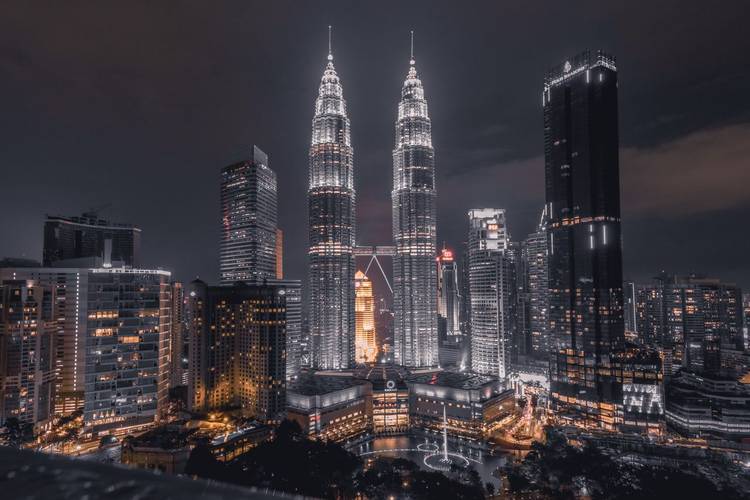
Kuala Lumpur never really gets a proper dry season, which throws off travellers expecting a clean-cut "go now, avoid then" answer. What the city does have is a rhythm of two monsoons and two shorter transition periods, each nudging the odds of rain up or down. Here's how that rhythm actually plays out, month by month.
KL's Weather Doesn't Follow One Simple Rule, So Here's the Short Version
June through August is generally the closest thing Kuala Lumpur has to a dry season, with July and August delivering the fewest heavy afternoon downpours of the year. December through February runs a close second, staying comparatively dry even though it sits within the tail end of the northeast monsoon.
Neither window is rain-free, since KL sees at least some rain almost every month. The difference is really about frequency and intensity rather than a hard switch between wet and dry.
The Two Monsoons Shaping Kuala Lumpur's Calendar
Peninsular Malaysia's weather runs on two monsoon systems, and KL, sitting on the west coast, catches a milder version of both compared to the east coast islands. The southwest monsoon runs roughly May through September and is actually the gentler of the two here, which is exactly why this stretch counts as the city's best weather window.
The northeast monsoon, running from around November through March, hits KL harder, since its tail spills over the Titiwangsa mountain range and dumps extra rain on the Klang Valley. November alone averages close to 373mm of rainfall, making it comfortably the city's wettest month.
Why April and October Catch a Lot of Visitors Off Guard
April and October sit between the two monsoons, and rather than being calm transition months, they're actually when Kuala Lumpur sees some of its heaviest thunderstorm activity. These inter-monsoon periods bring sudden, intense afternoon downpours rather than the steady, expected rain of the monsoon proper.
Travellers assuming these shoulder months are automatically milder often get caught out, so it's worth packing for rain regardless of how "in-between" the season looks on a calendar. Mornings tend to stay clear even during these months, which is a reasonable workaround if outdoor plans are non-negotiable.
Living Through the Northeast Monsoon Tail (November to March)
November through March is when Kuala Lumpur feels the northeast monsoon most, with November and December bringing the heaviest and most consistent rainfall of the year. Even so, the city doesn't grind to a halt, malls, museums, and covered walkways keep most itineraries workable regardless of what's happening outside.
December through February does bring a partial reprieve once the year turns over, with rainfall easing slightly even as some residual monsoon influence lingers. It's also peak festive season, so travellers get Christmas lights and New Year events on top of a somewhat calmer stretch of weather.
When Prices Drop and Crowds Thin Out
February and early March tend to offer the best combination of manageable weather and lower prices, sitting just after the northeast monsoon's worst stretch and before the shoulder season's unpredictable storms set in. Hotel rates and flight prices are generally more competitive during this window than at either of the two "peak" dry stretches.
Outside of weather, KL's biggest price and crowd spikes line up with Christmas, New Year, and Chinese New Year, both of which draw heavier demand for accommodation regardless of what the skies are doing. Booking around these dates works the same way it would for any other busy period, further out generally means better rates.
Is There Ever a Genuinely Bad Time to Visit KL?
November stands out as the closest thing to a month worth actively working around, given its combination of the year's heaviest rainfall and reduced hours of sunshine. Even then, KL's rain typically arrives as short, intense afternoon storms rather than an all-day washout, so it rarely derails a full day of plans.
Realistically, there's no month where the city becomes unworkable, since indoor attractions, covered walkways, and a well-drained urban centre keep things running regardless of season. The bigger factor for most trips ends up being holiday crowds and pricing rather than the rain itself.
Book Your Kuala Lumpur Trip Through Traveloka
Whatever window you end up picking, Traveloka, the #1 All-in-one Travel App in SEA*, makes it simple to sort out flights, hotels, and activities around Kuala Lumpur in one app. Everything from your journey in to your day-to-day plans can be booked without switching between platforms.
Flights and hotels on Traveloka come with Best Price Guarantee and 24/7 live agent support. There's also access to 2 million plus properties worldwide, flexible pay-later options, and free cancellation on eligible bookings.
You can book flights to Kuala Lumpur here, browse hotel options, and check current Traveloka promos before locking in your dates.
T&Cs apply. *#1 in cumulative downloads (2014 to 2025) among Travel Booking services apps. Source: SensorTower.

In This Article
Explore the Best of Kuala Lumpur
Kuala Lumpur

Bandar Sunway

Putrajaya

Bangi
Recommended Articles

7 Romantic Dining Restaurants in Penang for Couples

10 Best Tourist Attractions Near the Great Wall of China

Hangzhou to Shanghai: A Complete Transport and Travel Guide
Best Luxury Resorts in Da Nang for an Unforgettable Stay
Lazarus Island: A Complete Hassle-Free Travel Guide

Outdoor Activities in Da Nang: A Complete Guide


