


Kapas Biru Waterfall: A Hidden Gem for Nature Lovers in East Java


Tucked into the lush landscape of Pronojiwo in Lumajang, East Java, Kapas Biru Waterfall is the kind of destination that rewards travelers willing to venture beyond the usual tourist trail. Surrounded by towering cliffs, dense tropical vegetation, and the foothills of Mount Semeru, this dramatic waterfall combines scenery, adventure, and the peaceful atmosphere of rural East Java.
Unlike attractions that can be reached directly from a parking area, visiting Kapas Biru is part of the experience. The journey involves walking through a green landscape and descending a challenging trail before the waterfall suddenly appears between steep rock walls.
What Makes Kapas Biru Waterfall Worth Visiting?
Kapas Biru Waterfall stands out for its dramatic natural setting and relatively secluded atmosphere. Its location in Pronojiwo places it within one of East Java's most impressive waterfall landscapes.
The waterfall is located in Mulyoarjo, Pronojiwo District, Lumajang Regency, near several other renowned natural attractions. Indonesia's official tourism portal describes Kapas Biru as a roughly 100-meter waterfall surrounded by imposing rock cliffs and dense forest at the foot of Mount Semeru.
The waterfall itself has two levels, with the main drop forming the dominant feature of the landscape. The official Indonesia Travel portal places the total height at approximately 100 meters, with the water originating from a tributary of the Besukang River.

Indonesia
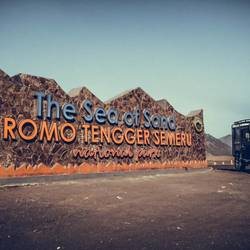
Bromo Exotic Sunrise

9.6/10
Senduro
RM 87
Interesting Attractions and Things to Do at Kapas Biru Waterfall
A visit to Kapas Biru is about more than standing at the viewpoint and taking a picture. At the same time, the destination offers plenty of opportunities to slow down and simply appreciate the sound of falling water and the surrounding forest.
1. Trek Through a Tropical Landscape
The trek is one of the defining parts of the Kapas Biru experience. From the parking area, visitors continue on foot along a descending trail that includes steep sections, stairs, and uneven terrain. Recent travel coverage estimates the walking distance at roughly 1.5 kilometers from the parking area, although the exact experience depends on the route and conditions.
The trail can become slippery after rain, so the journey should be treated as a genuine outdoor hike rather than a casual walk. Take your time, especially on steep sections, and avoid rushing simply to reach the waterfall.
2. Admire the Main Waterfall
Eventually, the vegetation opens to reveal the spectacular main cascade. Towering cliffs rise around the waterfall, while water pours down into the rocky area below. This is the moment when the effort of the trek starts to make sense. Instead of an attraction surrounded by shops and large crowds, Kapas Biru feels immersed in nature.
3. Explore Nearby Tumpak Sewu
One of the biggest advantages of visiting Kapas Biru is its proximity to Tumpak Sewu Waterfall, another spectacular waterfall in the Pronojiwo area. Rather than treating Kapas Biru as an isolated stop, travelers can build an itinerary around several natural attractions in southern Lumajang.
How to Get to Kapas Biru Waterfall
Reaching Kapas Biru is relatively straightforward by road, but the final section requires a proper trek. Pronojiwo can be approached from either the Malang side or Lumajang, making the waterfall accessible as part of a wider East Java road trip.
The waterfall is approximately 55 kilometers from Lumajang city according to East Java's regional travel information, while travel from Malang generally takes around two to three hours depending on traffic and road conditions.
1. From Malang
For travelers starting in Malang, the route generally heads through Kepanjen, Gondanglegi, Turen, Dampit, Tirtoyudo, Ampelgading, and eventually Pronojiwo. The journey takes you through rural East Java scenery before reaching the waterfall area. A private car is usually the most practical option for the final approach to the attraction.
2. From Lumajang
From Lumajang, travelers can follow the Lumajang–Malang road toward Pronojiwo and continue according to local signs for Kapas Biru. The attraction is located in the Mulyoarjo area of Pronojiwo.
For international travelers, the nearest major airports commonly used for an East Java itinerary are Abdul Rachman Saleh Airport in Malang and Juanda International Airport in Surabaya. Because the waterfall is a rural attraction, travelers should plan the final overland journey rather than expecting direct airport transportation to the site.
3. Entrance Fees and Opening Hours
Entrance information can change, so it is worth checking locally shortly before traveling. Visit Lumajang reported an entrance fee of Rp10,000 per person, with parking listed at Rp5,000 for motorcycles and Rp10,000 for cars in its published information.
Published opening hours vary between sources, with local tourism coverage listing periods such as 08:00–15:00 or 05:00–16:00. Because weather and local management can affect access, confirm the latest conditions before setting out and arrive early enough to complete the trek safely.
Indonesia

Aby Hotel Lumajang
8.4/10
•

Sukodono
RM 53
Essential Travel Tips for Visiting Kapas Biru Waterfall
Kapas Biru is beautiful precisely because it remains a nature-focused destination, but that also means visitors need to prepare for conditions that are less controlled than at an urban attraction. A little preparation can make the hike significantly more comfortable.
1. Wear Suitable Footwear
Choose shoes or outdoor sandals with reliable grip. Flip-flops are not ideal for steep, wet, or muddy sections. The local tourism authority recommends footwear that is not slippery and advises visitors to prepare physically for the up-and-down trek.
2. Bring Water and Food
Carry enough drinking water for the hike. There may not be convenient food facilities at the waterfall itself, and Visit Lumajang recommends bringing food and drinks because eating facilities are limited around the site. Pack snacks in reusable containers where possible, and take all rubbish back with you. Keeping the trail clean is especially important in a natural area like Pronojiwo.
3. Check the Weather Before Leaving
Rain can dramatically change waterfall conditions. Wet trails become more slippery, while increased water flow can make areas around the falls unsafe. If heavy rain is forecast, consider postponing the hike rather than taking unnecessary risks. Conditions on the day should take priority over a fixed itinerary.
4. Consider Staying in Pronojiwo or Nearby
For a more relaxed experience, consider staying in accommodation around Pronojiwo or combining Kapas Biru with a wider Lumajang or Malang itinerary. Local homestays can provide a convenient base for travelers who want to explore several waterfalls in the area. Staying nearby also makes an early morning visit easier.
5. Respect the Local Community and Environment
Pronojiwo is not simply a tourist backdrop; it is a living rural community. Dress appropriately when passing through villages, respect local customs, follow posted instructions, and be considerate toward residents and other visitors.
Avoid climbing unstable cliffs, leaving rubbish behind, or entering restricted areas simply to capture a photograph. The increasing international interest in Kapas Biru makes responsible tourism especially important for protecting the destination's character.
Discover Flights With Traveloka
Thu, 15 Oct 2026

AirAsia Indonesia
Kuala Lumpur (KUL) to Surabaya (SUB)
Start from RM 227.48
Fri, 23 Oct 2026
AirAsia Indonesia
Johor Bahru (JHB) to Surabaya (SUB)
Start from RM 356.08
Tue, 20 Oct 2026

Firefly
Penang (PEN) to Surabaya (SUB)
Start from RM 353.83
Best Time to Visit Kapas Biru Waterfall
The best time to visit Kapas Biru depends on what you value most: trail conditions, water flow, or atmosphere. For most travelers, a relatively dry period with good morning weather provides the most manageable combination of hiking and sightseeing.
The dry season is generally preferable for outdoor activities because the trail is less likely to be muddy and slippery. Even then, East Java's mountain and tropical weather can change quickly, so checking the forecast shortly before departure remains important.
1. Visit in the Morning
An early start is particularly useful at Kapas Biru. Morning temperatures are more comfortable for hiking, while the soft light can create beautiful conditions for photography. Visit Lumajang also recommends visiting in the morning for clearer weather and better views.
2. Consider the Drier Months
The drier months, broadly from April to October, can offer more favorable hiking conditions than the wetter part of the year. June through September is often particularly appealing for travelers planning several outdoor activities in East Java. Always check local conditions rather than relying solely on a seasonal calendar.
3. Avoid Hiking During Heavy Rain
The wet season can make the Kapas Biru trail considerably more challenging. Steep paths, ladders, rocks, and river crossings become more hazardous when wet, while heavy rainfall can increase the waterfall's flow. For this reason, travelers should be flexible with their plans.
Plan Your Kapas Biru Adventure with Traveloka
Once your East Java itinerary is taking shape, make the journey easier with Traveloka. Search for Flights to the region, reserve Hotels near your preferred base, and arrange Airport Transfers before beginning your overland adventure. Traveloka also makes it convenient to book Attraction Tickets and Car Rentals, helping you build a flexible itinerary around Kapas Biru.
With a Best Price Guarantee, exclusive deals, 24/7 support, and Loyalty Cashback, you can organize more of your trip in one place while taking advantage of Traveloka's extensive travel network. Start planning your East Java escape, and let Kapas Biru Waterfall be one of the unforgettable natural highlights along the way.

In This Article
Explore the Best of Lumajang

Lumajang

Lumajang City Center
Senduro
Padang
Recommended Articles

Best Food in Subang USJ: Where the Locals Actually Eat

7 Romantic Dining Restaurants in Penang for Couples

10 Best Tourist Attractions Near the Great Wall of China

Hangzhou to Shanghai: A Complete Transport and Travel Guide
Best Luxury Resorts in Da Nang for an Unforgettable Stay
Lazarus Island: A Complete Hassle-Free Travel Guide


