










More about Iceland
Embark on an unforgettable journey to Iceland, a land of dramatic landscapes, vibrant culture, and breathtaking natural wonders. This comprehensive Iceland travel guide for 2026 will help you navigate the diverse attractions, from its iconic glaciers and geysers to its charming towns and unique geological formations. Discover why Iceland is a dream destination for adventurers and nature lovers alike, and let Traveloka help you plan your perfect escape.
Discover Iceland: Overview
What Makes Iceland Special
Iceland, often called the "Land of Fire and Ice," is a country unlike any other. Its unique position on the Mid-Atlantic Ridge means it's a hotbed of geothermal activity, resulting in stunning geysers, hot springs, and volcanic landscapes. Simultaneously, massive glaciers carve through the land, creating dramatic ice caves and glacial lagoons. This constant geological dynamism shapes not only the scenery but also the culture and way of life for Icelanders. The country is also renowned for its ethereal Northern Lights, dramatic coastlines, and the resilient spirit of its people.
Top Regions & Cities to Visit
While the entire country offers incredible experiences, certain regions and cities stand out. The capital, Reykjavík, is a hub of culture, art, and culinary delights, serving as the perfect starting point for any Icelandic adventure. The South Coast is famous for its black sand beaches, powerful waterfalls like Skógafoss and Seljalandsfoss, and the stunning Jökulsárlón glacier lagoon. The Golden Circle, a popular tourist route, encompasses Þingvellir National Park, the Geysir geothermal area, and Gullfoss waterfall. For those seeking more remote beauty, the Snæfellsnes Peninsula offers a microcosm of Iceland's diverse landscapes, while the North is home to Lake Mývatn's geothermal wonders and the whale-watching capital of Húsavík.
Best Time to Visit Iceland in 2026
Season-by-Season Breakdown (September Overview)
Iceland experiences distinct seasons, each offering a unique travel experience. Summer (June to August) boasts long daylight hours, with the midnight sun allowing for extended exploration. This is the best time for hiking, road trips, and enjoying the lush green landscapes. Autumn (September to October) brings cooler temperatures, fewer crowds, and the first chances to witness the Northern Lights. Winter (November to March) is characterized by short daylight hours, snow-covered landscapes, and the prime season for aurora hunting. Spring (April to May) sees the snow melt, landscapes begin to green, and daylight hours increase, offering a good balance for those seeking fewer crowds and emerging natural beauty.
Peak Seasons & Festivals
The peak tourist season in Iceland is during the summer months (June-August), when the weather is mildest and daylight is abundant. This is also when many local festivals occur, such as the National Day on June 17th. Winter is the peak season for Northern Lights viewing, with many travelers visiting between October and March. Be aware that prices for accommodation and flights can be higher during these peak times. Major festivals include Þjóðhátíð (National Festival) in the Westman Islands in early August and various Christmas markets and New Year's celebrations in December and January.
Top Things to Do in Iceland
Must-Do Experiences
- Witness the Northern Lights (Aurora Borealis) during winter months.
- Bathe in the geothermal waters of the Blue Lagoon or other natural hot springs.
- Explore the Golden Circle: Þingvellir National Park, Geysir geothermal area, and Gullfoss waterfall.
- Walk behind the Seljalandsfoss waterfall and marvel at Skógafoss on the South Coast.
- Visit the Jökulsárlón glacier lagoon and Diamond Beach.
- Go whale watching in Húsavík or Reykjavík.
- Hike on a glacier or explore an ice cave (with a guide).
- Discover the unique landscapes of the Snæfellsnes Peninsula.
Hidden Gems & Off-the-Beaten-Path
- Explore the remote Westfjords for dramatic fjords and puffin colonies.
- Visit the Mývatn Nature Baths for a less crowded geothermal experience.
- Hike to the Stuðlagil Canyon with its impressive basalt columns.
- Discover the colorful rhyolite mountains of Landmannalaugar in the Highlands (summer only).
- Visit the charming fishing villages along the East Fjords.
Getting to Iceland
By Air
The main international gateway to Iceland is Keflavík International Airport (KEF), located about 50 kilometers southwest of Reykjavík. Numerous airlines offer direct flights from major cities in Europe, North America, and other parts of the world. For travelers from the Philippines, flights typically involve one or more layovers, often in major hubs like Europe or the Middle East. Booking in advance is recommended, especially for travel during peak seasons.
Visa & Entry Requirements
Iceland is part of the Schengen Area. Citizens of many countries, including the Philippines, require a Schengen visa to enter Iceland for short stays. It is crucial to check the latest visa requirements with the relevant Icelandic embassy or consulate well in advance of your travel dates. Ensure your passport is valid for at least three months beyond your intended stay and has at least two blank pages.
Getting Around Iceland
Domestic Transport Options
Renting a car is a popular and flexible way to explore Iceland, especially if you plan to venture beyond the main tourist routes. The Ring Road (Route 1) encircles the country and is mostly paved, making it accessible year-round. However, for accessing the interior Highlands or certain remote areas, a 4x4 vehicle is often necessary, and these roads are typically only open during the summer months. Public buses operate between major towns and cities, but schedules can be infrequent, especially outside the summer season. Guided tours are also a convenient option for specific attractions or regions.
Tips for Getting Between Cities
For efficient travel between cities like Reykjavík and Akureyri, consider domestic flights, which are relatively quick. If you opt for a road trip, factor in driving times, as distances can be deceivingly long due to road conditions and the desire to stop frequently for photos. Always check road conditions, especially during winter, on the official Icelandic Road and Coastal Administration website (road.is). Booking rental cars and accommodations in advance is highly recommended, particularly during peak season.
Travel Essentials for Iceland
Currency & Budget Planning
The currency in Iceland is the Icelandic Króna (ISK). Credit and debit cards are widely accepted throughout the country, even for small purchases. While Iceland can be an expensive destination, careful planning can help manage costs. Budget for key activities starts from $cheapestPrice. Consider purchasing groceries from supermarkets like Bónus or Krónan for meals to save money on dining out. Look for package deals or book flights and accommodation in advance to secure better prices.
Language, Safety & Practical Tips
The official language is Icelandic, but English is widely spoken and understood, especially in tourist areas. Iceland is considered one of the safest countries in the world, with very low crime rates. However, always exercise caution, especially when hiking or exploring natural sites. Dress in layers, as the weather can change rapidly. Waterproof and windproof outer layers are essential year-round. Pack sturdy hiking boots, a hat, gloves, and a scarf. Don't forget a swimsuit for the hot springs!
Sample Itinerary for Iceland
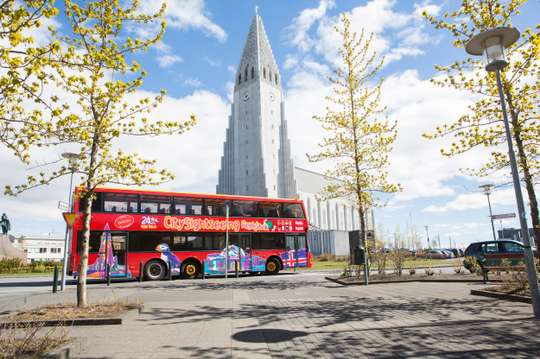
A popular 7-day itinerary could include: Days 1-2: Reykjavík exploration, including the city center, Hallgrímskirkja church, and perhaps a whale watching tour. Day 3: Golden Circle tour (Þingvellir, Geysir, Gullfoss). Days 4-5: South Coast adventure, visiting Seljalandsfoss, Skógafoss, Reynisfjara black sand beach, and Jökulsárlón glacier lagoon. Day 6: Return towards Reykjavík, perhaps with a stop at the Blue Lagoon. Day 7: Departure from Keflavík Airport. This itinerary can be customized based on your interests and the time of year.
Insider Tips for Iceland
- Book accommodations and rental cars well in advance, especially for summer travel.
- Download offline maps, as mobile service can be spotty in remote areas.
- Respect nature: stay on marked paths, do not disturb wildlife, and take all litter with you.
- Be prepared for all types of weather, even in summer.
- Consider purchasing an Iceland discount card if you plan to visit many paid attractions.
- Tap water in Iceland is pure and delicious – bring a reusable water bottle.
- Learn a few basic Icelandic phrases; locals appreciate the effort.
More Destinations Near Iceland
Explore nearby areas like Northeastern Region and Capital Region.
Iceland offers a truly unique and awe-inspiring travel experience, from its otherworldly landscapes to its rich cultural heritage. Whether you're chasing the Northern Lights in winter or exploring glaciers in summer, this Nordic island nation promises adventure at every turn. Start planning your dream Icelandic getaway today with Traveloka and discover the magic of the Land of Fire and Ice.


