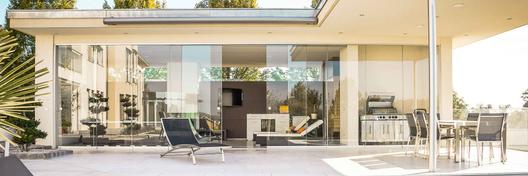
More about hotels in Kapeeka
Discovering Kapeeka: Uganda's Emerging Destination for the Discerning Traveller
Uganda, often lauded for its unparalleled wildlife and breathtaking landscapes, holds many destinations that offer unique experiences beyond the well-trodden safari paths. Among these is Kapeeka, a region that is steadily carving out its niche for international visitors seeking a more authentic and less commercialized encounter with East African charm. While the country boasts iconic national parks, Kapeeka presents a different facet of Uganda, one that emphasizes local culture, emerging community initiatives, and a tranquil pace of life that can be a welcome respite for travellers from bustling metropolises. It’s a place where the genuine warmth of the Ugandan people is palpable, and where visitors can engage with the local way of life in a meaningful manner.
Kapeeka itself is not a monolithic entity but rather a region encompassing diverse areas, each with its own character and appeal. From the administrative hub of Nakaseke to the more rural settings around Semuto, the experience of staying in Kapeeka can vary significantly. Nakaseke, for instance, might offer a glimpse into local governance and community projects, while Semuto could provide a more immersive rural experience, closer to agricultural life. Understanding these distinctions is key for any international visitor, as choosing a base in one area over another will directly influence the accessibility of certain attractions, the types of local interactions possible, and the overall rhythm of your stay.
For travellers accustomed to the pricing structures of Western Europe, North America, or even major hubs in India, Kapeeka presents a compelling value proposition. While specific average nightly rates for hotels in Kapeeka are not readily available, the general cost of living and tourism in Uganda tends to be significantly lower than in many developed nations. This means that even modest budgets can often stretch further, allowing for longer stays, more exploration, or the enjoyment of higher-quality accommodations than might be possible elsewhere. For instance, a comfortable mid-range hotel stay that might cost upwards of ₱5,000 per night in a major European city could potentially be found for a fraction of that in Kapeeka, perhaps around ₱1,500-₱2,500 per night, offering substantial savings for a multi-night trip.
The accommodation landscape in Kapeeka, while perhaps not as extensive as in major tourist cities, offers a range of options to suit different preferences. Properties like Kalagala and Naluvule, though not detailed here, represent the types of establishments that cater to visitors. These can range from simple lodges offering a local flavour to more established hotels providing essential amenities. For travellers planning their visit, exploring these options through platforms like Traveloka allows for easy comparison and booking, ensuring that you can secure a place that aligns with your comfort and budget needs before you even depart. It’s advisable to book hotel stays in advance, especially if travelling during peak seasons, to secure the best rates and availability.
Kapeeka is a destination that can resonate with a variety of international travellers. For those from the United States and Europe, it offers an opportunity to step off the beaten path and experience a less-touristed side of Africa, focusing on cultural immersion and community engagement. Indian travellers might find the relative affordability and the potential for familiar flavours in local cuisine appealing, alongside good connectivity options. For travellers from other African nations, Kapeeka can represent a chance to explore a different regional dynamic, perhaps with easier travel logistics and a shared understanding of cultural nuances, making it an accessible and intriguing destination within the continent.
Best Areas to Stay in Kapeeka
Kapeeka, while a specific region, offers a variety of settings for visitors, each with its own distinct atmosphere and advantages. Understanding these different neighbourhoods and districts is crucial for international travellers aiming to tailor their experience to their preferences. Whether you seek proximity to local life, a quieter retreat, or convenient access to amenities, choosing the right base within Kapeeka can significantly shape your journey, ensuring a more comfortable and enriching stay.
Nakaseke
Nakaseke, often serving as a central point within the Kapeeka region, presents a compelling blend of local administration and community life. For international visitors, this area offers a grounded introduction to Ugandan daily routines, with opportunities to observe local markets and engage with residents in a natural setting. It’s an area that appeals to travellers who appreciate authenticity and wish to understand the functional heart of a Ugandan town, rather than just its tourist attractions. The vibe here is one of everyday activity, providing a genuine glimpse into local commerce and social interactions.
From Nakaseke, travellers can access various local initiatives and community projects that are often a focus for visitors interested in development and social impact. The local markets are a hub for fresh produce and crafts, offering a sensory experience of Ugandan life. While specific major attractions might be a short drive away, Nakaseke serves as a practical base for exploring the wider Kapeeka region. Getting to Nakaseke typically involves arriving at the nearest major airport serving Uganda and then arranging onward transport, often a combination of a domestic flight or a longer road journey.
Semuto
Semuto offers a more rural and tranquil experience, appealing to travellers seeking a peaceful escape from urban environments. This area is characterized by its agricultural landscapes and a slower pace of life, providing a stark contrast to the bustling city centres many international visitors come from. For those who find solace in nature and wish to experience the quieter side of Uganda, Semuto is an ideal choice. It’s a place where the sounds of nature often dominate, and where interactions with the local community are likely to be more personal and less transactional.
The primary draw of Semuto lies in its natural surroundings and the opportunity for rural exploration. Visitors can enjoy scenic walks, observe farming practices, and experience the serenity of the Ugandan countryside. While Semuto itself may not have numerous formal attractions, it serves as an excellent starting point for day trips to nearby natural sites or cultural experiences that require a vehicle. To reach Semuto, travellers would typically arrange transport from a major Ugandan airport, often involving a scenic drive through the countryside, allowing for an early appreciation of the landscape.
Kapeeka Town Centre
The Kapeeka Town Centre itself is the administrative and commercial heart of the region, offering a more developed infrastructure compared to its surrounding rural areas. For international visitors, this area provides a convenient base with access to essential services, local eateries, and a general sense of the town's pulse. It’s a good option for those who want to be close to amenities while still experiencing Ugandan town life. The atmosphere is one of active commerce and local gathering, making it a dynamic place to stay for travellers who appreciate being in the midst of things.
Staying in the Kapeeka Town Centre allows for easy access to local government offices, banks, and a variety of shops. It’s also a good location for sampling local cuisine from various vendors and small restaurants. For travellers looking to explore the broader Kapeeka region, the town centre often serves as a transportation hub, making it easier to arrange onward journeys or book local tours. Visitors can also find opportunities to book attractions and activities directly from here, simplifying their itinerary planning.
Kapeeka Outskirts
The outskirts of Kapeeka offer a unique blend of accessibility and tranquility, appealing to travellers who desire a balance between being close to town amenities and enjoying a more secluded environment. This area is characterized by a more spread-out feel, with properties often set amidst natural landscapes or smaller communities. It’s a choice for those who appreciate a bit more space and privacy, perhaps with views of the surrounding countryside, while still being a short drive from the main town centre’s services and activities.
Choosing to stay on the Kapeeka outskirts can provide a more relaxed atmosphere, ideal for unwinding after a day of exploration. It’s a good area for experiencing local village life and enjoying the natural beauty of the region without being too far from essential services. While specific attractions might require travel, the outskirts offer a peaceful retreat. Access to this area is typically via road from the nearest major airport, and having private transport or arranging reliable taxi services is recommended for ease of movement and exploring the wider Kapeeka region.
Top Hotels in Kapeeka
Mid-Range Hotels in Kapeeka
Mid-range hotels in Kapeeka offer a reliable balance of comfort, service, and value, making them a popular choice for many international travellers. These establishments typically provide well-appointed rooms, essential amenities like Wi-Fi and en-suite bathrooms, and often on-site dining options. For visitors from the Philippines, Europe, or the US, these hotels represent a comfortable and predictable lodging experience without the premium price tag of luxury accommodations. They are ideal for those who prioritize a good night's sleep and convenient facilities after a day of exploring.
Ben And Lily Cottages
For travellers seeking a more intimate and locally-infused lodging experience, Ben And Lily Cottages in Nakaseke presents a compelling option. This 3-star lodge, situated in the Nakaseke district, offers a glimpse into Ugandan hospitality with a personal touch. Its rating suggests a solid level of guest satisfaction, indicating that visitors appreciate the service and atmosphere provided. The price point for such an establishment in Kapeeka is likely to be very accessible for international travellers, offering excellent value for money.
Hill Top Hotel Semuto
Hill Top Hotel Semuto, a 3-star hotel located in Semuto, provides a comfortable and accessible base for exploring the region. Its positioning in Semuto suggests it caters to travellers looking for a blend of local flavour and essential amenities. The hotel's rating indicates a good standard of service and facilities, making it a dependable choice for those who value consistency. For visitors from the Philippines or other parts of Africa, this hotel offers a familiar level of comfort at a price point that is likely to be very attractive.
Guest Houses and B&Bs in Kapeeka
Guest houses and B&Bs in Kapeeka are perfect for travellers who seek a more personal and characterful stay, often hosted by locals who can offer invaluable insights into the region. These types of accommodations typically provide a cozy atmosphere, home-cooked meals, and a chance to connect with the local culture on a deeper level. For visitors from India or Europe who appreciate authenticity, these smaller establishments can offer a more immersive experience than larger hotels, often at a more budget-friendly price point.
What to Eat and Where to Find It in Kapeeka
Kapeeka's culinary landscape is a reflection of Uganda's rich agricultural bounty and diverse cultural influences, offering a delightful array of flavours for international visitors. A staple you'll encounter is "matoke," steamed green bananas mashed into a soft, often slightly sweet dish, which serves as a carbohydrate base for many meals. Another must-try is "posho" (ugali), a stiff maize porridge that is a common accompaniment to stews and grilled meats. For those seeking protein, "tilapia" from local lakes is often prepared grilled or fried, offering a fresh taste of the region's aquatic resources.
When it comes to dining locations, the heart of Kapeeka's food scene lies in its local markets and small, family-run eateries. In areas like Nakaseke, the central market is a vibrant hub where you can sample street food and purchase fresh ingredients. For Muslim travellers, finding Halal-certified meat can be a consideration. While not always explicitly labelled, many local eateries prepare food in a way that aligns with Halal principles, especially when using chicken or fish. It's always advisable to politely inquire about preparation methods if you have specific dietary requirements, and many establishments are accommodating.
The cost of dining in Kapeeka is generally very affordable, especially when compared to Western or even many Asian destinations. Street food and meals from local "kiosks" or small restaurants can range from as little as ₱100 to ₱300 per person. A more substantial meal at a mid-range restaurant, perhaps featuring grilled fish or a hearty stew with posho, might cost between ₱500 and ₱1,000. This makes Kapeeka an excellent destination for budget-conscious travellers from the Philippines, India, and even Europe, allowing them to enjoy local delicacies without straining their finances.
Navigating dining etiquette in Kapeeka is straightforward and generally relaxed. Meal times are typically aligned with Western schedules, with lunch around 1 pm and dinner from 7 pm onwards. Tipping is not as formalised as in some Western countries; a small gratuity of around 5-10% for exceptional service at a restaurant is appreciated but not always expected. When ordering, it's polite to greet your server and be patient, as service can sometimes be slower than in more developed urban centres. Embracing the local pace and enjoying the experience is key to a pleasant dining adventure.
Cultural Norms and Staying Safe in Kapeeka
Understanding local customs is paramount for any international visitor to Kapeeka, ensuring respectful interactions and a smoother travel experience. Ugandans are generally known for their politeness and hospitality. A common greeting involves a handshake, and it's customary to inquire about someone's well-being before diving into business or personal matters. When visiting homes or more traditional settings, it's polite to accept offered refreshments, even if it's just a small sip or bite. Showing respect for elders and local leaders is also highly valued within the community.
When exploring Kapeeka, particularly in local markets or community centres, dressing modestly is advisable. While tourist areas might be more relaxed, opting for clothing that covers the shoulders and knees demonstrates respect for local sensibilities. Photography of people, especially children, should always be done with permission; a smile and a gesture asking for consent go a long way. When entering religious sites, ensure you are appropriately dressed and aware of any specific entry protocols. Queue culture is generally observed, and patience is appreciated in public spaces.
For practical safety in Kapeeka, it's wise to be aware of your surroundings, especially in busy market areas, to prevent petty theft. While Kapeeka is generally safe, exercising common sense with valuables is always recommended. For transportation, reliable options include local taxis and, where available, ride-hailing apps that operate in Uganda. It's best to agree on fares with taxi drivers before starting your journey if a meter is not used. For navigation, downloading offline maps of the Kapeeka region and having a local SIM card for communication can be very useful.
In case of emergencies, knowing the local emergency numbers is crucial. While specific tourist police might not be prevalent in Kapeeka, general police and ambulance services are available. For Filipino travellers, it's important to note the location of the nearest Philippine Embassy or Consulate in Uganda, which is typically located in the capital, Kampala. Keeping their contact details handy is advisable. For health, ensuring you have adequate travel insurance that covers medical emergencies and considering any necessary vaccinations or malaria precautions before your trip is a prudent step for a safe and healthy visit.
Getting to Kapeeka and Getting Around
Reaching Kapeeka from the Philippines involves a journey that typically requires at least one connecting flight, as there are no direct routes. Travellers departing from Manila (NAIA/MNL), Cebu (CEB), or other Philippine hubs will likely find flights with layovers in major international hubs such as Doha, Dubai, or Amsterdam before continuing to Entebbe International Airport (EBB), the primary gateway to Uganda. The total flight duration can range from 18 to 30 hours or more, depending on the layover times. Estimated costs for a round-trip book flight can vary significantly, but budget around ₱40,000 to ₱70,000 or more, depending on the airline and booking time. From Entebbe, Kapeeka is approximately a 2-3 hour drive, depending on traffic and road conditions.
Once you arrive in Uganda and make your way to Kapeeka, navigating the region is an experience in itself. Public transport within Kapeeka and its surrounding areas primarily consists of "matatus," which are minibuses that operate on fixed routes and are a very affordable way to travel between towns and villages. For more direct or comfortable journeys, local taxis are available, though it's essential to negotiate fares beforehand. Ride-hailing apps are becoming more prevalent in larger Ugandan towns, and while their availability in Kapeeka itself might be limited, they can be useful for transfers from Entebbe or within larger nearby centres.
The best time to visit Kapeeka generally aligns with Uganda's dry seasons, which typically run from June to August and December to February. During these months, the weather is more predictable, with less rainfall, making it ideal for outdoor activities and exploration. The shoulder seasons, however, can also be pleasant, with fewer crowds and potentially lower accommodation prices. For travellers from the Philippines, these dry periods might coincide with their own holiday breaks, making it a convenient time to plan a trip, though it's also when prices might be at their peak.
Before embarking on your journey to Kapeeka, a few pre-departure preparations are essential. The local currency is the Ugandan Shilling (UGX). While USD is accepted in some tourist establishments, it's advisable to have local currency for smaller purchases and in more rural areas. ATMs are available in larger towns, but it's wise to carry some cash. Obtaining a local SIM card upon arrival at Entebbe Airport is recommended for affordable data and calls. Essential apps to consider include offline map services, a translation app, and any ride-hailing apps that are confirmed to be operational in the region.
Visa Information for Uganda (Kapeeka Region)
For Philippine passport holders planning to visit Uganda, including the Kapeeka region, a visa is generally required. Uganda does not offer visa-free entry for Filipinos. The most common and convenient method for obtaining a visa is through an e-visa application prior to travel. This process involves submitting an online application through the official Directorate of Citizenship and Immigration Control website of Uganda. It is crucial to start this process well in advance of your intended travel dates, as processing times can vary.
The e-visa application for Uganda typically requires a completed application form, a passport valid for at least six months beyond your intended stay, a recent passport-sized photograph, and a copy of your flight itinerary. Proof of accommodation, such as hotel bookings in Kapeeka or other areas, may also be requested. The visa fee for a single-entry tourist visa is currently around USD 50, which can be paid online using a credit card. It is essential to ensure your passport has sufficient blank pages for entry and exit stamps.
While the e-visa system is designed for efficiency, policies and requirements can change. Therefore, it is strongly recommended that all travellers, especially Filipino citizens, verify the latest visa regulations directly with the Embassy of Uganda in the Philippines or the Ugandan Directorate of Citizenship and Immigration Control before booking flights or making any non-refundable arrangements. Confirming your visa status and understanding all entry requirements will ensure a smooth arrival into Uganda and a pleasant journey to Kapeeka.
Your Kapeeka Adventure Starts Here
Kapeeka offers a unique window into the heart of Uganda, presenting a destination that rewards travellers with genuine cultural encounters and a tranquil pace of life, far from the usual tourist crowds. It’s a place where the warmth of the people is as memorable as the landscapes, and where the opportunity to connect with local communities provides a depth of experience that is increasingly sought after by discerning international visitors. For those looking to explore a less-travelled path in East Africa, Kapeeka presents a compelling and authentic choice.
Traveloka is your trusted partner in planning your Kapeeka journey, offering a wide spectrum of accommodation options to suit every preference and budget. Whether you're seeking the affordability of budget-friendly lodges starting from around ₱1,000 per night, or the comfort of mid-range hotels, our platform provides extensive choices across the diverse neighbourhoods of Kapeeka. We are committed to helping you find the best cheap hotels and accommodations, ensuring your stay is both comfortable and economical.
Don't miss the chance to discover the authentic charm of Kapeeka. With Traveloka, you can book your hotel with confidence, benefiting from our Best Price Guarantee, 24/7 Live Agent Support, and a vast network of over 2 million hotels worldwide. We offer flexible payment options, including credit card, debit card, GCash, Maya, and Traveloka PayLater, making your booking process seamless. Plus, you can earn up to 1.5x Loyalty Cashback on eligible bookings. T&Cs apply. Start planning your Kapeeka adventure today and experience the best of Uganda.
All information in this article is accurate as of the date of publication. Prices are subject to change depending on season, availability, and hotel policy.