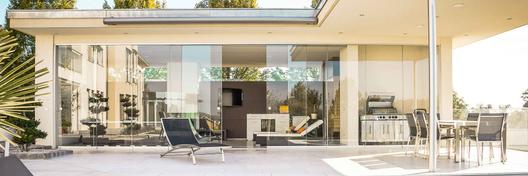
More about hotels in Phuong Tu
Phuong Tu: A Vietnamese Escape Beyond the Usual Tourist Trail
For the discerning Filipino traveller seeking an authentic slice of Vietnam away from the well-trodden paths, Phuong Tu emerges as a compelling destination. While many flock to the bustling streets of Hanoi or the ancient charm of Hoi An, Phuong Tu offers a more intimate encounter with Vietnamese culture and landscapes. This region presents a unique opportunity to experience the country's rural beauty, traditional way of life, and burgeoning local tourism scene, providing a refreshing contrast to more commercialized destinations. It’s a place where genuine interactions and serene moments are the true currency of travel.
Phuong Tu itself is not a monolithic entity; rather, it’s a region that unfolds with distinct character across its various locales. The difference between staying in a more developed area like Van Dinh and exploring the heart of Phuong Tu can dramatically alter your perception of the region. Van Dinh might offer a glimpse into local commerce and community life, while Phuong Tu itself could be the gateway to natural landscapes or historical sites. Understanding these nuances is key to crafting a personalised itinerary that truly resonates with your travel aspirations.
From a value perspective, Phuong Tu presents an attractive proposition for international travellers, particularly those from markets like the US, Europe, and India. With an average nightly rate that can be as low as ₱1,734.96, Phuong Tu offers significant purchasing power. This means that accommodation, dining, and local experiences can be enjoyed with greater freedom, allowing for longer stays or the exploration of more activities without straining the budget. It’s a destination where your Philippine Peso can stretch further, offering a rich travel experience at a more accessible price point.
The accommodation landscape in Phuong Tu, while perhaps not as vast as in major metropolises, offers a range of options to suit different preferences. From humble guesthouses to more established hotels, there are choices that cater to various comfort levels and budgets. For instance, properties like Hòa Nam Hotel provide a glimpse into the mid-range offerings available, hinting at the quality and service that can be expected. Exploring these options is the first step to securing your ideal base for discovering Phuong Tu, and you can easily book hotel stays that fit your needs.
Phuong Tu is a destination that can appeal to a diverse range of international travellers. For American and European visitors, it offers a chance to delve into a less-explored facet of Southeast Asian culture, with opportunities for historical discovery and authentic local immersion. Indian travellers will find a familiar warmth in Vietnamese hospitality, coupled with culinary adventures and excellent value for money. While direct travel links might be less common for African travellers, Phuong Tu represents an accessible and enriching extension to a broader Southeast Asian journey, offering a unique cultural exchange.
Best Areas to Stay in Phuong Tu
Phuong Tu, while a region rather than a single city, boasts distinct neighbourhoods, each offering a unique flavour and set of experiences for international visitors. Choosing where to base yourself within Phuong Tu is crucial, as it will shape your daily adventures, from the local sights you encounter to the ease of accessing transportation and dining. Understanding these areas will help you tailor your Phuong Tu journey to your specific interests, whether you seek cultural immersion, natural beauty, or convenient access to amenities.
Van Dinh
Van Dinh presents itself as a vibrant hub within the Phuong Tu region, offering a dynamic blend of local life and developing tourist infrastructure. For international travellers, it provides an authentic glimpse into Vietnamese daily routines, with bustling markets and local eateries that are a far cry from the polished tourist traps. This area would particularly appeal to travellers from India and other parts of Asia who appreciate a lively atmosphere and readily available local cuisine. Its accessibility and developing amenities make it a practical choice for those wanting to experience genuine Vietnamese community life.
From Van Dinh, exploring the wider Phuong Tu region is relatively straightforward. The area is well-connected by local transport, making it easy to reach other points of interest. Visitors can find numerous street food stalls offering delicious and affordable Vietnamese specialties, and local markets are perfect for experiencing the region's produce and crafts. For those looking to book attractions or tours that showcase the natural beauty or cultural heritage of Phuong Tu, Van Dinh serves as a convenient starting point for arranging such excursions.
Phuong Tu Central
The heart of Phuong Tu, often referred to as Phuong Tu Central, is where you'll find a concentration of key landmarks and a more organised tourist experience. This area is ideal for first-time visitors to Phuong Tu who prefer a balance between accessibility and local flavour. European travellers, in particular, might appreciate the blend of traditional architecture and modern conveniences, offering a comfortable introduction to the region. It’s a place where you can easily navigate between historical sites, cafes, and accommodation options, making it a solid base for exploration.
Staying in Phuong Tu Central means you are often within walking distance of significant cultural sites and administrative centres. The area boasts a good selection of restaurants catering to both local tastes and international palates, ensuring diverse dining options. Public transportation links are generally robust here, facilitating easy travel to other parts of the Phuong Tu region and beyond. It’s a practical choice for those who want to maximise their sightseeing time and enjoy a convenient urban experience within the broader Phuong Tu landscape.
Ung Hoa District
Ung Hoa District offers a more tranquil and perhaps more rural perspective on the Phuong Tu region, appealing to travellers seeking a peaceful retreat. This area is perfect for those looking to escape the hustle and bustle, providing a chance to connect with nature and experience a slower pace of life. Travellers from the US and Europe who are interested in ecotourism or simply a quiet getaway would find Ung Hoa particularly appealing. It’s a region where the natural beauty of Phuong Tu can be fully appreciated.
The charm of Ung Hoa lies in its scenic landscapes and opportunities for outdoor activities. Visitors can explore local villages, enjoy fresh air, and perhaps discover lesser-known natural attractions within the Phuong Tu region. Dining options here tend to be more focused on local, home-style cooking, offering a truly authentic culinary experience. While transport might be less frequent than in more central areas, the peace and quiet, combined with the authentic local culture, make it a worthwhile consideration for a restorative stay.
Coastal Villages of Phuong Tu
For travellers drawn to the sea and a more laid-back, picturesque setting, the coastal villages dotted along Phuong Tu's shoreline present an attractive option. These areas offer a different rhythm of life, dictated by the tides and the local fishing communities. They are ideal for travellers from all backgrounds, including those from the Philippines, who appreciate coastal beauty and fresh seafood. The relaxed atmosphere and scenic views make these villages a perfect spot to unwind and soak in the regional charm of Phuong Tu.
These coastal enclaves provide a unique opportunity to experience Phuong Tu's connection to the sea. Visitors can enjoy fresh seafood directly from the source, explore local beaches, and witness traditional fishing practices. Accommodation here might range from simple guesthouses to small, charming resorts. While transport links to more central areas might require some planning, the serene environment and the direct access to coastal activities make these villages a delightful choice for a memorable Phuong Tu holiday.
Phuong Tu Riverside
The Phuong Tu Riverside area offers a unique blend of natural beauty and accessibility, making it a desirable location for many international visitors. This district is characterized by its proximity to the river, providing scenic views and a more relaxed ambiance compared to the bustling city center. It's an area that appeals to a broad range of travellers, including those from the US and Europe who appreciate picturesque settings and a slightly more serene environment while still being close to urban conveniences.
Staying along the Phuong Tu Riverside allows for easy access to boat tours and riverside activities, offering a different perspective on the region. The area typically features a good selection of restaurants and cafes, many with pleasant river views. It’s also well-connected by local transport, making it convenient to explore other parts of Phuong Tu. This makes it a practical choice for travellers who want to enjoy the tranquility of the riverside without sacrificing easy access to the wider region's attractions.
Mid-Range Hotels in Phuong Tu
Hòa Nam Hotel
For travellers seeking reliable comfort and good value, Hòa Nam Hotel in the Van Dinh, Ung Hoa area of Phuong Tu presents a solid option. This 3-star hotel offers a comfortable stay that balances essential amenities with a reasonable price point, making it an attractive choice for those who appreciate quality without the premium cost. It’s a place that understands the needs of international visitors looking for a dependable base in the region, providing a pleasant experience for its guests.
This hotel is a 3-star establishment located in Van Dinh, Ung Hoa, offering a rating of 6 based on one review. Priced at ₱1,734.96 per night, it falls into the mid-range category for Phuong Tu. Guests can expect a comfortable stay with access to amenities that enhance their visit, such as a picnic area and a spa, which are particularly appealing for travellers looking to relax and unwind after a day of exploring the Phuong Tu region.
Guest Houses and B&Bs in Phuong Tu
Hòa Nam Hotel
While classified as a hotel, Hòa Nam Hotel in Van Dinh, Ung Hoa, also offers the kind of personal touch and local flavour often associated with guest houses. Its rating of 6, based on a single review, suggests a property that is still building its reputation but provides a welcoming atmosphere. For travellers who appreciate a more intimate lodging experience and are looking for value, this 3-star accommodation at ₱1,734.96 per night offers a glimpse into the local hospitality of Phuong Tu.
This establishment in Van Dinh, Ung Hoa, provides a unique offering within Phuong Tu's accommodation scene. The presence of a picnic area and a spa hints at a desire to offer guests more than just a place to sleep, encouraging relaxation and enjoyment. For those who prefer a less formal setting than a large hotel but still desire certain amenities, Hòa Nam Hotel could be a fitting choice, providing a comfortable and accessible base for exploring the surrounding area.
Hotels with Spa in Phuong Tu
Hòa Nam Hotel
For travellers prioritizing relaxation and wellness during their Phuong Tu visit, Hòa Nam Hotel stands out with its spa facilities. Located in the Van Dinh, Ung Hoa area, this 3-star hotel offers a retreat where guests can rejuvenate. The inclusion of a spa, alongside a picnic area, suggests an establishment that aims to provide a holistic experience, catering to those who wish to de-stress and enjoy a tranquil environment amidst their travels in Vietnam.
Priced at ₱1,734.96 per night, Hòa Nam Hotel provides an accessible option for those seeking spa services without venturing into high-end luxury. This 3-star hotel, with a rating of 6 from one review, is situated in Van Dinh, Ung Hoa. Its spa offering makes it a noteworthy choice for travellers looking to enhance their stay in Phuong Tu with wellness treatments, providing a convenient way to experience local relaxation services.
What to Eat and Where to Find It in Phuong Tu
Phuong Tu, located within Vietnam's rich culinary landscape, offers a delightful array of dishes that reflect the country's diverse flavours and regional specialties. While Vietnam is renowned for its pho and banh mi, Phuong Tu presents its own unique gastronomic identity, often incorporating fresh, local ingredients and traditional cooking methods. Travellers can expect to savour dishes that are both familiar and distinct, providing a true taste of the region's heritage and agricultural bounty, making every meal an exploration.
When seeking out the best culinary experiences in Phuong Tu, exploring local markets and street food stalls is paramount. Areas like Van Dinh often host vibrant markets where vendors offer an array of authentic Vietnamese snacks and meals at incredibly affordable prices. For Muslim travellers, finding Halal-certified options might require a bit more research, but many Vietnamese dishes are naturally Halal-friendly, relying on chicken, beef, or seafood. It's advisable to inquire about ingredients and preparation methods, or seek out restaurants that specifically cater to Halal dietary needs within Phuong Tu.
The cost of dining in Phuong Tu is remarkably accessible for international visitors. Street food can range from as little as ₱50 to ₱150 per dish, offering incredible value. Mid-range restaurants typically charge between ₱200 to ₱500 for a full meal, while more upscale dining experiences might cost upwards of ₱700. Compared to what travellers from the US, Europe, or India are accustomed to, Phuong Tu offers a budget-friendly culinary adventure, allowing for generous sampling of local delicacies without significant financial strain.
Dining in Phuong Tu comes with its own set of practical tips and etiquette. Meal times generally follow a pattern similar to the rest of Vietnam, with breakfast, lunch, and dinner. Tipping is not as customary as in Western countries, but rounding up the bill or leaving a small amount for exceptional service is appreciated. When ordering, pointing at dishes or using simple Vietnamese phrases can be helpful. Observing local customs, such as using your right hand for eating and avoiding leaving excessive food on your plate, will enhance your dining experience.
Cultural Norms and Staying Safe in Phuong Tu
Understanding local customs is key to a respectful and enjoyable visit to Phuong Tu. Vietnamese culture places a high value on politeness and respect for elders. When interacting with locals, a gentle demeanour and a smile go a long way. It’s common to remove shoes before entering someone's home or certain temples. While tourist areas are accustomed to international visitors, dressing modestly, especially when visiting religious sites, is always appreciated and shows respect for local traditions in Phuong Tu.
When visiting Phuong Tu's landmarks, adhering to specific behavioural guidelines is important. For religious sites, dressing conservatively is a must; this typically means covering your shoulders and knees. Photography is usually permitted, but it's always polite to ask permission before taking close-up photos of people. Queue culture is not as strictly observed as in some Western countries, so patience and awareness are useful. Being mindful of these nuances will ensure a smoother and more respectful engagement with the local culture.
Safety in Phuong Tu is generally good, but like any travel destination, it's wise to take precautions. Keep your valuables secure and be aware of your surroundings, especially in crowded markets or on public transport. For transportation, using reputable taxi services or ride-hailing apps like Grab (widely available in Vietnam) is recommended for safety and fair pricing. Having offline maps and translation apps on your smartphone can be invaluable for navigating the region and communicating with locals, ensuring a more secure and independent travel experience.
In case of emergencies, knowing key contact numbers is vital. For police, dial 113; for medical emergencies, dial 115. While Phuong Tu may not have a dedicated tourist police force, local authorities are generally helpful. The Philippine Embassy in Vietnam is located in Hanoi, and it's advisable for Filipino travellers to register their trip with the Department of Foreign Affairs (DFA) and know the contact details for the Philippine Embassy or Consulate in case of urgent assistance. Carrying travel insurance is also highly recommended for any unforeseen medical needs.
Getting to Phuong Tu and Getting Around
Reaching Phuong Tu from the Philippines is typically achieved through flights to major Vietnamese international airports, followed by onward travel. While direct flights to Phuong Tu itself might be limited, travellers can fly from Manila (NAIA/MNL), Cebu (CEB), or Clark (CRK) to Noi Bai International Airport (HAN) in Hanoi or Tan Son Nhat International Airport (SGN) in Ho Chi Minh City. From these hubs, you can then arrange domestic flights or ground transportation to reach Phuong Tu. Flight durations to Vietnam can range from 3 to 5 hours, with prices varying based on the season and booking time, often falling between ₱8,000 to ₱15,000 for round trips.
Once you arrive in Vietnam and make your way to Phuong Tu, navigating the region is relatively straightforward. Local buses and taxis are common modes of transport within Phuong Tu and its surrounding areas. For more convenience and predictable pricing, ride-hailing applications like Grab are widely used and highly recommended for getting around. These services offer a safe and efficient way to travel between different neighbourhoods and attractions, with fares typically being quite affordable, often ranging from ₱100 to ₱300 for most journeys within the region.
The best time to visit Phuong Tu generally aligns with Vietnam's dry season, which typically runs from November to April. During these months, the weather is pleasant, with lower humidity and less rainfall, making it ideal for outdoor exploration and sightseeing. This period also coincides with peak tourist seasons in many parts of Southeast Asia, so expect slightly higher prices for accommodation and flights, and potentially larger crowds at popular spots. For travellers from the US, Europe, and India, this window often aligns with their winter holidays or spring breaks.
Before embarking on your journey to Phuong Tu, a few pre-departure preparations are essential. The local currency is the Vietnamese Dong (VND), but US Dollars are widely accepted in tourist areas, though it's wise to have local currency for smaller purchases and markets. You can exchange currency at the airport or in major towns. Purchasing a local SIM card upon arrival at the airport is recommended for easy data access and communication. Essential apps to download include Google Maps, Google Translate, and the Grab ride-hailing app. Use Traveloka to find the best flights — book flight.
Visa Information for Vietnam (to visit Phuong Tu)
For Philippine passport holders planning to visit Vietnam to explore Phuong Tu, understanding the visa requirements is crucial. As of current regulations, Philippine citizens are granted visa-free entry into Vietnam for stays of up to 21 days. This makes travel relatively straightforward for short tourist trips. It is essential to ensure your passport has at least six months of validity remaining from your intended date of departure from Vietnam and that you have proof of onward travel, such as a return flight ticket.
The application process for a visa, should your stay exceed the visa-free period or if regulations change, typically involves applying through the Vietnamese Embassy or Consulate in the Philippines or via an e-visa system if available for your nationality and purpose of visit. Required documents usually include a completed application form, passport photos, a valid passport with sufficient remaining validity, and potentially proof of accommodation or an invitation letter. Fees can vary, so it's best to check the official Vietnamese immigration website or the embassy for the most current information.
While visa policies can change, it is always recommended for travellers to verify the latest entry requirements with the official immigration authorities of Vietnam or the Vietnamese Embassy in the Philippines well in advance of their travel dates. Confirming your visa status and any necessary documentation before booking flights is a prudent step to ensure a smooth and hassle-free journey to Phuong Tu and other parts of Vietnam.
Your Phuong Tu Adventure Starts Here
Phuong Tu offers a unique window into the soul of Vietnam, presenting an experience that is both deeply authentic and refreshingly serene. It’s a destination that rewards the curious traveller with genuine cultural encounters, beautiful landscapes, and a pace of life that allows for true relaxation and connection. For those seeking to move beyond the typical tourist circuit and discover a side of Vietnam that feels both timeless and welcoming, Phuong Tu is an excellent choice.
At Traveloka, we understand that every traveller has different needs and budgets. Whether you're looking for budget-friendly accommodation starting from around ₱1,734.96 per night in areas like Van Dinh, or seeking more comfortable mid-range options, our platform offers a wide selection. We cater to all travellers, from backpackers to families, ensuring you can find the perfect place to stay that fits your preferences and budget for your Phuong Tu adventure.
Don't miss the chance to explore the charm of Phuong Tu. Book your trip with Traveloka and take advantage of our Best Price Guarantee, 24/7 Live Agent Support, and a vast network of over 2 million hotels worldwide. Enjoy flexible payment options including credit card, debit card, GCash, Maya, and Traveloka PayLater. Discover amazing deals and earn up to 1.5x Loyalty Cashback on your bookings. Find cheap hotels and plan your perfect Vietnamese escape today!
All information in this article is accurate as of the date of publication. Prices are subject to change depending on season, availability, and hotel policy.