


Brisbane Metro: Everything You Need to Know Before You Ride


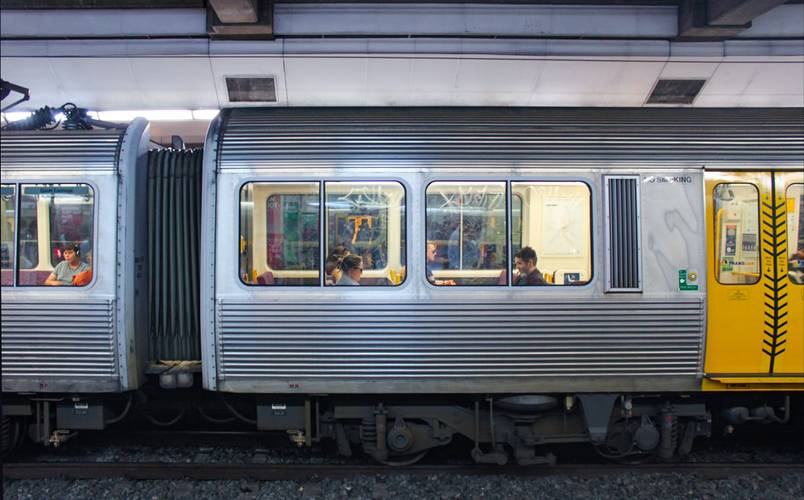
Brisbane's public transport network took a genuine leap forward when the Metro began service in early 2025, easing pressure on a bus system that two-thirds of the city's commuters had relied on for years. This guide covers the routes, the vehicles, the fares, and the sustainability technology behind Queensland's newest and most talked-about public transit line.
Brisbane's laid-back charm and subtropical climate make it noticeably worth the trip on its own merits, so book flights in and start planning your own route around the Metro network.
Discover Flights With Traveloka
Thu, 22 Oct 2026

VietJet Air
Bangkok (BKK) to Brisbane (BNE)
Start from THB 8,381.87
Sat, 24 Oct 2026

Jetstar
Sydney (SYD) to Brisbane (BNE)
Start from THB 2,014.80
Sat, 17 Oct 2026
Jetstar
Melbourne (MEL) to Brisbane (BNE)
Start from THB 2,646.56
Brisbane Metro's Launch and Routes
Metro 1
This route connects Eight Mile Plains to Roma Street, serving southern suburbs and the central business district with frequent, considerably turn-up-and-go service throughout the day.
Metro 2
Running directly from the Royal Brisbane and Women's Hospital to the University of Queensland, this route serves western suburbs, students, and residents along one of the city's busiest corridors.
Together, the two routes together cover 25 kilometres across 18 connected stations, running entirely on Brisbane's existing dedicated busways rather than requiring new rail track.
Fares That Make This Genuinely Worth Riding
Queensland has permanently locked in 50-cent fares across all public transport in the state, covering buses, ferries, trains, and the Metro itself. That single policy makes Brisbane's public transport some of the most affordable anywhere in Australia, a detail distinctly worth building into any Brisbane trip's budget planning from the very outset. Combined with the Metro's frequency during peak periods, the low fare removes almost every practical reason to rely on a rental car within the city itself.
Metro Vehicle Features
Capacity and Accessibility
Each bi-articulated vehicle carries 150 passengers under normal conditions, rising to 170 at peak capacity, with enhanced wheelchair accessibility zones, priority seating, and all-door boarding built in throughout.
Passenger Amenities
Onboard USB charging points, Wi-Fi, and passenger information displays with audio and visual announcements all come standard, alongside a fully cashless fare system.
A hotel near a Metro station puts Queen Street Mall, GOMA, and the Botanic Gardens all within easy reach of your accommodation, cutting down on transfer time throughout your stay.
Sustainability and Technology
Battery-Electric Power
Every Metro vehicle runs on battery-electric power with zero tailpipe emissions, a meaningful shift given how much of Brisbane's public transport previously relied on diesel buses.
Flash Charging
Vehicles recharge in under six minutes at the end of each route, fast enough to keep the turn-up-and-go frequency running without extended downtime.
Regenerative Braking
This regenerative system recovers energy during braking, improving overall efficiency across the fleet's daily operation and reducing wear on the vehicles' mechanical braking components over time.
Why Brisbane Needed the Metro
Easing Bus Congestion
Two-thirds of Brisbane's public transport users previously relied on buses alone, a load that regularly produced overcrowding, long queues, and significant delays during peak hours across the city's existing network.
Using Existing Infrastructure
Rather than building an entirely new rail line, the Metro runs on Brisbane's existing dedicated busways, a decision that kept construction costs and timelines considerably more manageable than a from-scratch rail project would have required.
How Metro Compares to Brisbane's Other Transport
Metro Versus Bus
Standard buses still cover routes the Metro doesn't reach, but along the two Metro corridors themselves, the dedicated vehicles run more frequently and carry considerably more passengers per trip.
Metro Versus CityCat Ferries
Brisbane's CityCat and Cross River ferry services remain the better choice for river-adjacent trips, while the Metro handles the busier inland corridors the ferries were never designed to cover.
Where the Metro Takes You
The Metro connects directly to Queen Street Mall for shopping, the Gallery of Modern Art for Brisbane's contemporary art scene, and the Brisbane Botanic Gardens for a genuine break from the city centre's pace. Roma Street Station links onward to the wider CityTrain network, making the Metro a markedly practical first or last leg for visitors staying further out from the city centre itself, rather than a novelty ride reserved for tourists alone.
A koala encounter at Lone Pine Sanctuary, bookable through Traveloka's activities listings, pairs naturally with a Metro ride out toward the city's southern suburbs.
Riding the Metro for the First Time
Boarding and Payment
The cashless fare system means tapping on with a contactless card or transit card at any door, since all-door boarding removes the single-entry bottleneck that slows down a standard bus.
Checking Real-Time Arrivals
Onboard telematics and station displays both show real-time arrival information, useful for planning connections onward to the CityTrain network at Roma Street.
Economic Impact and Project Scope
The Metro's design and construction phases generated approximately 2,600 jobs, a meaningful and lasting contribution to the local economy beyond the transport benefits themselves, spanning construction crews, engineering roles, and ongoing operational staff once regular services began running across both lines. The project also marks one of Australia's largest deployments of battery-electric mass transit, positioning Brisbane as a genuine reference point for other Australian cities weighing similar upgrades to their own ageing bus networks.
A car rental makes sense for day trips beyond the Metro's reach, such as the Gold Coast or Sunshine Coast, while a airport transfer gets you from Brisbane Airport into the city smoothly after landing.
Explore the Best of Brisbane with Traveloka
A 50-cent fare across the entire network changes how you plan a Brisbane trip, since public transport stops being a line item worth worrying about. Traveloka is Southeast Asia's leading travel platform, trusted by over 100 million users, bringing flights, hotels, activities, car rental, eSIM, and travel insurance together in one app for trips across Asia and beyond. Check Traveloka promotions before booking, and download the app before your Brisbane trip.
Tags:
flight
metro
Recommended Articles
5 Outdoors Adventures in Brisbane, only for The Brave!

8 Water Activities in Brisbane for Your 2024 Vacation!
What to do in Brisbane: 5 Things to Try with Your Best Friends!
Getting Around Brisbane, Australia

Let’s Go! Travel Tips to Brisbane, Australia

Flying While Pregnant: A Trimester-by-Trimester Travel Guide


