


Bangkok Street Food Guide 2026: Best Areas, Must-Try Dishes & Local Tips


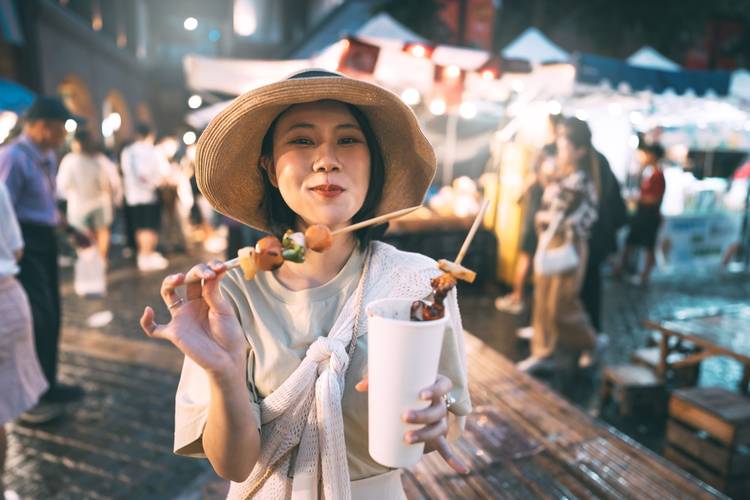
Bangkok is one of the world's great street food cities, a place where a bowl of noodles ladled from a decades-old family cart can outshine a restaurant meal costing ten times as much. The city's pavements, night markets, and canal-side lanes come alive after dark with the clatter of woks, the hiss of charcoal grills, and the layered perfume of lemongrass, chilli, and caramelised garlic. Whether you are a first-time visitor or a returning regular, the sheer variety on offer rewards every outing. This guide covers the best areas to eat, the dishes you cannot leave without trying, and the practical knowledge that separates a great food evening from a frustrating one.
Book your flights in advance to secure the best fares, and arrange an airport transfer so you land, clear customs, and head straight for the food without the stress of negotiating transport at the kerb.
Discover Flights With Traveloka
Tue, 27 Oct 2026

Thai VietJet Air
Chiang Mai (CNX) to Bangkok (BKK)
Start from THB 945.06
Tue, 27 Oct 2026
Thai VietJet Air
Hat Yai (HDY) to Bangkok (BKK)
Start from THB 1,398.69
Wed, 21 Oct 2026
Thai VietJet Air
Phuket (HKT) to Bangkok (BKK)
Start from THB 1,052.78
Best Bangkok Street Food Areas
1. Yaowarat — Bangkok's Chinatown
Yaowarat Road is the undisputed centrepiece of Bangkok street food, a kilometre-long corridor of neon signs, roasting ducks, and seafood tanks that fills with thousands of diners every evening from around 6:00 PM. The area is strongest for Chinese-Thai hybrid dishes: crispy roast pork, braised goose, fried oyster omelette (hoy tod), and steaming bowls of congee. Stalls push onto the pavement from both sides of the road, and narrow lanes branching off Yaowarat — particularly Soi Texas — hold some of the most celebrated individual vendors. Expect to pay ฿60–฿200 per dish.
2. Victory Monument
Victory Monument is the spiritual home of kuay teow reua (boat noodles), the dark, richly spiced pork or beef noodle soup that traces its origins to the floating vendors who once plied Bangkok's canals. The cluster of covered shophouses surrounding the monument's roundabout fills from late morning, peaks at lunchtime, and continues into the early evening. A small bowl typically costs ฿40–฿60, and the tradition is to order several in a row. The BTS Victory Monument station exits directly into the heart of the food zone, making it one of the easiest areas in the city to reach.
3. Or Tor Kor Market
Situated directly opposite Chatuchak Weekend Market, Or Tor Kor is Bangkok's premium fresh-produce market and a benchmark for quality Thai ingredients and prepared foods. The covered hall houses vendors selling immaculate tropical fruits, fresh-made curry pastes, grilled meats, and a rotating selection of regional Thai dishes rarely found elsewhere in the capital. The food court inside is particularly strong for braised duck noodles, khao man gai (poached chicken rice), and southern Thai curries. Prices are slightly higher than street-level — expect ฿80–฿180 per dish — but the ingredients and hygiene standards are exceptional. Or Tor Kor opens Tuesday to Sunday from 6:00 AM.
4. Bang Rak and Charoen Krung
Bang Rak, running along the river south of Silom, is one of Bangkok's oldest commercial districts and retains a gritty, authentic food culture largely untouched by tourism. Charoen Krung Road and its connecting sois are lined with old-school Thai-Chinese eateries, open-fronted noodle shops, and cart vendors who have occupied the same spots for generations. The area is especially good for pa tong ko (Chinese-style fried dough) in the morning, and for rich tom kha soups and herb-laden larb salads in the evening. Most dishes range from ฿50 to ฿150.
5. Sukhumvit Soi 38 Night Market
Sukhumvit Soi 38 has a storied past as one of Bangkok's most famous street food addresses, and while the scene is smaller than it once was, it remains very much alive. Around twenty stalls open daily from 5:00 PM to 1:00 AM, serving pad thai, papaya salad, BBQ skewers, wonton noodles, and mango sticky rice to a mix of locals and visitors. Entry is free, and most dishes cost ฿50–฿120.
Must-Try Bangkok Street Food Dishes
Pad Thai
Pad thai — stir-fried rice noodles with egg, tofu or prawns, dried shrimp, bean sprouts, and crushed peanuts — is Thailand's most recognisable export dish, but the version you eat at a Bangkok street cart bears little resemblance to overseas imitations. A skilled vendor works a furiously hot wok, charring the noodles at the edges while keeping the interior silky. The best renditions come from carts operating just one or two menu items. Prices range from ฿60 to ฿120, with king prawns pushing toward the upper end.
Boat Noodles
Kuay teow reua are served in small, intensely flavoured bowls — a concentrated dark broth made with pork or beef, seasoned with dried spices, and finished with a drop of pig's blood for depth and body. The small serving size is intentional: the dish is designed to be eaten in multiples, with most regulars ordering four to six bowls in a single sitting. At ฿40–฿60 per bowl, a full sitting costs very little and delivers an extraordinary range of flavour.
Mango Sticky Rice
Khao niew ma muang — ripe mango sliced over glutinous rice, doused with salted coconut cream — is Bangkok's most beloved dessert. The dish depends entirely on ingredient quality: the mango must be at peak ripeness, and the sticky rice must be freshly steamed and still warm. Roadside dessert carts and market stalls across the city sell it from late afternoon, priced at ฿60–฿100.
Satay and Grilled Skewers
Satay — marinated pork or chicken grilled over charcoal and served with peanut sauce and cucumber relish — is found at carts throughout the city. Moo ping (grilled pork skewers with sticky rice) is the simpler, everyday version, sold from morning carts as a breakfast or light snack. Prices run ฿10–฿20 per skewer, making it one of the most affordable ways to eat well in the city.
Som Tam
Som tam — green papaya salad pounded in a clay mortar with tomatoes, green beans, dried shrimp, palm sugar, fish sauce, lime, and fresh chilli — originated in northeast Thailand but is now a constant presence on Bangkok street corners. The dish is made to order, with the vendor adjusting heat, sweetness, and sourness to the diner's instruction. Most versions cost ฿50–฿80 and are typically paired with sticky rice and grilled chicken.
Tom Yum Goong
Tom yum goong — hot and sour prawn soup flavoured with lemongrass, kaffir lime leaves, galangal, fish sauce, and fresh chilli — is a cornerstone of the Thai kitchen. The street-food version is typically lighter and more aromatic than restaurant renditions. Expect to pay ฿80–฿150 depending on prawn size.
When you are ready to book your stay, explore the full range of hotels across Bangkok on the app to suit every budget, from riverside design properties to comfortable guesthouses in the heart of the food neighbourhoods.
Bangkok Night Markets
Ratchada Night Market Area
The Ratchada area around the Thailand Cultural Centre MRT station has become one of Bangkok's most vibrant after-dark food destinations, with rotating pop-up markets and permanent vendor clusters offering grilled seafood, international street food, and Thai classics side by side. The area operates from approximately 5:00 PM to midnight and draws a largely local crowd, which keeps prices honest.
Banglamphu and Soi Rambuttri
Soi Rambuttri, running parallel to Khao San Road, operates around the clock and offers a more relaxed, neighbourhood feel. The evening food scene features pad krapao (basil stir-fry), fresh spring rolls, coconut ice cream scooped into a sweet bun, and an extensive selection of freshly blended fruit shakes. Most dishes cost ฿60–฿100.
Practical Tips for Eating Street Food in Bangkok
When to Go
Most street food areas peak between 6:00 PM and 10:00 PM. Morning carts (open from 6:00 AM to 10:00 AM) specialise in breakfast dishes — rice porridge, fried dough, and grilled skewers with sticky rice. Arriving early at popular stalls avoids queues and means better ingredient quality before stock runs low.
Prices and Payment
Bangkok street food is priced in Thai Baht, and the vast majority of vendors operate cash only. Small notes — ฿20, ฿50, and ฿100 bills — are essential, as many carts cannot make change for large denominations. Budget ฿300–฿500 per person for a satisfying evening of multiple dishes and drinks.
Getting Around
Bangkok's BTS Skytrain and MRT reach most major food areas directly. For neighbourhoods off the rail network, a car rental gives flexibility to move between areas at your own pace. To make the most of Bangkok's food culture beyond the street, consider booking guided food tours and cooking classes through the activities section of the app.
Plan Your Bangkok Trip with Traveloka
Southeast Asia's leading travel platform, trusted by over 100 million users, Traveloka promotions regularly feature discounts on Bangkok hotels, flights, and experiences — making it easy to stretch your food budget further. The app brings together flights, hotels, activities, car rental, eSIM, and travel insurance in one place, so every element of your trip can be planned, booked, and managed without switching between platforms. Book your stay, secure your eSIM, and let Bangkok's legendary street food culture take care of the rest. Download the Traveloka app today and start building your Bangkok street food itinerary.
Tags:
bangkok city
shopping in bangkok

Recommended Articles
Best Places to Stay Near Ancient City Bangkok for an Unforgettable Visit
Getting Around Bangkok: A Complete Transport Guide

11 Free Tourist Attractions in Bangkok Every Traveller Should Visit

Hat Yai Road Trip: 6 Stops for a Perfect Self-Drive Day
Best Time to Visit Bangkok: A Season-by-Season Guide
Bangkok's Best Neighbourhoods: Which Area Should You Stay In?


