Andong
Asia
/
South Korea
/
Andong
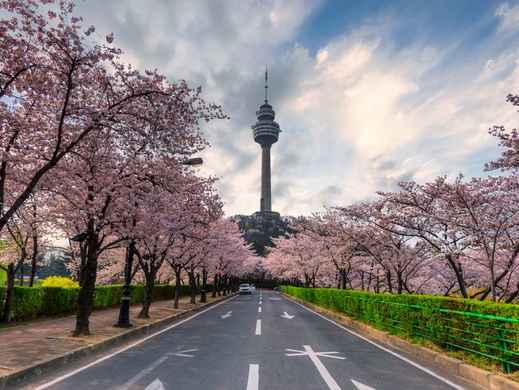
Tucked away in the northeastern part of Gyeongsangbuk-do Province, Andong embraces visitors with its gentle hills, lush valleys, and the winding Nakdong River that flows through its heart. The city experiences four distinct seasons, with vibrant cherry blossoms in spring, warm summers ideal for riverside activities, spectacular autumn foliage painting the mountains in crimson and gold, and crisp, sometimes snowy winters that transform the traditional villages into serene wonderlands.
Andong stands as Korea's spiritual homeland of Confucian culture and traditional values. The unhurried pace of life here offers a refreshing contrast to Korea's bustling metropolises. Locals maintain a strong connection to their heritage, evidenced by the continued practice of ancestral rites and preservation of age-old customs. This reverence for tradition coexists with modern amenities, creating a uniquely harmonious atmosphere where past and present converge.
What makes Andong truly special is its unparalleled preservation of authentic Korean culture. While Seoul showcases Korea's future and Gyeongju its ancient kingdom, Andong captures the essence of traditional Korean life during the Joseon Dynasty (1392-1910). The region's remoteness historically shielded it from invasions and excessive modernization, allowing its cultural treasures to remain remarkably intact.
No visit to Andong is complete without sampling its signature dish, Andong jjimdak—a savory masterpiece of braised chicken with glass noodles, vegetables, and a delectable soy-based sauce that balances sweet and spicy flavors. Equally famous is Andong soju, a smoother, more refined version of Korea's popular distilled spirit, traditionally served in distinctive pottery vessels that enhance its unique character.
Among Andong's crown jewels is Hahoe Folk Village, a UNESCO World Heritage site where 130 residents continue to live in centuries-old homes with elegant curved roofs. The village's layout, dictated by ancient principles of pungsu (Korean feng shui), creates a living museum where visitors can witness authentic Korean folk traditions. Don't miss the Andong Folk Festival each autumn, featuring the mesmerizing Hahoe Mask Dance Drama, a satirical performance with origins dating back over 800 years that cleverly critiqued social hierarchies while entertaining audiences with its vibrant characters and movements.

Travel Tips for Andong
What you need to know before traveling here
Getting Around Andong
A guide to Andong's local transportation
If you prefer the flexibility of a personal vehicle, consider renting a car. Car rental services are available in Andong, and having your own vehicle allows you to explore lesser-visited destinations at your leisure. You can also rent a car easily on the Traveloka app.
Practical Tips for Andong
Things to prepare and best way to visit
In Andong, summer is characterized by warm and humid conditions with occasional rainfall and partly cloudy skies. In contrast, winters in Andong are cold, snowy and windy, with mostly clear skies. Throughout the year, temperatures usually range from 19°F to 86°F, with rare instances of going below 10°F or exceeding 93°F.
The best months for good weather conditions in Andong are May, June, August, and September. On average, June, July, and August are the hottest months, while January is the coldest. The rainiest periods occur in July and August.
If you are on vacation in Seoul, South Korea, and plan to go to Andong, there are several transportation options available. The most convenient way to travel from Seoul to Andong is by bus, which takes about 2 hours and 35 minutes, with ticket prices ranging from ₩19,000 to ₩33,000. Alternatively, you can take the train, which takes about 3 hours and 15 minutes, with ticket prices ranging from ₩21,000 to ₩37,000.
Andong is a city rich in cultural heritage and natural beauty. It offers plenty of activities and attractions that cater to a wide variety of interests. In addition to famous sites such as the Hahoe Folk Village and the Andong Mask Dance Festival, visitors can explore the picturesque Woryeonggyo Bridge that spans over the Nakdong River, which offers stunning views of the surrounding landscape, especially during sunset.
Another thing to do in Andong is to explore the historic and serene Bongjeongsa Temple, surrounded by lush greenery, creating a peaceful retreat for those seeking spiritual tranquillity. Next, immerse yourself in the local culture by trying Andong Soju, a traditional Korean rice wine, with many places offering tasting sessions to appreciate its unique flavor and learn its cultural significance.
For art enthusiasts, Jirye Artists' Colony provides a serene natural setting where artists showcase their works and often hold exhibitions. Also, experience the daily life of Buddhist monks by staying at a temple in Bongjeongam, participating in meditation, traditional tea ceremonies, and other cultural activities.
The Andong region is renowned for its commitment to preserving traditional cultural practices, especially the Hahoe Mask Dance. The historic villages of Hahoe and Yangdong received joint designation as UNESCO World Heritage sites in 2010, demonstrating their cultural significance.
Also known as the "spirit capital of Korea" in Gyeongsangbuk-do, Andong is famous for various cultural elements, including wooden masks and the annual Andong folk festival held in September. In addition, the region is also famous for its culinary offerings, such as a spicy chicken dish called jjimdak.
Andong is famous for its unique culinary offerings, and one dish that characterizes it is Andong Jjimdak. Andong Jjimdak is a savory and slightly spicy stewed chicken dish that originated in the town of Andong. The name "Jjimdak" literally means "steamed chicken", but this dish is more than just a simple steamed preparation, it's a mouth-watering blend of flavorful ingredients. Andong is also known for Andong sikhye (liquor), Andong soju (rice wine), salted mackerel, and Geonjin guksu (a noodle dish).

Explore Andong
Create your itinerary with our top picks below


Hot Deal From Airlines


Travel Tips for Andong

Explore Andong