



Quezon City
Asia
/
Philippines
/
Quezon City
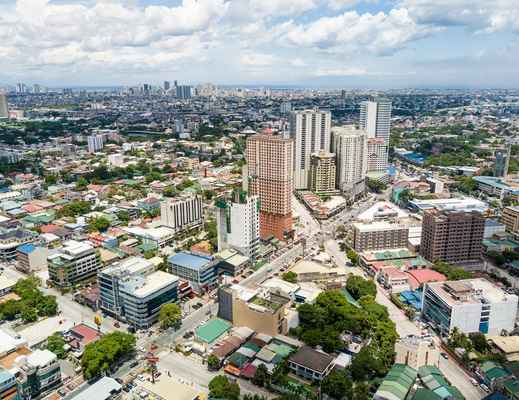
Nestled in the heart of Metro Manila, Quezon City stands as the Philippines' largest city by area, sprawling across a diverse landscape of bustling commercial districts, quiet residential enclaves, and pockets of lush green space. The city enjoys a tropical climate with distinct wet (June to November) and dry (December to May) seasons, with temperatures consistently warm year-round, typically hovering between 24-32°C (75-90°F). Occasional afternoon thunderstorms offer refreshing breaks from the humidity, especially during the monsoon months.
The vibrant Filipino culture thrives in Quezon City, where traditional values blend seamlessly with contemporary urban life. Locals, affectionately called ""Pinoys,"" are known for their extraordinary hospitality, resilience, and joyful spirit. The ""bayanihan"" (community cooperation) culture remains strong even in this metropolitan setting, with residents maintaining close family ties and neighborhood connections. The city pulses with energy from dawn till well past midnight, with food stalls, markets, and entertainment venues keeping the streets alive at all hours.
What makes Quezon City special is its perfect balance of urban development and cultural heritage. Unlike the more business-oriented Makati or historic Manila, Quezon City offers authentic Filipino experiences without overwhelming tourists. The city serves as the country's entertainment and education hub, housing major television networks, prestigious universities, and cultural institutions that have shaped Filipino identity for generations.
Food lovers will find paradise in Quezon City's culinary landscape. Must-try dishes include sisig (sizzling pork face and ears with egg), the hearty kare-kare (oxtail stew with peanut sauce), and for the adventurous, balut (fertilized duck egg). The Maginhawa Street food scene has become legendary among locals and visitors alike, offering everything from street food to international cuisine at remarkably affordable prices. Don't miss the chance to experience a boodle fight – a Filipino feast where food is laid out on banana leaves and eaten with hands, embodying the communal spirit of Filipino dining.
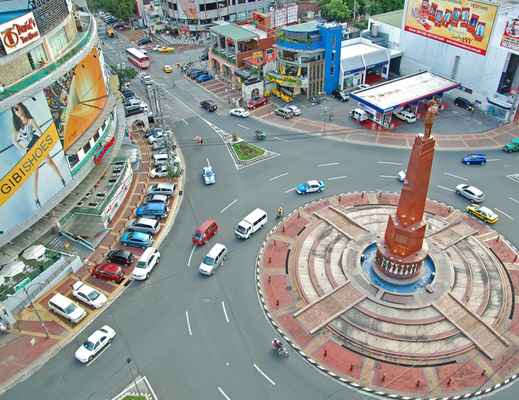
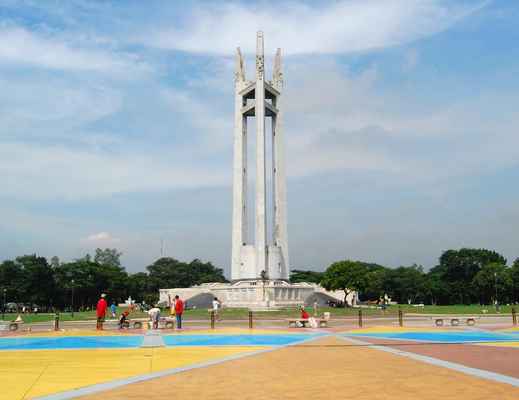
While in Quezon City, make time for the breathtaking Quezon Memorial Circle, where the 66-meter memorial shrine honors the city's namesake, President Manuel L. Quezon. Art enthusiasts should visit the Vargas Museum at the University of the Philippines Diliman campus, showcasing Filipino artistic heritage. For a taste of local nightlife and contemporary culture, explore the Cubao Expo, a renovated shoe market turned alternative culture hub filled with vintage shops, independent boutiques, and laid-back bars frequented by the city's creative community.

Get to Know Quezon City
Take a tour of this destination's highlights
Popular Areas in Quezon City


Travel Tips for Quezon City
What you need to know before traveling here
Getting Around Quezon City
A guide to Quezon City's local transportation
The MRT links to two railway stations in Metro Manila, namely MRT-2 and MRT-3. It is an economical and convenient alternative, providing one of the best options to escape road congestion. However, it's important to be aware that these trains can become extremely crowded, particularly during peak hours.
Practical Tips for Quezon City
Things to prepare and best way to visit
Experience a day of diverse delights in Quezon City, starting at the iconic Quezon Memorial Circle, where history and greenery converge. Stroll through the park's vast expanse, adorned with monuments and gardens, offering a tranquil retreat. For nature enthusiasts, La Mesa Ecopark with its lush landscapes and eco-friendly attractions, provides a refreshing escape from the urban hustle.
Not to mention, you can unleash your artistic side at Art In Island, an interactive 3D art museum that invites visitors to become a part of captivating and imaginative exhibits. If wildlife intrigues you, a visit to the Ninoy Aquino Parks and Wildlife Center is a must, where you can encounter a variety of flora and fauna in a conservation-focused environment.
Cap off your day with a food adventure along Maginhawa Street, a haven for foodies with a diverse option of eateries. From local favorites to international cuisines, Maginhawa Street promises a gastronomic journey that satisfies every palate. In Quezon City, each destination offers a distinct charm, ensuring a day filled with exploration, creativity, and culinary delights.
Discovering the vibrant nightlife scene in Quezon City is an absolute must during your visit. As the sun sets, the city transforms into a hub of excitement, offering a diverse of options for those seeking memorable evenings.The beats of the night continue at Vanity Club, where a cheerful vibe sets the tone for a lively experience.
For a change of pace, delve into the unique charm of Zirkoh Comedy Bar, a venue that not only presents engaging stand-up comedy shows in English but also invites you to hit the dance floor. This bar promises not just laughter but also jaw-dropping music concerts and shows, ensuring a diverse and entertaining nightlife experience.
Quezon City's nocturnal offerings extend beyond these highlights, from intimate lounges with soothing melodies to energetic dance floors that echo with the latest beats. Whether you're seeking a laid-back evening with friends, a romantic night out, or an exhilarating dance party, Quezon City's nightlife scene has something for everyone.
Quezon City has two seasons: dry and rainy. The best time to visit is from December to April when the weather is more pleasant, with April being the warmest month at around 32 degrees Celcius.
This period has less humidity compared to May to July, which is hotter and cloudier with more rain. While you can explore the city's attractions all year, the months leading up to Christmas, from December to April, offer a particularly enjoyable time to visit with comfortable weather conditions.
Begin a culinary journey in Quezon City, where every bite tells a flavorful story of Filipino gastronomy. Dive in the rich and succulent taste of Lechon, a roasted pork dish known for its crispy skin and tender meat. Also, savor the complex flavors of Kare-Kare, a savory oxtail stew in peanut sauce, and Adobo, a classic marinated meat dish that perfectly balances sweet, savory, and tangy notes.
For breakfast or anytime, try Silog, a Filipino dish combining garlic fried rice, fried egg, and various meat options, offering a hearty and satisfying meal. And when it comes to desserts, Quezon City doesn't disappoint.
Then, cool off with a refreshing Halo-Halo, a delightful mix of shaved ice, various sweet beans, jellies, and fruits. In Quezon City, every dish is a symphony of flavors, showcasing the diverse and delectable tapestry of Filipino culinary delights.
As of now, there is no airport specifically designated for Quezon City. The closest airport is the Ninoy Aquino International Airport (NAIA), which serves as the primary aviation hub for the Philippines. To reach Quezon City from Manila, where the airport is located, you have several options, such as bus and taxi.
A direct bus service is also available, departing from NAIA Terminal 3 and arriving at the Araneta Center Bus Terminal. Alternatively, you can choose a taxi, which takes approximately 25 minutes and costs between PHP420 and PHP500.

Explore Quezon City
Create your itinerary with our top picks below
Hot Deal From Airlines


Get to Know Quezon City

Travel Tips for Quezon City

Explore Quezon City


