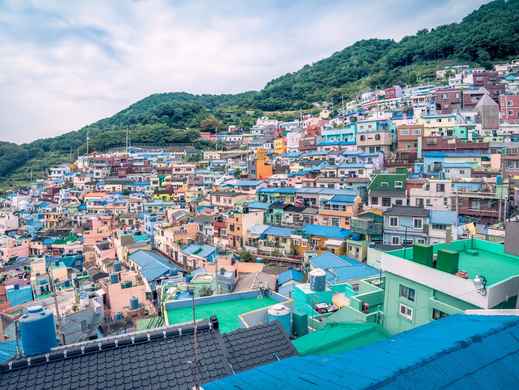
Haeundae
Asia
/
South Korea
/
Haeundae-gu
Nestled on the southeastern coast of South Korea, Haeundae is Busan's crown jewel—a vibrant beach district where modern high-rises meet the gentle waves of the East Sea. The climate here follows distinct seasons: hot, humid summers perfect for beach days (June-August), colorful autumn months with comfortable temperatures (September-November), cold winters that rarely dip below freezing (December-February), and a spring season famous for cherry blossoms (March-May).
Haeundae seamlessly blends cosmopolitan energy with traditional Korean sensibilities. Locals embrace both fast-paced city life and the relaxed coastal rhythm—office workers in crisp suits transform into beachgoers by sunset, while elderly residents practice morning tai chi on the shore. This duality extends to the district's landscape, where luxury hotels and sleek shopping complexes stand just blocks away from traditional markets and humble seafood restaurants.
What makes Haeundae truly special is its rare combination of urban convenience and natural beauty. Few global destinations offer a pristine 1.5-kilometer white sand beach in the heart of a major metropolitan area. The district serves as both a seaside playground and a gateway to Busan's cultural treasures. Here, you can witness how South Korea's rapid development has created a fascinating fusion of old and new—ancient temples and fishing traditions endure alongside cutting-edge architecture and technology.
Food lovers will delight in Haeundae's culinary scene, particularly its fresh seafood. Don't miss dwaeji gukbap (pork soup with rice), a Busan specialty found in humble local joints, or the live seafood at Haeundae Market, where you can select your dinner and have it prepared on the spot. For a truly authentic experience, visit during the Busan International Film Festival in October, when the area transforms into Korea's Hollywood, or brave the New Year's sunrise swim when thousands of locals plunge into the winter sea.
While the beach itself is Haeundae's most famous attraction, make time for the Busan Aquarium, an impressive underwater world housing over 35,000 marine creatures beneath the boardwalk. For breathtaking views, venture to Dalmaji Hill, nicknamed ""Moonlight Hill"" for its perfect full moon vistas—it's an enchanting spot where pine trees frame the coastline. And if you're seeking both culture and natural beauty, the nearby Haedong Yonggungsa Temple offers a rare seaside Buddhist sanctuary built dramatically into coastal cliffs—one of Korea's most photogenic spiritual sites.

Travel Tips for Haeundae
What you need to know before traveling here
Getting Around Haeundae
A guide to Haeundae's local transportation
Haeundae is well-connected by Busan's efficient metro system, with Haeundae Station (Line 2) serving as the main hub. The green Line 2 runs along the coast and connects to major attractions throughout Busan. Purchase a rechargeable Hanaro Card or Cashbee Card from any station for seamless travel—this saves you from buying single-journey tickets each time. Trains run from 5:30 AM until midnight, with peak service every 3-5 minutes and night service every 8-10 minutes. Station announcements and signs are in Korean, English, Chinese, and Japanese, making navigation relatively straightforward for international visitors.
Practical Tips for Haeundae
Things to prepare and best way to visit
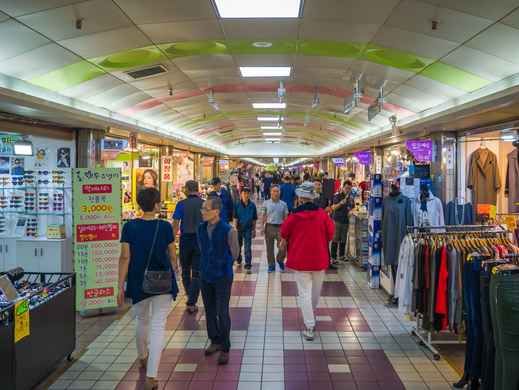
Visit Haeundae Traditional Market for local street food and seafood specialties, particularly in the evening when the atmosphere is lively. APEC Naru Park hosts free cultural performances during summer evenings. For a truly local experience, try a Korean bathhouse (jjimjilbang) like Spa Land in nearby Centum City or the beachfront Haeundae Spa, where Koreans go to relax in hot pools and saunas. Dawn visits to Haedong Yonggungsa Temple offer insight into Buddhist traditions.
Don't miss dwaeji gukbap (pork soup with rice)—a Busan specialty—at local restaurants like Gukbap Alley. Milmyeon (cold wheat noodles in broth) is perfect during summer heat. At Haeundae Market, try ssiat hotteok (seed-filled sweet pancakes) and fresh seafood, especially hoe (Korean-style sashimi). For the adventurous, live octopus (sannakji) offers a uniquely Busan experience, while the beachside food stalls serve excellent eomuk (fish cake skewers in broth).
Many of Haeundae's best experiences are free or inexpensive. Enjoy the public beach, walk along Dalmaji Hill for sunset views, and explore the Moontan Road coastal path without spending a won. For affordable dining, head to Haeundae Traditional Market or look for kimbap restaurants and street food vendors. Consider staying in guesthouses rather than beachfront hotels, particularly in the quieter Jangsan area. The Busan City Tour Bus offers an economical way to see major attractions (around 15,000 won for a day pass), and public transportation is both efficient and budget-friendly.
Haeundae and Busan in general are extremely safe for solo travelers, including women traveling alone. Violent crime is rare, and the area remains lively into the evening, especially around the beach and main streets. Exercise normal precautions with belongings in crowded areas. The biggest safety concerns are typically related to swimming conditions—always observe flag warnings at the beach as currents can be dangerous.
The South Korean won (KRW) is the local currency. While major hotels, department stores, and chain restaurants widely accept international credit cards, many local restaurants, markets, and smaller shops remain cash-based. ATMs are readily available, but look for ones marked with ""Global"" or ""Foreign Cards Accepted"" signs. Transportation cards like T-money or Cashbee are essential for convenient travel on public transit and can also be used at convenience stores.
See All Practical Tips for Haeundae

Explore Haeundae
Create your itinerary with our top picks below


Hot Deal From Airlines


Travel Tips for Haeundae

Explore Haeundae
More Destination Near Haeundae