
Bali
Asia
/
Indonesia
/
Bali
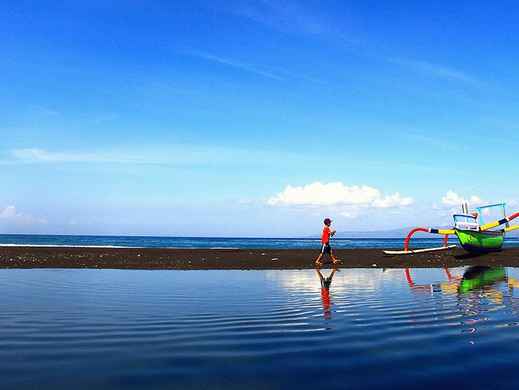
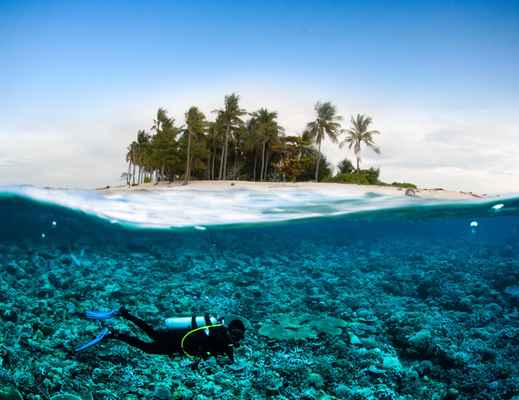
Located within the Indonesian archipelago, Bali is a paradise on Earth, fusing natural beauty with cultural opulence. The island province basks in a tropical climate throughout the year, with typical temperatures ranging between 23-31°C (73-88°F). This makes it an idyllic getaway destination irrespective of the time of your visit.
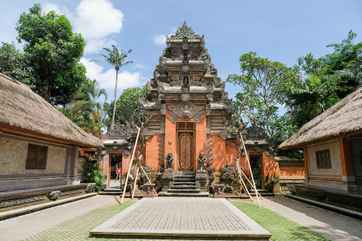
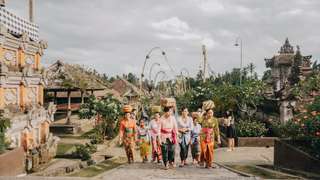
Bali’s culture finds its roots in Hindu traditions, mirrored in numerous temples, daily offerings known as canang sari, and traditional ceremonies that are intrinsic parts of everyday life. The local lifestyle is unhurried, with utmost importance given to community, spirituality, and balance with nature.
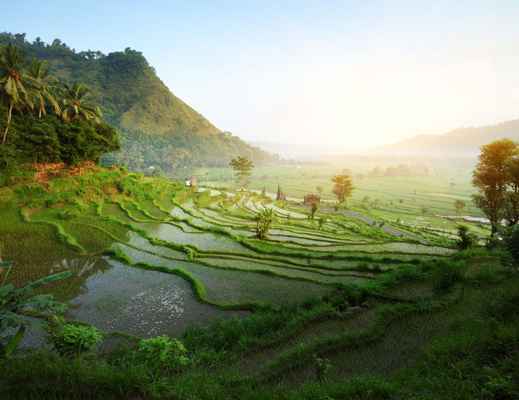
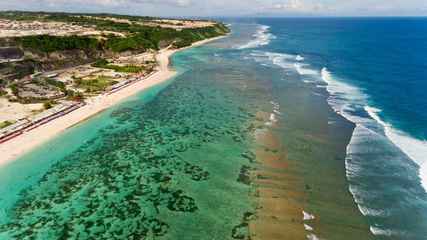
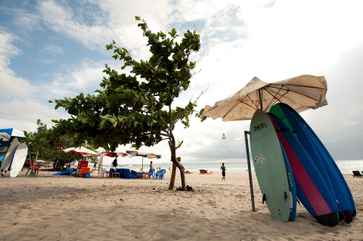
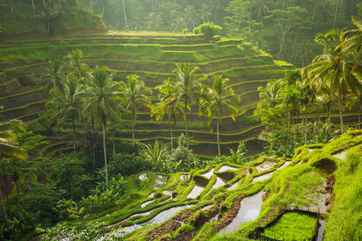
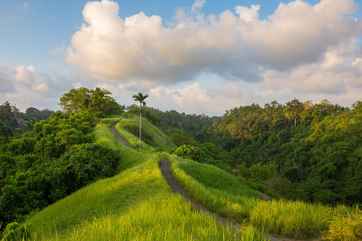
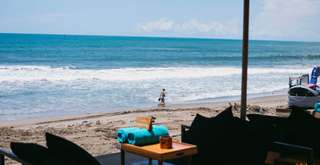
Bali stands out for its remarkable variety—from the surf-raging beaches of Uluwatu to the terraced rice fields of Ubud, and the volcanic terrains of Mount Batur. The island's unique allure lies in its capacity to provide both tranquility and thrill, often within a short distance.
Food aficionados will adore signature dishes such as nasi goreng, babi guling (suckling pig), and fresh, jimbaran-style seafood. Sampling local delicacies at warungs (family-owned eateries) or attending a traditional cooking class can provide a deeper understanding of the intricacy of Balinese spices.
Must-have experiences include watching the sunset at Tanah Lot temple, exploring the sacred monkey forest in Ubud, and visiting the Tirta Empul water temple. If you're seeking a real-life cultural plunge, participating in a traditional ceremony or visiting a local market at dawn can provide unforgettable revelations into Balinese life.

Get to Know Bali
Take a tour of this destination's highlights
Top Sights in Bali














Inspiring Reads on Bali







Travel Tips for Bali
What you need to know before traveling here
Getting Around Bali
A guide to Bali's local transportation
Exploring Bali by bicycle is a one-of-a-kind experience that is more environmentally friendly than renting a private motorized vehicle. By renting a bicycle, you may reach hidden gems in Bali that are inaccessible by car or motorbike. Bicycle rentals typically start at Rp25.000,- per day. Before you begin your adventure on the rented bike, thoroughly inspect the condition of the bike.
Practical Tips for Bali
Things to prepare and best way to visit
A visit to Bali is not complete without watching the live Kecak dance performance. One of the famous Kecak dance locations in Bali is located at Uluwatu Temple, Pecatu, South Kuta, Badung Regency, Bali. This show is held every day (except during Nyepi and Pengrupukan) from 18:00 to 19:00 WITA.
Bali also has a variety of interesting and delicious snack that you must try when visiting this island. Pie susu is one of the most famous snacks in Bali. Tourists often bring home this snack with other nice souvenirs for their loved ones. As the name suggests, this snack is a type of pie that uses a filling made of milk in the middle. Besides pie susu, there are also koro beans and disco beans. Balinese koro beans are famous for their thinner shape than other koro beans in general. Meanwhile, disco beans are processed peanuts with crunchy texture and are available in various flavors, such as original, cheese, spicy, and sweet & spicy.
When visiting Bali, make sure you obey local customs, especially those related to visiting temples or other holy places. One of them is the prohibition of visiting Lempuyang Temple while having a period or menstruating. The prohibition on visiting during period does not only apply to women who want to worship at the temple, but also applies to all visitors. Lempuyang Temple is not the only temple that prohibits tourists who are menstruating to enter the area. Many other temples also apply the same prohibition.
When visiting sacred sites in Bali, wear modest clothes, such as long sleeves and trousers, and make sure you are not on your period. Other than that, don't leave the house during Nyepi (Day of Silence), behave inappropriately in sacred places, step on canang (ritual offerings), enter sacred areas carelessly, urinate in public, live on the island without identity or permit, behave inappropriately during traditional ceremonies, disobey beach rules, and touch a dog's head.
Big waves in Bali usually occur right before the dry season in June, July, and August. Apart from the change of seasons, big waves can also be affected by other phenomenons, such as La Nina and warmer sea surface temperatures. An increase in sea water temperature will increase evaporation so that the chance of rainfall is higher. In addition, the Australian monsoon can also affect wind speed and wave height.
See All Practical Tips for Bali

Explore Bali
Create your itinerary with our top picks below


Hot Deal From Airlines

Ready for your next vacation
to Bali?
Set off your journey to Bali
Plan smart & save big! Use discount code BISAYUK only for you

Flights

Hotels

Xperience

Get to Know Bali

Travel Tips for Bali

Explore Bali