


3 Days in Jakarta: The Ultimate Day-by-Day Itinerary



Jakarta rewards visitors who know where to look. Behind the traffic and skyscrapers lies one of Southeast Asia's most layered cities — a place where 17th-century Dutch colonial warehouses stand minutes from gleaming malls, and where street vendors serve some of the best food in Indonesia. This three-day itinerary moves through the city's historic core, its cultural institutions, and its quieter southern neighbourhoods, giving you a well-rounded picture of the capital. Book your flights and lock in your accommodation early, especially if you're visiting during school holidays or long weekends.
Getting around Jakarta requires planning. The city's road network is dense and peak-hour congestion is significant, so build buffer time into every transition between areas. Ride-hailing apps are the most practical option for most visitors. A useful alternative for multi-stop days is to book a car rental with a driver, which keeps you comfortable and removes the stress of flagging down transport between sites.
Day 1: The Historic Heart of Jakarta
Morning: Monas and the National Monument Park
Start your first morning at Monumen Nasional, universally known as Monas, the 132-metre obelisk that anchors the centre of Jakarta. Arriving before 9 AM means cooler temperatures and thinner crowds before the tour groups arrive. Take the elevator to the observation deck for a panoramic view over the city. The surrounding park is a pleasant place to walk, and the Museum of National History in the monument's base provides useful context for the rest of your trip. Allow roughly two hours here.
Afternoon: Kota Tua and Fatahillah Square
Kota Tua, Jakarta's Old Town, is a 15-minute ride north of Monas and one of the most atmospheric places in the entire city. The centrepiece is Taman Fatahillah, a cobblestoned square flanked by restored Dutch-colonial buildings painted in deep ochres and terracottas. The Jakarta History Museum, housed in the former Batavia city hall, is worth at least an hour. Nearby, the restored Toko Merah building is one of the finest surviving examples of 18th-century merchant architecture in the region.
After the museums, walk west into Pecinan, Jakarta's Chinatown district of Glodok. The narrow lanes fill up with food stalls in the afternoon — look for vendors selling siomay (steamed fish dumplings served with peanut sauce), soft bakpao buns, and sesame-coated onde-onde filled with sweet mung bean paste.
Evening: Dinner in a Padang Restaurant
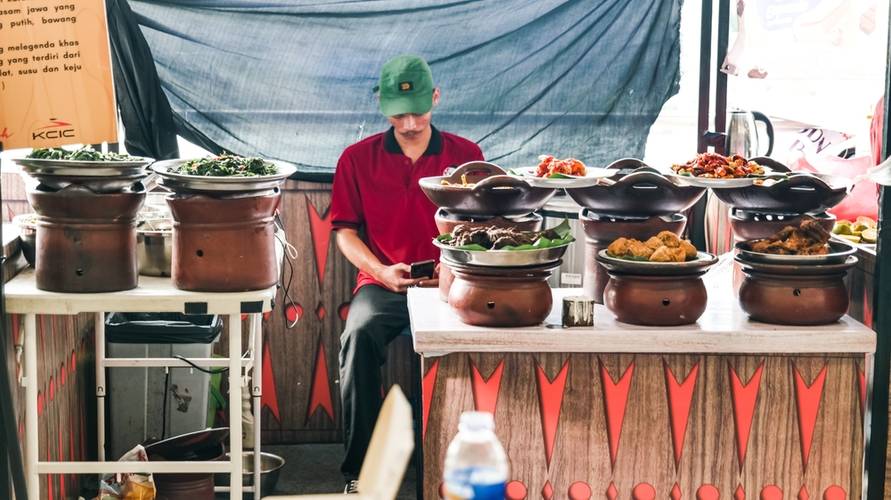
For dinner, head to one of Jakarta's many rumah makan Padang restaurants. The West Sumatran Padang style of dining is a Jakarta staple: a spread of small dishes — rendang, gulai curries, sambal, fried fish, sayur nangka (jackfruit stew) — arrives at the table all at once, and you pay only for what you eat. It is one of the most flavourful and satisfying meals in Indonesian cuisine.
Discover Flights With Traveloka
Sat, 10 Oct 2026

Scoot
Ho Chi Minh City (SGN) to Jakarta (CGK)
Start from 2.250.344 VND
Fri, 16 Oct 2026

AirAsia Berhad (Malaysia)
Hanoi (HAN) to Jakarta (CGK)
Start from 2.949.381 VND
Mon, 12 Oct 2026

Super Air Jet
Surabaya (SUB) to Jakarta (CGK)
Start from 1.307.155 VND
Day 2: Museums, Culture, and the City's Modern Face
Morning: The National Museum of Indonesia
The Museum Nasional Indonesia — nicknamed Museum Gajah (Elephant Museum) after the bronze elephant statue in its forecourt — is the country's oldest and most comprehensive museum, founded in 1778. Its collection of over 140,000 artefacts spans Indonesia's entire archipelago: prehistoric tools, Hindu-Buddhist bronzes, royal court regalia, ceramics traded along ancient maritime routes, and ethnographic collections from every major island group. Budget at least two hours, and consider arriving when it opens at 9 AM to walk the main galleries before it gets busy. Tickets can be purchased through the activities section of the app.
Afternoon: The Sudirman-Thamrin Corridor
The stretch of Jakarta running along Jalan Jenderal Sudirman and Jalan MH Thamrin is the city's commercial spine. Grand Indonesia, at the Welcome Roundabout end of Thamrin, is one of the city's premier retail destinations with a cinema, food court, and well-curated mix of local and international stores. The Sudirman Central Business District (SCBD) further south has developed into a dense cluster of specialty coffee shops, rooftop bars, and contemporary Indonesian restaurants that reflect how quickly the city's food scene has matured.
Evening: Contemporary Indonesian Cuisine
The SCBD and surrounding Senopati neighbourhood are home to some of Jakarta's most acclaimed modern Indonesian restaurants. Chefs here are reinterpreting regional classics — nasi goreng, gado-gado, soto broths — with sharper technique and better sourcing. Reserve a table in advance if possible. When planning your stay in this part of the city, hotels in the Sudirman, Semanggi, and Kuningan areas put you within walking distance of both the SCBD dining strip and the MRT network.
Day 3: Nature, Heritage, and Betawi Culture
Morning: Taman Mini Indonesia Indah
Taman Mini Indonesia Indah (TMII), translated as Beautiful Indonesia in Miniature Park, is one of Jakarta's most unusual and rewarding attractions. Spread across more than 100 hectares in East Jakarta, the park brings together architectural replicas of traditional houses from every province in Indonesia, surrounding a large lake at the centre. Walking through it feels like a compressed journey across the archipelago. The park opens at 6 AM and is best visited in the morning before heat and crowds build up.
TMII also contains a cluster of thematic museums, an IMAX theatre, a bird park, and a cable car over the lake. A full morning here is easy to fill, particularly for families. The park is in East Jakarta, so book a car or ride-hailing service from your hotel — it is about 30 to 45 minutes from the central hotel district depending on traffic.
Afternoon: Setu Babakan Betawi Cultural Village
Setu Babakan in South Jakarta is a living cultural village dedicated to the preservation of Betawi culture — the traditions of Jakarta's indigenous population, shaped over centuries by Sundanese, Javanese, Chinese, Arab, and Dutch influences. The site covers 289 hectares around a natural lake and is divided into cultural zones. Visitors can watch traditional ondel-ondel puppet performances, see artisans working on batik Betawi cloth, and explore the Betawi Museum. Entry is free.
The food stalls ringing the lake are an important part of the experience. Try kerak telor, a savoury omelette made with glutinous rice, egg, dried shrimp, and fried shallots cooked over charcoal — it is one of the most distinctively Betawi dishes. Bir pletok, a spiced herbal drink made from ginger, lemongrass, and rose, is the traditional non-alcoholic accompaniment.
Evening: A Farewell Spread of Indonesian Regional Food
Jakarta's restaurant landscape mirrors Indonesia's extraordinary culinary diversity. For a final dinner, consider a restaurant that specialises in a cuisine you have not yet tried on the trip — masakan Manado from North Sulawesi (fiery, rich with coconut and cakalang smoked tuna), masakan Sunda (fresh, herb-forward dishes typical of West Java), or masakan Jawa from Central Java (sweeter, gentler spicing, famous for its opor ayam and gudeg).
Practical Tips for Visiting Jakarta
When to Go
The dry season runs from April through October and is the most comfortable time to visit. Humidity is lower, rainfall is less frequent, and outdoor attractions are at their best. The wet season (November to March) brings heavy afternoon downpours, though the city remains fully functional and hotel rates tend to be lower.
Getting Around
The Jakarta MRT connects Lebak Bulus in the south to Kota in the north with stations at all major transit hubs. TransJakarta bus rapid transit covers a wider network and is inexpensive. For trips between sites that are not well served by rail, ride-hailing services or a booked car are more practical. An airport transfer from Soekarno-Hatta International Airport is worth booking in advance; the journey to the city centre takes 45 minutes to over an hour depending on traffic.
Plan Your Jakarta Trip with Traveloka
Traveloka is Southeast Asia's leading travel platform, trusted by over 100 million users across the region. Everything you need for a Jakarta trip is available in one place: flights, hotels, activities and attraction tickets, car rental, eSIM, and travel insurance. Check Traveloka promotions for Jakarta hotel and activity deals, and download the app to start building your itinerary today.
Tags:
indonesia
Explore the Best of Jakarta
Jakarta
West Jakarta
South Jakarta
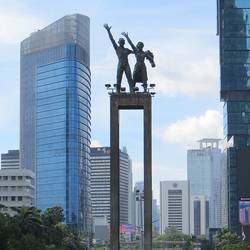
Central Jakarta
Recommended Articles

5 Exciting Activities to Try with Your Best Friends in Jakarta
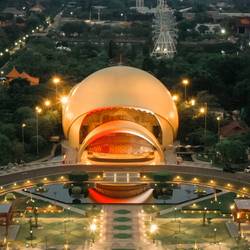
What to Do in Jakarta: 6 Standout Attractions

5 Best Museums and Galleries in Jakarta to Visit This Weekend
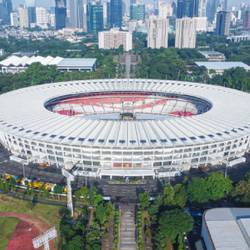
How to Get to Gelora Bung Karno Stadium for BTS Concert Jakarta 2026: MRT, KRL, Transjakarta and Parking Guide
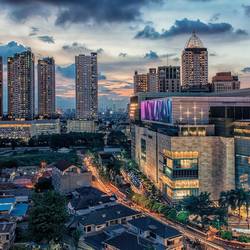
12 Best Areas to Stay in Jakarta
Jakarta Date Ideas 2024: Romance in the City of Lights


