Bali's 7 Most Stunning Rice Terraces: Where to Go and What to Expect

Traveloka Team
9 min read

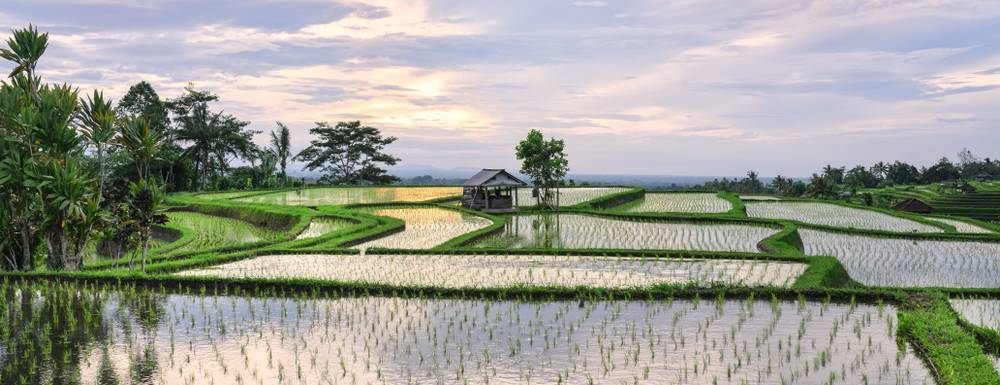
Bali's rice terraces are among the most visually arresting agricultural landscapes in the world, shaped over centuries by a cooperative water management system known as subak. This ancient Balinese irrigation tradition, which coordinates water flow from mountain temples through an intricate network of channels and tunnels across entire hillsides, was inscribed as part of UNESCO's Cultural Landscape of Bali Province in 2012. The result is a landscape that is simultaneously a working food system, a cultural artefact, and one of the primary reasons travellers fly to this island from across the globe.

Bali's rice terraces are spread across the island from the highlands of the north to the coastal fringes of the south, each offering a different altitude, atmosphere, and set of surrounding activities. Whether you are looking for the most iconic view, the most peaceful walk, or the richest cultural immersion, the seven terraces in this guide cover the full range of what Bali's agricultural landscape has to offer.

Australia has direct and connecting flights to Bali's Ngurah Rai Airport from Sydney, Melbourne, Brisbane, and Perth. Compare fares and book your flights to Bali on Traveloka.

Discover flight with Traveloka

Tue, 25 Aug 2026

Scoot

Ho Chi Minh City (SGN) to Bali / Denpasar (DPS)

Start from 3.301.352 VND

Tue, 8 Sep 2026

Scoot

Hanoi (HAN) to Bali / Denpasar (DPS)

Start from 4.473.484 VND

Mon, 17 Aug 2026

Aero Dili

Dili (DIL) to Bali / Denpasar (DPS)

Start from 5.330.324 VND

1. Jatiluwih Rice Terraces

Jatiluwih is the largest and most culturally significant rice terrace landscape in Bali, covering more than 600 hectares of organically farmed terraced fields across the slopes of the Batukaru mountain range in Tabanan regency. It forms the centrepiece of the UNESCO Cultural Landscape of Bali Province, recognised in 2012 for the living subak irrigation tradition that has sustained agricultural communities here for over a thousand years. The terraces extend across a wide valley at an elevation of approximately 700 metres, giving the landscape a scale and grandeur that smaller terrace sites cannot match.

Unlike the more tourist-heavy terraces further east, Jatiluwih retains an authentic working-farm character: the fields are actively planted and harvested in rotation, meaning the colour and texture of the landscape shifts from vivid green to golden yellow to bare earth across different sections at any given time. Walking trails wind between the terraced ridges for several kilometres, passing subak shrines, irrigation channels, and traditional Balinese farmsteads. Several open-air warung (food stalls) sit along the main trail serving fresh coconuts, local rice dishes, and cold drinks with views across the valley.

The entrance fee to Jatiluwih is 40,000 IDR per person. The site is open daily and is most comfortable to visit in the early morning, when the light is soft and the temperature is at its most pleasant. The drive from Ubud takes approximately one hour; from Seminyak or Kuta, allow around 90 minutes. A car rental with driver is the most comfortable way to reach Jatiluwih and combine it with other sites in the Tabanan region on the same day.

2. Tegallalang Rice Terraces

Shutterstock.com

Tegallalang is the most photographed rice terrace in Bali and the one most visitors encounter on an Ubud day itinerary. Located approximately 12 kilometres north of Ubud's town centre, the terrace sits in a dramatic valley carved by the Pakerisan River, with stepped fields descending steeply from the road to the river below. The characteristic shape of Tegallalang — narrow, deeply layered terraces interspersed with tall coconut palms — is the visual shorthand for Balinese rice farming that appears in most travel photography of the island.

The terrace is surrounded on both sides of the valley road by an active artisan village, with dozens of workshops and galleries selling hand-carved wooden sculpture, painted canvas, traditional masks, and decorative items. Spending time in the workshops alongside the road gives context for the craftsmanship traditions of the Ubud region that exist alongside the agricultural landscape. The combination of rice terrace views and craft shopping in a single stop makes Tegallalang a natural half-day addition to any Ubud itinerary.

Access to the viewing platforms and trails at Tegallalang may involve a small contribution collected at terrace entry points, typically in the range of 10,000 to 20,000 IDR. The site is open throughout the day; visiting before 9:00 AM on weekdays significantly reduces the number of other visitors. The terrace is approximately 30 minutes from central Ubud by car or scooter.

3. Sidemen Rice Terraces

Shutterstock.com

Sidemen occupies a broad river valley in the Karangasem regency of east Bali, framed on its northern horizon by the dramatic silhouette of Mount Agung, Bali's highest and most sacred volcano. The terraces here are wider and more open than those at Tegallalang, spreading across the valley floor and lower hillsides in sweeping layers that give a sense of the full agricultural scale of Balinese rice farming rather than the steep sculptural drama of more compact sites. Sidemen's relative distance from the main tourist corridor has kept it quieter and more local in character than the Ubud-area terraces.

The village is also known throughout Bali for the production of endek, a traditional handwoven ikat-style textile unique to the island. Several family-run weaving workshops in the village welcome visitors to watch the process of hand-dyeing threads and setting up the backstrap looms, and to purchase finished textiles directly from the weavers. The combination of terrace walking and textile craft gives Sidemen a cultural depth that single-focus terrace sites lack.

Guided trekking tours from Sidemen take visitors through the terraced hillsides, across the river, and up to viewpoints overlooking the valley, with Mount Agung as the backdrop on clear mornings. Tours are arranged through village-based guides at the main accommodation strip along the valley road. Sidemen is approximately 90 minutes from Ubud and 2 hours from Kuta; it works best as a full-day excursion or an overnight stay.

A wide range of accommodation options are available across Bali, from boutique villas near the terraces to beachfront resorts in Seminyak and Kuta. Browse hotels in Bali and find the right base for your visit.

4. Munduk Rice Terraces

Shutterstock.com

Munduk sits in the cool highlands of north Bali at an elevation of approximately 1,000 metres, and the rice terraces here form part of a broader agricultural landscape that includes coffee plantations, vanilla orchards, clove trees, and groves of rambutan and mangosteen. The combination of altitude and fertile volcanic soil makes the Munduk area one of Bali's most productive agricultural zones, and the variety of crops growing alongside the rice fields adds a richness to any walk through the landscape. The temperature in Munduk is noticeably cooler than in coastal Bali, typically 5 to 8 degrees lower, making it particularly comfortable for extended walks.

Several walking trails from Munduk village pass through the rice terraces and connect to a series of waterfalls in the surrounding jungle, including Munduk Waterfall, Golden Valley Waterfall, and Red Coral Waterfall, all within a few kilometres of each other. These trails are well-marked and can be completed independently without a guide, making Munduk one of the more self-sufficient rice terrace destinations on the island. Local fruit stalls along the road sell fresh seasonal produce from the surrounding farms at very low prices.

Munduk is approximately two hours from Ubud and 2.5 hours from southern Bali resorts, making it most rewarding as a one or two-night overnight stay rather than a day trip. The village has a good selection of small guesthouses and villas with terrace-view outlooks. An airport transfer directly to Munduk from Ngurah Rai Airport takes approximately 2.5 to 3 hours depending on traffic.

5. Pererenan Rice Terraces

Shutterstock.com

Pererenan is a small coastal village in the Badung regency, adjacent to the surf and café culture of Canggu, and its rice terraces offer something unusual for Bali: the combination of green agricultural landscape within easy cycling or scooter distance of the beach. The terraces here are modest in scale compared to Jatiluwih or Sidemen, but their proximity to one of Bali's most popular visitor hubs makes them one of the most accessible rice terrace experiences on the island for travellers staying in the Canggu-Seminyak corridor.

Pererenan is one of the few locations in Bali where organised horseback riding through the rice fields is available as a standalone activity. Riding routes lead through the terraces on paths between the paddies, offering an elevated view of the landscape from horseback that is quite different from walking the same routes on foot. Tours are available through operators based in the village and typically run for one to two hours.

The landscape at Pererenan is best experienced in the early evening when the light softens and the terraces glow a warmer green in the setting sun. The village also has several well-regarded restaurants and cafes along its main road, making it a natural stop for lunch or dinner before or after exploring the terraces. Check Traveloka promotions for hotel deals in Canggu and across Bali.

6. Abang Rice Terraces

The Abang rice terraces are located near Amlapura on Bali's east coast, in the quietest and least-visited quadrant of the island for most international tourists. The terraces at Abang sit on hillsides that slope toward the Lombok Strait, and on clear days the panoramic views from the highest viewpoints extend across the terraced slopes to the coastline and the island of Lombok beyond. This combination of agricultural landscape and wide oceanic vista is rare on Bali and gives Abang a visual character distinctly different from the inland valley scenes typical of Ubud-area terraces.

The Karangasem regency surrounding Amlapura contains several of Bali's most significant royal water palaces and temples, including Tirta Gangga and Ujung, both of which are natural companions to a visit to the Abang terraces on the same day. The relative quietness of east Bali means the roads are easier to drive, parking is uncrowded, and the overall experience is considerably more relaxed than at popular central Bali sites. Most visitors who make the journey to Abang combine it with at least one other east Bali attraction.

Abang is approximately two to two-and-a-half hours from central Ubud and around three hours from the southern resort areas. The east coast drive itself, passing through black-sand beach villages and offering views of Mount Agung reflected in flooded rice paddies at certain points, is a rewarding journey in its own right. Explore activities across Bali, from cultural dance shows to guided nature tours, bookable through Traveloka.

7. Kekeran Rice Terraces

Kekeran is one of Bali's quieter and less-publicised rice terrace destinations, offering a tranquil alternative to the busier sites that draw large crowds during peak visitor months. The views at Kekeran are expansive, with the terraces opening onto a wide agricultural plain that gives sightlines claimed to extend for approximately 10 kilometres on clear days. The sense of space and calm at Kekeran is its principal appeal: visitors who have grown weary of the selfie-stick density at Tegallalang typically find the atmosphere here a significant contrast.

The terraces at Kekeran are actively farmed and largely free of commercial infrastructure, meaning the experience is closer to simply walking through a working agricultural landscape than visiting a designated viewing destination. Paths between the fields allow unhurried exploration, and the local farming families working the paddies are a regular presence. This authenticity is what makes Kekeran worth seeking out for travellers who want to understand how the subak system operates as a living community practice rather than a tourist backdrop.

Kekeran works best as part of a broader north or central Bali day itinerary rather than a standalone destination. It combines naturally with the water temples of Pura Ulun Danu Beratan on Lake Bratan, the spice farms of the Bedugul highland area, or the crafts market town of Sukawati to the south. The Traveloka app makes it easy to book hotels and flights for your Bali trip from Australia, with options across every price point and neighbourhood on the island.

Plan Your Visit to Bali's Rice Terraces

Best Time to Visit

The dry season from April to October is the most popular and comfortable time to visit Bali's rice terraces, with low humidity, clear skies, and minimal rainfall. The wet season from November to March brings daily afternoon rains that can make dirt paths muddy and reduce visibility at highland sites like Munduk and Jatiluwih. However, the wet season also produces the most vivid green colour in the terraces, and the rain typically falls in concentrated afternoon bursts rather than throughout the day, leaving morning visits largely dry.

Getting Around

Bali's rice terraces are spread across multiple regions of the island and are not connected by reliable public transport. Hiring a private car with driver for the day is the most practical and cost-effective option for covering multiple terrace sites in a single trip. Rates for a full-day private car are affordable by Australian standards and allow a flexible itinerary that can be adjusted depending on how much time you spend at each location. Scooter rental is popular among more independent travellers for shorter routes such as Tegallalang from Ubud.

What to Bring and Wear

Comfortable walking shoes or sandals with grip are essential for the uneven paths between rice paddies, many of which are narrow and can be slippery after rain. Sunscreen, a hat, and water are necessary for the open terrace sections that have no shade, particularly at midday. A light rain jacket or compact umbrella is useful in the afternoon at highland sites and during the wet season. Most terrace sites have no formal facilities beyond the occasional warung, so plan accordingly and carry enough water and snacks for extended walks.

Book Your Bali Trip with Traveloka

Bali is one of the most popular destinations for Australian travellers, and booking flights, hotels, and cultural experiences together in one place makes the planning process significantly easier. Traveloka promotions regularly feature deals on flights and hotels to Bali from major Australian cities, making it one of the best platforms for Australians planning a trip to the island.

Southeast Asia's leading travel platform, trusted by over 100 million users, the Traveloka app brings flights from Sydney, Melbourne, Brisbane, and Perth to Denpasar together with a comprehensive selection of Bali hotels — from boutique rice terrace villas in Ubud to beachfront resorts in Seminyak — all bookable through a single interface. Whether you are planning a one-week Bali circuit or a focused terrace-walking experience in the highlands, the app covers every booking need for Australian travellers heading to the island.

Download the Traveloka app on the Google Play Store or Apple App Store to start planning your Bali trip today.

Tags:

bali

Hotels
Flights
Things to Do
Always Know the Latest Info
Subscribe to our newsletter for more travel & lifestyle recommendations and exciting promos.
Subscribe

Traveloka Vietnam Co., Ltd. Enterprise Reg.: 0313581779 | An Phu Building, 117-119 Ly Chinh Thang, Xuan Hoa Ward, HCMC | Legal Representative: Nguyen Thi Thu Huong | Email: cs@traveloka.com | Tel: +84 28 3861 4699
Copyright © 2026 Traveloka. All rights reserved